
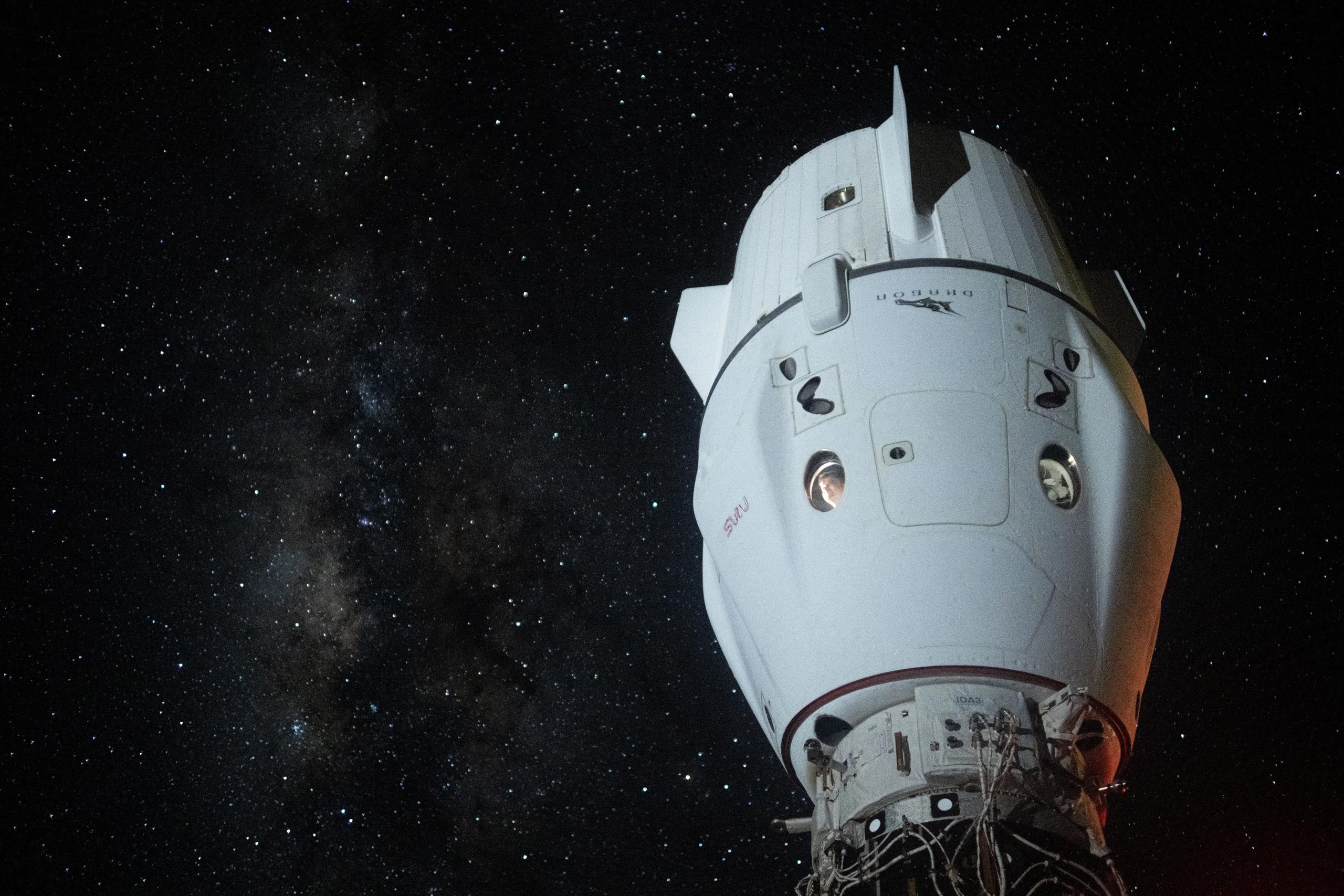
A leak in SpaceX’s Dragon propulsion system has delayed NASA’s Crew-13 launch while engineers work to clear the spacecraft for flight.
NASA and SpaceX are delaying the Crew-13 mission to the International Space Station after an oxidizer leak was found in the propulsion system of the Dragon spacecraft during routine prelaunch processing.
The leak was detected while teams were preparing the spacecraft for flight. An oxidizer is a chemical used by a propulsion system to help fuel burn and produce thrust, making it a critical part of spacecraft maneuvering and control.

NASA and SpaceX Investigate Dragon Leak
Engineers from NASA and SpaceX are now carrying out additional testing and reviewing spacecraft data to better understand the issue. Any required repairs or other corrective work will be completed before the mission is cleared to launch.
NASA has not yet announced a replacement launch date. A new target will be provided once teams have finished their evaluations and determined that the spacecraft is ready to fly.
Four Astronauts Will Join Expedition 75
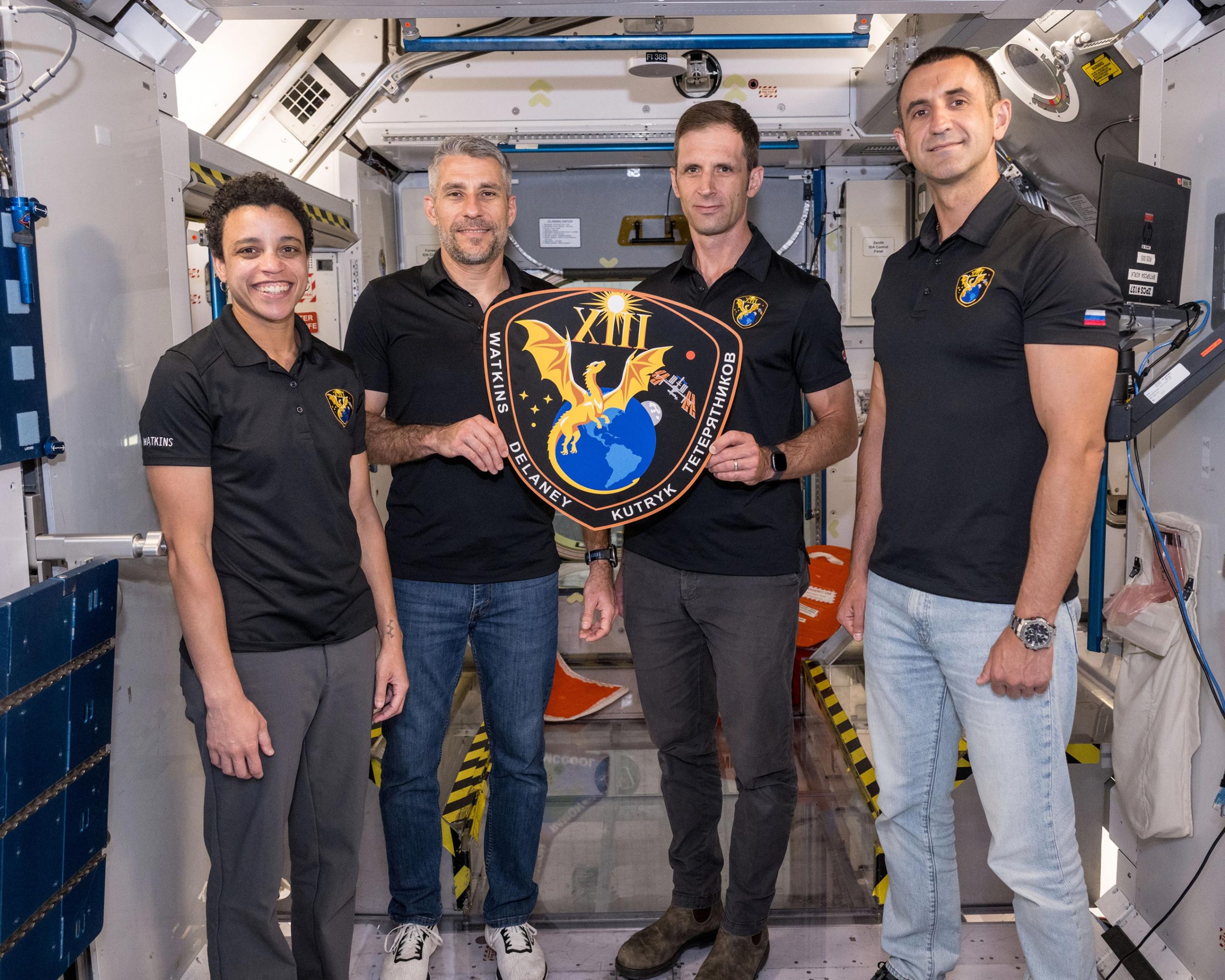
NASA astronaut Jessica Watkins will command Crew-13, while fellow NASA astronaut Luke Delaney will serve as pilot.
They will be joined by CSA (Canadian Space Agency) astronaut Joshua Kutryk and Roscosmos cosmonaut Sergey Teteryatnikov, who will serve as mission specialists.
Once the crew reaches the International Space Station, the four astronauts will become part of Expedition 75, the long-duration crew operating aboard the orbiting laboratory.
About two weeks before launch, the Crew-13 astronauts will enter quarantine at NASA’s Johnson Space Center in Houston. The quarantine period is designed to reduce the chances that crew members become sick shortly before traveling to space.
Crew-13 Will Launch on Falcon 9
When the mission is cleared to proceed, Crew-13 will fly aboard a SpaceX Dragon spacecraft carried into orbit by a Falcon 9 rocket.
The mission will launch from Space Launch Complex 40 at Cape Canaveral Space Force Station in Florida. NASA and SpaceX will announce a new launch date after testing, data reviews, and any necessary work on Dragon’s propulsion system are complete.
Never miss a breakthrough: Join the SciTechDaily newsletter.
Follow us on Google and Google News.