
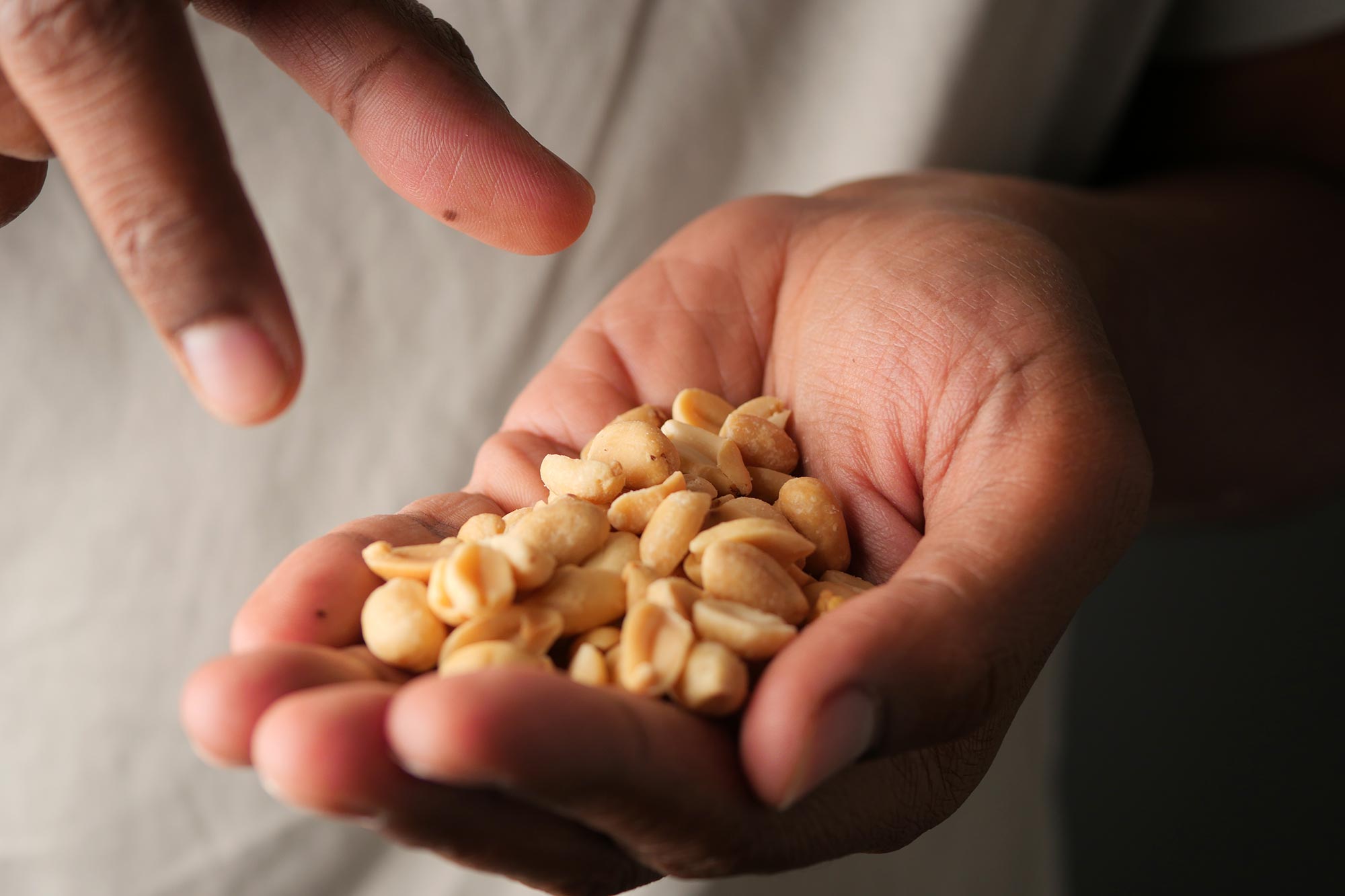
A handful of peanuts may leave a telltale signature in your blood, and researchers have linked that pattern to a lower risk of type 2 diabetes.
What happens inside your body after eating a handful of peanuts? Beyond providing protein, fiber, and healthy fats, these popular legumes appear to leave a distinctive chemical fingerprint in the bloodstream. Scientists have now linked this pattern of circulating fats to a lower risk of type 2 diabetes, offering new clues about the complex relationship between diet, body weight, and metabolic health.
To investigate, researchers combined a six-month dietary experiment with data from a long-term population study involving more than 27,000 people. Their findings revealed how peanut consumption reshapes certain blood lipids and suggested that body mass index plays an important role in the observed connection to diabetes risk.
Looking Beyond Cholesterol
Cholesterol tests capture only part of the fat circulating in the bloodstream. A technique called lipidomics provides a more detailed inventory, revealing differences among lipid classes that conventional measurements may miss.
The type of fat you eat helps shape how your body processes and stores it. Replacing saturated fats with unsaturated fats can improve blood lipid profiles and reduce inflammation, helping address the cardiometabolic risks associated with unhealthy diets.
Even saturated fatty acids are not a uniform group. Very long chain saturated fatty acids (VLCSFA), which contain more than 20 carbon atoms, may have distinctive metabolic effects. Peanuts, which are legumes, supply these fats alongside monounsaturated fatty acids.
Tracking the Effects of Peanuts
Dr. Inés Domínguez-López and Professor Matthias Schulze at the German Institute of Human Nutrition Potsdam-Rehbruecke worked with University of Barcelona researchers to investigate how peanuts influence this broader lipid landscape.
They began with ARISTOTLE, a randomized controlled trial involving 63 healthy adults ages 18 to 33. For six months, participants consumed either 25 grams (0.88 ounces) of skin-roasted peanuts, 32 grams (1.13 ounces) of peanut butter, or 32 grams (1.13 ounces) of a control butter containing peanut oil each day.
Using high-resolution mass spectrometry, an approach known as “deep lipidomics,” the team identified a characteristic pattern of blood fats following peanut consumption. They called it the “Peanut Lipidomic Signature” (PeLS).
A Different Mix of Blood Fats
Peanut consumption significantly increased certain very long-chain saturated fatty acids, particularly C24:0 and C22:0. These were preferentially incorporated into specific lipid classes, including ceramides, through processes involving enzymes that lengthen fatty acid chains.
“This is not merely a simple increase in fat levels but a complex ‘remodeling’ of the lipidome,” explains first author Domínguez-López.
“By characterizing this specific peanut lipid signature, we have uncovered a potential biological marker that links dietary fat quality to metabolic outcomes,” explains Schulze.
The researchers then examined samples and records from EPIC-Potsdam, a long-term population study with more than 27,000 participants. Its data included people who developed type 2 diabetes (774 cases) and cardiovascular disease (545 cases).
Where Body Weight Fits In
The peanut lipid signature was associated with a lower risk of type 2 diabetes, but not cardiovascular disease. Much of the relationship with diabetes was statistically explained by body mass index (BMI).
“This suggests that the positive metabolic effects of these specific peanut-derived lipids may be linked to their ability to support a healthier body weight or stabilize metabolic processes related to adiposity,” Domínguez-López says.
Affordable and widely available, peanuts could be a practical addition to a balanced diet that supports metabolic health, with their distinctive blood lipid signature linked to a lower risk of type 2 diabetes.
Reference: “Peanuts-derived plasma lipids and lower risk of type 2 diabetes: association mediated by body mass index—an intervention and case-cohort study” by Inés Domínguez-López, Fabian Eichelmann, Isabella Parilli-Moser, Sara Hurtado-Barroso, Rosa M Lamuela-Raventós and Matthias B Schulze, 17 September 2026, The American Journal of Clinical Nutrition.
DOI: 10.1016/j.ajcnut.2026.101527
Never miss a breakthrough: Join the SciTechDaily newsletter.
Follow us on Google and Google News.