
Close Menu
    Facebook X (Twitter) Instagram
    SciTechDaily
    • Biology
    • Chemistry
    • Earth
    • Health
    • Physics
    • Science
    • Space
    • Technology
    Facebook X (Twitter) Pinterest YouTube RSS
    SciTechDaily
    Home»Health»New Research Shakes Up Beliefs About Fat and Brain Health
    Health

    New Research Shakes Up Beliefs About Fat and Brain Health

    By German Center for Diabetes Research DZDOctober 8, 20242 Comments3 Mins Read
    Facebook Twitter Pinterest Telegram LinkedIn WhatsApp Email Reddit
    Share
    Facebook Twitter LinkedIn Pinterest Telegram Email Reddit
    Brain Hypothalamus
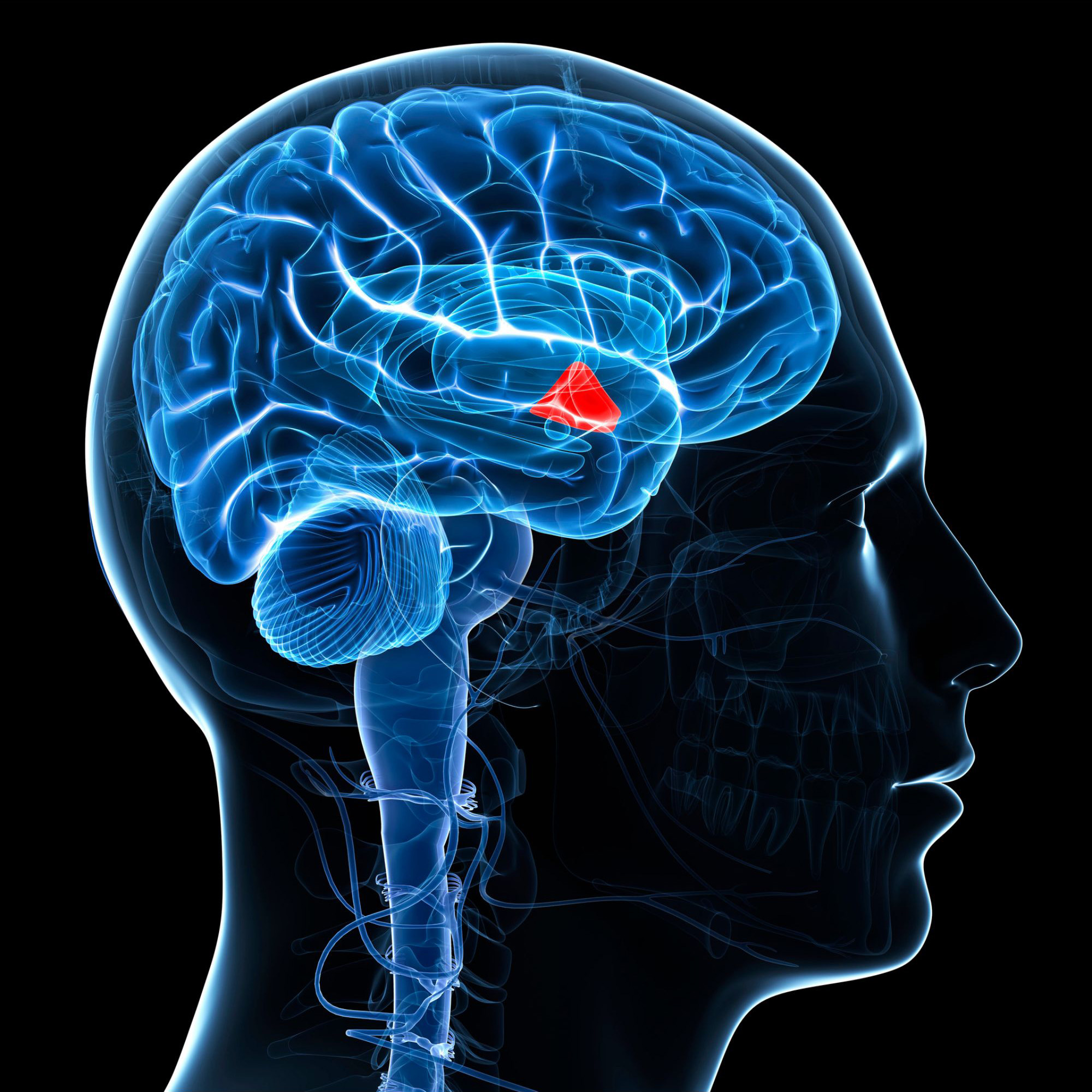
    A high-fat diet can lead to metabolic diseases and alter the hypothalamus, but fat alone may not be the main cause, as sugar and other nutrients could play a larger role. Research in mice showed no significant impact from fat on brain neurons, suggesting other macronutrients might have a stronger influence.

    A high-fat diet affects the brain and metabolism, but researchers believe sugar might have a stronger impact than fat.

    A diet high in fats may contribute to obesity and elevate the risk of metabolic disorders, including diabetes. Researchers from the German Institute of Human Nutrition Potsdam-Rehbruecke (DIfE) and the German Center for Diabetes Research (DZD) have found that such a diet also causes noticeable changes in the hypothalamus region of mouse brains. However, these effects are not solely due to fat, according to their study published in the journal Scientific Reports.

    The connections between neurons in the brain are constantly changing. Diet has a significant influence on this. It is now known that a high-fat diet can cause changes in the hypothalamus that disrupt energy homeostasis and can increase the risk of metabolic diseases.

    Confocal Image Representing the Immunolabelling of AgRP and Synaptophysin TdTomato
    Confocal image representing the immunolabelling of AgRP and Synaptophysin-TdTomato in the paraventricular nucleus of the hypothalamus anterior (PVH ant) of a mouse brain. Credit: DIfE, Selma Yagoub

    Food intake is predominantly regulated within the brain by two types of neurons: AgRP (Agouti-related peptide) and POMC (proopiomelanocortin) neurons. Both are primarily found in the hypothalamus—or more precisely, in the paraventricular nucleus, a core region of the hypothalamus—and have opposite actions. POMC neurons inhibit food intake, while AgRP neurons promote it.

    Fat or Rather Sugar?

    Previous research showed that AgRP neuron activity in the paraventricular nucleus decreases in mice that are fed a high-fat diet. This was mostly attributed to the high fat content of the diet given to the animals. However, the food of the studied mice also contained other nutrients, including sugar. It therefore cannot be said with certainty which macronutrient is responsible for the neuronal changes.

    The researchers from DIfE and DZD investigated whether it is primarily fat that causes changes in the brain. They fed male and female mice a high-fat and low-sugar diet for 48 hours. It was important for the researchers to study both male and female mice, as previous studies had often only used males. As a result, it was unclear whether the two sexes respond differently to a high-fat diet.

    Other Nutrients of Greater Significance

    The examination of the animal brains produced an unexpected result: An effect of the high-fat diet was not identified. The connectivity of AgRP neurons had not decreased in either female or male mice.

    This suggests that it is not dietary fat (alone) that is responsible for the previously observed changes in the hypothalamus. The researchers suspect that other macronutrients, such as sugar, have more profound effects on AgRP neurons. They now want to conduct further studies to explore the role of individual macronutrients on neuroanatomical and functional changes in the brain.

    Reference: “Acute elevated dietary fat alone is not sufficient to decrease AgRP projections in the paraventricular nucleus of the hypothalamus in mice” by Selma Yagoub, Robert A. Chesters, Jonathan Ott, Jiajie Zhu, Lídia Cantacorps, Katrin Ritter and Rachel N. Lippert, 29 August 2024, Scientific Reports.
    DOI: 10.1038/s41598-024-70870-0

    Never miss a breakthrough: Join the SciTechDaily newsletter.
    Follow us on Google and Google News.

    Brain Diabetes Metabolism Neuroscience Nutrition Popular
    Share. Facebook Twitter Pinterest LinkedIn Email Reddit

    Related Articles

    30,000 Brain Scans Reveal a Hidden Danger in Ultra-Processed Foods

    A Common Nutrient Deficiency May Be Triggering Early Brain Damage in Young Adults

    The Tropical Fruit That May Improve Blood Sugar and Cut Body Fat

    Doctors Have Been Saying Sugar Is Bad – But They Missed This

    Scientists Flip the Brain’s “Fat-Off” Switch – Weight Loss Without Side Effects

    Unexpected New Clues to Fighting Obesity: Scientists Identify Brain Circuit That May Help Burn Fat

    Want a Sharper Mind? Science Says Eat Walnuts in the Morning

    New Research Uncovers Brain’s Hidden Role in Triggering Obesity

    The Vitamin That Could Protect Against Manganese-Induced Brain Damage

    2 Comments

    1. Andrew on October 8, 2024 3:52 pm

      What happened to the mice brains that had the sugar diet?

      Reply
      • Peter on October 11, 2024 12:46 pm

        I know, right?
        Seems like that part of the study maybe somehow possibly lost funding?
        Or they’re leaving us cliff-hanging waiting for the sequel?

        Reply
    Leave A Reply Cancel Reply

    • Facebook
    • Twitter
    • Pinterest
    • YouTube

    Don't Miss a Discovery

    Subscribe for the Latest in Science & Tech!

    Trending News

    Bone-Strengthening Discovery Could Reverse Osteoporosis

    Scientists Uncover Hidden Trigger Behind Stem Cell Aging

    Scientists Find Way to Reverse Fatty Liver Disease Without Changing Diet

    Could Humans Regrow Limbs? New Study Reveals Promising Genetic Pathway

    Scientists Reveal Eating Fruits and Vegetables May Increase Your Risk of Lung Cancer

    Scientists Reverse Brain Aging With Simple Nasal Spray

    Scientists Uncover Potential Brain Risks of Popular Fish Oil Supplements

    Scientists Discover a Surprising Way To Make Bread Healthier and More Nutritious

    Follow SciTechDaily
    • Facebook
    • Twitter
    • YouTube
    • Pinterest
    • Newsletter
    • RSS
    SciTech News
    • Biology News
    • Chemistry News
    • Earth News
    • Health News
    • Physics News
    • Science News
    • Space News
    • Technology News
    Recent Posts
    • Men vs. Women: Scientists Uncover Dramatic Differences in How the Immune System Ages
    • Eating Chili Peppers Linked to Longer Life
    • Bread Might Be Making You Gain Weight Even Without Eating More
    • 4,000-Year-Old Tablets Reveal Lost Magic, Medicine, and Ancient Kings
    • AI Meets Quantum Computing and the Predictions Get Scary Accurate
    Copyright © 1998 - 2026 SciTechDaily. All Rights Reserved.
    • Science News
    • About
    • Contact
    • Editorial Board
    • Privacy Policy
    • Terms of Use

    Type above and press Enter to search. Press Esc to cancel.