

Brain imaging of 30,000 people revealed that ultra-processed foods are associated with structural differences in the brain that could fuel overeating.
The study suggests that additives like emulsifiers may influence these effects. While some processed foods are beneficial, ultra-processed products pose a clear risk.
Brain Imaging Study Reveals Concerning Links to Ultra-Processed Foods
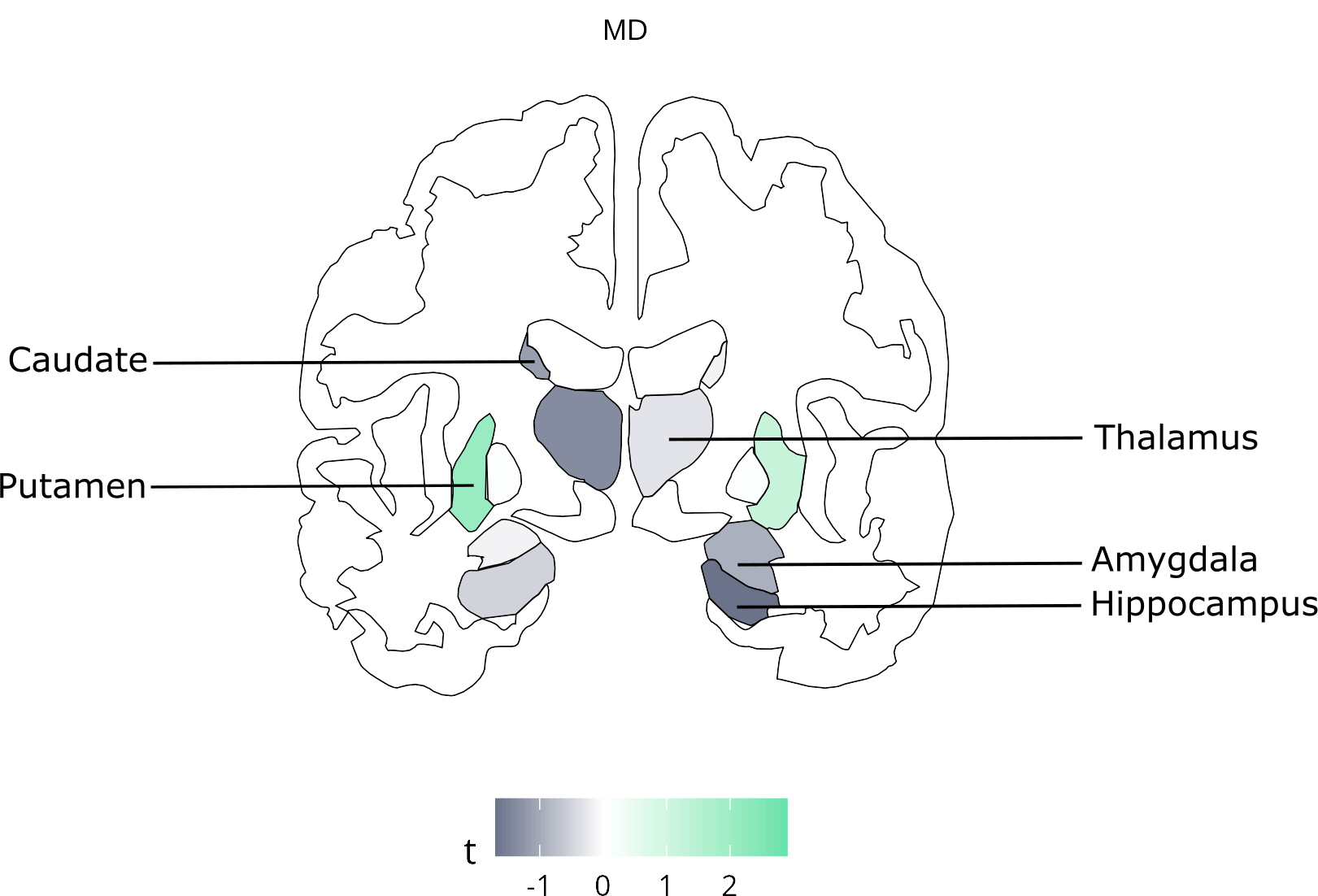
An international team of researchers has examined brain scans from nearly 30,000 people and uncovered noteworthy links between frequent consumption of ultra-processed foods (UPFs) and differences in brain structure. These structural differences may contribute to patterns of overeating and make it harder for individuals to regulate their eating habits.
“Our findings suggest that higher consumption of ultra-processed foods is associated with differences in the brain. These associations could be linked to behavioural patterns such as overeating, though causal relationships cannot be confirmed by our study. The observed associations are not solely explained by inflammation or obesity; ingredients and additives typical to UPFs, such as emulsifiers may also play a role, although this requires further longitudinal or experimental evidence,” explains the shared first author of the research Arsène Kanyamibwa from the University of Helsinki.
Understanding Processed Foods and Their Health Effects
Although many processed foods are safe and even beneficial, particularly those made from plant-based ingredients, the findings raise concerns about UPFs. Ultra-processed items often contain industrial additives and chemically altered components that set them apart from minimally processed foods.
“In particular, processed foods of plant origin, such as frozen vegetables, can be recommended. Another good example of the benefits of processing is the pasteurisation of milk. In contrast, foods high in chemically modified ingredients and additives, such as processed meat products, are problematic.”
Implications for Diet, Regulation, and Public Health
Kanyamibwa notes that the accumulating scientific evidence on UPFs may help guide healthier food choices and influence future policies aimed at improving population health.
“Given the growing body of evidence, reducing ultra-processed food intake and strengthening regulatory standards in food manufacturing may be crucial steps toward ensuring better public health outcomes,” Kanyamibwa asserts.
Collaborative Effort Behind the Research
The analysis drew on data from the UK Biobank, which includes a large cohort of middle-aged adults across the United Kingdom. The project was a collaborative effort involving experts from the University of Helsinki and McGill University’s Montréal Neurological Institute, combining expertise in neuroscience, public health, and nutrition research to better understand how modern diets may influence the brain.
Reference: “Ultra-processed food consumption affects structural integrity of feeding-related brain regions independent of and via adiposity” by Filip Morys, Arsene Kanyamibwa, Daniel Fängström, Max Tweedale, Alexandre Pastor-Bernier, Houman Azizi, Lang Liu, Annette Horstmann and Alain Dagher, 8 April 2025, npj Metabolic Health and Disease.
DOI: 10.1038/s44324-025-00056-3
Never miss a breakthrough: Join the SciTechDaily newsletter.
Follow us on Google and Google News.
2 Comments
How are people supposed to take the warning and avoid “ultra-processed food” if it isn’t defined?
Think soy processed with toxic hexane with some residue (late 1960s, US), cooking oil preservative TBHQ (1972, US) and added artificially cultured “free” (can cross the blood-brain barrier) MSG (1980, US), minimally, and you will be well on your way to avoiding the worst of officially (FDA in the US) approved food “poisoning” (as opposed to “processing”).