
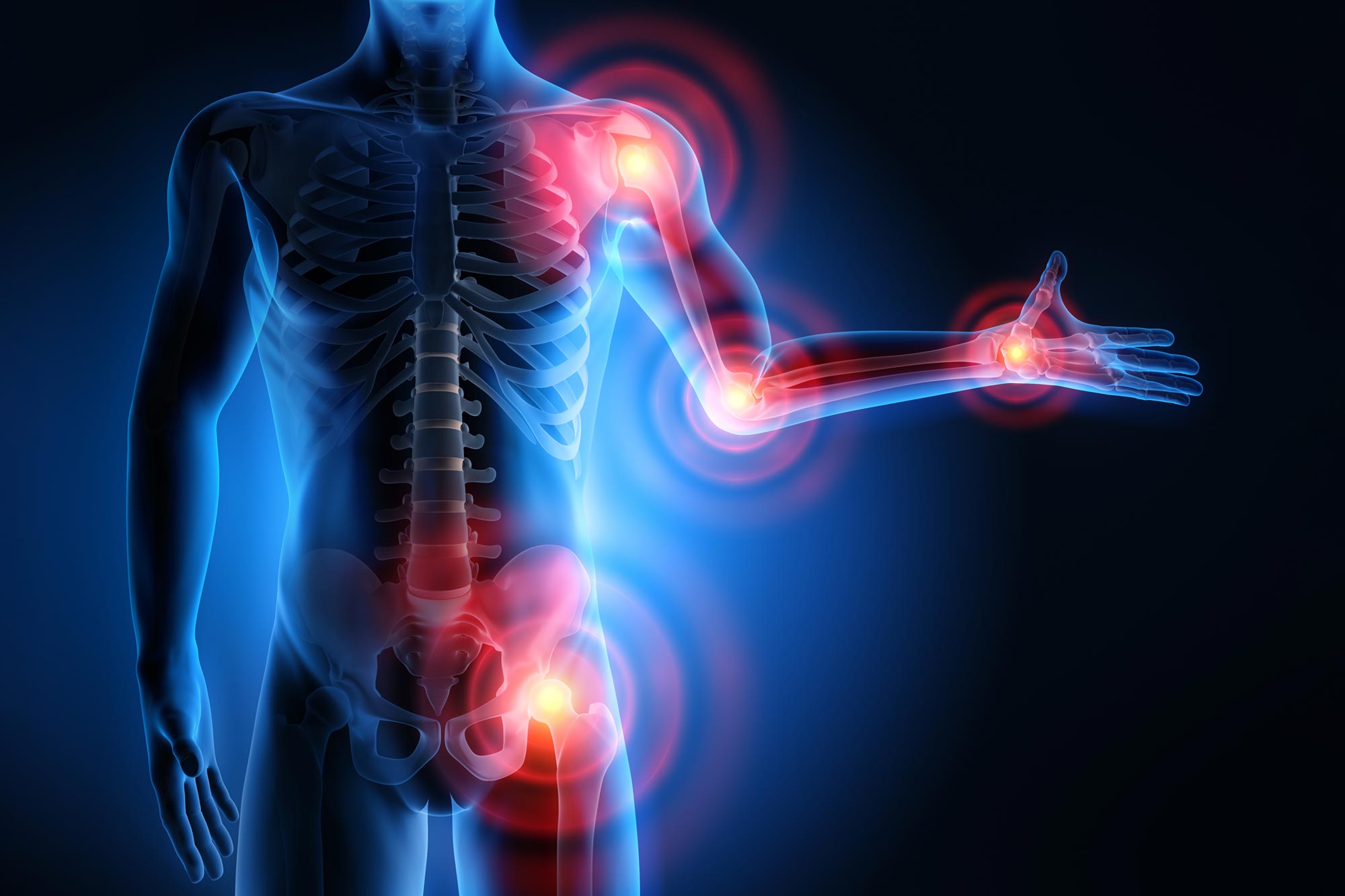
Low levels of vitamin D may make recovery from breast cancer surgery more painful and increase the need for opioid medications, according to research published online in the journal Regional Anesthesia & Pain Medicine.
Researchers say patients with vitamin D deficiency (below 30 nmol/L) could potentially benefit from taking supplements before undergoing a radical mastectomy.
Scientists have increasingly been studying vitamin D’s role in pain regulation. Evidence suggests the vitamin may influence how the body detects and processes pain because of its effects on inflammation and the immune system. Vitamin D deficiency is also common among people with breast cancer.
Study Explored Vitamin D and Postoperative Pain
The study was carried out at Fayoum University Hospital in Egypt between September 2024 and April 2025. Researchers followed 184 breast cancer patients scheduled for surgery to remove one breast.
Half of the participants had vitamin D deficiency (below 30 nmol/L), while the other half had vitamin D levels above 30 nmol/L. The groups were otherwise similar, with an average age of 44 in the deficient group and 42 in the sufficient group.
Patients received the hospital’s standard care before, during, and after surgery. Medical staff treating the patients did not know their vitamin D status.
During surgery, fentanyl was used to manage pain. Afterward, all patients received paracetamol intravenously every eight hours. Patients were also allowed to self-administer tramadol, another opioid pain medication, by pressing a control button.
Low Vitamin D Linked to More Pain and Opioid Use
Researchers measured pain immediately after surgery and again at 6, 12, 18, and 24 hours later. They also tracked nausea, vomiting, sedation scores, and length of hospital stay.
Patients with vitamin D deficiency were three times more likely to report moderate to severe pain during the first 24 hours after surgery compared with patients whose vitamin D levels were sufficient.
The researchers noted that none of the patients in either group reported severe pain rated 7 or higher on a 0 to 10 pain scale. The difference was entirely related to a higher rate of moderate pain levels between 4 and 6.
The vitamin D-deficient group also required more pain medication. On average, these patients received 8 μg more fentanyl during surgery, although researchers described this increase as modest.
The gap became much larger after surgery. Patients with vitamin D deficiency used an average of 112mg more tramadol than patients with higher vitamin D levels. The opioid medication was patient-controlled, with a maximum limit of 50mg per hour.
Possible Role of Vitamin D in Recovery
Opioid medications can cause side effects including nausea, vomiting, drowsiness, and confusion, and they also carry risks of dependency and addiction.
Postoperative nausea occurred more often in the vitamin D-deficient group. Vomiting was seen only in that group as well, although the difference was small and not statistically significant.
The researchers acknowledged several limitations. Because the study was observational and conducted at a single hospital, it cannot prove that low vitamin D directly caused the increase in pain. The team also did not measure inflammatory markers that might explain the biological mechanisms involved. In addition, the researchers did not collect information about anxiety, depression, cancer stage, previous treatments, or sleep problems before surgery.
Even so, the authors concluded, “Vitamin D deficiency is associated with a higher occurrence of moderate to severe postoperative pain and increased opioid consumption in patients undergoing unilateral modified radical mastectomy.”
They added, “Preoperative vitamin D supplementation in breast cancer patients with vitamin D levels below 30 nmol/L may have a role in modulating postoperative pain.”
Reference: “Association between preoperative vitamin D level and postoperative pain in patients undergoing breast cancer surgery: a prospective observational study” by Mahdy Ahmed Abdelhady, Maged Labib Boulos, Mohamed Ahmed Hamed, Doha Hamad Masry, Safaa Gaber Ragab and Mohamed Hasan Ragab, 19 May 2026, Regional Anesthesia & Pain Medicine.
DOI: 10.1136/rapm-2025-107495
Never miss a breakthrough: Join the SciTechDaily newsletter.
Follow us on Google and Google News.