
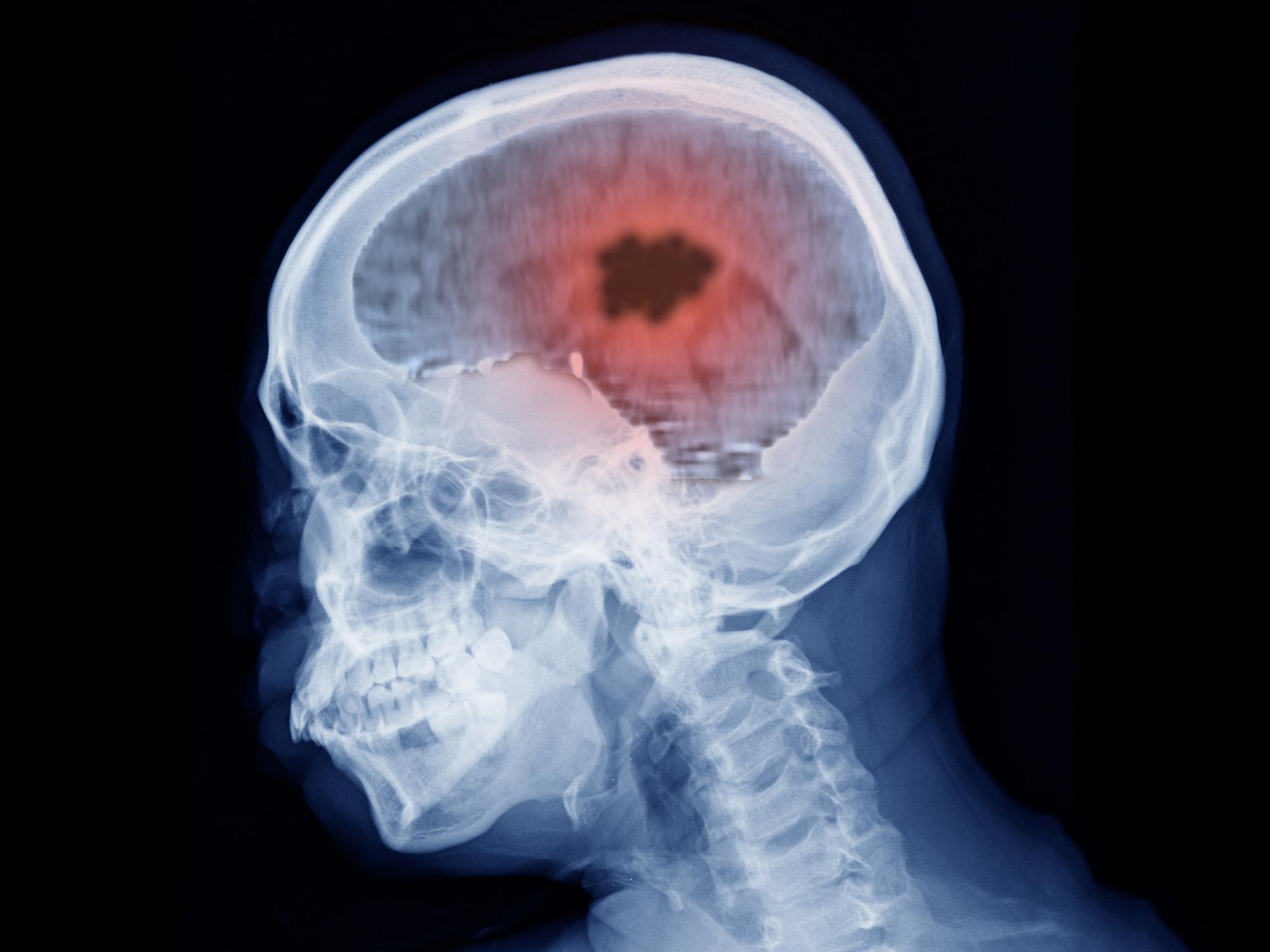
Researchers have identified a vitamin B12–based compound that appears capable of crossing the blood–brain barrier and selectively accumulating in glioblastoma tissue.
For decades, one of the biggest problems in brain cancer treatment has had little to do with killing cancer cells and everything to do with reaching them. The brain’s protective blood-brain barrier (BBB) blocks toxins and pathogens from entering the brain, but it also prevents many cancer drugs from getting through.
That challenge has helped make glioblastoma one of the deadliest forms of cancer, with most patients surviving little more than a year after diagnosis despite aggressive treatment.
Now, researchers report early evidence that a modified form of vitamin B12 may be able to slip through that barrier and deliver a cancer-fighting molecule directly into brain tumors.
The findings, published in Oncoscience, focus on nitrosylcobalamin (NO-Cbl), a nitric oxide-releasing vitamin B12 analog. The study was led by Joseph A. Bauer of Nitric Oxide Services, LLC and the Cleveland Clinic Foundation Taussig Cancer Center.
Evaluating NO-Cbl Across Multiple Models
Researchers tested NO-Cbl using several experimental methods, including the NCI-60 human tumor cell line panel, pharmacokinetic studies in rats with glioblastoma tumors, and combination therapy studies in human glioblastoma cell lines.
The results showed that NO-Cbl produced antitumor effects across multiple cancer types. Central nervous system tumor cell lines showed moderate sensitivity to the treatment.
Animal studies revealed that NO-Cbl successfully crossed the BBB after systemic administration and accumulated preferentially in glioblastoma tissue. Tumor nitrate levels stayed elevated for at least 24 hours after treatment, while nitrate levels in normal tissues declined more quickly. These findings suggest that the compound may provide targeted nitric oxide delivery within the tumor microenvironment.
They also showed sustained accumulation of nitrate and cobalamin-related metabolites in brain tumor tissue compared with other organs.
Enhanced Effects With Existing Therapies
The researchers also investigated whether NO-Cbl could improve the effectiveness of current glioblastoma treatments. In cultured U87 and D54 glioblastoma cells, combining NO-Cbl with TRAIL or temozolomide produced significantly greater suppression of tumor cell proliferation than either treatment alone.
Combination index analysis confirmed synergistic interactions across multiple dose ranges.
“This pilot study demonstrates that NO-Cbl crosses the BBB, accumulates selectively in brain tumor tissue, and synergizes with established and experimental glioblastoma therapies,” the authors say.
Possible Role in Overcoming Drug Resistance
The study also examined how NO-Cbl may help counter treatment resistance in glioblastoma. Previous research cited by the authors showed that the compound can trigger apoptosis through caspase-8 activation, suppress NF-κB survival signaling, and enhance TRAIL receptor signaling through S-nitrosylation.
Together, these mechanisms may improve treatment sensitivity, including in temozolomide-resistant glioblastoma models.
The authors emphasized that the work is an early translational pilot study and that more research will be needed before the approach can move toward clinical use. Future studies will focus on orthotopic validation, dose optimization, long-term nitric oxide tracking, and additional mechanistic studies in central nervous system tumor models.
Overall, the findings provide early evidence that a cobalamin-based nitric oxide donor could represent a new therapeutic strategy for glioblastoma. By combining BBB penetration, tumor-targeted nitric oxide delivery, and synergy with existing therapies, NO-Cbl may help improve drug delivery and reduce treatment resistance in one of the most difficult cancers in neuro-oncology.
Reference: “Selective blood-brain barrier penetration and tumor targeting of nitrosylcobalamin in glioblastoma: Pharmacokinetics, tissue distribution, and synergistic activity with trail and temozolomide” by Joseph A Bauer, Annette M Sysel and Michael J Dunphy, 2 April 2026, Oncoscience.
DOI: 10.18632/oncoscience.654
Never miss a breakthrough: Join the SciTechDaily newsletter.
Follow us on Google and Google News.