
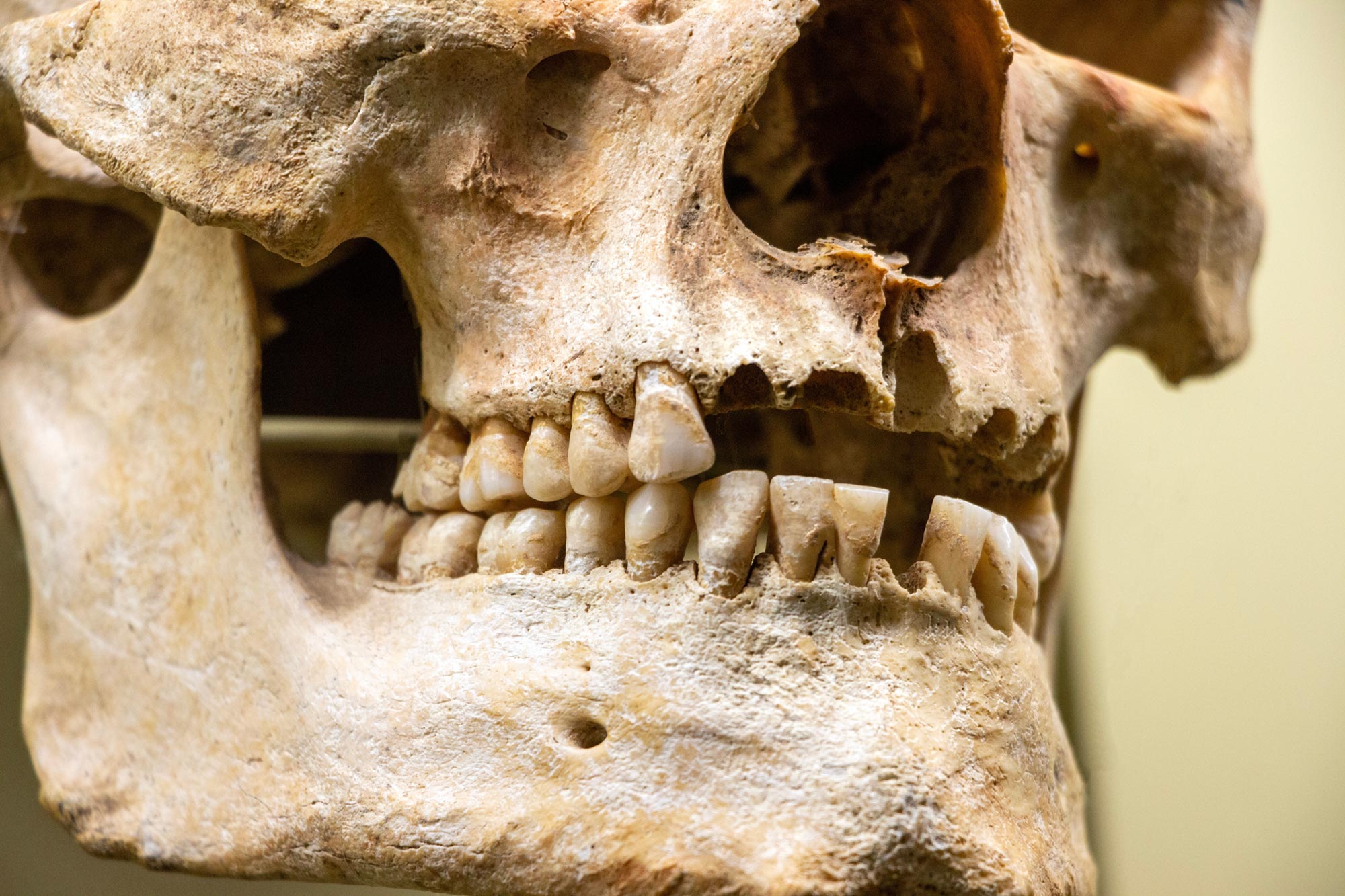
A 59,000-year-old tooth hints that Neanderthals may have treated infections with stone tools.
Long before modern dentistry, Neanderthals may already have understood something crucial about pain: where it came from and how to relieve it. A 59,000-year-old tooth discovered in Siberia contains evidence that one of our extinct relatives may have deliberately drilled into an infected molar using a sharp stone tool, potentially making this the oldest known example of dental treatment ever identified.
The study, published May 13, 2026, in PLOS One by Alisa Zubova of the Peter the Great Museum of Anthropology and Ethnography, Russian Academy of Sciences (Kunstkamera), and colleagues, adds to growing evidence that Neanderthals possessed unexpectedly sophisticated survival skills.
Previous discoveries have suggested they used toothpicks to clean their teeth and may have relied on medicinal plants, but whether they could intentionally diagnose and physically treat disease has remained uncertain.
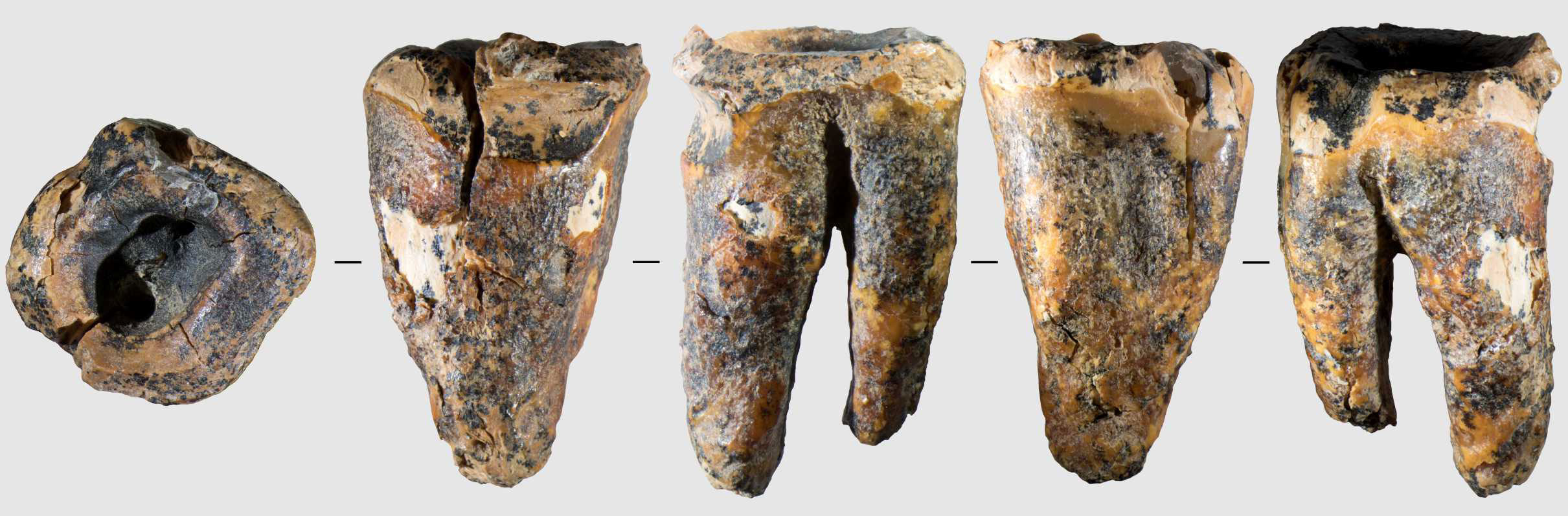
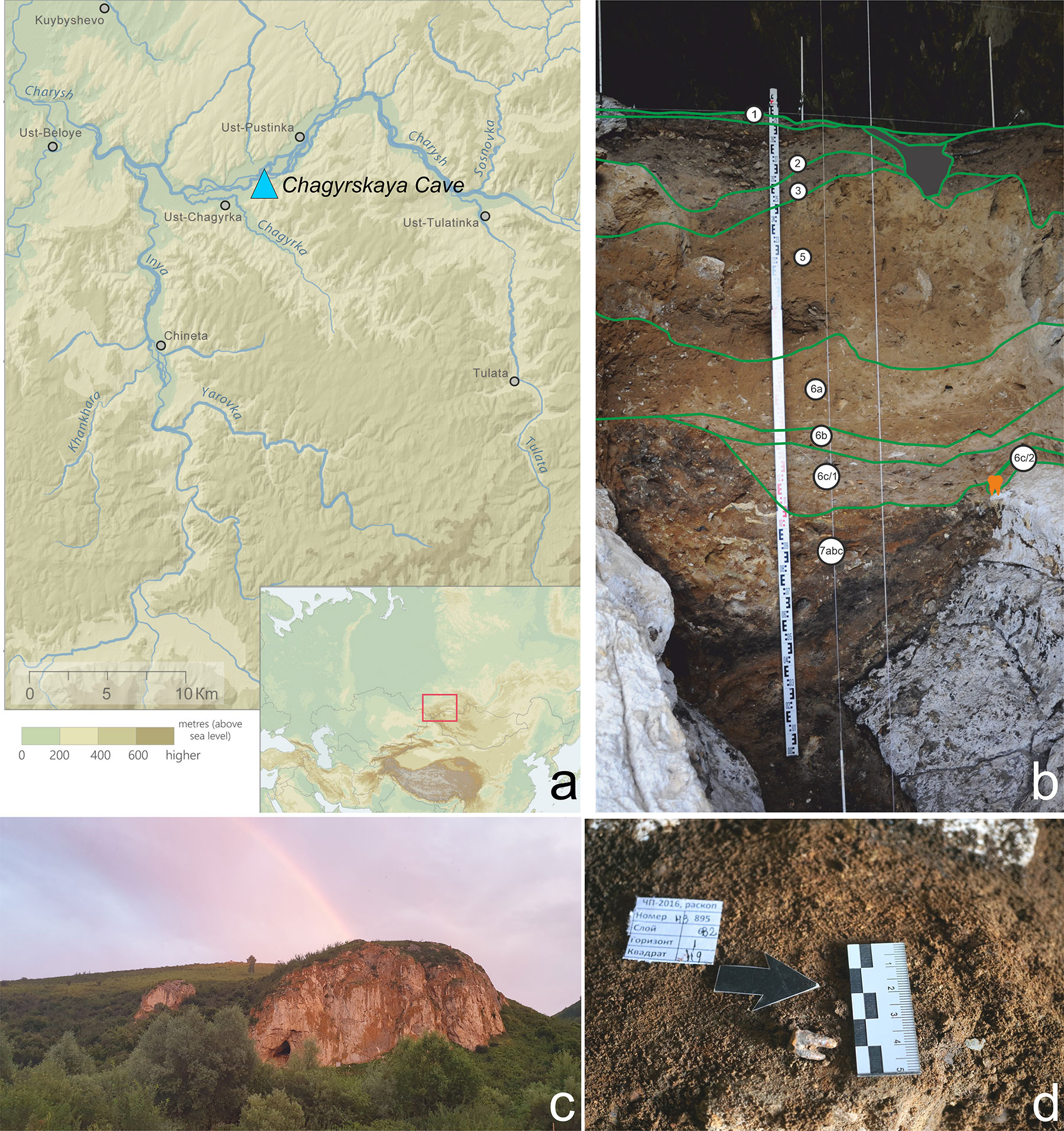
The tooth is a single molar from Chagyrskaya Cave in Russia and is about 59,000 years old. At its center is a deep opening that reaches into the pulp cavity. To test how it may have formed, the researchers carried out experiments on three modern human teeth. They showed that drilling with a stone point similar to tools found in Chagyrskaya Cave could create a hole with the same shape and microscopic groove patterns. The damaged molar also has toothpick grooves along its side and represents an example of a caries lesion in the same population, a condition that is uncommon among Neanderthals.
Painful treatment points to skill
The procedure would likely have been painful, but it may have reduced the pain caused by infection by clearing away the damaged part of the tooth. The changes suggest that Neanderthals could identify where pain was coming from, decide on a treatment, carry out a precise procedure with their hands, and tolerate short-term pain to reduce future discomfort. This is the first time this kind of behavior has been shown outside Homo sapiens, and it predates the previous oldest example by more than 40,000 years.
The authors add: “This finding currently represents the world’s oldest evidence of successful dental treatment. The damage documented on the Neanderthal tooth from Chagyrskaya Cave in Siberia points not only to intentional pulp removal but also to antemortem wear – wear that could only have developed if the individual kept using the tooth while alive. We also identified areas of demineralization where remnants of carious damage were preserved, further indicating that the concavity in the tooth was associated with treatment.”
Alisa Zubova adds: “We were intrigued by the unusual shape of the concavity on the tooth’s chewing surface. It differed from the normal morphology of the pulp chamber and did not match the typical pattern of carious lesions seen in Homo sapiens. Moreover, distinctly visible scratches suggested that the concavity was not the result of natural damage but of intentional actions.”
“Computed microtomography revealed changes in dentin mineralization consistent with severe caries. Human manipulation of carious lesions has already been documented for the Upper Paleolithic, Mesolithic, and later periods. We therefore hypothesized that the damage we observed could also represent traces of such medical intervention – but from a significantly earlier period.”
Experiments matched the tooth marks
Lydia Zotkina adds: “To interpret the concavity on the occlusal surface of the tooth, we conducted experimental manual drilling on a series of specimens: a modern human tooth and two Homo sapiens teeth from a Holocene archaeological collection of uncertain temporal and cultural provenance. Comparison of the microscopic traces on the original Neanderthal specimen with those produced experimentally revealed a clear match. The findings demonstrate that drilling a carious lesion using a sharp, thin stone tool is entirely effective, permitting the rapid removal of damaged dental tissue.”
Ksenia Kolobova adds: “Neanderthals arrived in this region 70–60 thousand years ago during a migration from Central and Eastern Europe and inhabited it until at least 40–45 thousand years ago. Altai became a new and suitable home for them thanks to its biological diversity, climate similar to that of Europe, abundant raw materials for stone tool production, and their usual prey – wild bison and horses. Analysis of stone tool industries and paleogenetic studies have shown that the Neanderthals from Chagyrskaya Cave are very closely related to the bearers of the so-called Micoquian industry, who also lived in the Caucasus and Crimea.”
Reference: “Earliest evidence for invasive mitigation of dental caries by Neanderthals” by Alisa V. Zubova, Lydia V. Zotkina, John W. Olsen, Alexander M. Kulkov, Vyacheslav G. Moiseyev, Anna A. Malyutina, Roman V. Davydov, Sergey V. Markin, Eugene A. Maksimovskiy, Pavel V. Chistyakov, Andrey I. Krivoshapkin and Ksenia A. Kolobova, 13 May 2026, PLOS ONE.
DOI: 10.1371/journal.pone.0347662
This work was supported by the Russian Science Foundation Grant № 24-67-00033, “European Neanderthals in the Altai: migration, cultural and physical adaptation.” The recipients of this funding award are Ksenia A. Kolobova, Alisa V. Zubova, Lydia V. Zotkina. The funders had no role in study design, data collection and analysis, decision to publish, or preparation of the manuscript.
Never miss a breakthrough: Join the SciTechDaily newsletter.
Follow us on Google and Google News.