
Intravenous vitamin C may help fight cancer and reduce treatment side effects, though it remains experimental. Linus Pauling’s theory was flawed but partly correct.
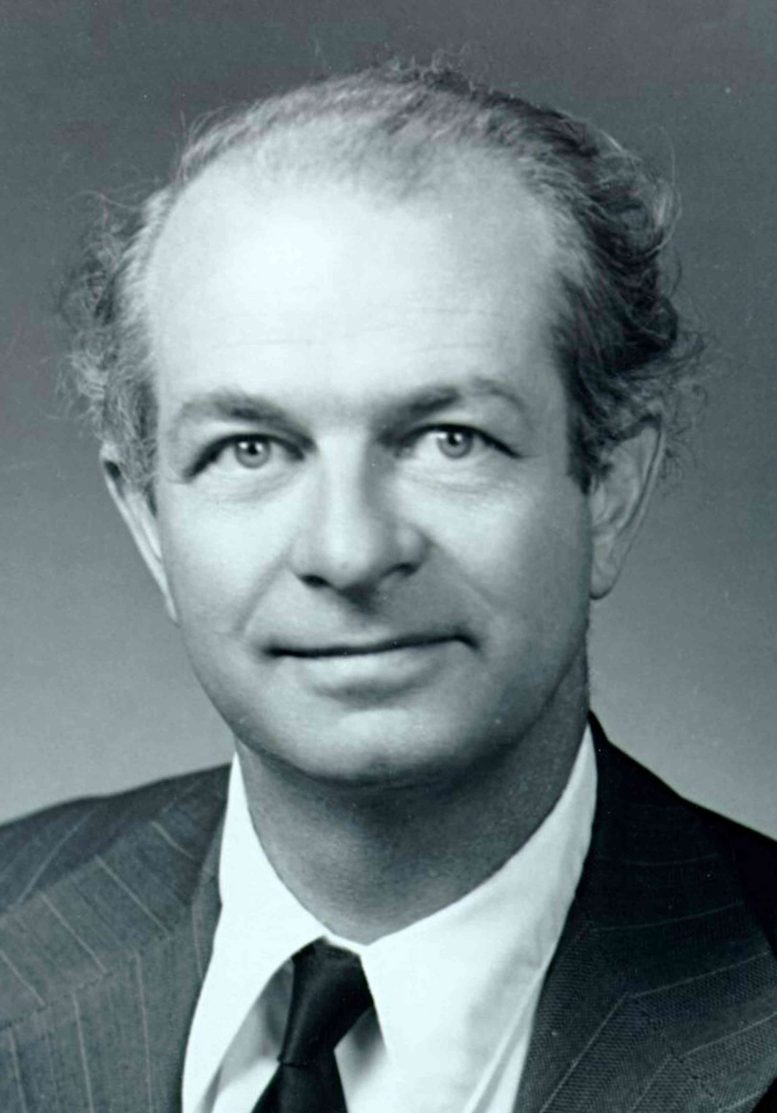
Few scientists shaped modern chemistry as profoundly as Linus Pauling. The American researcher won two Nobel Prizes and helped uncover the nature of chemical bonds and the structure of proteins, achievements that changed biology and medicine. But in the later years of his career, Pauling became linked to a far more controversial idea: the belief that extremely high doses of vitamin C could help treat cancer.
At the time, many doctors dismissed the claim as pseudoscience. When Pauling died from cancer at age 93, critics pointed to his vitamin C advocacy as an example of the “halo effect,” the idea that expertise in one field does not automatically translate into sound judgment in another.
Decades later, however, the debate is no longer so simple. While Pauling overstated vitamin C’s potential in important ways, modern studies suggest he may not have been completely mistaken. Researchers are once again exploring whether vitamin C, when given at very high doses under specific conditions, can act less like a nutritional supplement and more like a medical treatment.
The story began in the 1970s when Pauling partnered with Scottish physician Ewan Cameron to treat patients with advanced cancer using massive amounts of vitamin C. Patients first received the vitamin intravenously through a vein and later as oral tablets. Cameron and Pauling reported that patients receiving vitamin C appeared to survive longer and experienced a better quality of life than similar patients who did not receive the treatment. In some cases, they claimed survival times increased dramatically.
Mayo Clinic Trials Shut Down Early Hopes
The claims attracted widespread attention and prompted researchers at the Mayo Clinic, one of the leading nonprofit medical centers in the United States, to conduct two major clinical trials. The results appeared decisive.
Patients who took vitamin C pills showed no improvement in survival compared with patients who did not receive the vitamin. For many cancer specialists, that settled the issue. Vitamin C was grouped with other unproven alternative therapies, and Pauling’s campaign was often portrayed as a cautionary tale about scientific overconfidence.
What neither trial’s critics nor defenders noticed at the time: Pauling and Cameron had started with vitamin C into a vein; the Mayo Clinic trials used tablets only. That matters because the gut can only absorb so much vitamin C. Once you reach a modest daily dose, the body simply stops taking in much more. Swallow as many tablets as you like, and the level of vitamin C in your blood levels off.
Why Intravenous Vitamin C Changes Everything
By contrast, a drip into a vein can raise blood levels to tens or even hundreds of times higher than tablets ever could. At those extreme levels, vitamin C starts to behave differently inside the body.
At everyday levels, vitamin C acts as an antioxidant: it mops up harmful molecules and protects our cells. At very high levels, especially around tumors, it can flip roles.
In laboratory studies, high-dose vitamin C helps generate hydrogen peroxide, a reactive substance that can damage cells. Cancer cells seem especially vulnerable because they are already under stress. They grow rapidly, often in areas with poor blood supply, and produce lots of reactive molecules of their own. Their internal “cleanup” systems are stretched thin.
How High-Dose Vitamin C Attacks Cancer Cells
Add a sudden pulse of hydrogen peroxide, and many cancer cells tip over the edge: their DNA and energy machinery are damaged, and they die. Normal cells, which are under less strain and have better defenses, are more likely to survive. In this way, very high doses of vitamin C behave less like a daily supplement and more like a weak, selective chemotherapy drug. Crucially, the doses needed for this effect cannot be reached with tablets.
In people, the evidence is still early and mixed. Small trials have given high-dose vitamin C through a vein to patients with hard-to-treat cancers such as ovarian, pancreatic, or brain tumors. So far, many patients can receive large doses several times a week without serious side effects. Problems can occur, especially in people with poor kidney function or rare inherited conditions, which is why this is not a harmless wellness drip to be sold on the high street.
A few studies suggest that adding vitamin C infusions to chemotherapy may help some patients live a little longer or help with side effects, but other studies show no clear benefit. The trials are small and varied, so we cannot draw firm conclusions.
Patient Quality of Life and Emerging Evidence
One consistent signal is quality of life: patients given vitamin C alongside chemotherapy often report less fatigue, less pain, and fewer side effects, such as nausea. For someone with advanced cancer, that matters, even if it is not the sweeping cure Pauling once promised.
Lab work also hints at subtler roles. Vitamin C is involved in enzymes that influence how our DNA is “marked” and read and in how cells divide and respond to low oxygen—important in cancer behavior.
In some experiments, high vitamin C levels make cancer cells grow less aggressively and make them more sensitive to treatment. There are even early suggestions that vitamin C may help the immune system recognize and attack tumors, though this remains speculative.
Was Linus Pauling Ultimately Partly Right?
So, was Pauling right after all? The fairest answer is that he was partly right, for reasons he did not fully understand, and he exaggerated the promise. He was wrong to promote vitamin C tablets as a powerful cure for cancer. Large, careful trials have not found that swallowing high-dose vitamin C helps people with established cancer live longer. He was also wrong to present vitamin C as a near-universal remedy for many illnesses.
But he was not entirely wrong to suspect that vitamin C might have a special role in cancer treatment. He sensed, long before we could prove it, that very high doses given into a vein would behave quite differently from ordinary supplements.
Modern research has confirmed that intravenous vitamin C reaches much higher levels in the blood and has distinct biological effects. What we do not yet have are large, definitive randomized trials showing that high-dose intravenous vitamin C clearly prolongs life for most cancer patients. Until we do, it should be seen as experimental—promising enough to study, but not proven enough to replace standard therapies. Any use belongs in clinical trials or in carefully supervised medical settings, not in clinics selling expensive “immune boosts.”
The Science of Vitamin C and Cancer Keeps Evolving
The “vitamins in cancer” story continues to evolve. If the story of vitamin C and cancer teaches us anything, it is that science rarely moves in straight lines. A bold idea, some flawed early studies, a fierce backlash—and then, years later, a quieter, more careful return to the question.
Pauling may never be fully vindicated, but neither was he simply deluded. In his enthusiasm, he may have glimpsed a sliver of truth long before the rest of us knew how to look for it.
Adapted from an article originally published in The Conversation.
Never miss a breakthrough: Join the SciTechDaily newsletter.
Follow us on Google and Google News.
2 Comments
Vitamin C is critical for the synthesis and subsequent strength of collagen fibers throughout the body. Collagen has been called the “tape and glue” that holds us together. It’s role as an antioxidant adds to it usefulness. A problem arises when minimum daily requirements are primarily based on scurvy prevention and not on total health. Higher doses may help improve bone, teeth and skin. Stop bleeding gums and improve wound healing. Collagen synthesis also requires reduced iron and molecular oxygen. as well as alpha keto glutarate as enzyme cofactors. The fact that vitamin C has no impact on cancer or the common cold should not deter one from using higher does than recommended by authorities.
Re: “Mayo Clinic Trials Shut Down Early Hopes”
Those trials were fraudulent as most other official claims against Linus Pauling’s vitamin C work — read https://www.rolf-hefti.com/vitamin-benefits.html (written by a published author of the Orthomolecular Medicine News organization)!
Everyone should know that Pauling’s VALID work with high dose vitamin C supplementation (against the common cold and cancer) has been “falsified” by data distortions and lies, and he as a person (a double Nobel laureate) has been slandered as some deluded idiot by the criminal allopathic medical establishment and its countless quackwatch shills, lackeys, ignoramuses, and trolls for decades and it continues today!
But you can’t discredit the facts with lies. That only exposes and discredits the liars, and those individuals who mindlessly repeat and disseminate those lies (see link above).
Pauling knew back in the 70s already that the allopathic medical establishment was totally rotten and criminal! Just as it has been CONTINUOUSLY to this day…
“There are large numbers of scientists, doctors, and presstitutes who will sell out truth for money, such as those who describe people dropping dead on a daily basis [after getting a Covid-19 jab] as “rare” when it it happening all over the vaccinated world.” — Paul Craig Roberts, Ph.D., American economist & former US regime official, in 2024
“If we have learned anything in the past six years, it is that vaccinologists, doctors, and the government in general do not have good intentions and never did. The clear intention of everyone concerned was and is to make as much dirty money as possible, letting any amount of collateral damage slide, including a genocide and mass poisoning [with Covid-19 jabs]. The fact [is] that Big Pharma just murdered millions of people, with the full support of government, media, and “science”. With Covid, everyone is part of the fraud, many of them paid off, so no one has any reason to expose it, and big reasons to bury it. Don’t believe anything these people tell you, ABOUT ANYTHING. It isn’t time for a civil war against your neighbors, it is time for a revolution against these hoaxers and thieves.” — Miles Mathis, American author, in 2025