
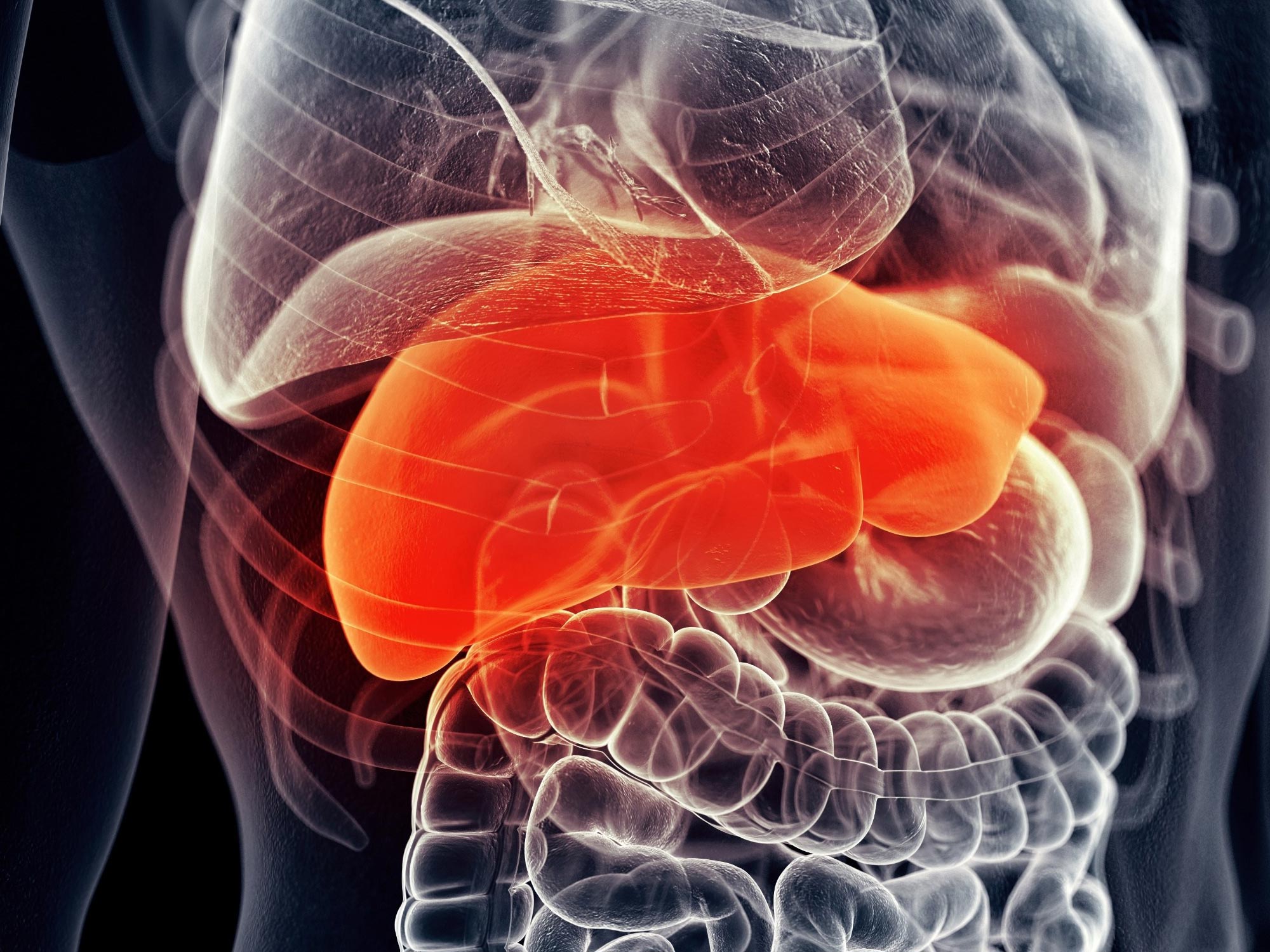
Scientists are uncovering a possible connection between everyday chemical exposure and serious liver damage.
Most people associate liver disease with heavy drinking or obesity. But researchers are increasingly uncovering another possible threat hiding in everyday life: industrial chemicals that can linger in the air we breathe, the water we drink, and even the clothes we pick up from the dry cleaner.
A new study published in Liver International points to tetrachloroethylene (PCE), a chemical widely used in dry cleaning and manufacturing, as a potential contributor to serious liver damage. Scientists at Keck Medicine of USC found that people with detectable levels of PCE in their blood were more than three times as likely to have significant liver fibrosis, a dangerous buildup of scar tissue that can eventually lead to liver failure, liver cancer, or death.
The findings add to growing concerns about how environmental pollutants may quietly influence chronic diseases that are often blamed on lifestyle factors alone. Researchers say the study is the first to directly connect PCE exposure in the general U.S. population with measurable liver scarring.
“This study, the first to examine the association between PCE levels in humans and significant liver fibrosis, underscores the underreported role environmental factors may play in liver health,” said Brian P. Lee, MD, MAS, a hepatologist and liver transplant specialist with Keck Medicine and lead author of the study. “The findings suggest that exposure to PCE may be the reason why one person develops liver disease while someone with the exact same health and demographic profile does not.”

A Chemical Found Far Beyond Dry Cleaning
PCE, also called perchloroethylene, is a colorless volatile organic compound used to dissolve grease and remove stains. Although it is best known as a dry-cleaning solvent, it has also been used in metal degreasing, industrial manufacturing, adhesives, spot removers, and some household cleaning products.
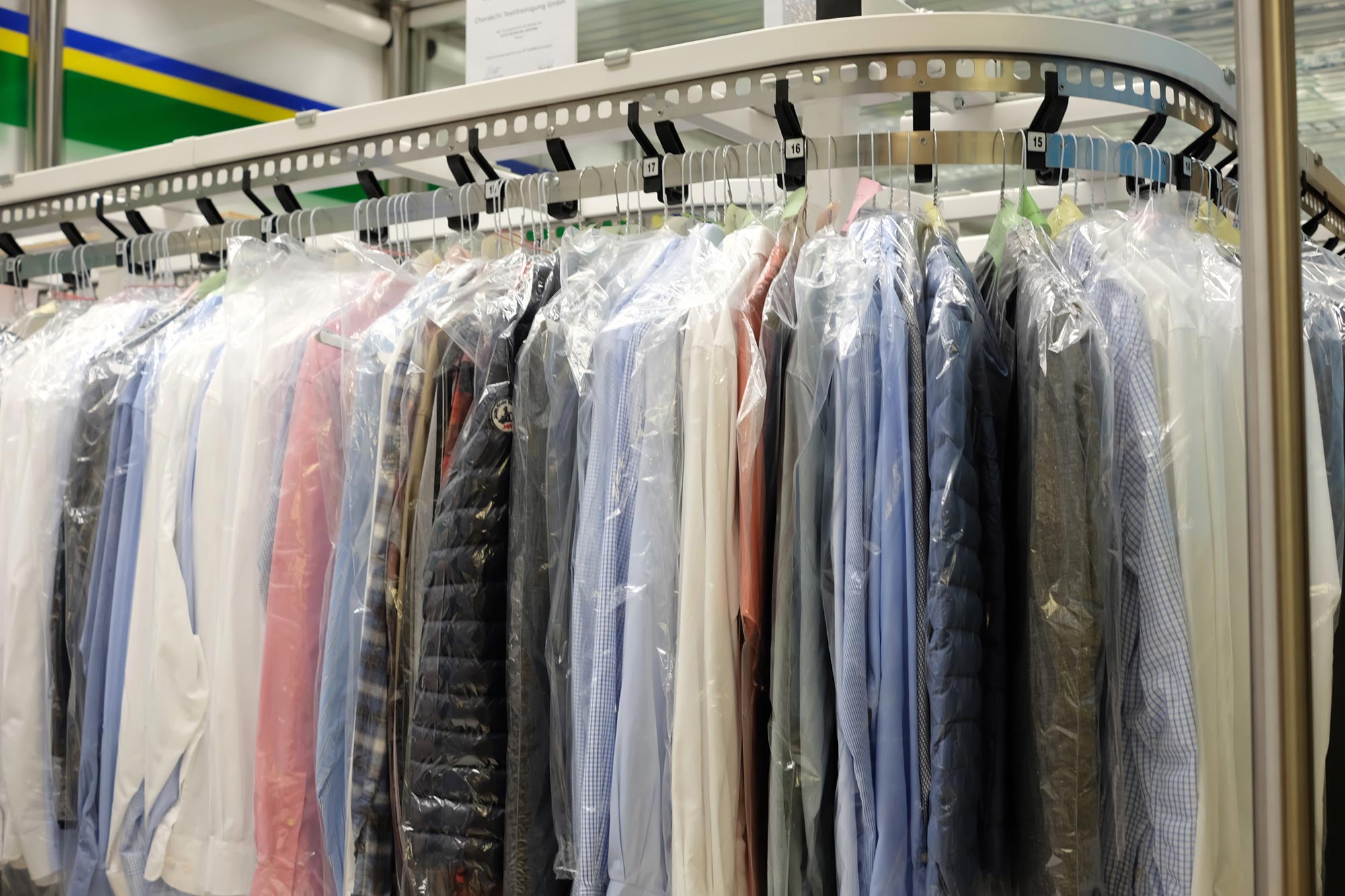
Exposure often happens through inhalation. Clothes cleaned with PCE can slowly release the chemical into indoor air for days after pickup. In some communities, the chemical has also contaminated groundwater and drinking water after industrial spills or improper disposal seeped into the soil. Because PCE evaporates easily, it can spread through buildings and surrounding neighborhoods as a vapor.
Scientists have studied PCE for decades because of its toxic effects. The International Agency for Research on Cancer classifies it as a probable carcinogen, and previous research has linked it to bladder cancer, multiple myeloma, non-Hodgkin lymphoma, and liver cancer. Animal studies have also shown that the chemical can trigger inflammation, oxidative stress, and cellular damage in the liver.
In response to mounting evidence, the U.S. Environmental Protection Agency recently began a 10-year phaseout of PCE in dry cleaning operations and imposed new restrictions on several industrial uses. Still, the compound remains present in some workplaces, consumer products, and older contaminated sites.
Tracking Liver Damage in the U.S. Population
To investigate whether PCE exposure might be affecting liver health on a national scale, researchers analyzed data from the National Health and Nutrition Examination Survey (NHANES), a long-running federal program designed to reflect the health of the U.S. population.
The study included 1,614 adults age 20 and older between 2017 and 2020. Blood testing showed that about 7.4% of participants had detectable levels of PCE. Concentrations ranged from 0.034 to 57.5 nanograms per milliliter.
After adjusting for age, sex, race, ethnicity, education, and other health factors, the connection between PCE and liver fibrosis remained strong. People with detectable PCE exposure had more than triple the odds of significant liver fibrosis compared with those who had no detectable exposure.
The study also found a striking dose-response relationship: for every one nanogram per milliliter increase in blood PCE concentration (one nanogram is one-billionth of a gram), the odds of significant liver fibrosis increased more than fivefold, with detectable PCE exposure corresponding to an absolute increase in fibrosis risk of nearly 28%.
Importantly, the association appeared independent of traditional liver disease risks such as alcohol use or obesity-related fatty liver disease. That finding raises the possibility that environmental toxins may help explain why some people develop liver disease despite having few conventional risk factors.
“Patients will ask, how can I have liver disease if I don’t drink and I don’t have any of the health conditions typically associated with liver disease, and the answer may be PCE exposure,” said Lee.
Who Faces the Highest Exposure?
The study found that people from higher-income households were more likely to have detectable PCE levels, possibly because they use dry-cleaning services more frequently. However, researchers noted that workers in dry-cleaning facilities and industrial settings may face even greater exposure because of repeated, direct contact with the chemical over long periods.
The authors also performed a “negative control” analysis using a different biomarker linked to mixed VOC exposure. That analysis suggested the liver fibrosis signal was specifically tied to PCE rather than to volatile chemicals in general, strengthening confidence in the findings.
A Growing Focus on Environmental Liver Disease
Liver disease is becoming more common worldwide, and researchers are increasingly exploring how pollution and chemical exposure may contribute alongside diet and alcohol. Unlike smoking or obesity, environmental exposures are often invisible and difficult for individuals to control. Some chemicals can accumulate slowly over years before symptoms appear.
Lee believes the new findings should encourage more research into how environmental toxins affect the liver and whether earlier screening could help identify damage before it becomes irreversible.
“No doubt there are other toxins in our environment besides PCE that are dangerous to the liver,” he said.
He added that recognizing these hidden risk factors could eventually improve patient outcomes.
“We hope our research will help both the public and physicians understand the connection between PCE exposure and significant liver fibrosis,” Lee said. “If more people with PCE exposure are screened for liver fibrosis, the disease can be caught earlier and patients may have a better chance of recovering their liver function.”
Reference: “Tetrachloroethylene Is Associated With Presence of Significant Liver Fibrosis: A National Cross-Sectional Study in US Adults” by Yinan Su, Jennifer L. Dodge and Brian P. Lee, 16 October 2025, Liver International.
DOI: 10.1111/liv.70398
Never miss a breakthrough: Join the SciTechDaily newsletter.
Follow us on Google and Google News.
2 Comments
Ten years to phase out the toxins to please big business. No respect for the people.
I agree chemicals do this but a bigger part of liver cirrhosis besides alcohol abuse and obesity is sugar even in people who are slim. My 20 year old has it and it’s the hidden sugars in our foods.The U.S is addicted to sugar and corporations love it because we keep coming back, just like cigarettes. Doctors are seeing more of this unfortunately.