
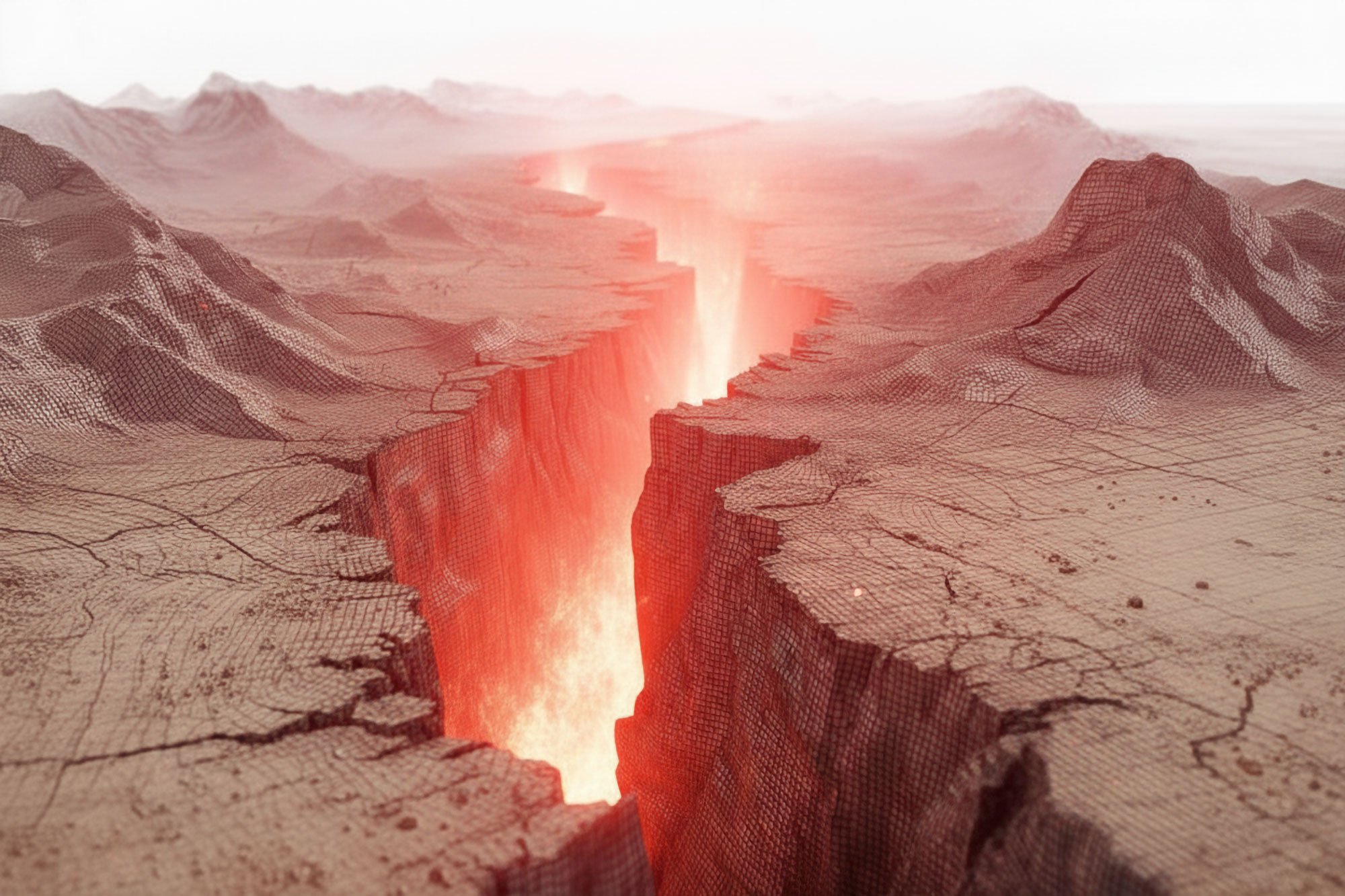
A new study suggests northern Oregon could experience stronger shaking during a major Cascadia earthquake than earlier models predicted.
A new analysis of the Juan de Fuca tectonic plate beneath northern Oregon suggests the slab lies closer to the surface than scientists previously believed. The finding could affect estimates of how strongly the region may shake during a future Cascadia megathrust earthquake.
The Juan de Fuca plate is sliding beneath the North American plate, forming the Cascadia subduction zone along the Pacific Northwest. This fault system has produced massive magnitude 9 earthquakes in the past.
“We estimate that the slab interface is about 20 kilometers [deep] near the coastline, which is about 5 kilometers shallower than previous estimates,” said Erin Wirth, a seismologist with the U.S. Geological Survey who presented the results at the 2026 SSA Annual Meeting.
“This could increase estimated peak ground acceleration—in other words, shaking intensity—from Cascadia megathrust earthquakes by approximately 9 to 17%,” along the coast of northern Oregon, she added.
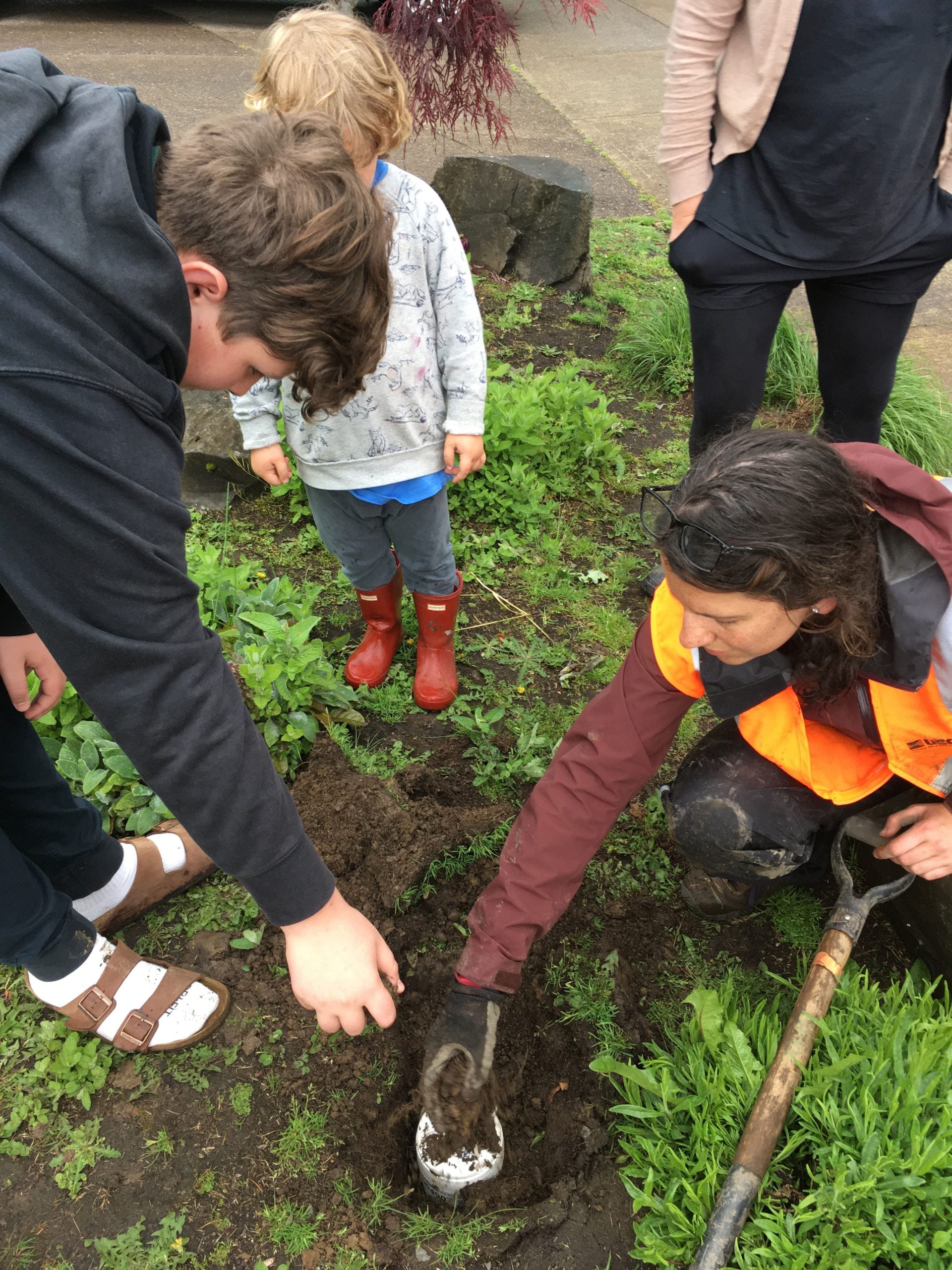
Researchers also identified a deep sedimentary basin beneath Tillamook, Oregon, offering the first direct seismic measurements of its shape and depth.
“Sedimentary basins can amplify ground shaking during an earthquake and have been well-studied in other parts of the Pacific Northwest such as the Seattle Basin,” Wirth explained. “Characterizing the presence of a sedimentary layer, as well as its likely thickness, helps scientists to more accurately estimate ground shaking from future earthquakes.”
Filling a Major Gap in Cascadia Research
The study helps address a long-standing gap in scientists’ understanding of the Cascadia subduction zone beneath northern Oregon. Compared with western Washington and northern California, the region experiences relatively little seismic activity, leaving researchers with fewer earthquakes to study for clues about the slab’s structure and the movement of seismic waves underground.
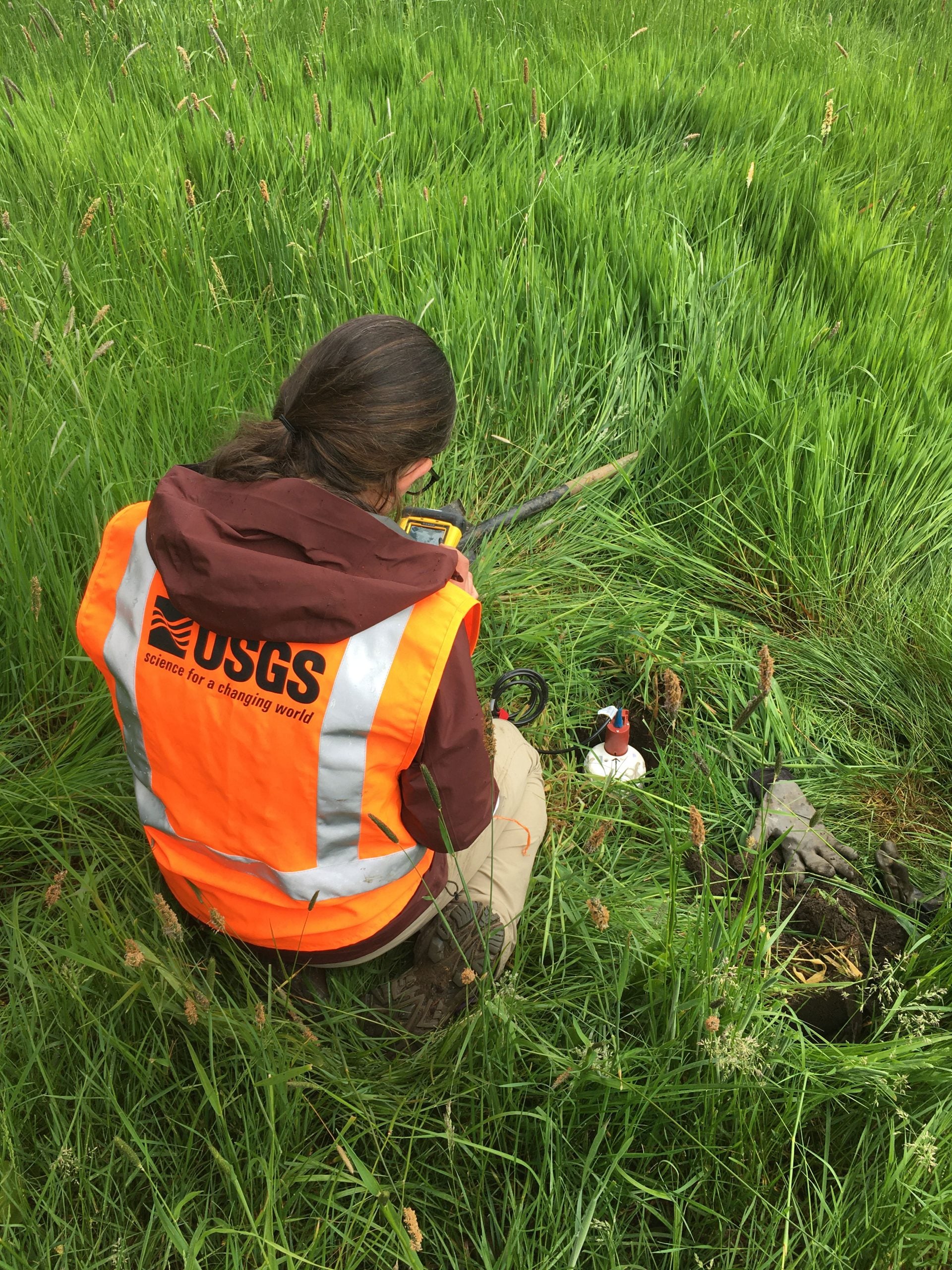
To investigate the area in greater detail, Wirth and her colleagues deployed 192 temporary nodal seismometers between Tillamook and Portland during the summers of 2021 and 2022. The team also incorporated data from a separate offshore seismic study conducted in 2021 from Vancouver Island to northern California, which similarly pointed to a shallower offshore slab depth.
Hidden Underground Structures Beneath Oregon
Combined, the datasets produced a more detailed picture of the subduction zone beneath northern Oregon, which could improve future earthquake hazard estimates.
Shallower earthquakes generally produce stronger shaking at the surface because seismic energy has less distance to weaken before reaching populated areas. That means a shallower Juan de Fuca slab could increase shaking intensity during a major Cascadia earthquake.
The newly identified sedimentary basin beneath Tillamook may also amplify seismic activity. Wirth compared the effect to a “bowl of jello,” where softer sediments shake intensely and trap seismic waves along the basin edges. This process can extend the duration of shaking and may pose greater risks to tall buildings and other large structures.
Wirth said the team plans to continue analyzing data from the nodal seismometer deployment to study the Tualatin Basin near Portland.
Meeting: 2026 Seismological Society of America Annual Meeting
Never miss a breakthrough: Join the SciTechDaily newsletter.
Follow us on Google and Google News.
3 Comments
thanks for this
Great information. Thanks
For years I’ve wondered why, with the Tillamook Valley sedimentary info furnished by USGS, why basic emergency services continue to be built in the places like 3rd St., where sit the Fire Department, Emergency Management HQ, and Adventist Med Center, the only hospital in the county, if they all liquifact at the same time??? If there’s some secret plan, it should be revealed. Please! Preparedness does not look like this county’s strong suit. So we’re written off the globe? Hope everybody’s relatives have good lawyers lined up in Kansas.