
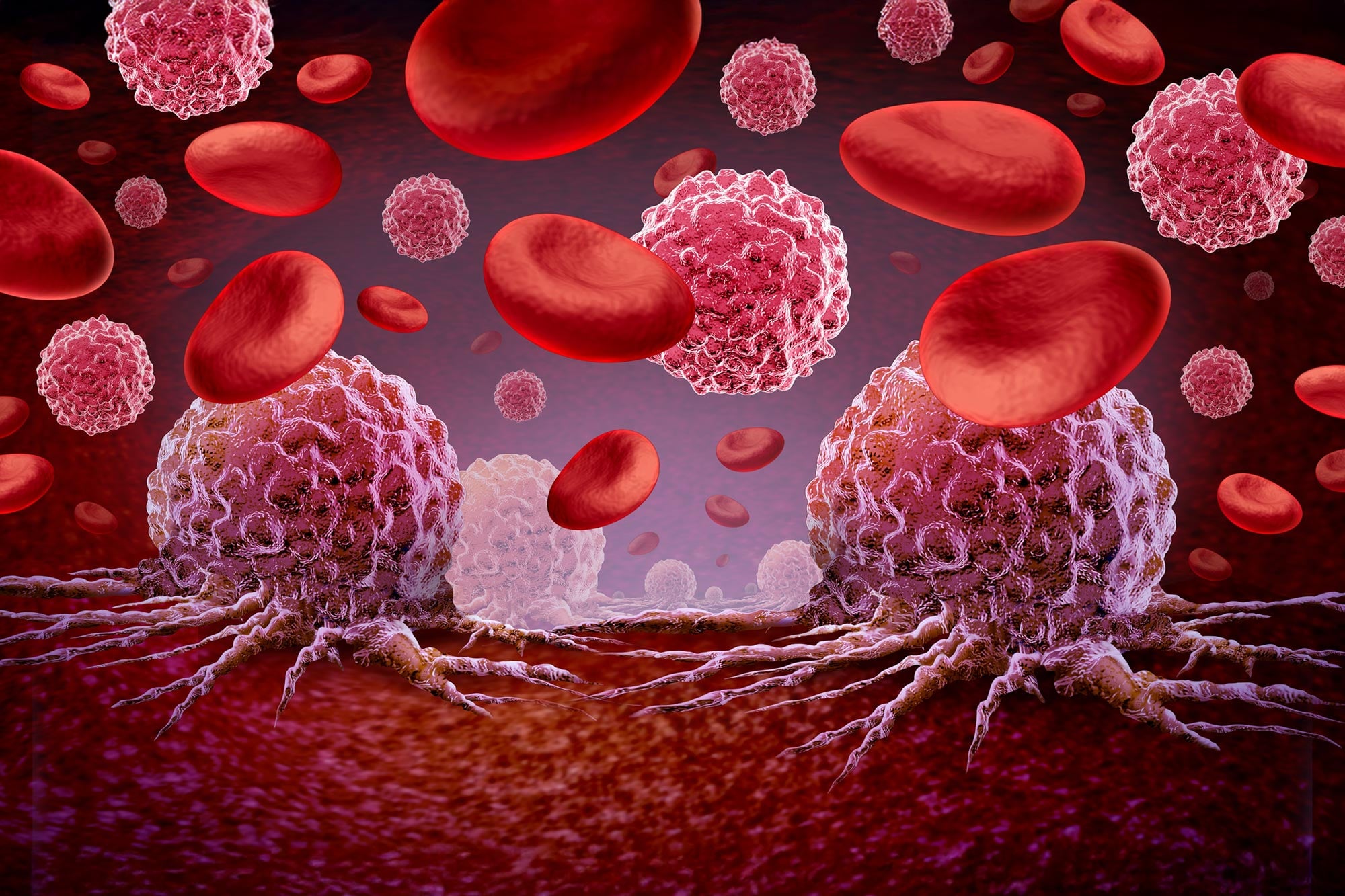
Researchers have tested a gene-edited stem cell transplant designed to shield healthy blood-forming cells from powerful cancer-targeting immunotherapies.
For patients with highly aggressive blood cancers, stem cell transplantation can offer a rare chance at a cure — but too often, the cancer returns even after the procedure.
Now, researchers at Washington University School of Medicine in St. Louis have reported encouraging results from a clinical trial designed to make these transplants safer and more effective. The study tested donor stem cells that were genetically engineered to remove a protein called CD33, a target commonly used in follow-up cancer therapies.
The researchers found that eliminating CD33 may help protect healthy cells from the toxic side effects of post-transplant treatments while still allowing those therapies to attack lingering cancer cells. The multi-center trial involved Siteman Cancer Center at Barnes-Jewish Hospital and WashU Medicine, along with 14 additional sites across the United States and Canada.
The findings, published in Nature Medicine, could open the door to more precise and durable treatments for patients facing some of the most difficult-to-treat blood cancers.
According to senior author John F. DiPersio, MD, PhD, this approach could help solve a major challenge facing CAR-T cell therapy. Although CAR-T treatments have shown success against some blood cancers, they have been far less effective against acute myeloid leukemia (AML) and myelodysplastic syndrome (MDS).
Why CAR-T Therapy Struggles Against AML and MDS
DiPersio explained that AML and MDS are difficult targets because the proteins CAR-T cells are designed to attack on cancer cells are also found on healthy myeloid cells, including donor stem cells used in treatment. As a result, the therapy can destroy healthy blood-forming cells along with cancer cells, increasing the risk of severe inflammation and other toxic side effects. It can also reduce the therapy’s effectiveness because many CAR-T cells end up attacking healthy cells instead of the cancer.
The idea behind the new strategy was first developed by Miriam Y. Kim, MD, now an assistant professor of medicine at WashU Medicine. Kim began the work as a postdoctoral researcher at the University of Pennsylvania and later continued the research in DiPersio’s laboratory before launching her own research program in oncology at WashU Medicine.
In the trial, patients with AML and MDS received donor stem cells that had CD33 removed before transplantation. Researchers hoped this would allow future CD33-targeted immunotherapies to attack only cancer cells while leaving healthy donor cells unharmed.
CRISPR Removal of CD33 May Protect Healthy Cells
“We are encouraged by the results of this study showing that a CD33-deleted stem cell transplant looks very similar to the outcomes of standard stem cell transplantation,” said DiPersio, who also directs WashU Medicine’s Center for Gene and Cellular Immunotherapy. “In the future, we are hopeful we will be able to combine this with CD33-targeted immunotherapies, such as CAR-T cells, and improve treatment options for patients with these very aggressive blood cancers.”
DiPersio and colleagues also described a separate case involving a patient with high-risk AML who received a CD33-deleted stem cell transplant and later underwent CD33-targeted CAR-T therapy after the cancer returned. The CAR-T treatment used T cells from the same donor who provided the stem cells.
The patient, who had an especially aggressive form of AML, achieved complete remission and remained cancer-free more than a year after CAR-T treatment. Blood cell production also returned to normal, and all blood cells lacked CD33, showing that the edited donor cells had successfully established themselves in the bone marrow. The case study was published in October 2025 in JCO Precision Oncology.
Researchers selected CD33 as a target because it is found mainly on blood-forming cells and not in other tissues. Previous evidence also suggests the protein is not essential for healthy blood stem cell function, since some people naturally lack CD33 without experiencing health problems.
Targeting Cancer Cells While Sparing Donor Stem Cells
After patients receive these edited stem cells, researchers believe that any cells still carrying CD33 should mainly be cancer cells. In theory, this would allow CAR-T cells or other CD33-targeted therapies to destroy the cancer while sparing healthy donor stem cells.
The phase 1/2 trial enrolled 30 adults with AML or MDS who faced a high risk of relapse. Before transplantation, donor stem cells were modified using CRISPR gene editing to remove CD33. The edited stem cell product, known as tremtelectogene empogeditemcel (trem-cel), was developed by Vor Biopharma, which also funded the study.
As part of the study, patients also received gemtuzumab ozogamicin, a maintenance therapy that targets CD33 after transplantation. Although it is not a CAR-T therapy, the treatment uses an engineered antibody linked to an anticancer drug.
Gemtuzumab ozogamicin is already approved by the Food and Drug Administration for CD33-positive AML and is being studied in clinical trials for CD33-positive MDS. Its use has been limited because it can damage the liver and severely reduce blood cell counts, including white blood cells, red blood cells, and platelets.
Clinical Trial Results Demonstrate Feasibility and Safety
All patients in the study achieved stem cell engraftment within 28 days, meaning the transplanted cells successfully settled in the bone marrow and began producing blood cells. Some patients recovered even sooner, with platelet counts returning in an average of 16 days. These recovery times were similar to those seen with standard stem cell transplants.
Average survival exceeded 14 months. Nineteen patients received at least one cycle of maintenance therapy during the dose escalation portion of the study, allowing researchers to determine a recommended dose. Patients maintained stable blood cell counts across all dose levels, suggesting the edited stem cells protected them from the dangerously low blood counts commonly associated with this therapy after standard transplantation.
Side effects were similar to those seen with conventional stem cell transplants and included anemia, low platelet counts, fever, infections, and graft-versus-host disease, a condition in which donor cells attack healthy tissue. Seven patients died during the study. Four deaths were linked to cancer progression, while three were related to transplant complications, including kidney failure, liver toxicity, and sepsis.
DiPersio said the findings provide a foundation for combining CD33-deleted stem cell transplants with CD33-targeted immunotherapies in ways that protect healthy donor cells during cancer treatment.
Reference: “CRISPR−Cas9 CD33-deleted allogeneic hematopoietic cell transplantation with gemtuzumab ozogamicin maintenance in AML: a phase 1/2 trial” by John F. DiPersio, Guenther Koehne, Nirali N. Shah, Léa Bernard, Hyung C. Suh, Divya Koura, Roni Tamari, Muhammad Umair Mushtaq, Joseph Maakaron, Joseph Rimando, Vanessa E. Kennedy, Sagar S. Patel, Chad Hudson, Michael R. Loken, Christopher A. Slapak, Deborah M. Lloyd, Darren A. Stanizzi, Melissa M. Lee-Sundlov, Sanjana Thosar, Guy Mundelboim, Guangwu Guo, Huanying Gary Ge, Bin E. Li, Juliana Xavier-Ferrucio, Sharon L. Hyzy, Michelle I. Lin, Glen D. Raffel and Brenda W. Cooper, 12 May 2026, Nature Medicine.
DOI: 10.1038/s41591-026-04362-1
This work was supported by Vor Biopharma. Several co-authors were employees of the company when the work was conducted.
Never miss a breakthrough: Join the SciTechDaily newsletter.
Follow us on Google and Google News.