
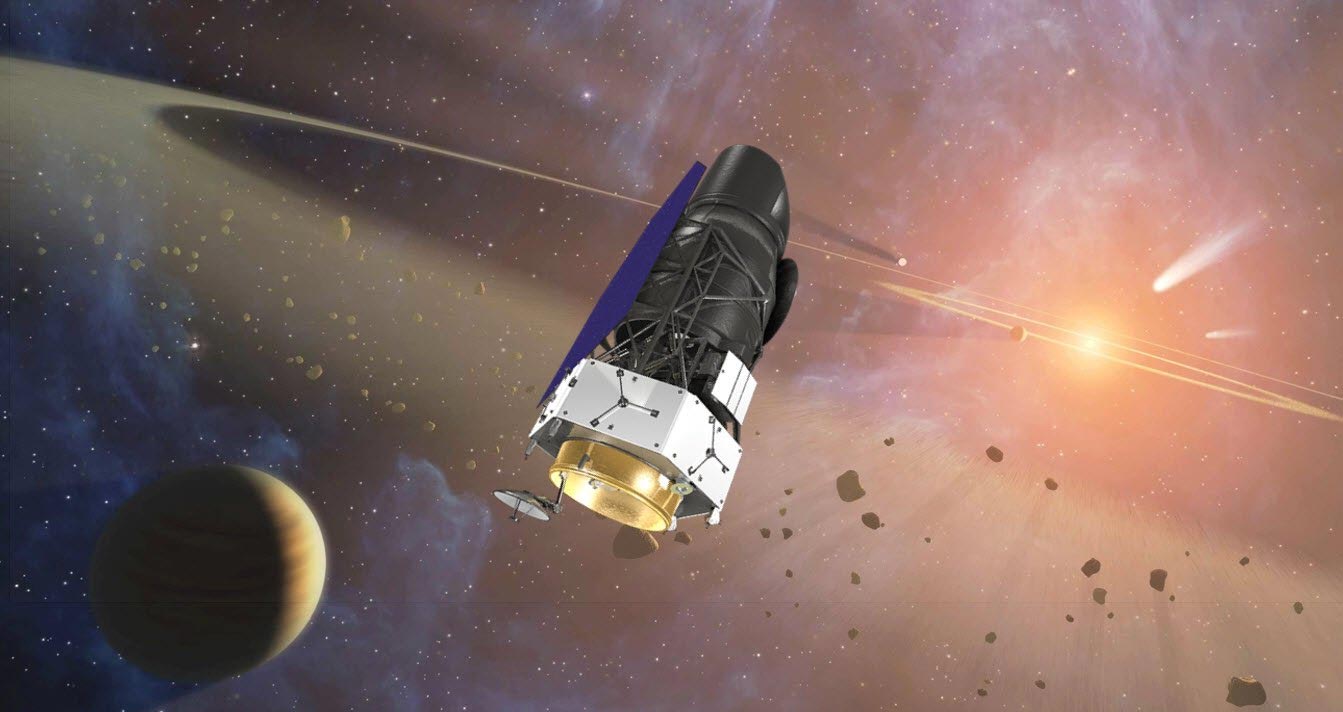
NASA’s Roman Space Telescope could soon begin an epic search for alien worlds, dark matter, and never-before-seen cosmic mysteries.
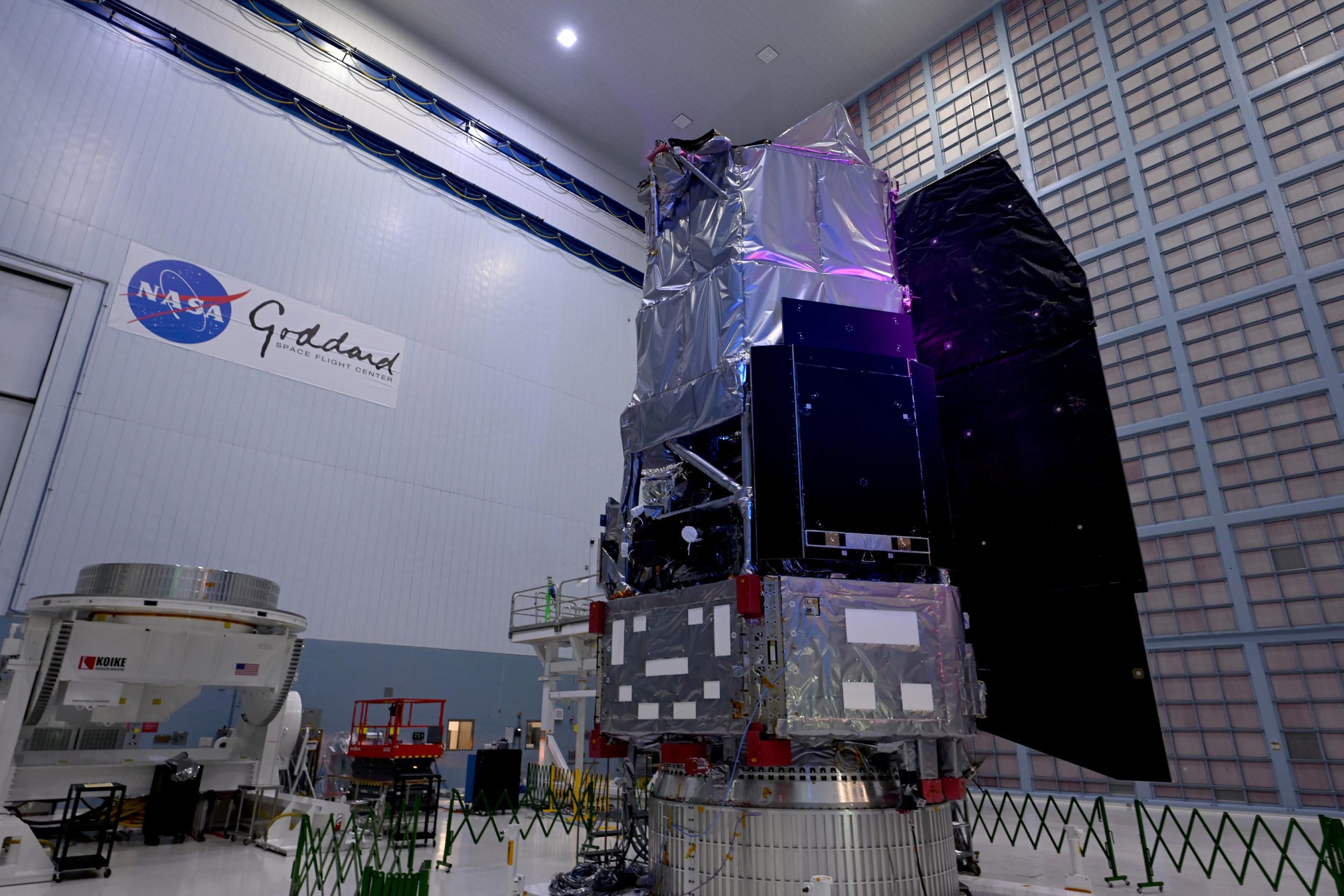
NASA says its Nancy Grace Roman Space Telescope could launch as early as September 2026, moving the mission ahead of the agency’s previous commitment to fly no later than May 2027.
“Roman’s accelerated development is a true success story of what we can achieve when public investment, institutional expertise, and private enterprise come together to take on the near-impossible missions that change the world,” NASA Administrator Jared Isaacman said during a news conference at NASA’s Goddard Space Flight Center in Greenbelt, Maryland.
Roman Space Telescope Mission Goals
The Roman Space Telescope is built to capture enormous sections of the sky with high-resolution infrared imaging. Its combination of a wide field of view and sensitive instruments will allow astronomers to study the universe on a scale that was previously difficult to achieve.
While the mission’s primary objectives include investigating dark energy, dark matter, and planets orbiting distant stars, scientists expect Roman to support research across many areas of astronomy. Its advanced capabilities could help researchers uncover unusual objects and cosmic events that have never been observed before.
Massive Cosmic Survey and Data Archive
During its planned five-year primary mission, Roman is expected to gather roughly 20,000 terabytes of scientific data. Researchers will use that information to study approximately 100,000 exoplanets, hundreds of millions of galaxies, and billions of stars.
Scientists also hope the telescope’s sweeping surveys of deep space will reveal rare and unexpected phenomena that could reshape understanding of the cosmos.
Launch Plans With SpaceX
NASA plans to send Roman into orbit aboard a SpaceX Falcon Heavy rocket from Launch Complex 39A at Kennedy Space Center in Florida. The agency and SpaceX will announce more details about the official launch date as preparations continue.
The Nancy Grace Roman Space Telescope mission is managed by NASA’s Goddard Space Flight Center. The project also includes contributions from NASA’s Jet Propulsion Laboratory, Caltech/IPAC in Southern California, the Space Telescope Science Institute (STScI) in Baltimore, and researchers from several scientific institutions.
Never miss a breakthrough: Join the SciTechDaily newsletter.
Follow us on Google and Google News.