
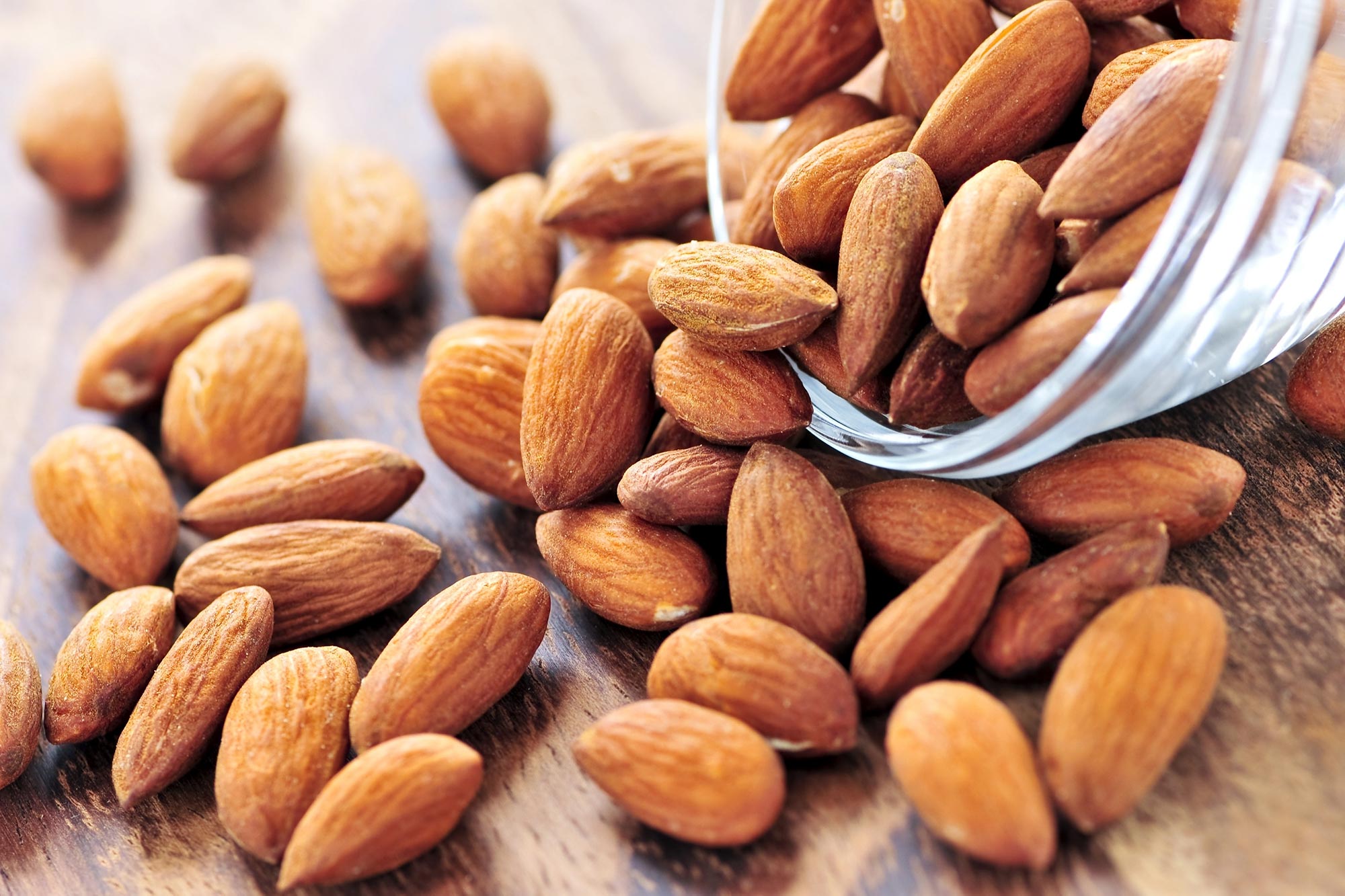
A new feeding study suggests that replacing common processed snacks with a daily serving of almonds may do more than improve nutrition.
Replacing typical Western-style snacks with a daily serving of almonds may improve gut bacteria, lower several inflammatory signals, and increase hormones linked to fullness, according to a new controlled feeding study.
The research focused on 15 adults with overweight or obesity who completed two four-week diet periods. In one, they ate an average American diet with calorie-matched snacks such as refined grains, butter, and cheese. In the other, they ate a similar diet that included 42.5 grams of almonds per day, or about 1.5 ounces.
Because the diets contained similar calories, the study tested the effect of changing snack quality rather than simply adding more food.
Almonds and the Gut Microbiome
Researchers found that almond snacking increased Faecalibacterium prausnitzii, a beneficial gut bacterium known for producing butyrate, a compound that helps nourish the colon lining and may support lower inflammation. Several bacteria linked with less favorable gut patterns declined during the almond period.
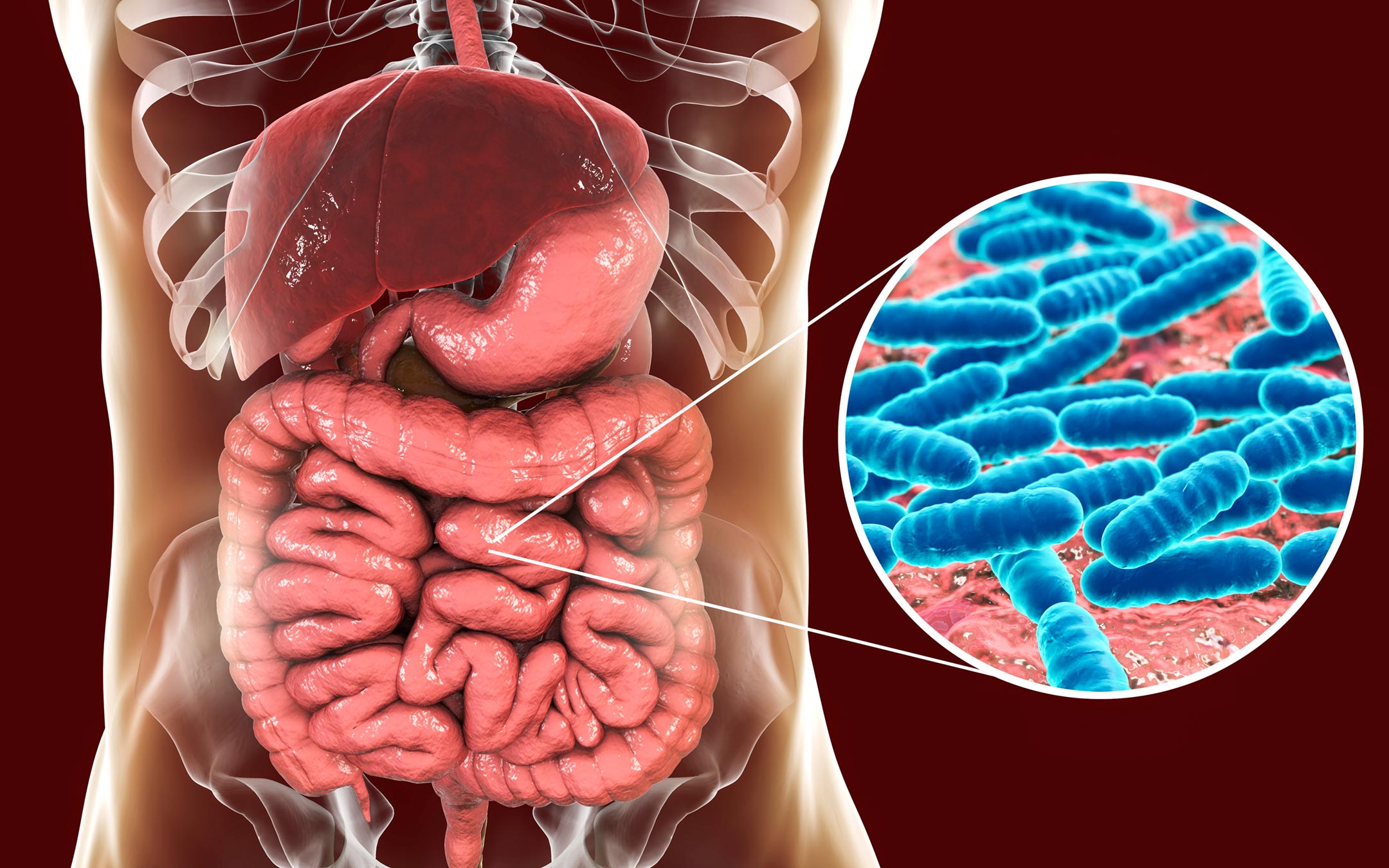
The almonds did not dramatically change overall gut diversity, but the results suggest a more targeted shift in the gut ecosystem in which specific beneficial microbes gained ground.
The study also found changes in stool chemistry, with almond intake increasing plant-derived sugars such as xylose and arabinose from almond cell walls that can serve as fuel for gut microbes. At the same time, several amino acids decreased in stool, which may indicate that gut bacteria were using them more actively.
Metabolism and Inflammation Changes
Blood samples revealed another notable effect: levels of 3-hydroxybutyrate, a ketone produced during fat metabolism, increased after the almond diet. The researchers described this as a mild “ketosis-like” effect, although it was not comparable to the metabolic state produced by a strict ketogenic diet.
Inflammation-related markers also changed. Several immune signals, including TNF-α and IL-1β, were lower after the almond phase. Although the immune-related changes were not entirely consistent in one direction, the overall pattern suggested that almonds may help reduce some inflammatory activity linked to excess weight and metabolic stress.
Appetite hormones changed as well. GLP-1, a hormone involved in blood sugar control and satiety, increased after almond snacking compared with the average American diet. Peptide YY, another fullness-related hormone, also rose.

Study Limits and Broader Implications
The study has important limits. Only 15 participants were included in the final analysis, and the trial lasted four weeks per diet period. Larger and longer studies are needed to confirm whether the same changes occur across broader populations and whether the effects last over time.
The results also do not mean people should add unlimited almonds to an already calorie-heavy diet. Nuts are nutrient-dense but also calorie-dense.
For people looking for a simple snack upgrade, the research suggests that a daily handful of almonds could influence the gut, immune system, metabolism, and appetite signals at the same time.
Reference: “Almond snacking modulates gut microbiome and metabolome in association with improved cardiometabolic and inflammatory markers” by Gwoncheol Park, Katelyn Johnson, Katelyn Miller, Saurabh Kadyan, Saiful Singar, Cole Patoine, Fuhua Hao, Yujin Lee, Andrew D. Patterson, Bahram Arjmandi, Penny M. Kris-Etherton, Claire E. Berryman and Ravinder Nagpal, 20 March 2025, npj Science of Food.
DOI: 10.1038/s41538-025-00403-0
The research was supported by funding from the Almond Board of California (ABC; ECP-Nagpal-NR-001) to RN. The findings in this publication have not been formally disseminated by the funders and should not be construed to represent any agency determination or policy.
Never miss a breakthrough: Join the SciTechDaily newsletter.
Follow us on Google and Google News.
2 Comments
Is this only for almonds, or do pecans, cashews, pine nuts, pistachios etc. do the same sort of thing?
Pistachios and pumpkin seeds cashews and walnuts are also good for you as well as chia seeds