
Studies in Mice Show Fat Location Matters for Intermittent Fasting
In a mouse study, Australian researchers have mapped out what happens behind the scenes in fat tissue during intermittent fasting, showing that it triggers a cascade of dramatic changes, depending on the type of fat deposits and where they are located around the body.
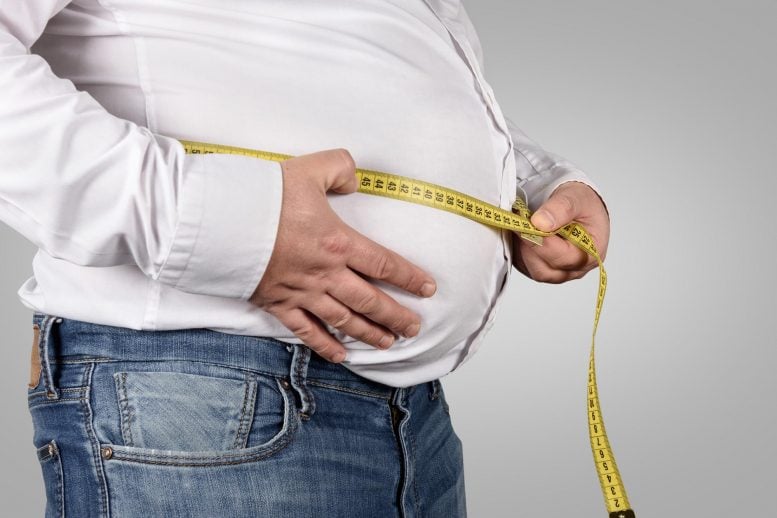
Using state-of-the-art instruments, University of Sydney researchers discovered that fat around the stomach, which can accumulate into a ‘protruding tummy’ in humans, was found to go into ‘preservation mode’, adapting over time and becoming more resistant to weight loss.
The findings are published today (March 2, 2021) in Cell Reports.
A research team led by Dr. Mark Larance examined fat tissue types from different locations to understand their role during every-other-day fasting, where no food was consumed on alternate days.
The fat types where changes were found included visceral “belly” fat, which is fat tissue surrounding our organs including the stomach, and subcutaneous fat, which lies just under the skin and is associated with better metabolic health.
“While most people would think that all fat tissue is the same, in fact, the location makes a big difference,” said senior author Dr. Larance from the Charles Perkins Centre and School of Life and Environmental Sciences at the University of Sydney.
“Our data show both visceral and subcutaneous fat undergo dramatic changes during intermittent fasting,” said Dr. Larance, who is also a Cancer Institute of NSW Future Research Fellow.
Why Visceral Fat Can Be Resistant to Weight Loss
During fasting, fat tissue provides energy to the rest of the body by releasing fatty acid molecules. However, the researchers found visceral fat became resistant to this release of fatty acids during fasting.
There were also signs that visceral and subcutaneous fat increased their ability to store energy as fat, likely to rapidly rebuild the fat store before the next fasting period.
Dr. Larance said it was possible that a history of repeated fasting periods triggered a preservation signaling pathway in visceral fat.
“This suggests the visceral fat can adapt to repeated fasting bouts and protect its energy store,” he said. “This type of adaptation may be the reason why visceral fat can be resistant to weight loss after long periods of dieting.”
Dr. Larance said using a mouse model was a useful analog ahead of studies in humans.
“Mouse physiology is similar to humans, but their metabolism is much faster, allowing us to observe changes more rapidly than in human trials, and examine tissues difficult to sample in humans,” he said.
Future research in mice and humans could uncover the mechanisms by which this resistance occurs and also which types of diet and other interventions may be best at tackling belly fat.
Mapping Out the Inner Workings of Fat Deposits
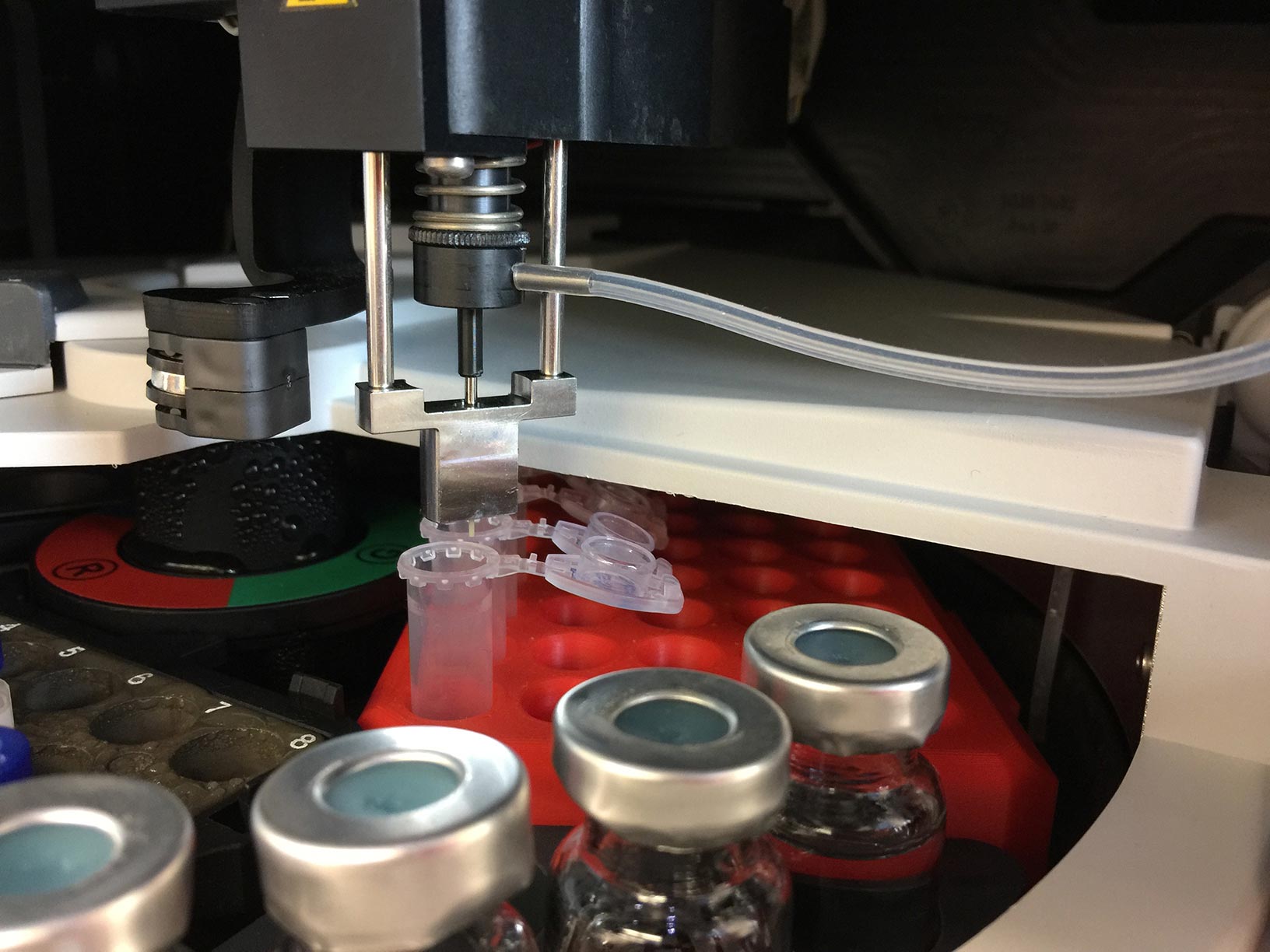
The research team examined more than 8500 proteins located in fat deposits, creating a catalog of changes that occurred during intermittent fasting, using a technique called proteomics.
Proteomics — the study of all proteins — a relatively new area of study that takes its name from genomics (the study of all genes), monitors how proteins react under certain conditions, which in this case is intermittent fasting.
The results provide a rich source of data that helps to paint a more complete picture of the inner workings of fat tissue.

It was via proteomics that the research team were alerted of major cellular changes caused by intermittent fasting and, after further analysis, highlighted the visceral fat’s preservation mechanism in action.
The study was conducted using the instruments of the Sydney Mass Spectrometry in the Charles Perkins Centre, part of the University of Sydney’s Core Research Facilities.
Dr. Larance says it should be noted that findings from the intermittent study may not apply to different diet regimes such as the 5:2 diet (fasting 2 days out of 7) or calorie restriction, which is common in people wanting to lose weight.
The results lay the foundation for future studies, which will dissect the molecules responsible for why visceral fat is resistant to energy release during fasting, and help determine what diet plans would be most beneficial for metabolic health.
“This sort of research has been enabled by these new instruments that allow us to ‘look beyond the streetlight’ — it’s hypothesis generating; we knew we would find something but we didn’t know what,” Dr. Larance explained.
“Now that we’ve shown ‘belly fat’ in mice is resistant to this diet, the big question will be to answer why, and how do we best tackle it?”
Reference: “Proteomics analysis of adipose depots after intermittent fasting reveals visceral fat preservation mechanisms” by Dylan J. Harney, Michelle Cielesh, Renee Chu, Kristen C. Cooke, David E. James, Jacqueline Stöckli and Mark Larance, 2 March 2021, Cell Reports.
DOI: 10.1016/j.celrep.2021.108804
Never miss a breakthrough: Join the SciTechDaily newsletter.
Follow us on Google and Google News.
1 Comment
Well my belly fat definitely isn’t resistant to IF. Never been easier to lose it.