
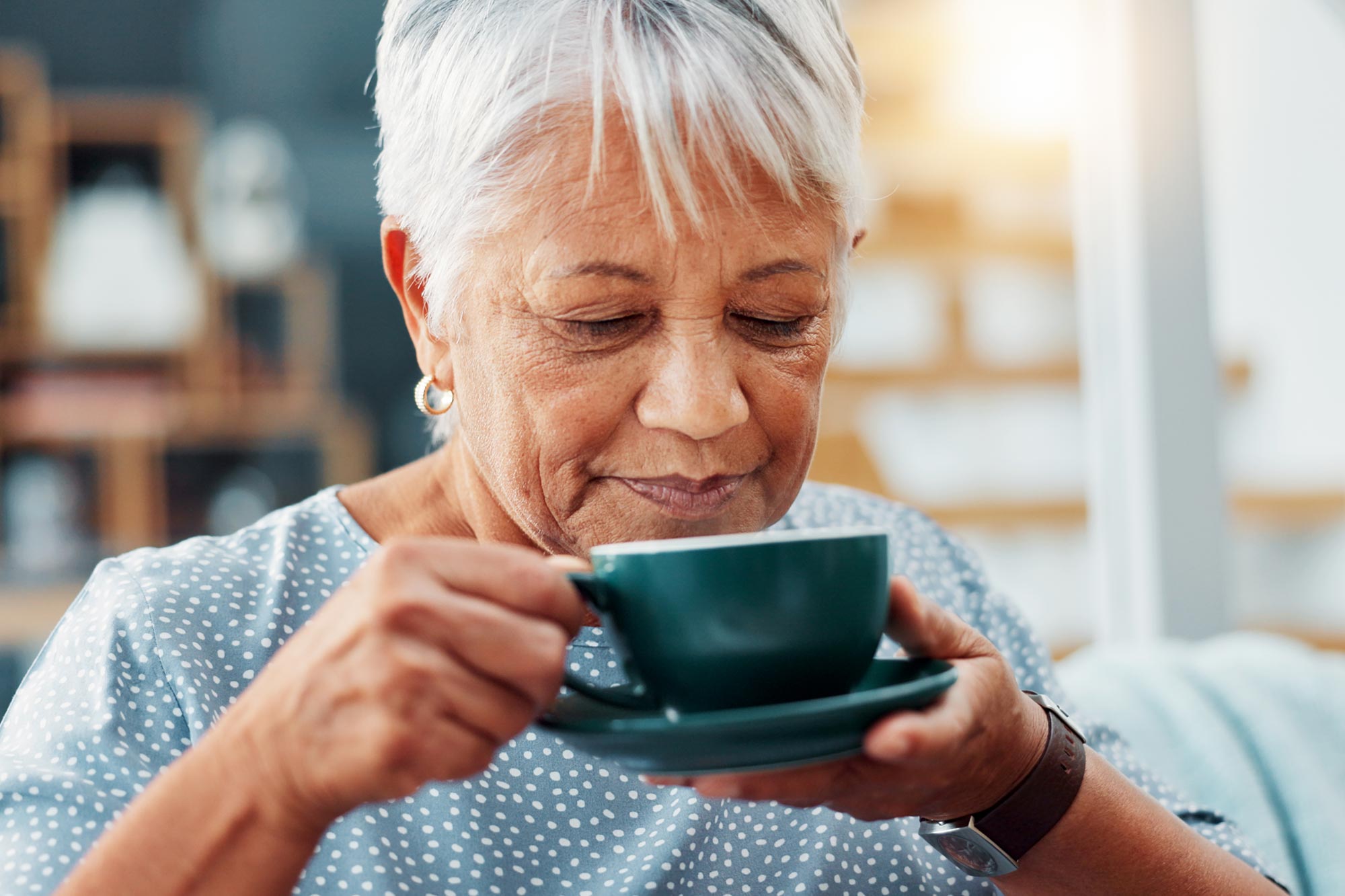
A large osteoporosis study found that tea and coffee may affect aging bones differently.
Could your daily drink be quietly affecting your bones? A major 10-year study of nearly 10,000 older women suggests the answer may depend on whether your cup contains tea or coffee.
Researchers from Flinders University found that tea drinkers had slightly stronger hip bones than women who did not drink tea, while heavy coffee consumption, more than five cups a day, was linked to lower bone mineral density (BMD). The findings, published in Nutrients, add new detail to a long-running debate over whether caffeine helps, harms, or has little effect on aging bones.
The study focused on postmenopausal women, a group especially vulnerable to osteoporosis because bone loss accelerates after menopause. Osteoporosis affects roughly one in three women over 50 worldwide and is responsible for millions of fractures each year, particularly in the hip and spine. Hip fractures can be especially serious in older adults, often leading to long recovery periods, reduced mobility, and increased health risks.
To investigate the connection, scientists analyzed data from the long-running Study of Osteoporotic Fractures in the United States. The research followed women aged 65 and older for about a decade, repeatedly tracking both their beverage habits and bone density measurements at the hip and femoral neck, one of the most fracture-prone parts of the body.
Tracking Tea, Coffee, and Bone Density Over Time
Unlike many earlier studies that relied on a single dietary survey, this project repeatedly measured coffee intake, tea intake, and bone density over time. Researchers used dual-energy X-ray absorptiometry, or DXA scans, the standard imaging method used to diagnose osteoporosis.
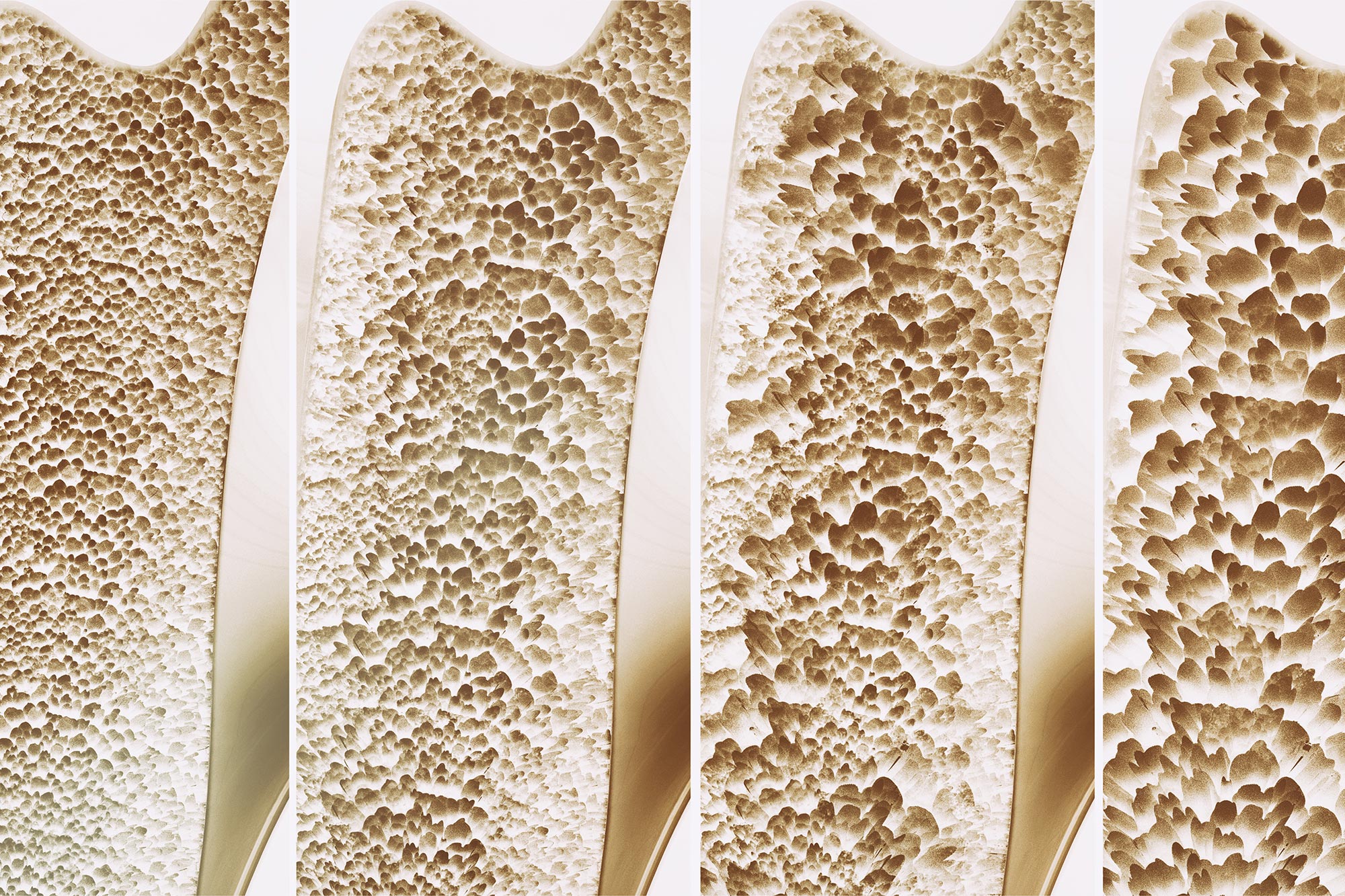
The results showed a modest but statistically meaningful benefit among tea drinkers. Women who regularly drank tea had slightly higher total hip BMD than non-tea drinkers.
“Even small improvements in bone density can translate into fewer fractures across large groups,” said Adjunct Associate Professor Enwu Liu from Flinders University’s College of Medicine and Public Health.
The improvement was small at the individual level, about 0.003 g/cm², but researchers note that even subtle shifts across an entire population could reduce fracture rates over time.
Coffee’s More Complicated Role
Coffee painted a more complicated picture.
Moderate intake, around two to three cups daily, showed no measurable harm to bone health. But when consumption climbed above five cups per day, researchers began to see signs of lower bone density.
“Coffee’s caffeine content, by contrast, has been shown in laboratory studies to interfere with calcium absorption and bone metabolism, though these effects are small and can be offset by adding milk,” said co-author Ryan Liu from Flinders University.
Scientists have debated caffeine’s effects on bones for decades. Some earlier studies linked high coffee consumption to increased fracture risk, while others found little or no impact. Researchers say part of the confusion may come from differences in diet, calcium intake, genetics, and lifestyle factors such as exercise and alcohol use.
In the new study, alcohol appeared to matter. Women with higher lifetime alcohol consumption showed stronger negative associations between coffee and bone density. Meanwhile, tea appeared particularly beneficial among women with obesity.
A Small Piece of the Osteoporosis Puzzle
The researchers caution that the findings should not be interpreted as a reason to quit coffee altogether.
“Our results don’t mean you need to give up coffee or start drinking tea by the gallon,” said Associate Professor Liu.
“But they do suggest that moderate tea consumption could be one simple way to support bone health, and that very high coffee intake might not be ideal, especially for women who drink alcohol.”
The researchers also emphasized that coffee and tea are only small pieces of a much larger bone health picture. Calcium, vitamin D, resistance exercise, and avoiding smoking remain far more important factors in preventing osteoporosis.
The study does have limitations. Most participants were White women living in the United States, meaning the findings may not apply equally to other populations. Beverage intake was also self-reported, and researchers could not account for details such as cup size, brewing strength, or specialty coffee drinks. Still, experts say the study stands out because of its size and long follow-up period.
Reference: “Longitudinal Association of Coffee and Tea Consumption with Bone Mineral Density in Older Women: A 10-Year Repeated-Measures Analysis in the Study of Osteoporotic Fractures” by Ryan Yan Liu and Enwu Liu, 22 November 2025, Nutrients.
DOI: 10.3390/nu17233660
Never miss a breakthrough: Join the SciTechDaily newsletter.
Follow us on Google and Google News.