
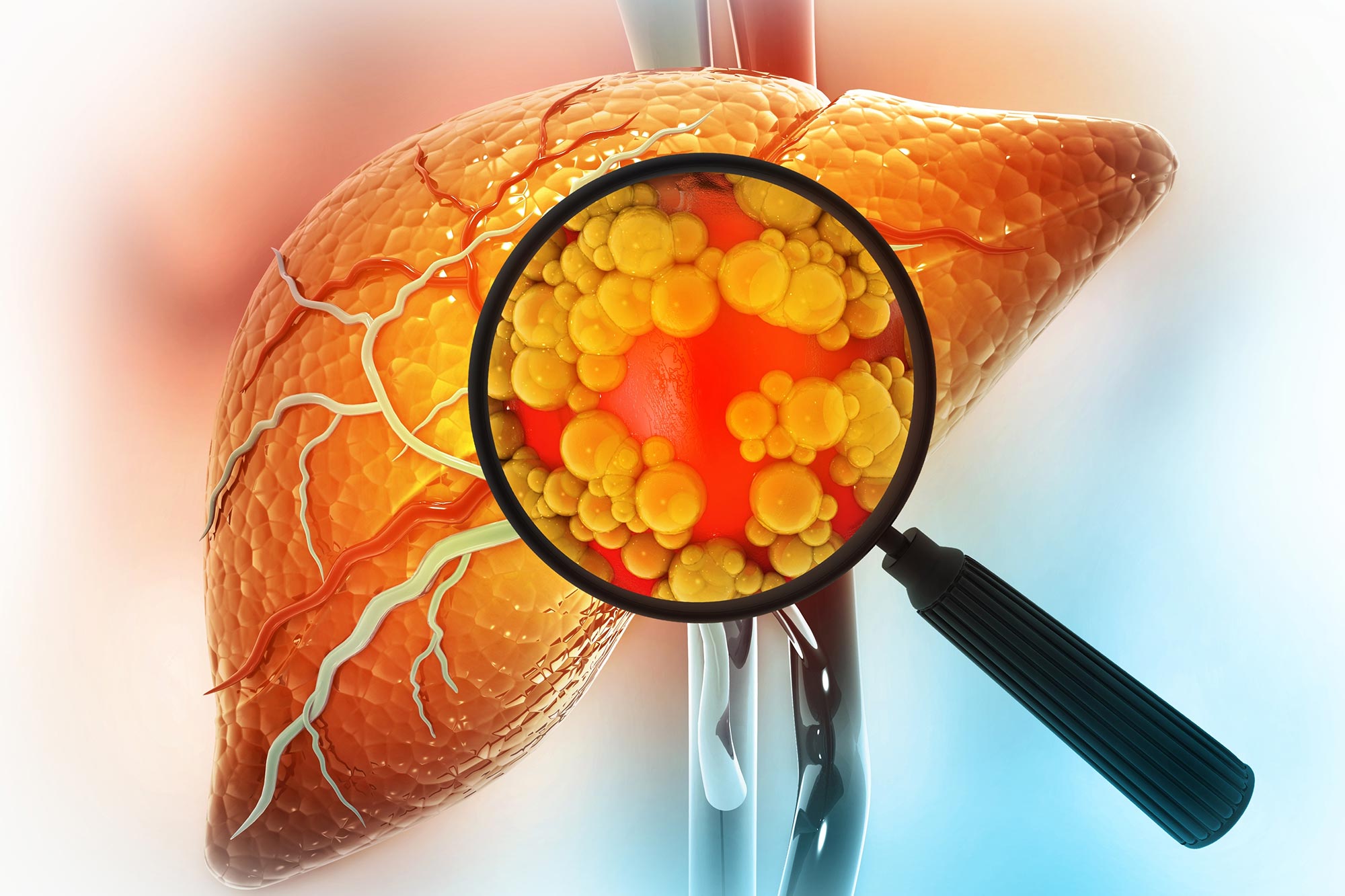
An asthma drug called formoterol may help reverse MASH-related liver damage, prompting new clinical trials after promising results in mice and observational human studies.
Researchers at the Medical University of South Carolina are investigating new ways to treat MASH, or metabolic dysfunction-associated steatohepatitis, a serious liver disease that affects hundreds of millions of people worldwide. The condition is also one of the leading reasons for liver transplants, but treatment options are still limited.
A new study published in npj Metabolic Health and Disease points to a possible new approach using formoterol, a medication commonly prescribed for asthma and chronic obstructive pulmonary disease (COPD). Formoterol is a beta-2 adrenergic receptor agonist that has been used for decades to help open the airways.
The discovery began unexpectedly during kidney disease research. Scientists were testing formoterol in mouse models of diabetic kidney injury to see whether it could reduce damage linked to diabetes. Those experiments, published in the American Journal of Physiology, Renal Physiology in 2024, produced another surprising result: mice treated with the drug also showed less fat buildup in the liver.
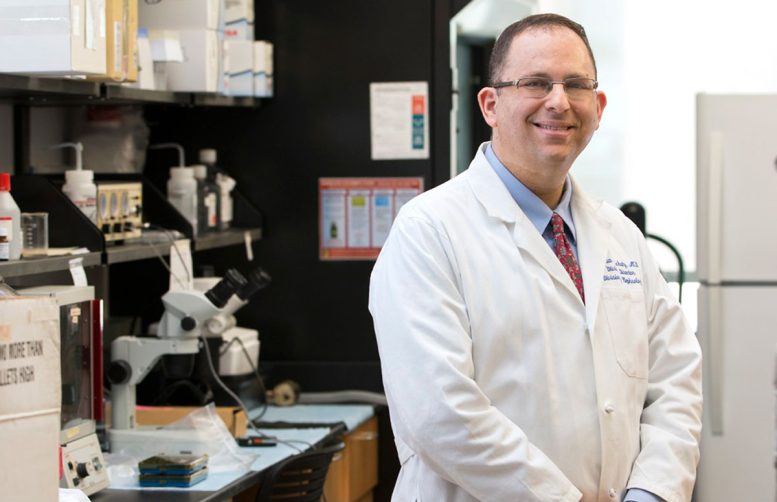
“Kind of unexpectedly, we found that the liver damage also reversed,” said Joshua Lipschutz, M.D., division director of nephrology and the Arthur Williams Endowed Chair in Nephrology. He is also the author of the study, conducted in collaboration with Jessica Hartman, Ph.D., and Don Rockey, M.D., at MUSC. Brennan Winkler, a Ph.D. student from the Lipschutz Lab, and Kristina Stayer, a Ph.D. student from the Hartman Lab, were co-first authors.
Formoterol Reverses Fatty Liver Damage in Mice
The unexpected finding led researchers to investigate whether the same beta-2 signaling pathway could affect metabolic disease in multiple organs, particularly the liver.
To explore that question, the team used mice fed a high-fat diet designed to model MASH. In the follow-up experiments, formoterol treatment was linked to the reversal of fatty liver disease.
“This actually reversed the pathology on multiple different levels,” said Lipschutz.
Researchers also examined the biological mechanisms behind the effect. Their findings suggest the drug may alter how cells generate and use energy.
Mitochondria May Hold the Key
“It looked like formoterol was rescuing the injury by increasing mitochondrial biogenesis,” he explained. “It kind of revs up the mitochondria so they work better.”
The team also reviewed real-world patient data from people already taking beta-2 agonists for respiratory illnesses. That retrospective analysis found the drugs were associated with lower rates of severe liver-related complications, including cirrhosis and all-cause mortality.
MASH is an advanced form of fatty liver disease in which fat accumulation triggers ongoing liver injury. Over time, it can progress to fibrosis, cirrhosis, liver failure, and the need for transplantation. Rates of MASH are increasing worldwide alongside obesity and type 2 diabetes, making it a growing public health concern.
“At the time we started the study, there were no drugs approved to treat MASH,” said Lipschutz.
Existing Treatments Remain Limited
Two therapies, resmetirom and semaglutide, are now approved for treatment. However, they offer only moderate benefits and can cause side effects.
“All the current drugs for diabetic nephropathy only slow progression, but they don’t reverse the damage. This drug actually reversed the damage at the histologic, ultrastructural, and functional levels,” noted Lipschutz.
Because formoterol is already widely used for asthma and COPD, it has a well-established safety profile. Researchers say that if its metabolic benefits are confirmed in humans, the drug could move through development and testing more quickly than an entirely new therapy.
“If you can repurpose something that’s approved and already being used safely, that’s kind of our dream as physician-scientists,” he said.
Clinical Trials Aim to Confirm Human Benefits
Although the study focused on MASH, Lipschutz’s current clinical trial is enrolling patients with diabetic kidney disease. Since more than 60% of people with diabetic nephropathy also have MASH, the trial may help researchers evaluate the drug’s effects on both diseases, which share the same underlying metabolic dysfunction and are among the most dangerous complications of diabetes.
“So it is a two-for-one study,” he said.
Lipschutz said existing data from both conditions helped support moving forward with additional research. “In both cases, there were human retrospective data suggesting that this could be working.”
Several key questions still need answers before formoterol could become a treatment for MASH or diabetic kidney disease. Most of the current liver findings come from mouse studies, while the human data only shows associations rather than direct proof of cause and effect.
Key Questions Still Need Answers
“Not everything that works in mice works in humans,” Lipschutz pointed out.
Researchers also need to determine the most effective dose for metabolic disease, whether inhaled delivery can adequately affect the liver or kidneys in people, and how long any benefits may last.
“No drug is completely safe. I always say to my patients, ‘Anything strong enough to do good can do bad,’” said Lipschutz.
Researchers Explore New Use for Common Asthma Medication
The ongoing clinical trial is designed to begin addressing those questions. If the results are positive, researchers believe formoterol could eventually become a new treatment option for both diabetic kidney disease and MASH.
“If you could be treating them with a repurposed, relatively safe, inexpensive drug, that could be a really good thing,” he added.
For now, the findings suggest that a long-established asthma drug could hold unexpected promise as a treatment for metabolic disease, showing how discoveries in one field of research can lead to breakthroughs in another.
Reference: “Beta 2 adrenergic receptor agonists as a treatment for metabolic dysfunction-associated steatohepatitis (MASH)” by Brennan S. Winkler, Kristina M. Stayer, Abhinav K. Rao, Ehtesham Arif, Tsultrim T. Mendenhall, Kristy L. Thomas, Kylie R. Driggers, Xiaofeng Zuo, Wayne Fitzgibbon, Peifeng Deng, Yanhui Su, Yujing Dang, Marie Gerges, Daniel Kagan, Vishwajeeth Pasham, Bethany Wolf, Don C. Rockey, Jessica H. Hartman and Joshua H. Lipschutz, 25 March 2026, npj Metabolic Health and Disease.
DOI: 10.1038/s44324-026-00108-2
This study was funded by the Department of Veterans’ Affairs, Department of Veterans’ Affairs, Department of Veterans’ Affairs, NIH/National Institutes of Health, NIH/National Institutes of Health, NIH/National Institutes of Health, and NIH/National Institutes of Health.
Never miss a breakthrough: Join the SciTechDaily newsletter.
Follow us on Google and Google News.
1 Comment
Is this something to ask your physician about before the drug is approved to treat this condition?