
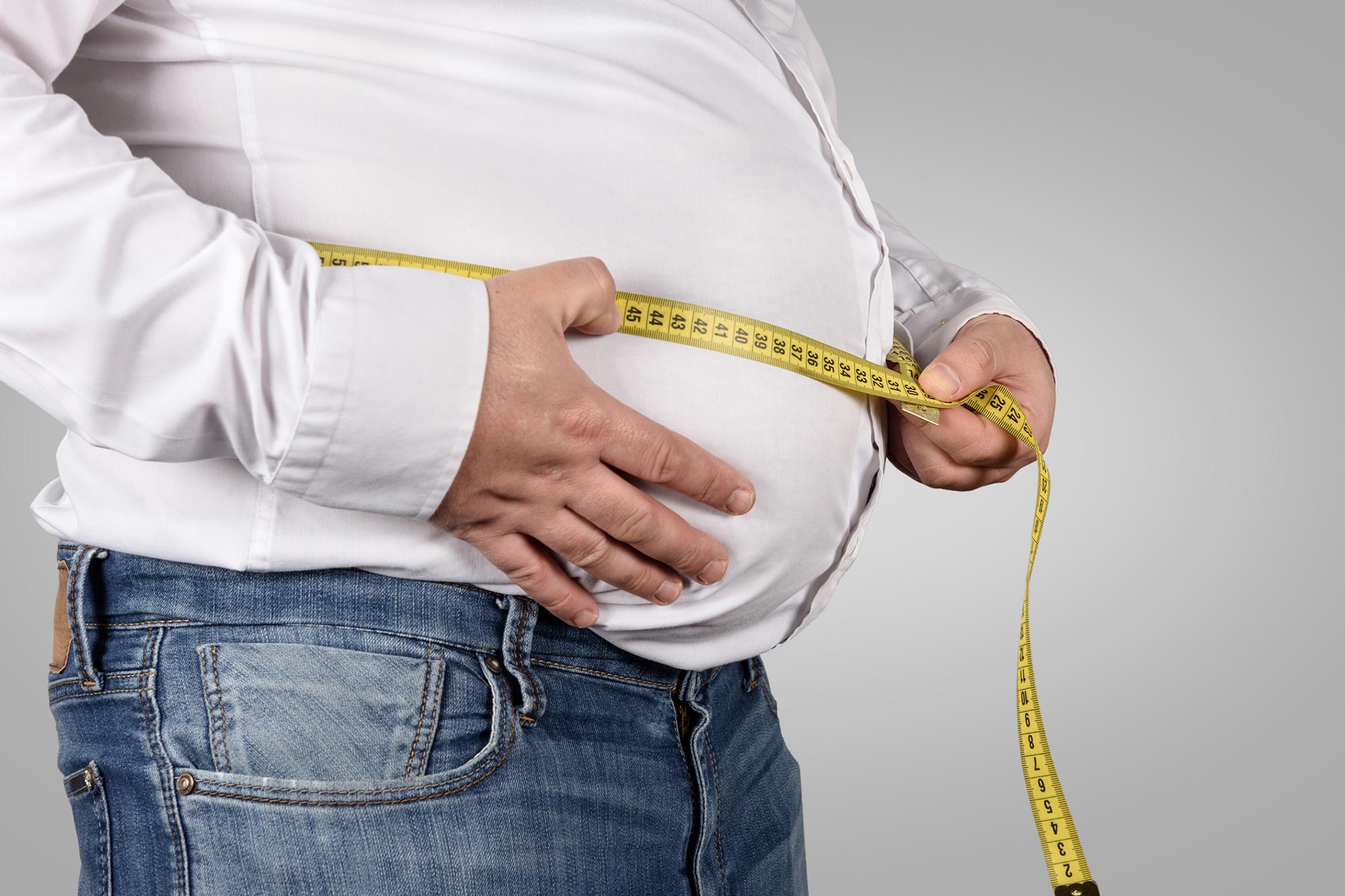
Once-weekly interval walking may be as effective as exercising three times weekly for reducing body fat and improving fitness in adults with central obesity.
A new study suggests that getting fit may not require squeezing in workouts several times a week after all.
Researchers at the School of Public Health at the LKS Faculty of Medicine of the University of Hong Kong (HKUMed) found that brisk interval walking performed just once weekly can reduce body fat and improve cardiorespiratory fitness in adults with central obesity as effectively as the standard recommendation of exercising three times a week.
The findings, published in Nature Communications, point to a more time-efficient approach to exercise that could make structured physical activity easier to maintain for people with demanding schedules.
Obesity is a chronic condition caused by excess body fat that can harm health. Fat stored around the abdomen is especially linked to serious health problems, including cardiovascular disease, metabolic disorders, and a higher risk of death. Although exercise plays a major role in managing obesity, many people, particularly those with obesity, find it difficult to stay physically active long term.
Why Interval Training Works for Fat Loss
Interval training alternates short periods of intense exercise with lower-intensity recovery periods. Compared with steady moderate-intensity exercise, it is considered a more time-efficient way to reduce overall and visceral body fat.
Current exercise guidelines usually recommend interval training three times per week, but that schedule may not work for people with limited free time or access to fitness facilities. Earlier studies suggested that “weekend warrior” exercise patterns, where activity is concentrated into one or two days, can still provide health benefits. However, evidence supporting interval training in this format has been limited.
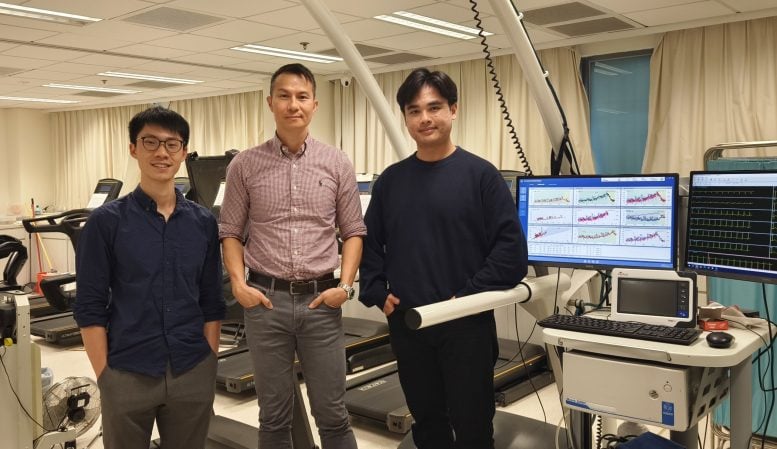
Professor Parco Siu Ming-fai, Professor and Head of the Division of Kinesiology at HKUMed’s School of Public Health, said it was important to determine whether once-weekly interval training could match the effectiveness of the more traditional three-times-weekly approach.
Clinical Trial Tested Once-Weekly Exercise
From September 2021 to September 2024, researchers conducted a clinical trial in Hong Kong involving 315 Chinese adults aged 18 and older who were overweight and had central obesity. Participants were randomly divided into three groups: once-weekly interval training, thrice-weekly interval training, and a control group.
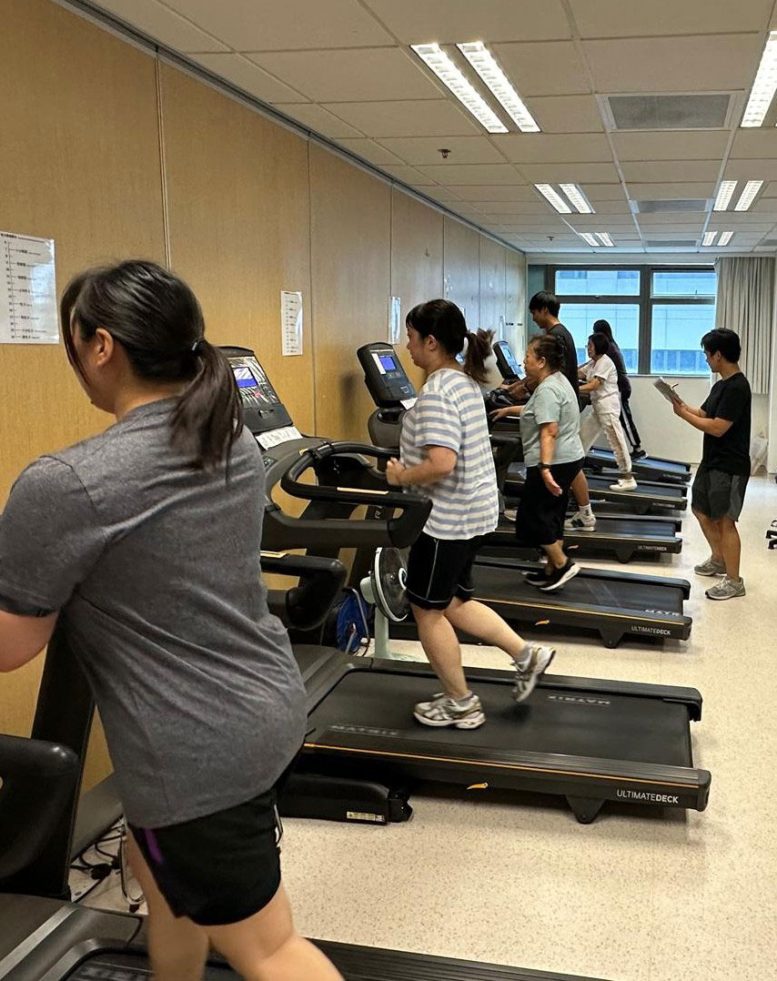
The control group attended a 2.5-hour health education session every two weeks over a four-month period. The interval training groups performed a total of 75 minutes of interval training per week, either in a single session or divided into three sessions. The participants’ body fat mass was measured using dual-energy X-ray absorptiometry at three assessment points: before the intervention (baseline), at 16 weeks (post-intervention), and at 32 weeks (four-month post-intervention follow-up).
After 16 weeks, both exercise groups showed similar reductions in excess body fat, including improvements in total fat mass, body fat percentage, and waist circumference. Both groups also experienced better cardiorespiratory fitness compared with the control group.
Study Suggests Flexible Fitness Alternative
“While thrice-weekly interval training remains a commonly recommended approach for the therapeutic management of excess adiposity, our findings show that once-weekly interval training offers similar benefits and represents a practical exercise strategy,” said Professor Siu. “For many adults with central obesity who struggle to balance work, study, family, and other commitments, time constraints are a primary barrier to exercising multiple days per week.”
“Instead of relying solely on high‑frequency exercise prescriptions, once‑weekly interval training can be considered a feasible and effective alternative,” added Professor Siu.
Reference: “Once and thrice weekly interval training in adults with central obesity: a randomized controlled trial” by Parco M. Siu, Chit K. Leung, Joshua D. K. Bernal, Angus P. Yu, Francesco Recchia, Bjorn T. Tam, Daniel Y. T. Fong, Derwin K. C. Chan, Heidi H. Ngai, Chi H. Lee, Patrick S. H. Yung, Stephen H. S. Wong and Martin Gibala, 10 January 2026, Nature Communications.
DOI: 10.1038/s41467-025-68149-7
The research was supported by the General Research Fund of the Research Grants Council, the University Grants Committee of Hong Kong, China, and the Seed Fund for Basic Research, HKU.
Never miss a breakthrough: Join the SciTechDaily newsletter.
Follow us on Google and Google News.
5 Comments
How stupid must one be to believe this BS!
Not half as stupid as you.
I believe this BS.
So one 75 minute interval session per week involving walking is going to be effective at losing weight? Good luck with that.
High intensity interval training (HIIT), even with walking, isn’t the same as casual walking. HIIT involves exercising near you max heart rate for a few minutes at a time. For those people who are extremely out of shape, walking at a quick pace can elevate their heart rate near maximum. Again, elevating your heart rate near maximum for several minutes then resting is how HIIT is done. If you walk at a pace that never raises your heart rate near maximum for several minutes at a time, then it’s not considered HIIT.