
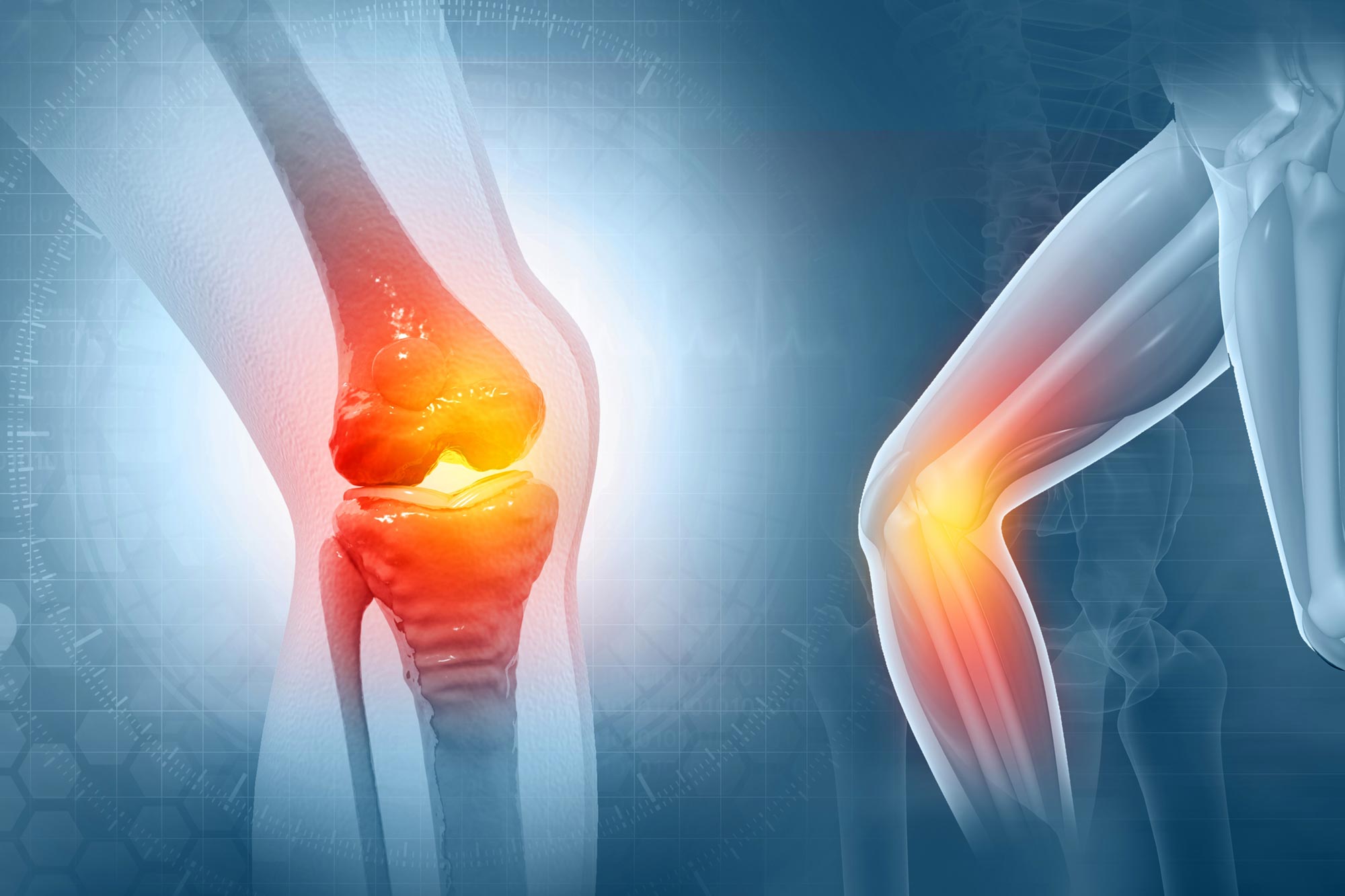
Experimental osteoarthritis therapies repaired damaged joints in animals and may enter clinical trials within 18 months.
A new experimental treatment may one day allow arthritic joints to heal themselves — without major surgery. In animal studies, researchers successfully regenerated damaged cartilage and restored aging joints to a healthy state within just weeks.
The breakthrough therapies include a single regenerative injection that delivers healing bursts of medicine over time and a biomaterial repair system designed to recruit the body’s own cells to rebuild damaged cartilage and bone.
The findings were promising enough that the Advanced Research Projects Agency for Health (ARPA-H) announced that the research will advance to the next phase of a project worth up to $33.5 million. The effort is part of ARPA-H’s Novel Innovations for Tissue Regeneration in Osteoarthritis (NITRO) program, led by Dr. Ross Uhrich.
The multidisciplinary team behind the work includes scientists and engineers from the University of Colorado Boulder, CU Anschutz, and Colorado State University.
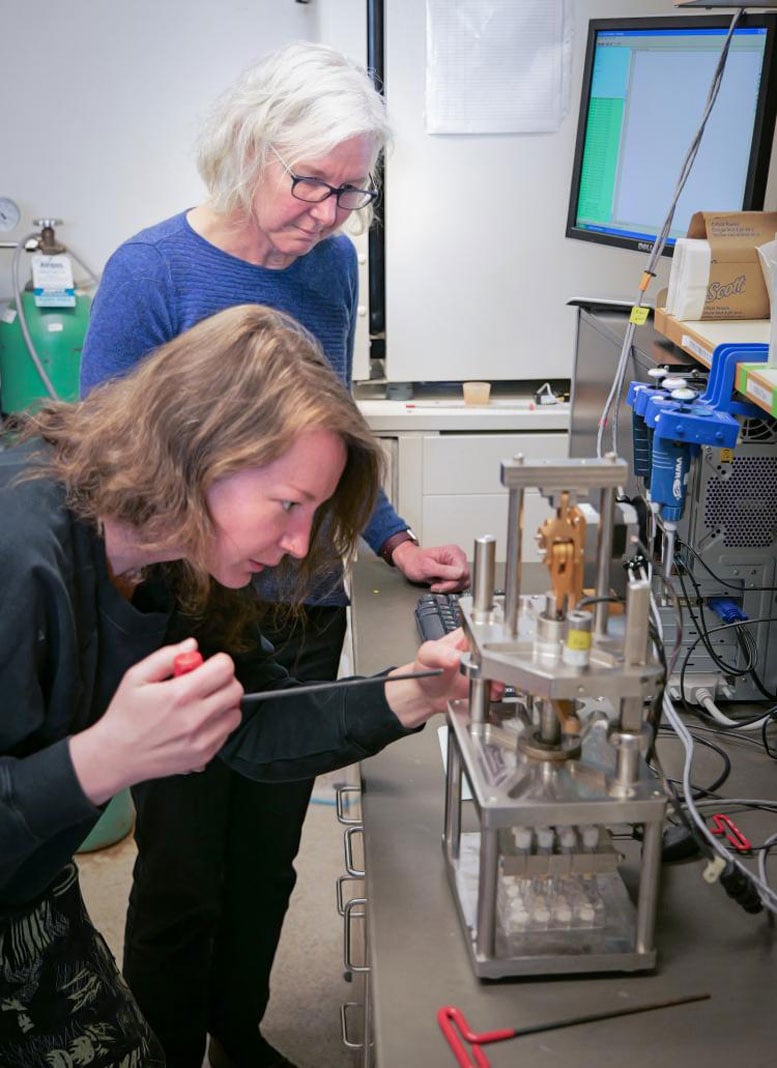
“In two years, we were able to go from a moonshot idea to developing these therapies to demonstrating that they reverse osteoarthritis in animals,” said principal investigator Stephanie Bryant, professor of chemical and biological engineering at CU Boulder. “Our goal is not just to treat pain and halt progression, but to end this disease.”
Osteoarthritis Treatment Limitations Drive New Approaches
Osteoarthritis is the third most common disease in the United States and affects about one in six people over age 30 worldwide. The condition breaks down cartilage, the protective tissue that prevents bones from rubbing together. As the disease progresses, it can also damage bone, alter joint structure, and make movement extremely painful.
Current treatment options are limited mainly to pain management or joint replacement surgery. There is no cure, so the Colorado researchers are pursuing two new strategies.
One approach uses an existing FDA-approved drug that has been adapted for osteoarthritis treatment. Bryant and her team created a patented particle delivery system that can be injected directly into a joint and slowly release the medication over several months.
For patients with major cartilage or bone damage, the researchers also developed engineered proteins that can be delivered arthroscopically and hardened in place. The material attracts the body’s progenitor cells to repair the damaged area.
Animal Studies Reveal Rapid Joint Repair
In animal studies, arthritic and injured joints treated with the injection returned to a healthy state within four to eight weeks. When researchers repaired holes in bone or cartilage, they observed what Bryant described as “full regeneration and repair of the defect.” The therapies also showed strong regenerative effects in human cells taken from patients undergoing joint replacement surgery.
NITRO was the first ARPA-H program and was created to develop “minimally invasive therapeutics that fully regenerate damaged joints.” Two years ago, the program awarded the Colorado team up to $33.5 million based on milestone achievements.
After successfully completing phase one, the researchers are now moving into phase two.
“It’s super exciting to be a part of the very first program of ARPA-H and to be one of the first teams to advance to the second phase,” said Bryant.
Researchers Envision Affordable Regenerative Care
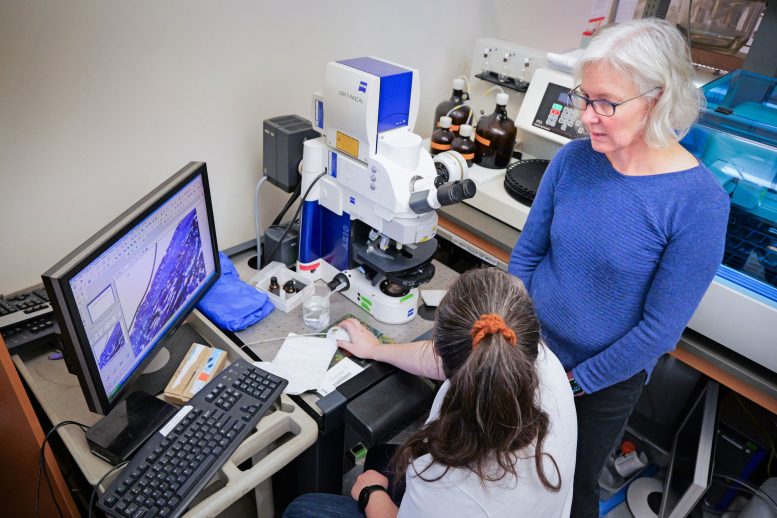
Dr. Evalina Burger, professor and chair of the Department of Orthopedics at CU Anschutz, said osteoarthritis affects a wide range of patients, from older adults struggling with everyday activities to athletes forced to leave sports because of chronic joint pain.
“At the moment, the options for many patients are either a massive, expensive surgery or nothing. There’s not a lot in between,” said Burger, who has been following the team’s research with interest. “That’s why ARPA-H is so important.”
Burger and Bryant hope the treatments could eventually offer patients in the early stages of osteoarthritis a low-cost, single-dose therapy that keeps joints healthy for years. Patients with tissue damage could potentially receive treatment during a single doctor visit followed by a quick recovery.
The team plans to publish the animal study results in a peer-reviewed journal later this year. The researchers have also launched Renovare Therapeutics Inc. to help commercialize the technology.
Clinical Trials Could Begin Within 18 Months
If future studies continue to show positive results, Bryant said clinical trials could begin in as little as 18 months.
“This could be a real game-changer for patients,” said Bryant.
Never miss a breakthrough: Join the SciTechDaily newsletter.
Follow us on Google and Google News.
19 Comments
This be great keep up the good work .
Who can apply for the trial study?
I have really bad bone disease in my knee I can very walk so painful and I go to Dialysis 3days a week I need to be able to walk in and out of there am in pain 24 hours s day,
How do you apply to be part of the trial? My thumb joints are bad and painful. I can’t do the surgery as I am a full time sitter for a toddler.
I would love to be part of the clinical trial.
almost 90 and can hardly walk would like to participate in study
Can’t even see my spine on an MRI WOULD LOVE TO BE IN A TRIAL!!
I am 67 and do not care to have knee surgery at my age. I would be a good candidate for your study.
I would really want to be in this clinical trials. I am 53years
I would really want to be in this clinical trials. I am 53years
how do i sign up
I’m 78 and interested , knee ,shoulder, hip, don’t want surgery at my age, I wanted prp treatment my arthritis is stage 3
I would volunteer both of my arthritic hips for the clinical trials.
Pianist here. How can I sign up for clinical trial?
Harry Bromley-Davenport
Telephone 626 525 8484
I would be very interested to be in the trial study! I’m 83 but healthy with osteoarthritis.
I’ll add my body to help with the trials!! The VA takes forever to get actual help, and I’ll probably die before my knees are both looked at for any kind of treatment.
I would be willing to be a guinea pig for the trials.
Don’t hold your breath on this one.
68 bad knees but functional, also bad shoulder. Basic Osteoarthritis and normal degeneration. Would love to be involved in any clinical trials.