
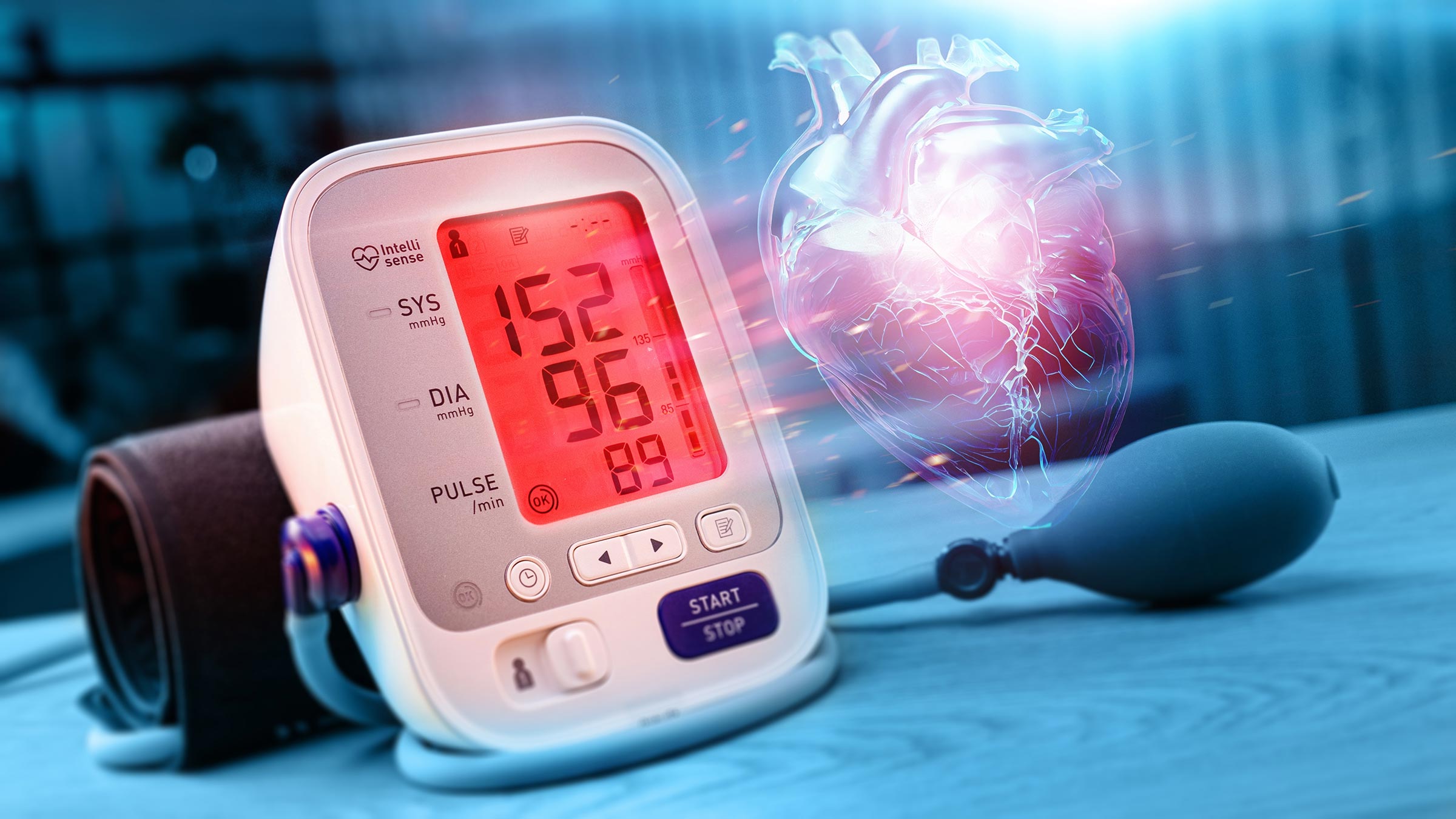
Common preservatives used in processed foods may increase the risk of high blood pressure and cardiovascular disease, according to a study of more than 112,000 people.
For decades, food preservatives have helped keep supermarket shelves stocked and extend the life of everything from packaged bread to processed meats.
But new research suggests some of these widely used additives may come with an unexpected tradeoff: a higher risk of high blood pressure and cardiovascular disease.
The study was led by Dr. Mathilde Touvier, research director at INSERM (the French National Institute for Health and Medical Research), and Anaïs Hasenböhler, a PhD student. Both are part of the Nutritional Epidemiology Research Team at Université Sorbonne Paris Nord and Université Paris Cité in France.
Ms. Hasenböhler said, “Food preservatives are used in hundreds of thousands of industrially processed foods. Experimental studies suggest that some preservative food additives may be harmful to cardiovascular health, but we have not had enough evidence on the impact of these ingredients in humans. As far as we know, this is the first study of its kind to investigate the links between a wide range of preservatives and cardiovascular health.”

Large French Study Tracks Diet and Health
The research was conducted as part of the larger NutriNet-Santé study and involved 112,395 volunteers across France. Every six months, participants reported everything they ate and drank during a three-day period.
Researchers closely examined the ingredients in all foods and beverages consumed, including preservative additives. Participants’ health was then monitored for an average of seven to eight years to identify cases of high blood pressure and cardiovascular disease.
The team found that 99.5% of volunteers had consumed at least one food preservative during their first two years in the study.
Processed Food Additives Tied to Hypertension
Participants with the highest intake of “non-antioxidant” preservatives had a 29% greater risk of hypertension compared with those consuming the least. They also had a 16% higher risk of cardiovascular disease, including heart attack, stroke, and angina.
People who consumed the most antioxidant preservatives showed a 22% higher risk of hypertension. Non-antioxidant preservatives are used to prevent the growth of harmful microbes such as mold and bacteria. Antioxidant preservatives help stop oxidation that can cause foods to brown or become rancid.
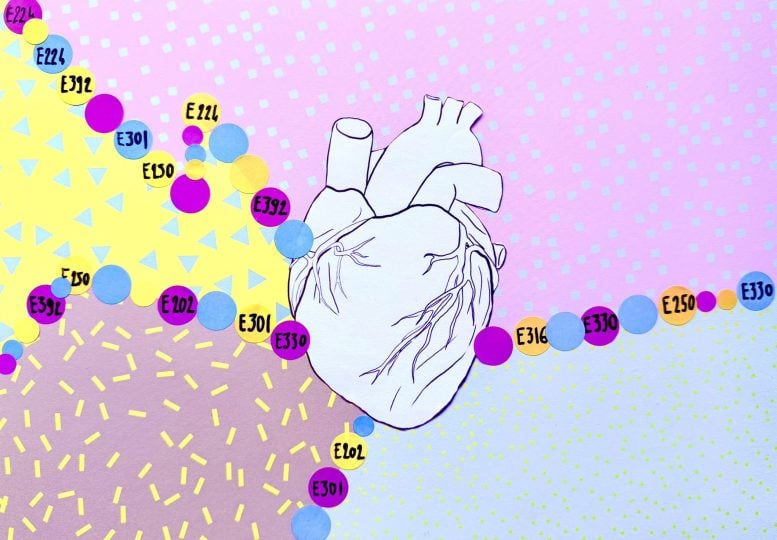
Researchers also analyzed 17 commonly consumed preservatives and found that eight were specifically associated with high blood pressure. These included potassium sorbate (E202), potassium metabisulphite (E224), sodium nitrite (E250), ascorbic acid (E300), sodium ascorbate (E301), sodium erythorbate (E316), citric acid (E330), and rosemary extract (E392). Ascorbic acid (E300) was also specifically linked to cardiovascular disease.

Scientists Call for Re-Evaluation of Food Additives
Dr. Touvier added, “This study has some limitations inherent to its observational design. However, the findings are based on highly detailed data, and we have taken account of other factors that can increase or lower the risk of cardiovascular disease. Experimental research in the literature consistently suggested that preservatives may cause oxidative stress in the body or affect the way the pancreas works.
These results suggest we need a re-evaluation of the risks and benefits of these food additives by the authorities in charge, such as the EFSA in Europe and the FDA in the USA, for better consumer protection. In the meantime, these findings support existing recommendations to favor non-processed and minimally processed foods, and avoid unnecessary additives. Doctors and other healthcare professionals play a key role in explaining these recommendations to the public.”
Researchers are now investigating how food additives and ultra-processed foods may influence inflammation, oxidative stress, metabolic markers in the blood, and the composition of gut microbiota. They hope this work will help explain why certain additives may increase disease risk.
Reference: “Preservative food additives, hypertension, and cardiovascular diseases: the NutriNet-Santé study” by Anaïs Hasenböhler, Guillaume Javaux, Marie Payen de la Garanderie, Fabien Szabo de Edelenyi, Paola Yvroud-Hoyos, Cédric Agaësse, Alexandre De Sa, Inge Huybrechts, Fabrice Pierre, Xavier Coumoul, Léopold K Fezeu, Pilar Galan, Jacques Blacher, Chantal Julia, Benjamin Allès, Serge Hercberg, Benoit Chassaing, Mélanie Deschasaux-Tanguy, Bernard Srour and Mathilde Touvier, 20 May 2026, European Heart Journal.
DOI: 10.1093/eurheartj/ehag308
Never miss a breakthrough: Join the SciTechDaily newsletter.
Follow us on Google and Google News.
9 Comments
‘Limits’ as in salt – most of these preservatives comes with high dosage of salt
So, even too much vitamin C could be a problem.
Like all these studies most of them don’t show the dosages. For example the last study I reviewed had 30 times the amount of a chemical that would be consumed by adults and then said that cost XYZ.
Utter nonsense. Rosemary extract? Vitamin C?
Clearly, something is off, other than the granting of a grant, here.
Perhaps the more cold cuts and stuff a person eats, the worse their BP?
But I do not care, in any event
Agree. Rosemary extract, vit. C and citric acid…no way that they are the problem. It’s the foods they are added to that are probably the problem. What a badly done study and poorly written article.
Zero validity on this study. Super easy to poke holes due to so much variability. The singular conclusion you can come to which is common knowledge is don’t eat junk food. Who funds this garbage.
Never seen Ascorbic acid (Vitamin C) associated with cardiovascular disease before, makes no sense.
We’re study needs to describe what dose of ascorbic acid and the chemical constituent of it to determine if this has a synergistic effect with the other poisons in the food.
All these studies are making people more neurotic and more mentally ill because it’s basically saying that anything you do eventually kills you which is true.