
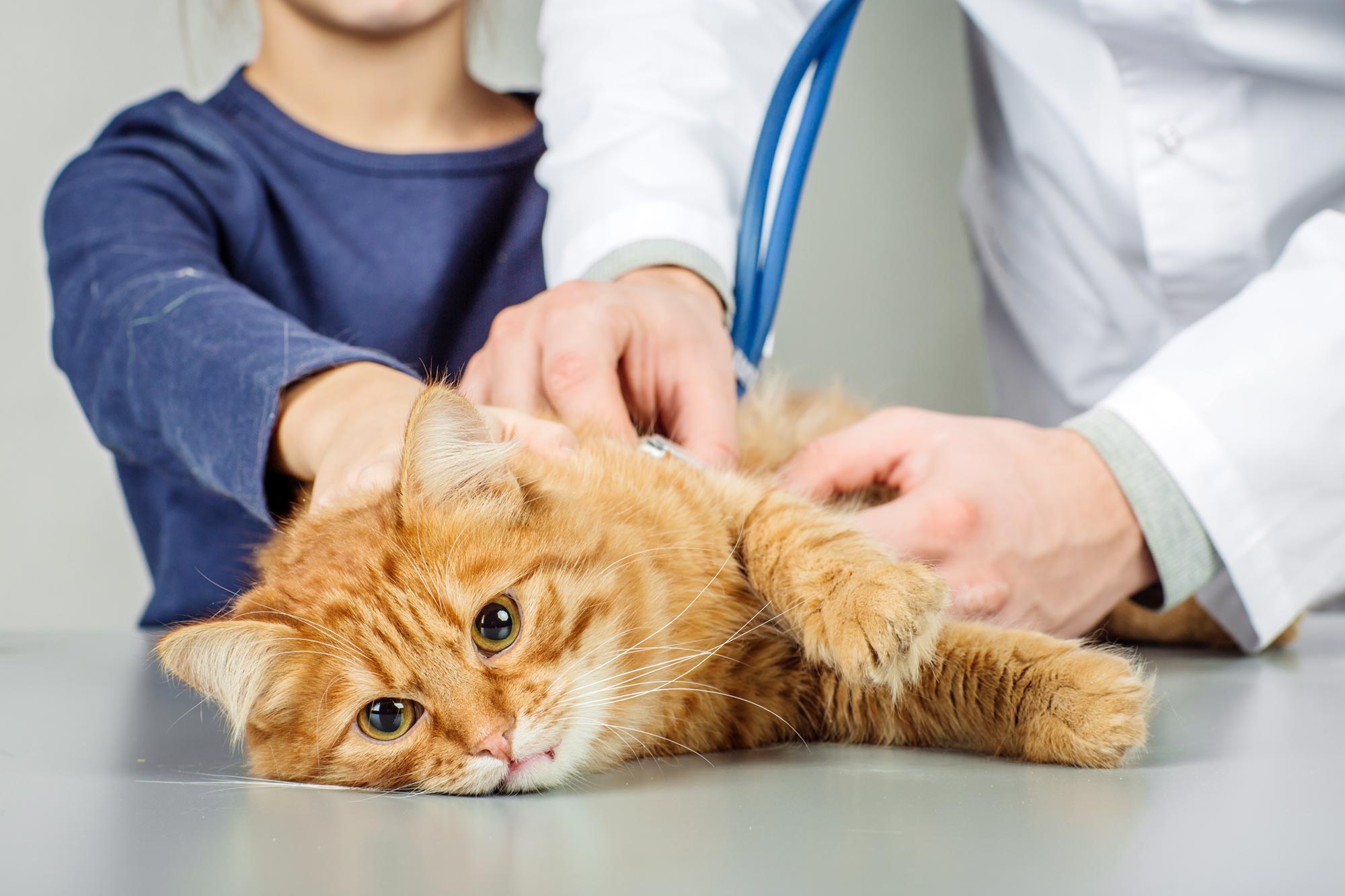
Unusual fat deposits in domestic cat kidneys may reveal why cats are especially vulnerable to chronic kidney disease.
Scientists at the University of Nottingham have identified an unexpected feature of domestic cat biology that could help explain their high risk of chronic kidney disease.
Compared with dogs and most other mammals, domestic cats seem to build up unusual fats within kidney cells, in some cases beginning early in life.
Rare fats set cats apart
The study, published in Frontiers of Veterinary Science and led by Professor David Gardner and Dr. Rebecca Brociek from the School of Veterinary Medicine and Science at the University, suggests that these kidney fats are highly unusual.
Using advanced chemical analyses, the researchers found that cats store a rare set of modified triglycerides (the most common type of fat in the body, essential for storing excess energy from food). Some of these molecules have uncommon chemical bonds or branched structures that are rarely seen in other mammals.
Many of the fats contain special ether linkages, which behave differently from ordinary dietary fats. Dogs showed none of this pattern, while feral Scottish Wildcats showed it only from time to time.
Kidney stress may begin early
Dr. Brociek said: “Why these types of unusual fats accumulate in domestic cat kidneys, even from an early age, may offer an important clue as to why domestic cats are particularly prone to chronic kidney disease, one of the most common and serious illnesses affecting older cats.”
The researchers suggest that this unusual buildup of lipids inside kidney cells could be an early signal of ongoing kidney stress and may help drive tissue damage as cats age.
Diets may offer future protection
Professor Gardner says: “We are hopeful that soon we will understand why these unusual fats accumulate in domestic cats – we just have to collect the evidence to find the proof. If true, we believe we could develop a supplement or modified diet to help prevent these unusual lipid structures from accumulating, ultimately benefiting the long-term health of our companion animals.”
The finding opens a new line of research into cat biology and suggests that the distinctive metabolism of domestic cats may make them more vulnerable to kidney disease. In time, the work could support improved diagnostic tests, healthier diets, and new treatments aimed at protecting feline kidney health.
Reference: “Lipid droplets in felid kidneys: prevalence and composition by lipidomics” by Rebecca A. Brociek, Rebecca Alborough, Anna M. Kotowska, Ana Ferreira, Sandra Martinez-Jarquin, Malgorzata Walczak, Vincenzo Di Bari, Frederic Beaudoin and David S. Gardner, 22 February 2026, Frontiers in Veterinary Science.
DOI: 10.3389/fvets.2026.1711591
This study was funded in part by Dechra Veterinary Products through a studentship to RA (2017–2020) and in part by the Biotechnology and Biological Sciences Research Council (BBSRC) as part of the University of Nottingham DTP PhD studentship awarded to RB (Grant code: RS86P5).
Never miss a breakthrough: Join the SciTechDaily newsletter.
Follow us on Google and Google News.