
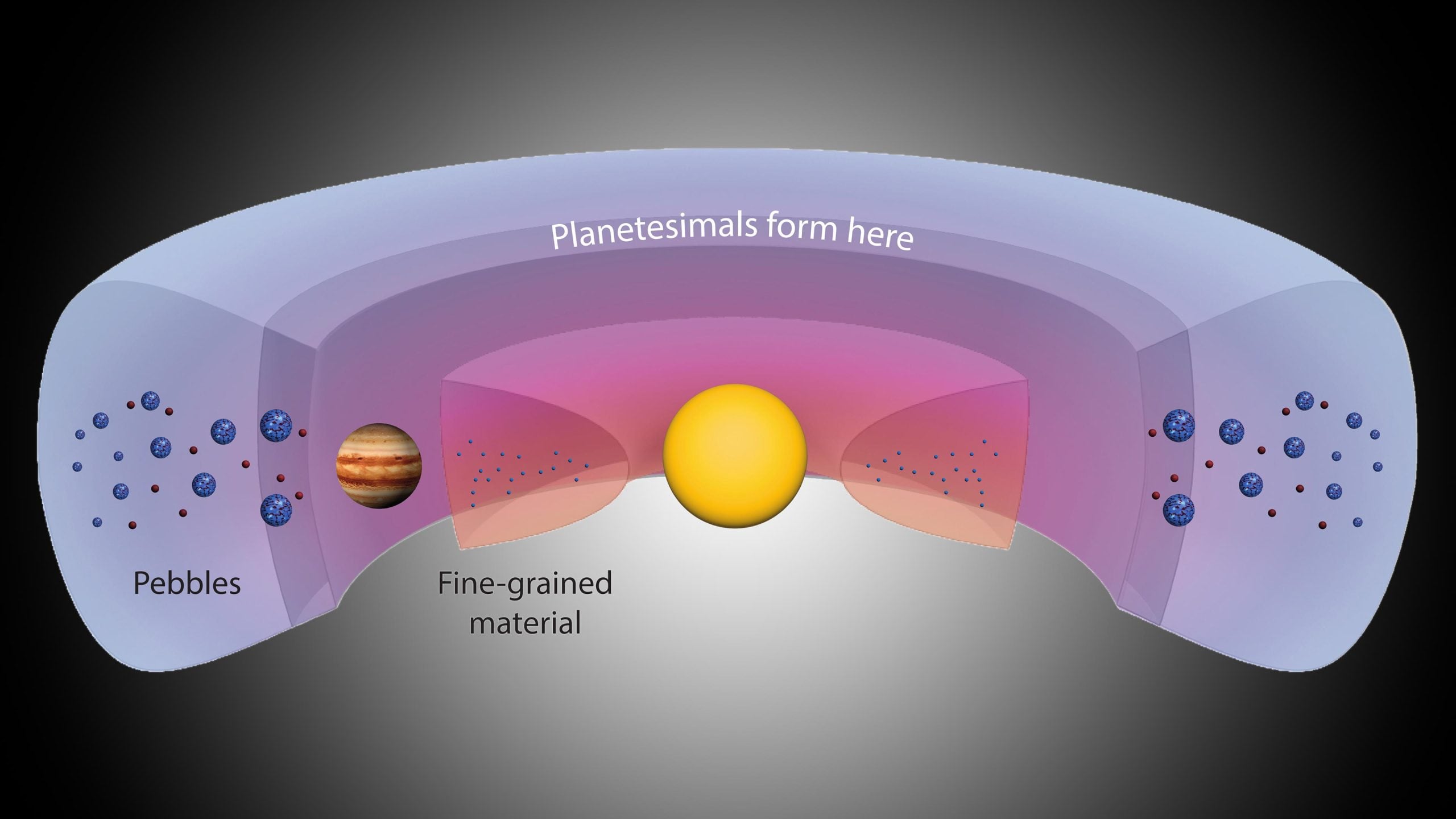
Scientists may have identified one of the Solar System’s most important “planet factories” hidden just beyond Jupiter.
When the Solar System first formed, the young Sun was surrounded by a sprawling disk of gas and dust. Over millions of years, tiny grains within that disk collided and merged into larger rocky bodies called planetesimals. Some of these objects eventually grew into planets, while others became the ancestors of today’s asteroids.
Researchers have long suspected that this process was messy and uneven rather than orderly. Different parts of the early Solar System likely evolved under different conditions, and planetesimals at various stages of development may have formed at the same time.
Now, scientists from the Max Planck Institute for Solar System Research (MPS) in Germany say they have identified a particularly important region just beyond Jupiter’s orbit. According to a new study published in The Astrophysical Journal, this ring-shaped area served as both an efficient and highly versatile birthplace for planetesimals.
Their computer simulations suggest that over a period of about two million years, the region produced planetesimals with dramatically different compositions.
“Different types of planetesimals apparently formed in the same region of the early dust and gas disk, only at different times. The region just outside Jupiter’s orbit offered excellent conditions for this,” said Joanna Drążkowska, head of the Lise Meitner Group on planet formation.
Jupiter’s Orbit Created a Powerful Dust Trap
The research focused on a time roughly two to four million years after the Solar System was born. By then, Jupiter had already swept up much of the material near its orbit, leaving behind a gap in the surrounding disk of gas and dust.
Scientists believe that this process also created a ring of increased gas pressure just outside Jupiter’s orbit. Dust particles drifting through the disk became trapped there, causing huge amounts of material to pile up. These dense collections of dust formed small clumps known as pebbles.
Earlier studies had already shown that pebbles inside these “dust traps” could quickly grow into planetesimals during the Solar System’s early stages. However, researchers did not know whether the same region could continue producing bodies with very different compositions over long periods of time.
The new study suggests that it could.
Using advanced simulations, the team found that several distinct populations of planetesimals likely formed within this dust trap over millions of years. The results also closely match the characteristics of specific groups of meteorites discovered on Earth.
“For the first time, we have succeeded in accurately reproducing the results of laboratory studies of meteorites using computer simulations of the early Solar System. The meteorites serve, so to speak, as a touchstone for theories of planetary formation,” said MPS Director and cosmochemist Thorsten Kleine.
Ancient Meteorites Reveal Clues About Planet Formation
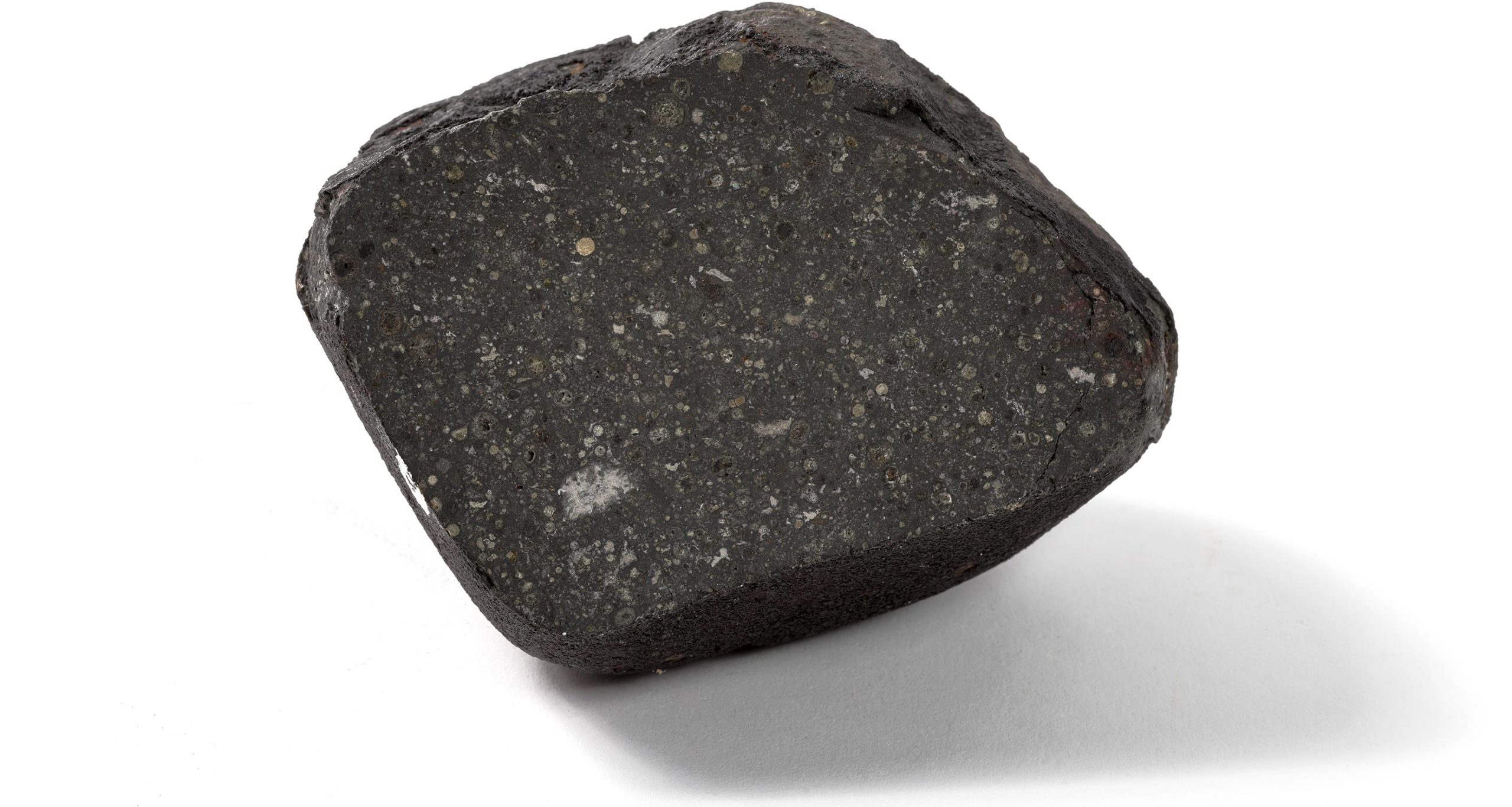
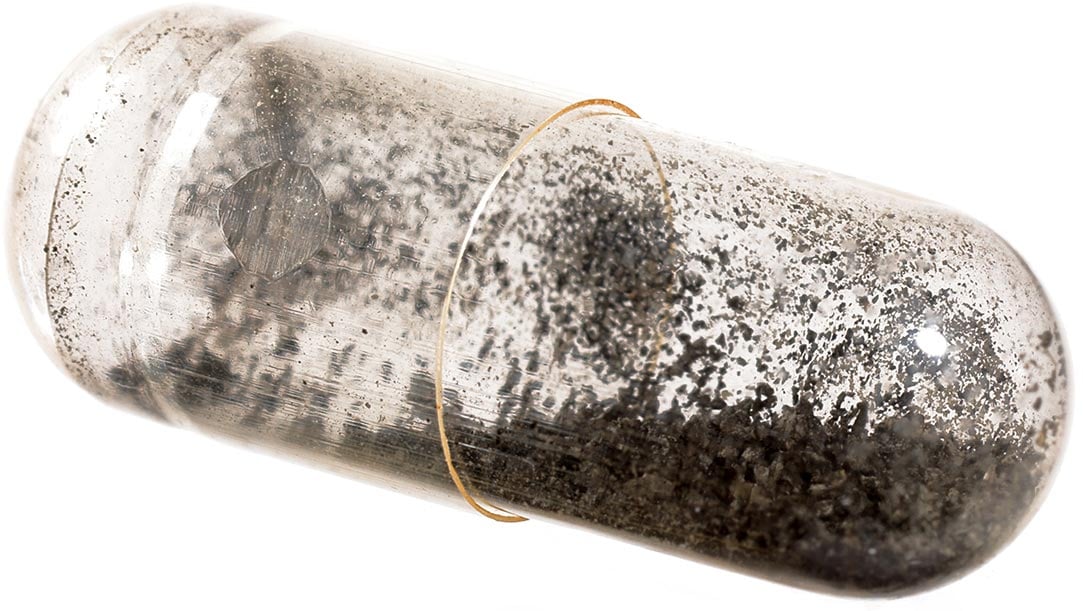
Meteorites are pieces of rock from space that survive their fall through Earth’s atmosphere. Most are thought to be fragments of ancient planetesimals that have remained largely unchanged since the Solar System’s earliest era.
The researchers concentrated on carbonaceous chondrites, a carbon-rich type of stony meteorite. Previous laboratory studies suggest these meteorites formed beyond Jupiter during the same period examined in the simulations.
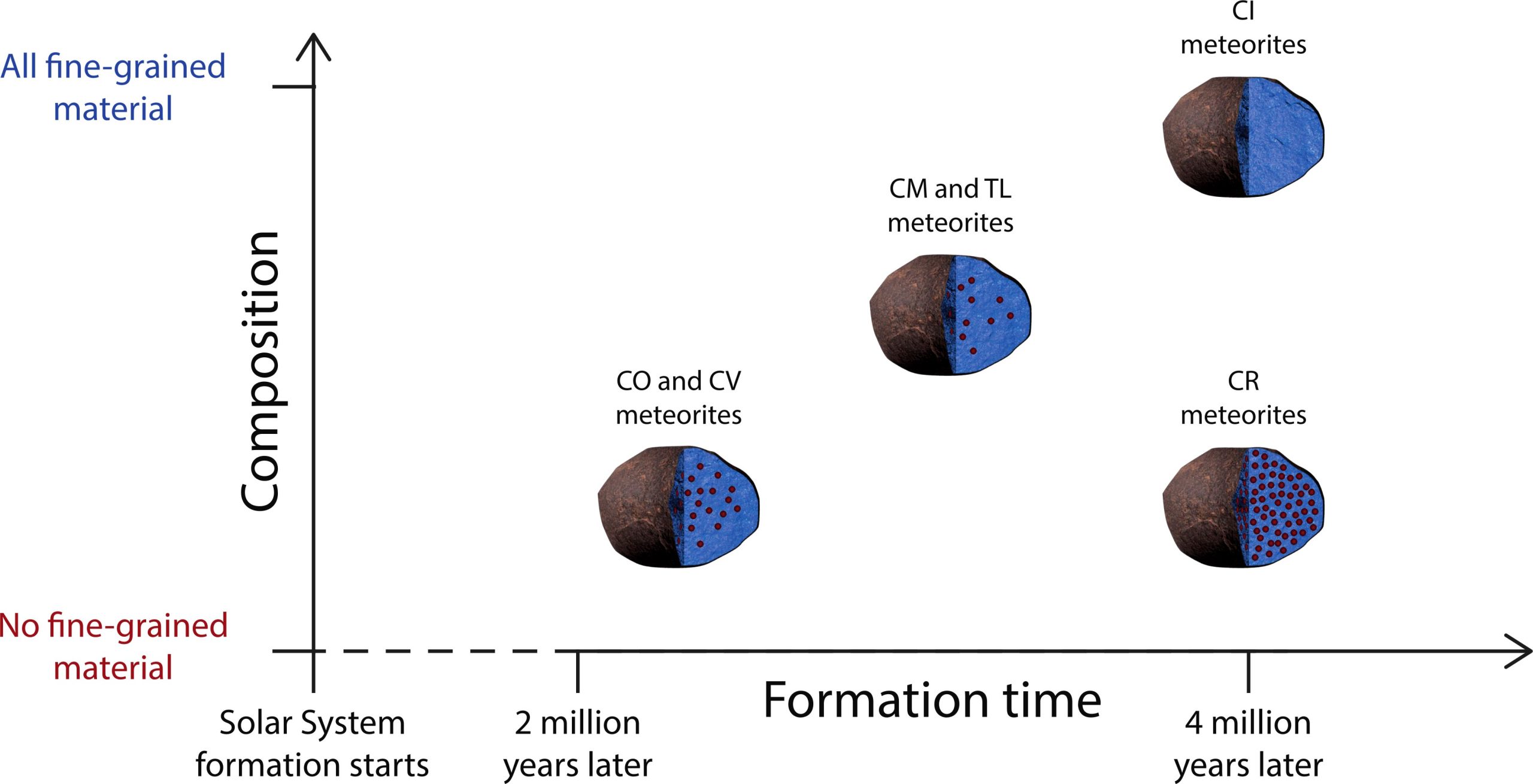
Scientists divide carbonaceous chondrites into six groups based on their ages and compositions. Some are fragile and consist mainly of fine-grained material that easily crumbles apart. Others are stronger and contain visible inclusions embedded within finer material.
In the simulations, these materials corresponded to two different substances believed to exist in the young Solar System. One consisted of delicate dusty material, while the other was made up of more stable clumps that formed early in hotter regions before spreading throughout the disk.
“For our simulations, it was crucial to model the behavior and interaction of both materials on both small and large scales,” said Nerea Gurrutxaga, PhD student at the MPS and first author of the paper.
Simulations Reveal Multiple Generations of Space Rocks
The models tracked both the collisions of individual particles and the large-scale movement of material through the massive gas disk. Particles could stick together, shatter apart, drift inward toward the Sun, or collect in dense regions.
The simulations showed that Jupiter acted as a stronger barrier for larger, sturdier particles than for tiny dust grains. Meanwhile, the creation of new planetesimals gradually consumed part of the available material.
Over time, these effects caused different mixtures of material to gather in the region beyond Jupiter’s orbit. As the balance changed, clearly separate generations of planetesimals began to emerge.
During the first 500,000 years, the amount of crumbly material initially declined before increasing again over the next million years. Eventually, two distinct populations of planetesimals appeared. One group consisted mostly of fragile material, while the other was dominated by more stable matter.
The researchers believe that even earlier meteorite types beyond carbonaceous chondrites may also have formed within the same dust trap.
“There is strong evidence that dust traps were the preferred birthplace of planetesimals in our Solar System,” said Joanna Drążkowska.
Reference: “Carbonaceous Chondrites Provide Evidence for Late-stage Planetesimal Formation in a Pressure Bump” by Nerea Gurrutxaga, Joanna Drążkowska, Vignesh Vaikundaraman and Thorsten Kleine, 22 May 2026, The Astrophysical Journal.
DOI: 10.3847/1538-4357/ae6104
Never miss a breakthrough: Join the SciTechDaily newsletter.
Follow us on Google and Google News.