
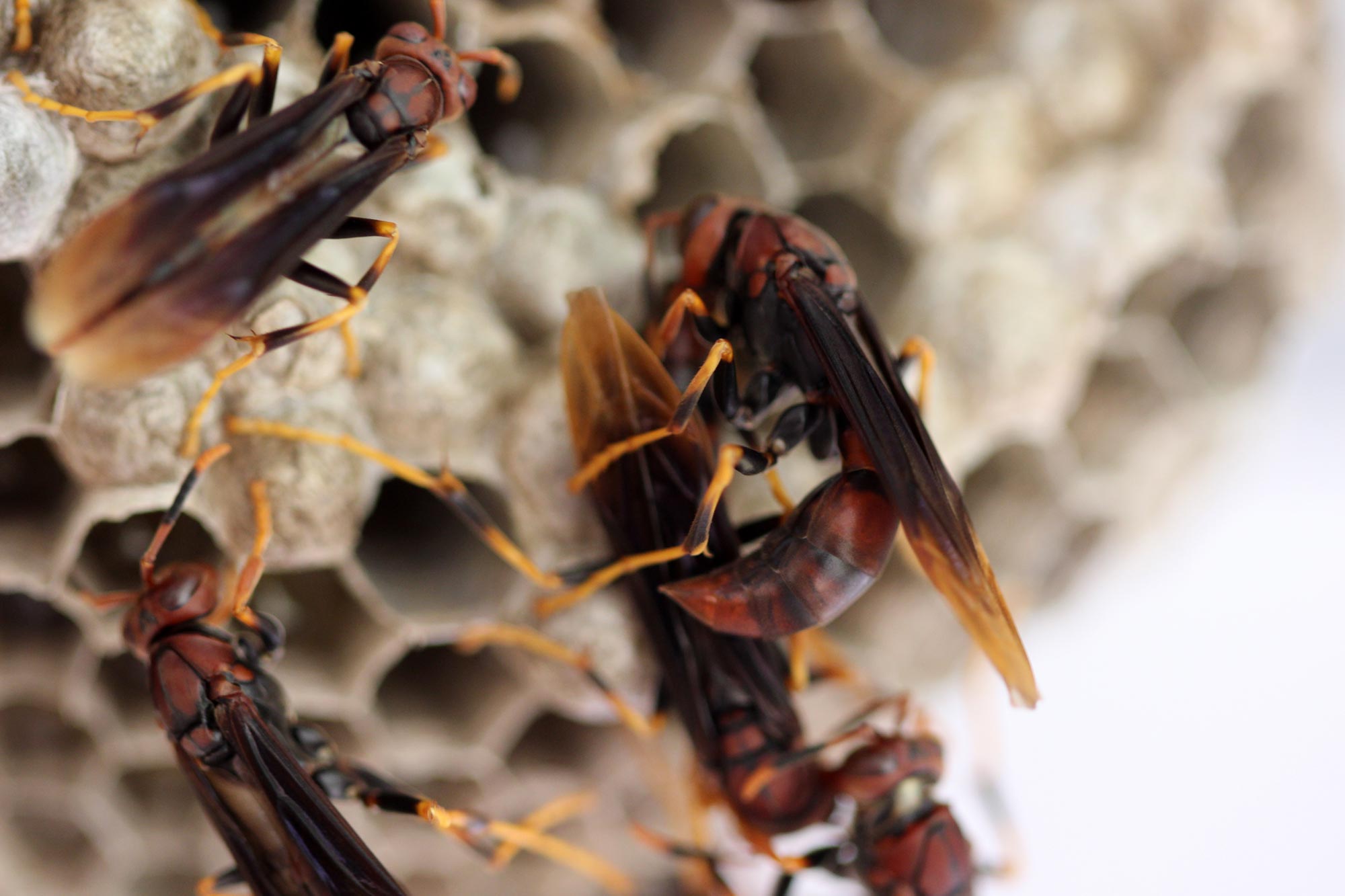
The loss of a queen triggers intense battles for power among female wasps, disrupting the colony’s social structure. Surprisingly, other wasps avoid the fighting and keep the colony functioning by taking care of its most important daily tasks.
What happens when a queen suddenly disappears from a wasp colony? According to new research led by University College London (UCL), the answer is far from orderly.
Instead of a smooth transition of power, the loss of a queen can trigger fierce competition, widespread conflict, and the breakdown of normal social relationships. Yet despite the turmoil, colonies often continue functioning thanks to a group of wasps that quietly take on extra work behind the scenes.
The findings were published in the journal Animal Behaviour.
Power Struggles After a Queen’s Removal
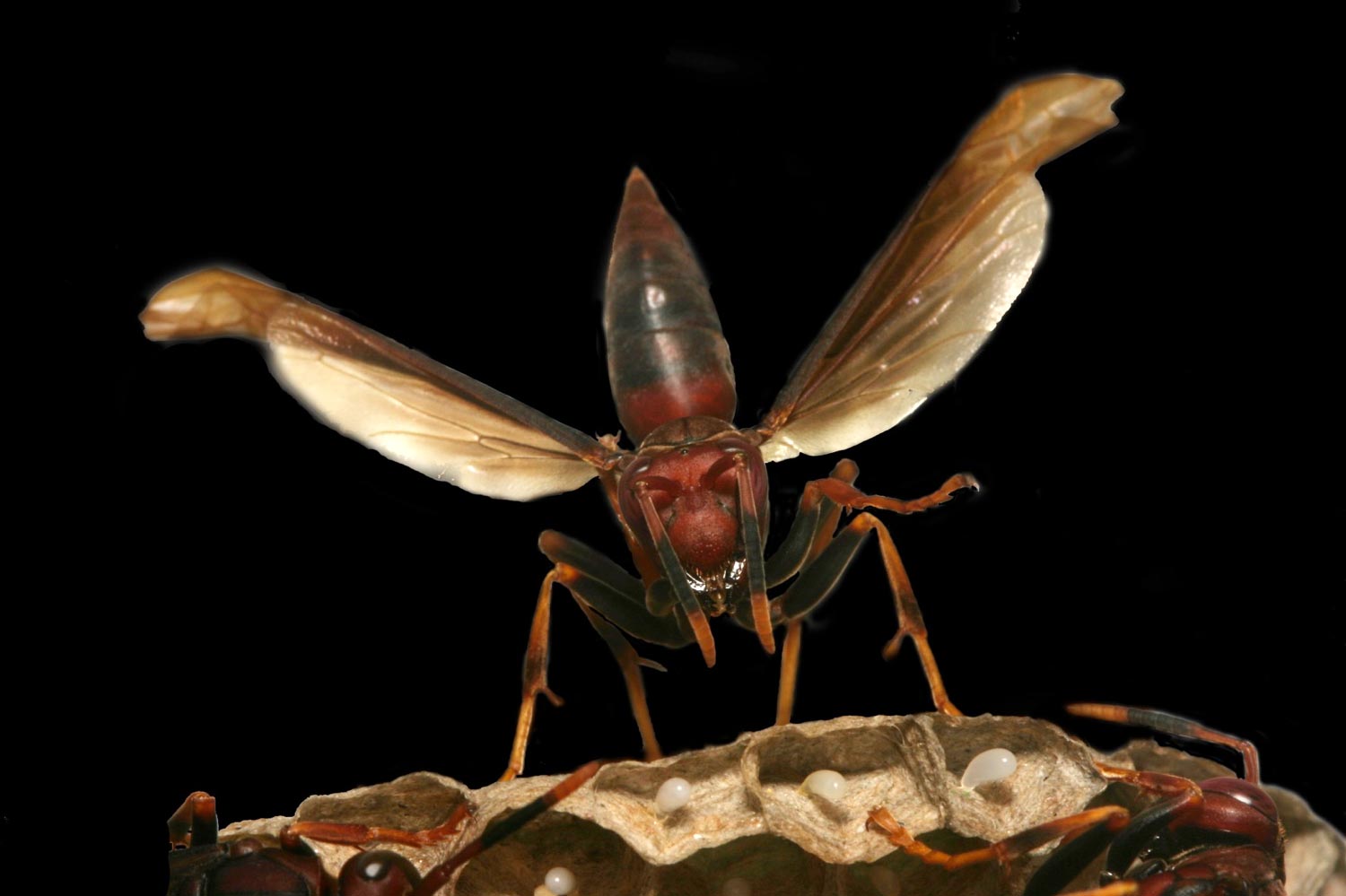
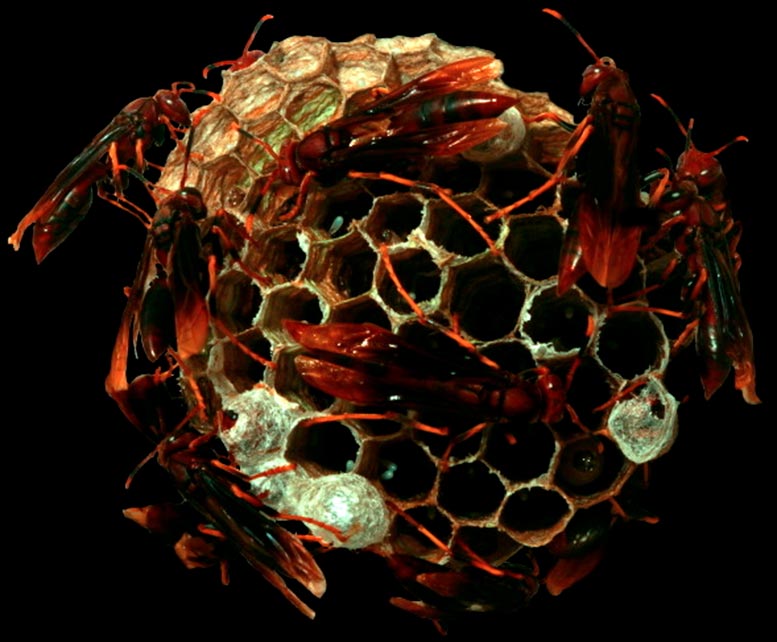
The study examined tropical paper wasps (Polistes canadensis), a species found in the Caribbean. These insects live in cooperative groups where many individuals share a nest, but only one dominant female reproduces.
Unlike some social insects, however, the other females are not sterile. If the queen disappears, several individuals may have an opportunity to become the colony’s next reproductive leader.
To investigate how colonies respond to losing their queen, researchers experimentally removed queens from established nests. The results were immediate and dramatic.
Aggressive encounters among female wasps increased sharply as multiple individuals competed for dominance. At the same time, the colony’s normal social structure began to unravel. Rather than following a clear succession process, the colonies entered a period marked by intense rivalry involving many members of the group.
The Wasps That Keep Everything Running
Even amid this social upheaval, the colonies did not collapse.
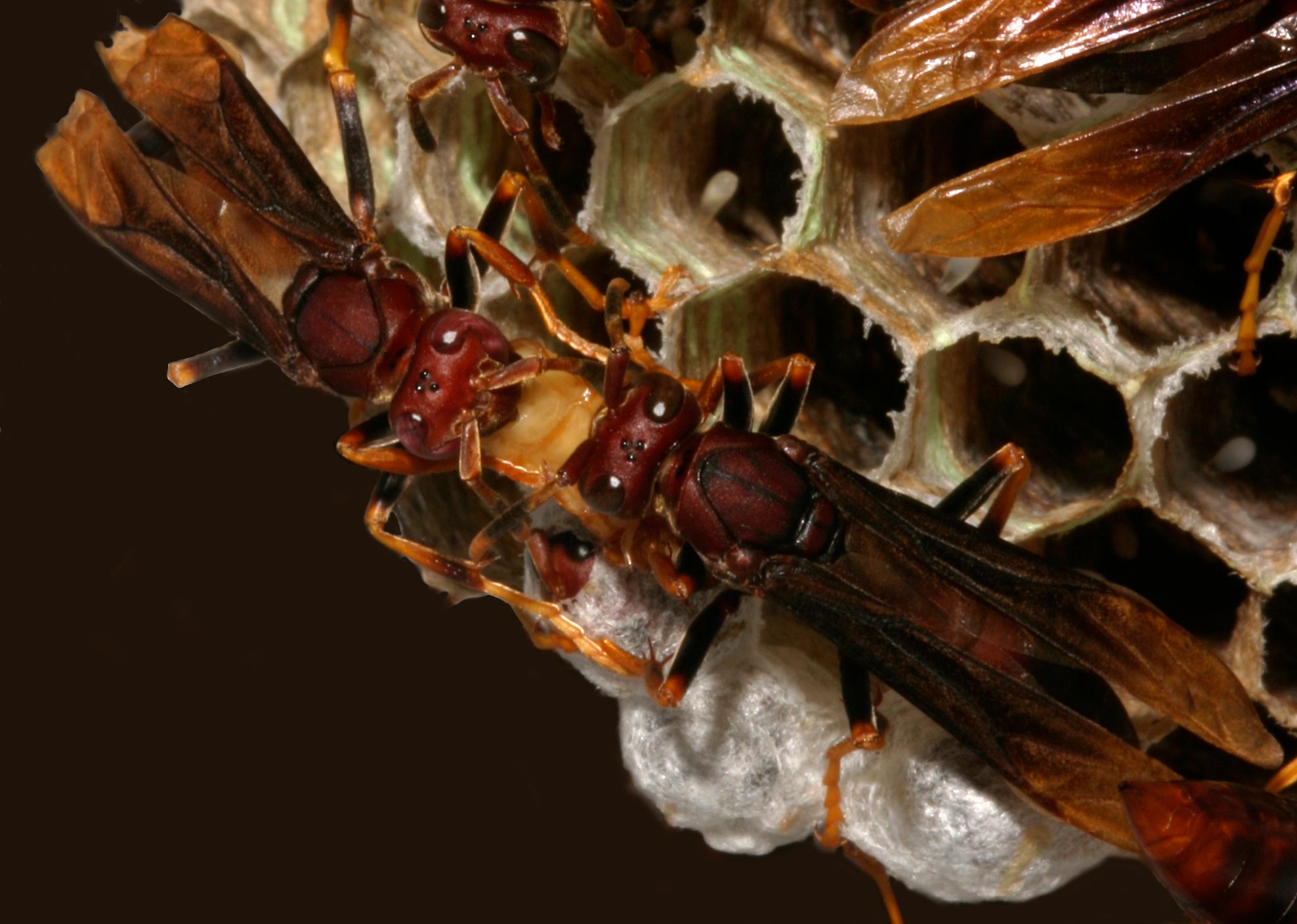
Researchers identified a group of individuals they call “compensators.” Instead of joining the fights for dominance, these wasps largely stayed out of the conflict and focused on essential tasks needed to keep the colony functioning.
They increased their efforts in activities such as gathering food and caring for developing young. By continuing to supply resources and support the brood, they helped maintain stability while other wasps battled for leadership.
The researchers found no evidence that compensators were biologically different from the individuals involved in the power struggles. This suggests that their behavior may be the result of strategic choices rather than predetermined roles.
Some wasps may judge that competing for dominance offers the best chance of reproducing in the future. Others may gain more by ensuring the survival of the brood, which typically consists of their siblings.
Lead author Dr. Owen Corbett (UCL Centre for Biodiversity & Environment Research, UCL Biosciences), who carried out the study during his PhD at UCL, said: “The conflict after queen removal was intense, but it wasn’t the whole story.
“While some individuals fought over dominance, others completely avoided the conflict and quietly stepped up to keep the colony running. Cooperation didn’t disappear; it was redistributed.”
New Insights Into Animal Cooperation
The study offers a rare look at a form of succession that has received relatively little scientific attention.
Much of the previous research on cooperative insect societies has focused on species in Europe and North America, where social hierarchies tend to be more structured, and leadership transitions follow predictable patterns. In contrast, the tropical wasps examined in this study rely on a much more chaotic system driven by aggression and competition.
By studying these colonies, researchers gained a broader understanding of the different ways animal societies can navigate leadership disputes and maintain stability.
The analysis was based on behavioral data originally collected during fieldwork in Panama in the early 2000s by members of the research team.
Cooperation Can Persist Through Conflict
The findings challenge the idea that social groups require orderly, rule-based succession systems to survive. Aggressive competition for leadership is often viewed as too costly to be sustainable, but the study suggests such systems can continue functioning when some individuals compensate for the disruption by increasing their contributions.
Senior author Professor Seirian Sumner (UCL Centre for Biodiversity & Environment Research, UCL Biosciences) said: “Understanding how animal societies manage conflict can help us think differently about cooperation more broadly. In times of turmoil, society depends on those who keep doing the essential work in the background. In many ways, we may be more like wasps than we realize.”
Reference: “Compensation of labour by noncompetitive individuals mitigates costs of aggressive succession contest in a social wasp” by Owen R. Corbett, Stephanie Dreier, Thibault Lengronne, Solenn Patalano, Max Reuter and Seirian Sumner, 25 May 2026, Animal Behaviour.
DOI: 10.1016/j.anbehav.2026.123581
The research was funded by the Natural Environment Research Council (NERC) and the Smithsonian Institution.
Never miss a breakthrough: Join the SciTechDaily newsletter.
Follow us on Google and Google News.