
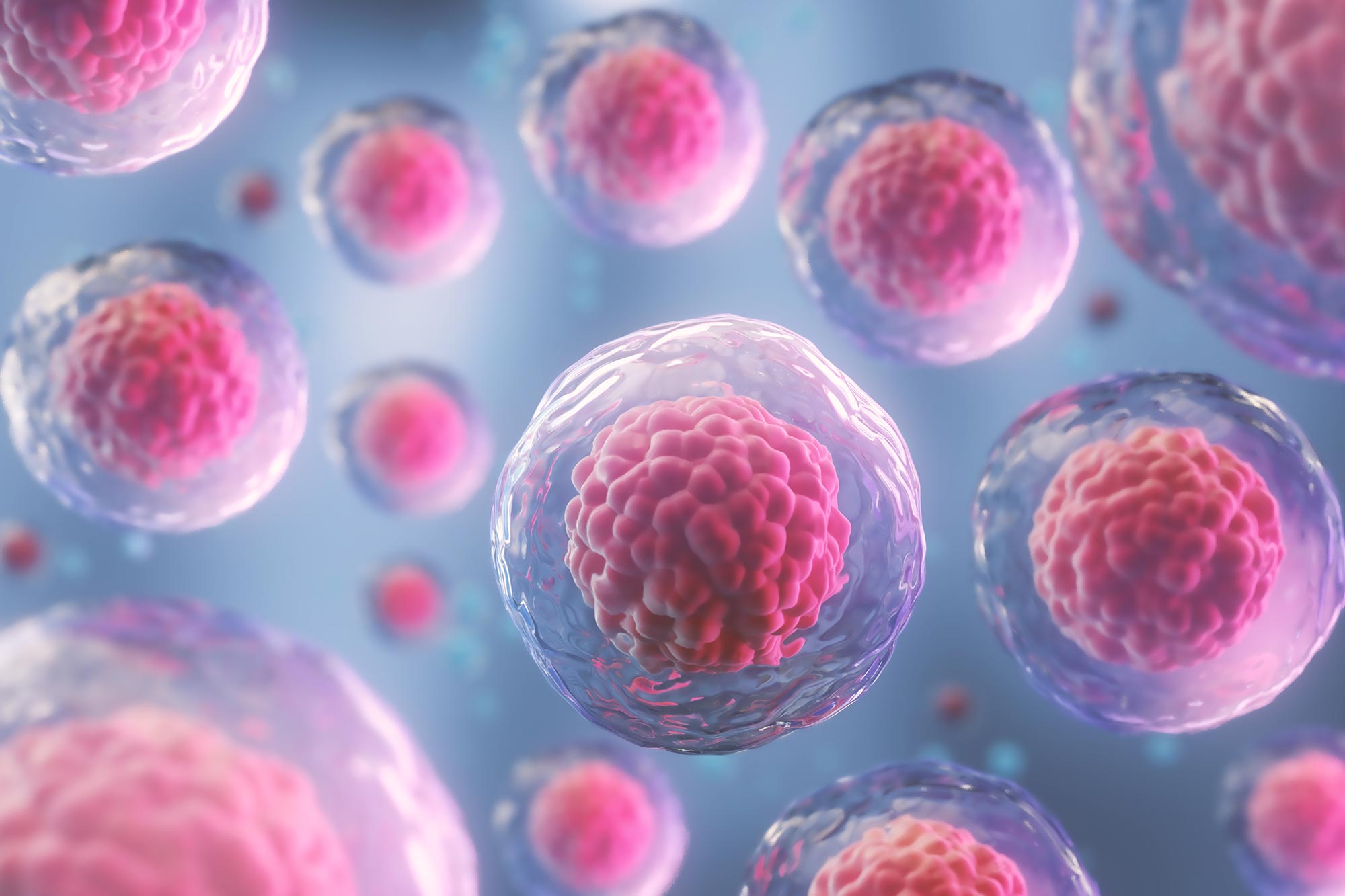
Scientists uncover a surprising paradox in how our cells age, revealing that more cellular cleanup isn’t always better and exercise may help restore a youthful balance.
Every day, our cells must dispose of damaged proteins and other unwanted material to keep themselves functioning properly. They accomplish this through a natural recycling process called autophagy, which packages cellular waste into specialized compartments where it is broken down into smaller molecular components that can be reused.
By preventing harmful waste from accumulating, autophagy plays an important role in maintaining cellular health. Scientists have long believed that this cleanup system gradually becomes less effective as people grow older. Declining autophagy is widely considered a hallmark of aging and has been associated with conditions such as cancer, cardiovascular disease, diabetes, and neurodegenerative disorders.
However, a new study suggests that the relationship between aging and cellular recycling is far more complicated than previously assumed.
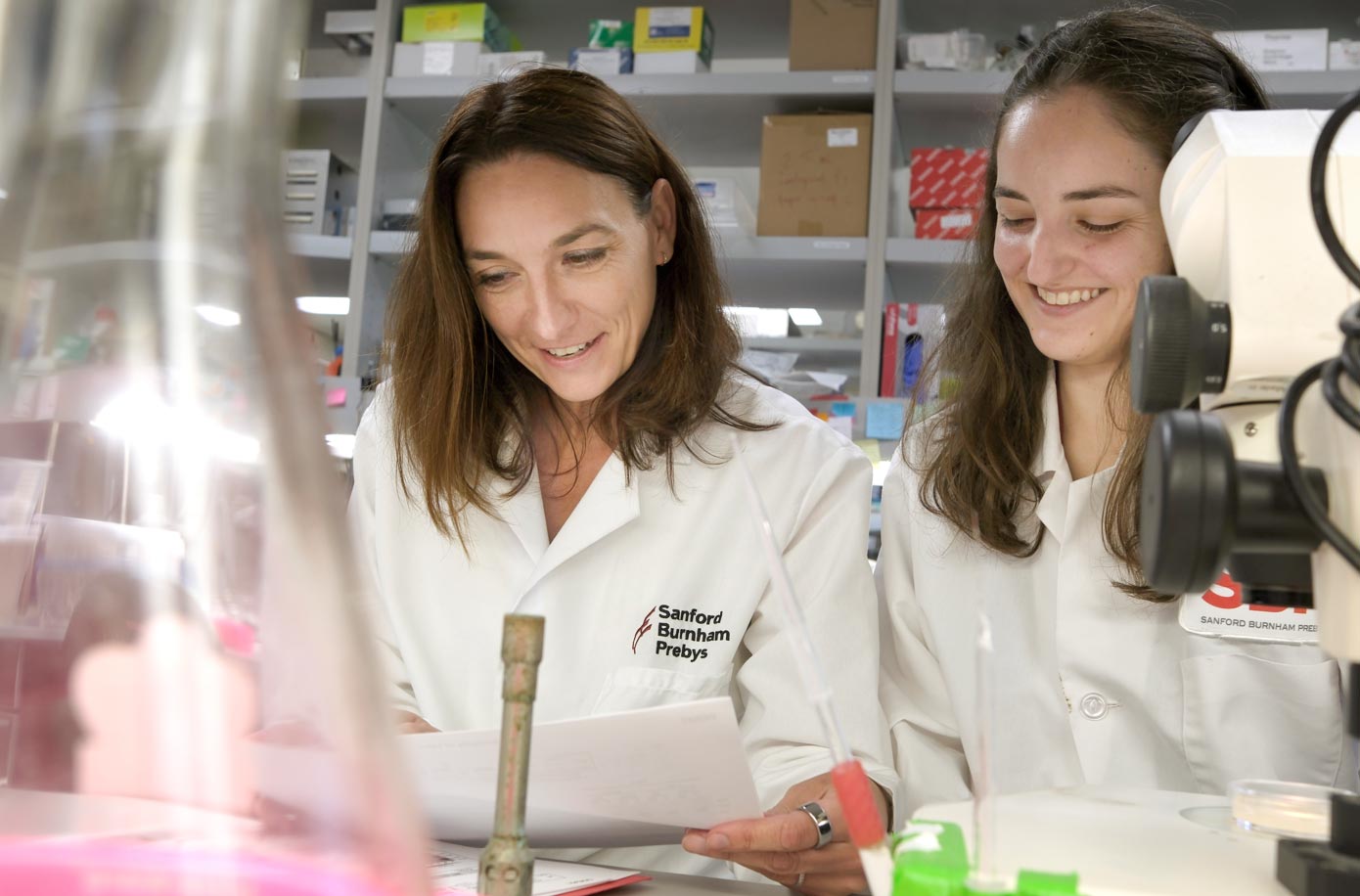
Researchers at Sanford Burnham Prebys Medical Discovery Institute reported their findings in the journal Aging Cell. Rather than finding a consistent decline in autophagy with age, they discovered that recycling activity follows different patterns depending on the type of cell and whether it comes from a male or female participant. Their results also suggest that physical exercise may influence this process in humans.
“We commonly see people cite this idea that autophagy declines with age, but the actual evidence for this in humans is very thin,” said senior and corresponding author Caroline Kumsta, PhD, assistant professor in the Center for Cardiovascular and Muscular Diseases at Sanford Burnham Prebys.
“Interest is growing in targeting autophagy to develop new healthy aging interventions,” said Tatiana Moreno, PhD ’26, the study’s lead author and a former graduate student in Kumsta’s laboratory.
“We wanted to challenge assumptions and investigate what actually happens to autophagy during aging in healthy individuals.”
Cellular Recycling Changes Differently With Age
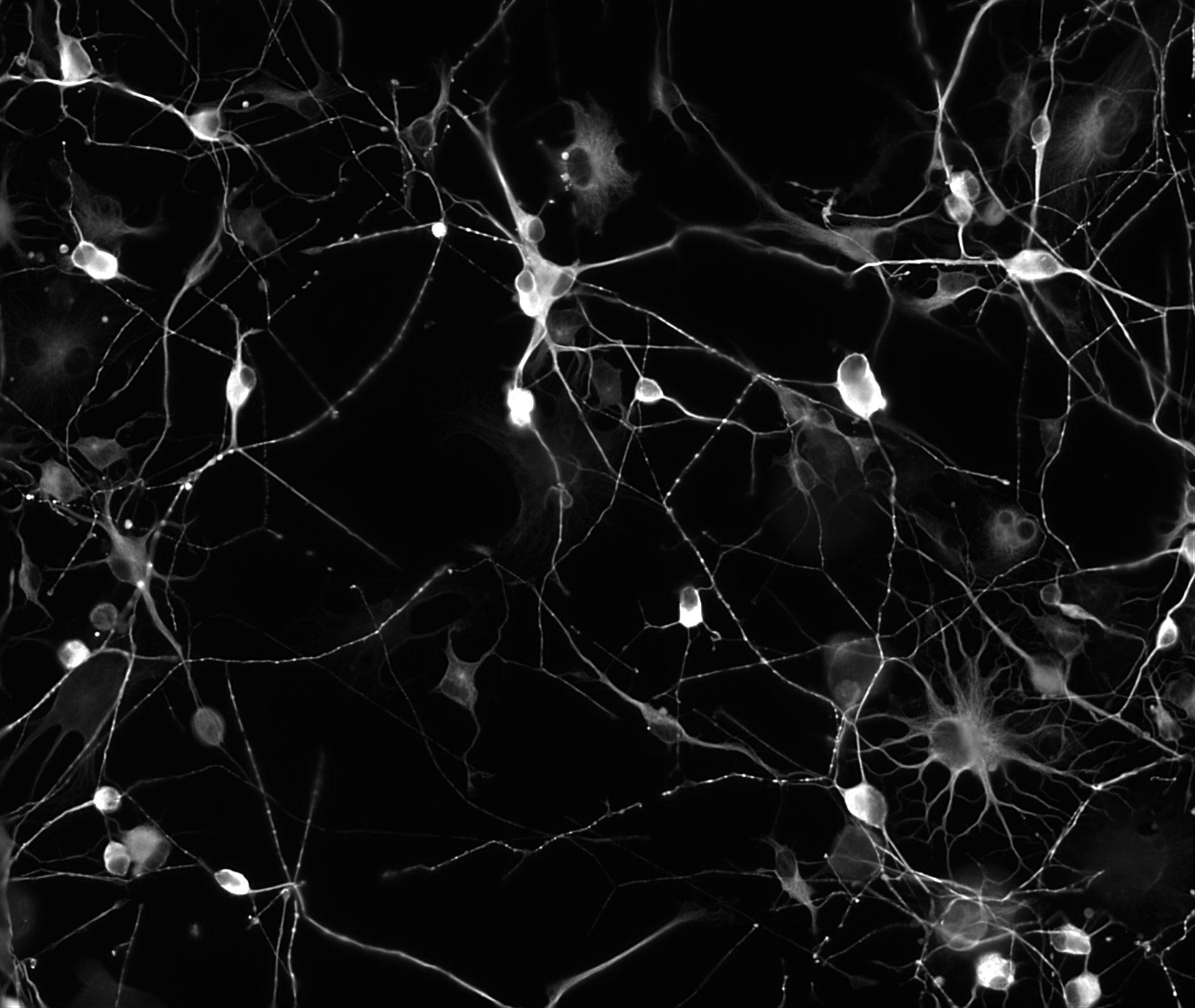
To investigate how autophagy behaves throughout adulthood, the scientists collected blood and skin samples from volunteers between 23 and 72 years old. All participants reported that they were free of chronic diseases. The researchers also converted some of the collected skin cells into induced neurons, allowing them to examine a third type of cell.
The team then analyzed RNA transcripts in each cell type. These transcripts are produced when genetic instructions stored in DNA are “read” as part of the process of making proteins, enzymes, and other essential cellular components. By examining the transcripts, the scientists could investigate how aging and cell type affected the activity of genes involved in autophagy.
Importantly, the researchers did not rely solely on these genetic measurements. They also directly measured how quickly cells carried out autophagy, making it possible to determine whether patterns of gene expression accurately reflected the recycling process itself.
The results challenged the conventional view that autophagy steadily weakens throughout the body as people age.
“We found that autophagic activity changes were not universal throughout the body and did not follow the idea that autophagy simply declines with age,” said Kumsta. “Rather, cellular recycling rates are altered differently with age in each of the cell types, and differently by sex in each of the cell types.”
In skin cells from male participants, autophagy activity decreased with age. However, the same process remained relatively constant in skin cells from female participants. Even more unexpectedly, induced neurons derived from female participants showed increased autophagy as age advanced.
Another important finding was that changes in the expression of autophagy genes did not reliably correspond to the actual speed of cellular recycling. In other words, measuring how actively these genes were being expressed did not necessarily reveal how much recycling was taking place.
“This shows that people using static measures such as transcription levels to infer what’s happening with autophagy need to be really careful about their interpretations,” said Moreno.
More Cellular Cleanup May Not Always Be Better
The scientists also explored whether autophagy activity was related to physical health and performance at different ages. Their findings raised another unexpected possibility: Higher levels of cellular recycling may not always indicate better health, particularly later in life.
Among participants aged 70 and older, greater autophagy activity was associated with worse measures of physical function across all three cell types examined.
Higher recycling activity in blood cells was linked to poorer aerobic fitness. In skin cells, increased autophagy was associated with a higher body mass index (BMI). Meanwhile, elevated autophagy in induced neurons corresponded with weaker grip strength, lower metabolism, and a higher resting heart rate.
These relationships suggest that the significance of increased autophagy may change as people grow older. Although cellular recycling is essential for maintaining health, its activity and effects may depend on a person’s age and the particular cells involved.
“I think this is an important distinction that merits continued study, as it appears that increased autophagy flux may be good in younger people yet problematic in older people,” said Kumsta.
“Autophagy and aging are so much more nuanced than previously assumed,” said Moreno. “To better translate autophagy research discoveries into potential therapies, we really need to understand what is happening on a cell-specific level and how it is affected by sex and age.”
Gentle Exercise May Influence Aging Cells
After identifying these unexpected patterns, the researchers investigated whether exercise could alter autophagy activity in older adults.
In a small pilot experiment, five volunteers aged 77-88 participated in a gentle exercise program designed to reduce their risk of falling. The program lasted 12 weeks, and the researchers collected blood samples before and after the intervention to evaluate changes in cellular recycling.
The preliminary results suggested that exercise may lower autophagy activity in blood cells toward levels more commonly observed in younger people. These changes occurred alongside improvements in physical performance.
Although the experiment involved only five participants, the findings raise the possibility that exercise could help regulate cellular recycling in ways that support healthier aging. Larger studies will be necessary to determine whether the effects can be reproduced and how they relate to long-term health.
“It is exciting to have this exercise intervention that may have a positive effect on autophagy and healthy aging, and I’m really excited to see where that goes,” said Kumsta.
Expanding Research on Exercise and Healthy Aging
To build on these initial findings, the Kumsta laboratory received a pilot grant from the Altman Clinical and Translational Research Institute at the University of California San Diego (UC San Diego).
The funding will support further investigation into how exercise affects autophagy and physical function during aging. Researchers are now conducting larger studies with additional participants and improved testing methods in collaboration with the Exercise and Physical Activity Resource Center at UC San Diego.
The work could help scientists better understand when changes in cellular recycling are beneficial and when they may signal declining health. Such knowledge may eventually inform new strategies for promoting healthy aging by targeting autophagy in ways that account for differences in age, sex, and cell type.
Reference: “Autophagy Flux Is Remodeled Sex- and Cell Type-Specifically During Human Aging, and Is Linked to Reduced Physical Function in Older Adults” by Tatiana M. Moreno, Stephanie R. Heimler, Ryan J. Moran, Hava Shoshana Barkai, Lina Scandalis, Larissa Traxler, Ashley Neil, Stephen Dozier, Jaclyn Bergstrom, Alexandre R. Colas, Sanjeev S. Ranade, Anne G. Bang, Jerome Mertens, David Wing, Anthony J. Molina and Caroline Kumsta, 27 September 2026, Aging Cell.
DOI: 10.1111/acel.70734
The study received support from the National Institutes of Health, National Cancer Institute, National Institute on Aging, American Foundation for Aging Research, Conrad Prebys Foundation, The Howard and Maryam Newman Family Foundation and Leona M. and Harry B. Helmsley Charitable Trust.
Never miss a breakthrough: Join the SciTechDaily newsletter.
Follow us on Google and Google News.