
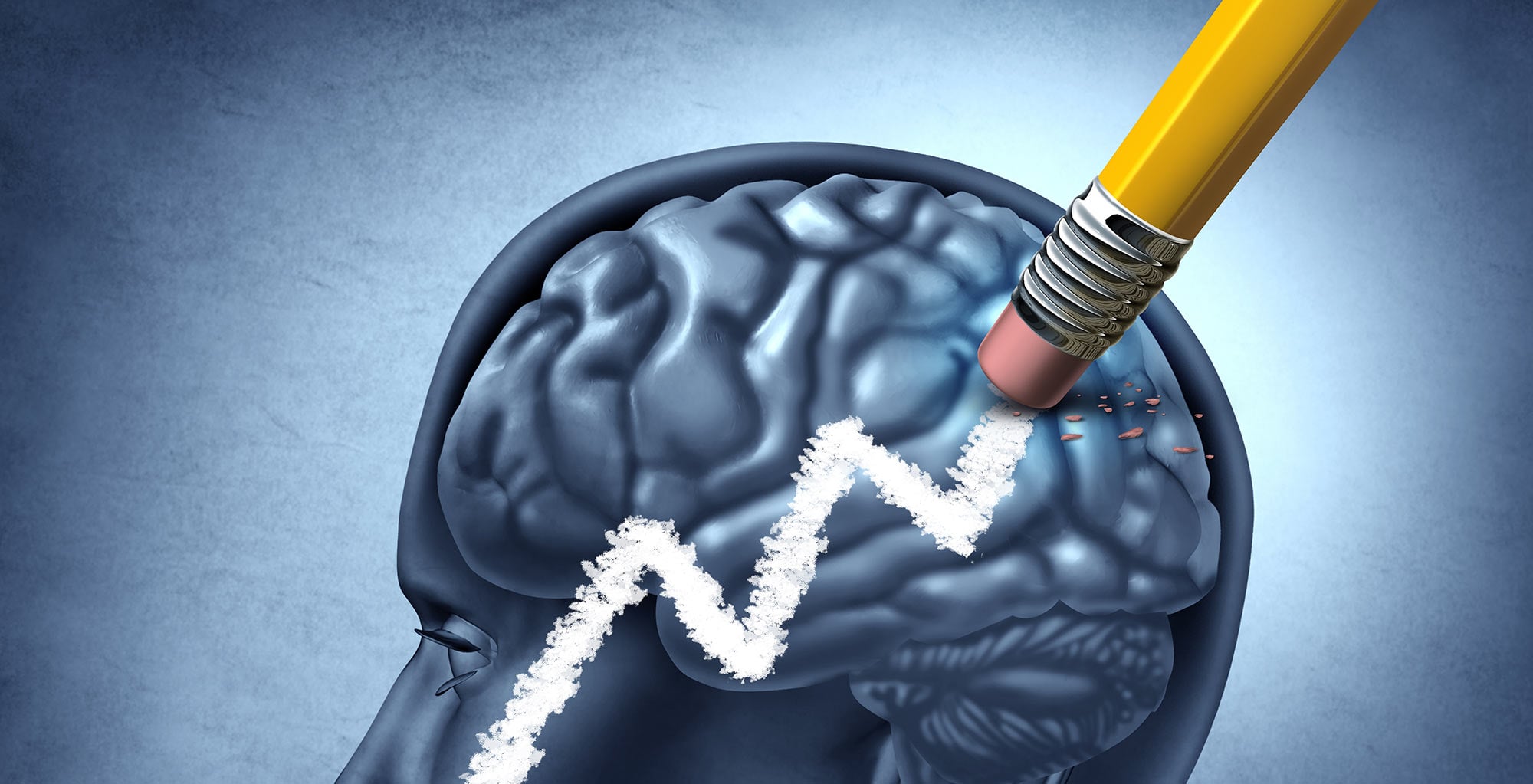
Experimental nose drops helped mice with signs of Alzheimer’s hold on to their memory, even though the treatment left the brain’s telltale protein clumps in place.
What if some of the memory loss associated with aging could be reversed with something as simple as nose drops?
Scientists at the University of Sydney have taken a promising step toward that possibility, developing an experimental treatment that restored learning and memory performance in older mice to levels comparable to those of younger animals. The same approach also protected mice genetically predisposed to Alzheimer’s-like disease from cognitive decline.
Both experiments centered on brain-derived neurotrophic factor (BDNF), a protein that helps nerve cells survive and adjust their connections as memories form. Lower levels of BDNF are associated with aging and Alzheimer’s disease. Supplying the brain with more of the protein poses a familiar problem. The blood-brain barrier keeps many medicines in the bloodstream from reaching brain tissue. Connections between the nasal cavity and the brain offer another way in, without surgery or injections into the brain or spinal cord.
“If we can proceed quickly to clinical trials in humans, this approach could represent a world-first non-invasive delivery system to treat Alzheimer’s that bypasses the blood-brain barrier,” said Professor Greg Neely, whose lab at the university’s Charles Perkins Centre led the study.
Vaccine technology takes a nasal route
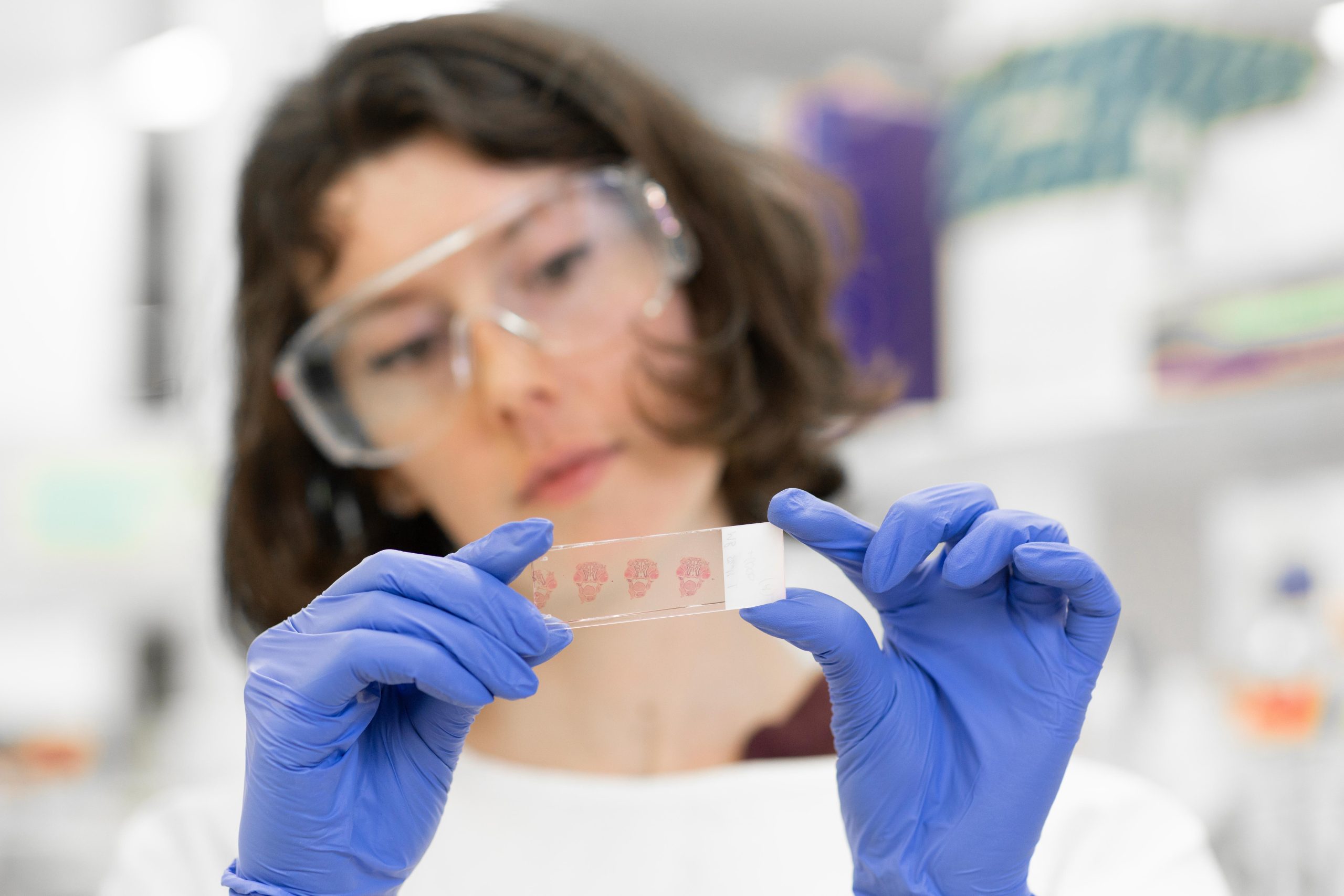
The researchers adapted the clinically validated design of the messenger RNA (mRNA) used in BioNTech’s COVID-19 vaccine, where it carries instructions that prompt an immune response. For the nose drops, the team packaged mRNA carrying instructions for BDNF in tiny particles made of fats, called lipid nanoparticles (LNPs). As the researchers reported in Advanced Science, cells in the nose read those instructions and made the protein, which could then reach the brain.
“The success of mRNA vaccines showed these systems can safely deliver genetic instructions to cells,” said first author Dr. Maria Bergamasco of the university’s School of Life and Environmental Sciences. “We wanted to see whether we could adapt that technology to deliver beneficial proteins to the brain in a completely non-invasive way.”
To compare older and younger mice, the researchers used standardized behavioral tests that measured how well the animals could hold information in mind briefly, remember places, and recognize objects.
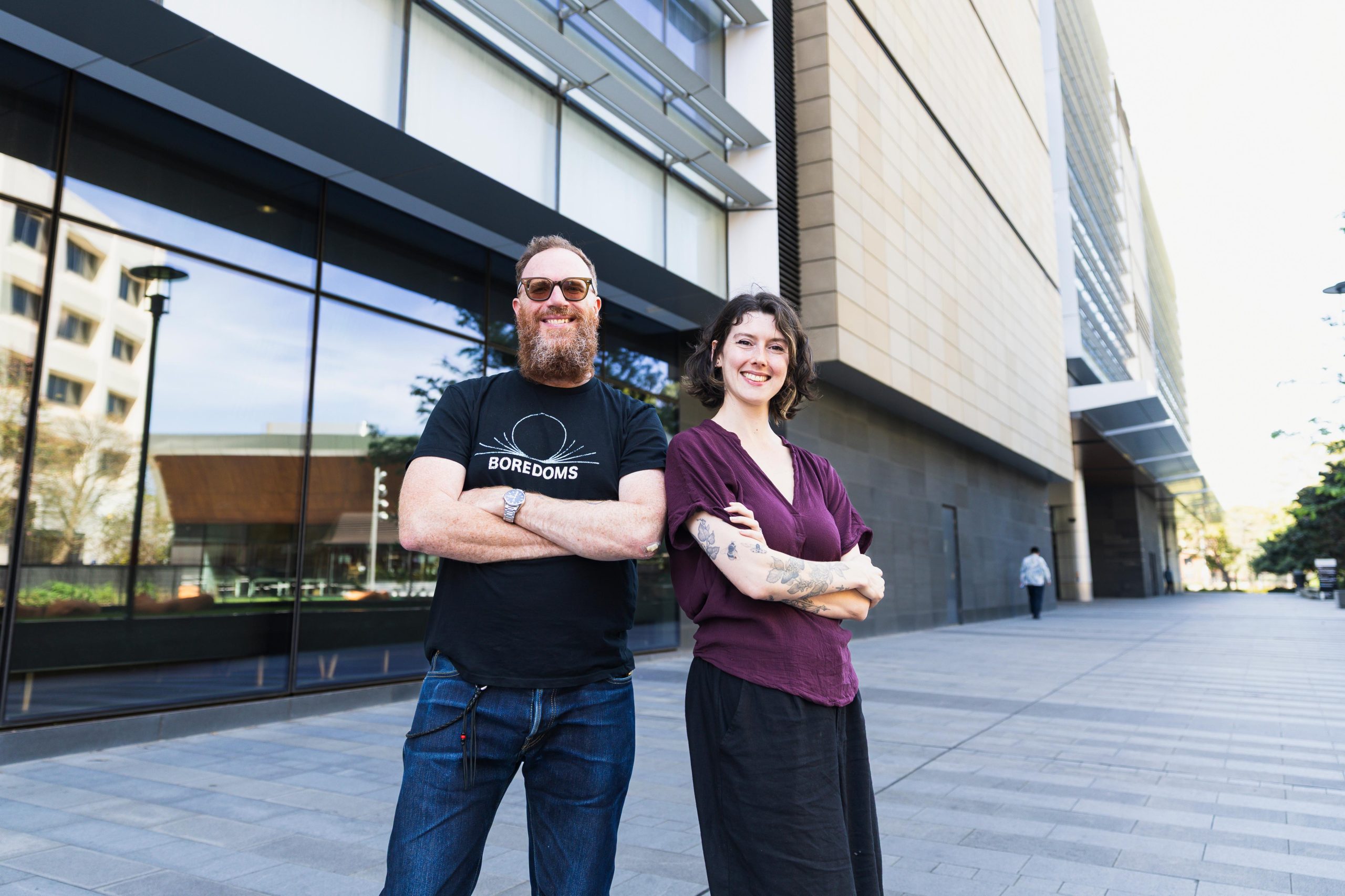
“In aged mice, we saw learning and memory significantly increased, returning animal cognition to its youthful prime,” Neely said. “What’s exciting is that this was achieved with a simple non-invasive nasal delivery system that builds on the same underlying mRNA-LNP technology platform many people became familiar with during the COVID-19 pandemic.”
Preserving memory without reducing brain plaques
For the Alzheimer’s experiment, the team used 5XFAD mice, a “humanized” model in which genetic mutations cause signs of the disease to appear rapidly. The researchers gave the mice nose drops twice a week starting at two months of age, when the first changes in the brain are usually detectable. At four months, when these mice typically begin to lose cognitive abilities, the treated animals showed no further decline.
The researchers also saw more new neurons forming in the hippocampus, a brain region critical for learning and memory. In the Alzheimer’s model, the drops preserved brain function without reducing amyloid plaques, the clumps of protein that are a hallmark of the disease.
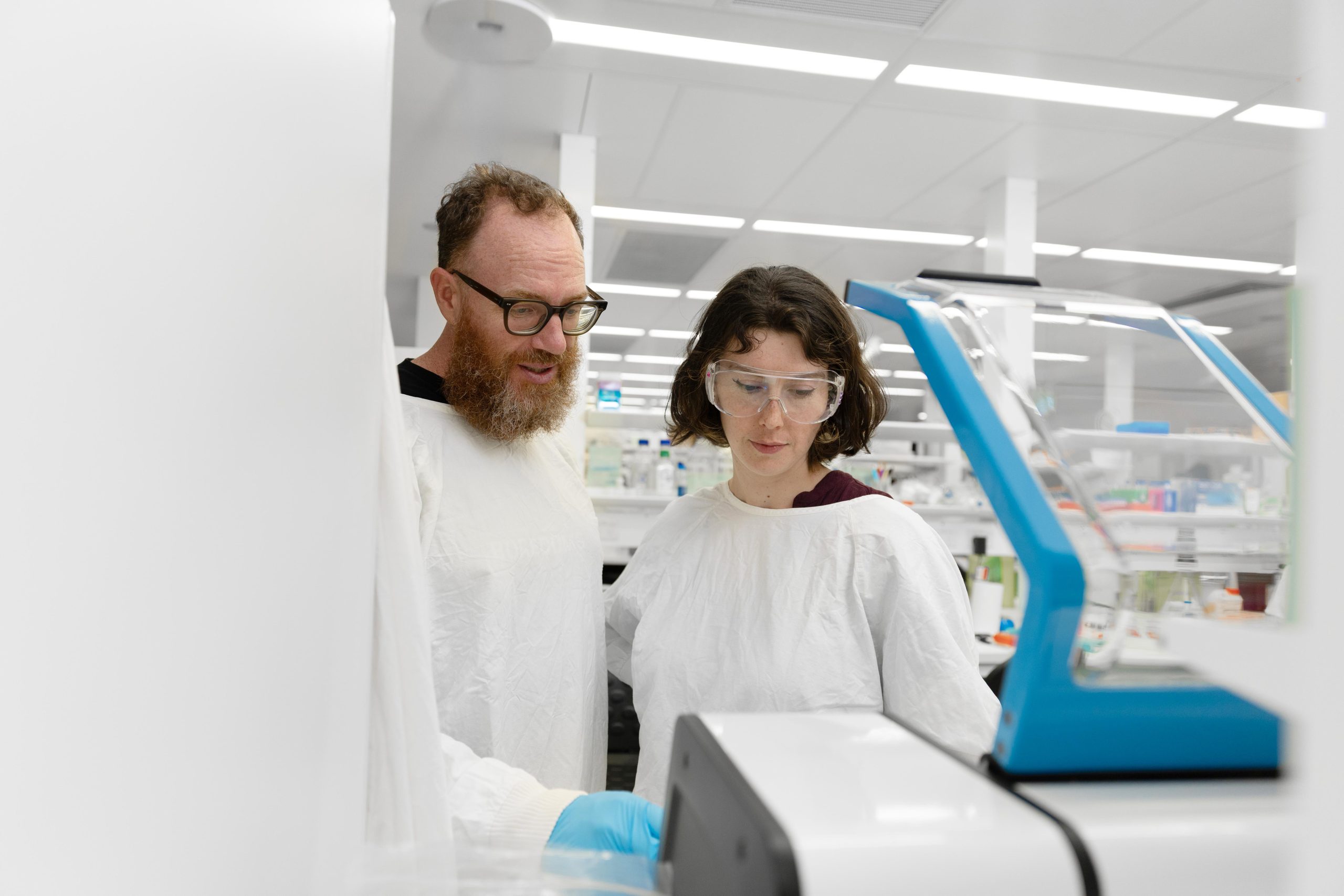
“Current Alzheimer’s treatments largely focus on clearing these amyloid plaques,” Neely said. “However just under a third of Alzheimer’s patients have serious plaques but do not suffer from dementia, and these patients show naturally higher BDNF levels, suggesting if we raise BDNF, it’s possible to live with Alzheimer’s disease pathology.”
“Our approach seems to work not by clearing plaques but by supporting the health, survival and connectivity of neurons themselves. It raises the possibility these therapies could eventually work alongside each other.”
Nose drops still need human testing
The researchers think the nasal delivery system could eventually carry medicines for stroke, traumatic brain injury, and rare genetic and developmental diseases. “This is a very exciting proof of concept for a method to deliver mRNA-encoded cargo to the nervous system directly through the nose,” Neely said.
The mice appeared to tolerate the drops well, with no major side effects detected during the study. “Before we can trial this therapy in patients, we need to perform a series of safety studies in animals,” Neely said. “It is a very promising pathway, but human noses are different from mouse noses, so we will need to test our drugs in humans to before we know whether it will work.
“We believe our new drug, if it works in humans, can promote general cognitive health as people age, should help treat a variety of neurodegenerative diseases, and may even increase cognitive abilities in healthy young people.”
The team plans to refine the delivery system and assess its long-term safety and effectiveness. “Based on previous clinical trials, we know the components used in this study to be safe in humans,” Neely said. “We hope we can move quickly through the requisite safety studies and trial this treatment in humans in the next two years.”
Reference: “Bdnf mRNA-LNP Drives Nasal Epithelial BDNF Production and Improves Cognition in Aged and Alzheimer’s Disease Mouse Models” by Maria Bergamasco, Hannah Scarborough, Anna Ponta, Teleri Clark, Scott B. Cohen, Lipin Loo, Kazuma Fujikake, Rebecca Carr, R.M. Damian Holsinger and G.Gregory. Neely, 18 November 2026, Advanced Science.
DOI: 10.1002/advs.78225
Funding was received from the National Health and Medical Research Council, the NSW Ministry of Health and an ongoing philanthropic donation from Dr John and Anne Chong to support the work of the Neely Lab.
Disclosure: Greg Neely and Maria Bergamasco are inventors on a provisional patent application related to this work.
Never miss a breakthrough: Join the SciTechDaily newsletter.
Follow us on Google and Google News.