
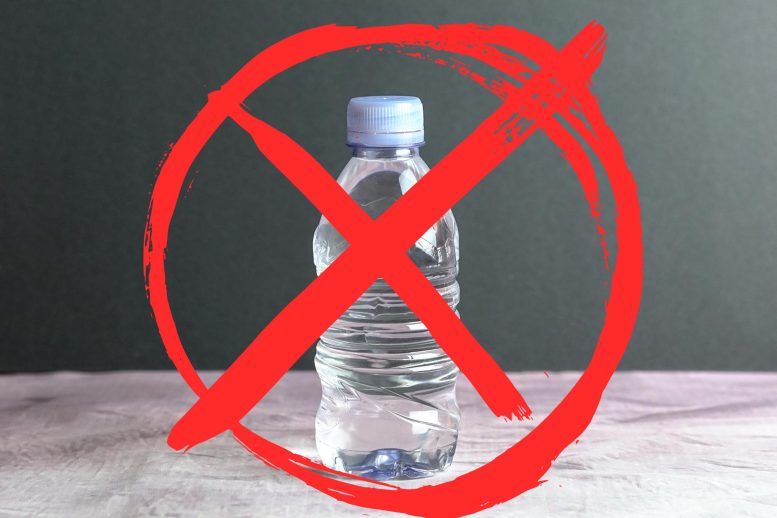
Nitrate is present in tap water and bottled water, largely due to the use of fertilizer in agriculture and the manure produced by intensive livestock farming.
The nitrate ingested over the course of a person’s adult lifetime through the consumption of tap water and bottled water could be a risk factor for prostate cancer, particularly in the case of aggressive tumors and in younger men. This is the conclusion of a study conducted in Spain and led by the Barcelona Institute for Global Health (ISGlobal), a center supported by the ”la Caixa” Foundation. The findings were published on March 8 in the journal Environmental Health Perspectives.
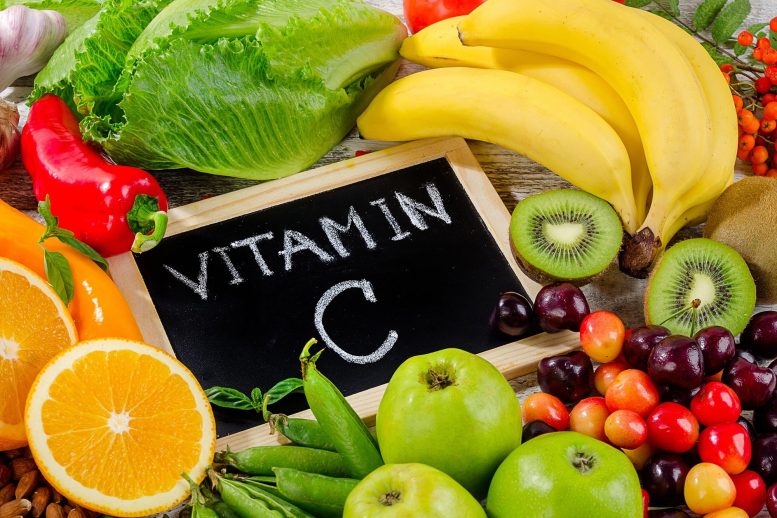
The study also suggests that diet plays an important role. The researchers found that eating plenty of fiber, fruit/vegetables, and vitamin C could reduce the negative effect of nitrate in drinking water.
Ingestion of Waterborne Nitrate and Trihalomethanes
The aim of the study was to assess whether there was an association between the ingestion of waterborne nitrate and trihalomethanes (THMs) and the risk of prostate cancer. Nitrate and THMs are two of the most common contaminants in drinking water. The nitrate present in the water comes from agricultural fertilizers and manure from intensive livestock farming; it is washed into aquifers and rivers by rainfall. “Nitrate is a compound that is a part of nature, but we have altered its natural cycle,” explained Cristina Villanueva, an ISGlobal researcher specializing in water pollution. The new study looked at whether long-term exposure to nitrite throughout adulthood could lead to cancer.
THMs are by-products of water disinfection—i.e. chemical compounds formed after drinking water is disinfected, usually with chlorine. Unlike nitrate, for which the only route of entry is ingestion, THMs can also be inhaled and absorbed through the skin while showering, swimming in pools, or washing dishes. Long-term exposure to THMs has been associated with an increased risk of bladder cancer, but evidence of the relationship between THMs and other types of cancer is, to date, very limited.
Prostate Cancer and Long-Term Exposure to Nitrate and THMs in Drinking Water
To evaluate the possible association between prostate cancer and long-term exposure to nitrate and THMs in drinking water, a research team led by ISGlobal studied 697 cases of prostate cancer in Spanish hospitals between 2008 and 2013 (including 97 aggressive tumors), as well as a control group made up of 927 men aged 38-85 years who had not been diagnosed with cancer at the time of the study. The average nitrate and trihalomethanes to which each participant had been exposed since the age of 18 was estimated based on where they had lived and the type (tap water, bottled water or, in some cases, well water) and amount of water they had drunk throughout their lives. Estimates were made on the basis of available data from drinking water controls carried out by municipalities or concessionary companies, from analyses of bottled water of the most widely distributed brands, and from measurements taken in different Spanish locations supplied by groundwater.
The findings showed that the higher the nitrate intake, the greater the association with prostate cancer. Participants with higher waterborne nitrate ingestion (lifetime average of more than 14 mg per day) were 1.6 times more likely to develop low-grade or medium-grade prostate cancer and nearly 3 times more likely to develop an aggressive prostate tumor than participants with lower nitrate intakes (lifetime average of less than 6 mg per day).
“It has been suggested that aggressive prostate cancers, which are associated with a worse prognosis, have different underlying aetiological causes than slow-growing tumors with an indolent course, and our findings confirm this possibility,” explained ISGlobal researcher Carolina Donat-Vargas, lead author of the study. “The risks associated with waterborne nitrate ingestion are already observed in people who consume water with nitrate levels below the maximum level allowed by European directives, which is 50 mg of nitrate per liter of water.”
Drinking Water Does Not Imply Getting Cancer
The authors noted that this study simply provides the first evidence of the association, which will need to be confirmed through further research. Therefore, there is still a long way to go before we can assert a causal relationship. “Being exposed to nitrates through drinking water does not mean that you are going to develop prostate cancer,” commented Donat-Vargas. “Our hope is that this study, and others, will encourage a review of the levels of nitrate that are allowed in water, in order to ensure that there is no risk to human health.”
While the ingestion of waterborne THMs was not associated with prostate cancer, THM concentrations in residential tap water were associated with the development of these tumors, suggesting that inhalation and dermal exposure may play a significant role in total exposure. Further studies properly quantifying exposure to THMs via multiple routes are needed to draw firm conclusions.
Fiber, Fruit, Vegetables and Vitamin C to Prevent Prostate Cancer
Participants also completed a food frequency questionnaire, which provided individual dietary information. A striking finding of the study was that the association between ingested nitrate and prostate cancer were only observed in men with lower intakes of fiber, fruit/vegetables, and vitamin C. “Antioxidants, vitamins and polyphenols in fruits and vegetables may inhibit the formation of nitrosamines—compounds with carcinogenic potential—in the stomach,” explained Donat-Vargas. “Moreover, vitamin C has shown significant anti-tumor activity. And fiber, for its part, benefits the intestinal bacteria, which protect against food-derived toxicants, including nitrosamines.” In participants with lower intakes of fiber (=11 g/day), higher nitrate intake increased the likelihood of prostate cancer by a factor of 2.3. However, in those with higher intakes of fiber (>11 g/day), higher nitrate intake was not associated with an increased likelihood of prostate cancer.
The research team hopes that this study will help to raise awareness of the potential environmental and human health impacts of pollutants in water, and to persuade authorities to ensure more rigorous control of this natural resource. Among the measures proposed by the authors of the study to reduce nitrate levels are “putting an end to the indiscriminate use of fertilizers and pesticides,” and encouraging the adoption of diets that prioritize the health of the planet by reducing the consumption of animal-based foods, especially meat.
Prostate Cancer: The Most Common Cancer in Spanish Men
Prostate cancer appears to be on the rise worldwide. It is currently the most common cancer in Spanish men, among whom it accounts for 22% of all tumors diagnosed. However, its causes remain largely unknown, and it is one of the few cancers for which the International Agency for Research on Cancer (IARC) has not identified a clear carcinogenic agent. The currently recognized risk factors—age, ethnicity, and family history—are non-modifiable. However, it is suspected that certain environmental exposures may contribute to the development of prostate cancer, especially in its advanced-stage and more aggressive forms. Therefore, it is vitally important to continue exploring the environmental factors that may contribute to the development of this cancer, so that action can be taken to prevent it.
Reference: “Long-Term Exposure to Nitrate and Trihalomethanes in Drinking Water and Prostate Cancer: A Multicase–Control Study in Spain (MCC-Spain)” by Carolina Donat-Vargas, Manolis Kogevinas, Gemma Castaño-Vinyals, Beatriz Pérez-Gómez, Javier Llorca, Mercedes Vanaclocha-Espí, Guillermo Fernandez-Tardon, Laura Costas, Nuria Aragonés, Inés Gómez-Acebo, Victor Moreno, Marina Pollan and Cristina M. Villanueva, 8 March 2023, Environmental Health Perspectives.
DOI: 10.1289/EHP11391
Never miss a breakthrough: Join the SciTechDaily newsletter.
Follow us on Google and Google News.
2 Comments
Sounds interesting
what is it this