
Close Menu
    Facebook X (Twitter) Instagram
    SciTechDaily
    • Biology
    • Chemistry
    • Earth
    • Health
    • Physics
    • Science
    • Space
    • Technology
    Facebook X (Twitter) Pinterest YouTube RSS
    SciTechDaily
    Home»Health»Low-Dose Aspirin Linked to 15% Lower Risk of Diabetes in Older Adults
    Health

    Low-Dose Aspirin Linked to 15% Lower Risk of Diabetes in Older Adults

    By DiabetologiaSeptember 18, 2023No Comments3 Mins Read
    Facebook Twitter Pinterest Telegram LinkedIn WhatsApp Email Reddit
    Share
    Facebook Twitter LinkedIn Pinterest Telegram Email Reddit
    Aspirin
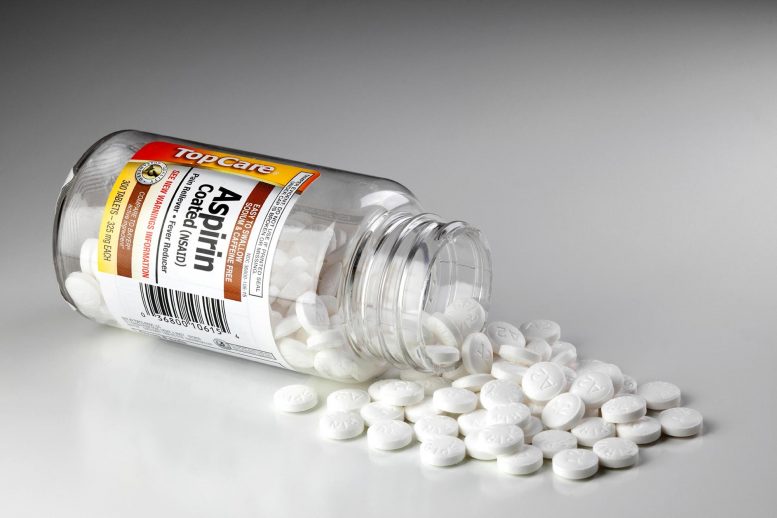
    Low-dose aspirin among adults aged 65 and older resulted in a 15% reduced risk of developing type 2 diabetes, according to a recent study. However, despite these findings, past studies indicated a significant risk of bleeding with aspirin use, urging caution in prescribing it for older adults.

    Due to the potential for bleeding in older individuals, current prescribing guidelines suggest that elderly adults should only take daily aspirin for specific medical reasons, like following a heart attack.

    New research to be presented at this year’s Annual Meeting of the European Association for the Study of Diabetes (EASD) in Hamburg, Germany (2-6 October) reveals that administering a daily dose of 100mg of aspirin can potentially reduce the risk of type 2 diabetes by 15% in individuals who are 65 years of age or older.

    The authors, led by Professor Sophia Zoungas, School of Public Health and Preventive Medicine, Monash University, Melbourne, Australia, emphasize that these findings highlight the need for deeper exploration into the role of anti-inflammatory agents like aspirin in diabetes prevention.

    The effect of aspirin on incident type 2 diabetes among older adults remains uncertain. This study investigated the randomized treatment effect of low-dose aspirin on incident diabetes and fasting plasma glucose (FPG) levels among older adults. The authors did a follow-up study of the ASPREE trial – a double-blind, placebo-controlled trial of aspirin, the principal results of which were published in NEJM in 2018. The original study showed that aspirin conferred a 38% increased risk of major hemorrhage in older adults without any reduction in the incidence of cardiovascular disease.

    The study enrolled community-dwelling individuals aged 65 years or over, and free of cardiovascular disease, independence-limiting physical disability, and dementia. Participants were randomized 1:1 to 100 mg daily aspirin or placebo. Incident diabetes was defined as a self-report of diabetes, the commencement of glucose-lowering medication, and/or a fasting plasma glucose (FBP) level of 7.0 mmol/L or higher at annual follow-up visits. Patients with diabetes at the start of the study were excluded. Computer and statistical modeling assessed the effect of aspirin on incident diabetes and FPG levels respectively.

    A total of 16,209 participants were included in the analysis (8,086 randomized to aspirin and 8,123 to placebo). Over a median follow-up of 4.7 years, 995 incident diabetes cases were recorded (aspirin: 459, placebo: 536). Compared with placebo, the aspirin group had a 15% reduction in incident diabetes and a slower rate of increase in FPG (difference in annual FPG change: -0.006 mmol/L).

    The authors say: “Aspirin treatment reduced incident diabetes and slowed the increase in fasting plasma glucose over time among initially healthy older adults. Given the increasing prevalence of type 2 diabetes among older adults, the potential for anti-inflammatory agents like aspirin to prevent type 2 diabetes or improve glucose levels needs further study.”

    However, Professor Zoungas adds: “The earlier published trial findings from ASPREE in 2018 showed aspirin did not prolong healthy independent living, but was associated with a significantly increased risk of bleeding, primarily in the gastrointestinal tract. Major prescribing guidelines now recommend older adults take daily aspirin only when there is a medical reason to do so, such as after a heart attack.”

    “Although these new findings are of interest, they do not change the clinical advice about aspirin use in older people at this time.”

    Meeting: Annual Meeting of the European Association for the Study of Diabetes (EASD)

    Never miss a breakthrough: Join the SciTechDaily newsletter.
    Follow us on Google and Google News.

    Diabetes Diabetologia Monash University
    Share. Facebook Twitter Pinterest LinkedIn Email Reddit

    Related Articles

    Anti-Aging: Scientists Discovered an Enzyme That Is Key to Why Exercise Improves Our Health

    Weight Loss of 15% or More Should Be Central Focus of Type 2 Diabetes Management

    New Research Shows That Regular Physical Activity – Even in Polluted Areas – Is an Effective Strategy to Prevent Type 2 Diabetes

    New Data on COVID-19 Patients With Diabetes: 20% Die Within 28 Days of Hospital Admission

    Disturbing New Research Shows Diabetes Set to Devastate India’s Metropolitan Cities

    Frequent Tooth Brushing Linked to Lower Risk of Diabetes

    Strong Link Between Vitamin D Deficiency and Vastly Increased Risk of Premature Death

    Eye Scan Can Predict Type 2 Diabetes and Prediabetes

    Obesity Linked to a Nearly 6x Increased Risk of Developing Type 2 Diabetes

    Leave A Reply Cancel Reply

    • Facebook
    • Twitter
    • Pinterest
    • YouTube

    Don't Miss a Discovery

    Subscribe for the Latest in Science & Tech!

    Trending News

    “I Couldn’t Do It Anymore” – Antarctic Guides Quit Their Dream Jobs After Witnessing Tourism’s Damage

    Scientists Say Eating Less Protein May Help You Live Longer

    Scientists Solve a Long-Standing Mystery About Bird and Dinosaur Eggs

    Belly Fat and Low Vitamin D May More Than Double the Risk of Early Death

    Lost in Space: Rare Cosmic Flare Exposes a Wandering Black Hole Far From Its Galaxy’s Center

    Dark Matter May Be Leaving a Signal in Earth’s Atmosphere

    Scientists Discover a 300-Million-Year-Old Geological Time Capsule Inside Fossilized Wood

    Oral Weight Loss Pill Helps Patients Lose up to 12% of Body Weight

    Follow SciTechDaily
    • Facebook
    • Twitter
    • YouTube
    • Pinterest
    • Newsletter
    • RSS
    SciTech News
    • Biology News
    • Chemistry News
    • Earth News
    • Health News
    • Physics News
    • Science News
    • Space News
    • Technology News
    Recent Posts
    • Industrial Chicken Farming Is Supercharging the Spread of a Dangerous Foodborne Bacterium
    • Honeybee Queens May Pass Toxic Chemicals to the Next Generation
    • This Common Amino Acid May Help the Body Fight Cancer and Viruses
    • Schizophrenia’s Brain Damage May Start in One Key Region
    • A Simple Treatment Could Save Extremely Premature Babies From Blindness
    Copyright © 1998 - 2026 SciTechDaily. All Rights Reserved.
    • Science News
    • About
    • Contact
    • Editorial Board
    • Privacy Policy
    • Terms of Use

    Type above and press Enter to search. Press Esc to cancel.