
Close Menu
    Facebook X (Twitter) Instagram
    SciTechDaily
    • Biology
    • Chemistry
    • Earth
    • Health
    • Physics
    • Science
    • Space
    • Technology
    Facebook X (Twitter) Pinterest YouTube RSS
    SciTechDaily
    Home»Space»NASA’s PACE Mission Faces Another Launch Delay Due to Weather Challenges
    Space

    NASA’s PACE Mission Faces Another Launch Delay Due to Weather Challenges

    By NASAFebruary 6, 2024No Comments2 Mins Read
    Facebook Twitter Pinterest Telegram LinkedIn WhatsApp Email Reddit
    Share
    Facebook Twitter LinkedIn Pinterest Telegram Email Reddit
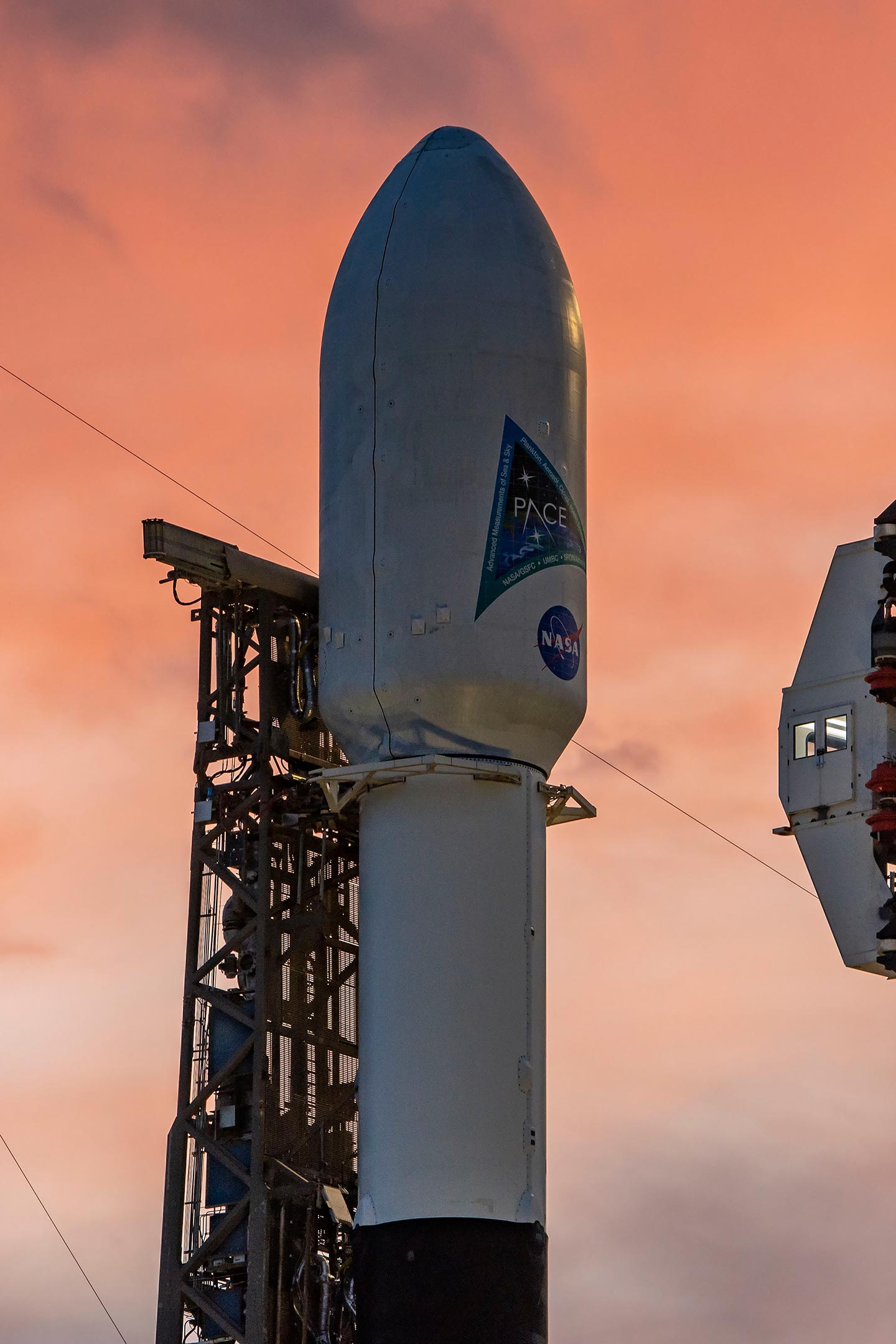
    SpaceX Falcon 9 Rocket With NASA PACE Spacecraft
    A SpaceX Falcon 9 rocket with NASA’s PACE (Plankton, Aerosol, Cloud, ocean Ecosystem) spacecraft stands vertical at Space Launch Complex 40 at Cape Canaveral Space Force Station in Florida on Monday, February 5, 2024. PACE is NASA’s newest earth-observing satellite that will help increase our understanding of Earth’s oceans, atmosphere, and climate by delivering hyperspectral observations of microscopic marine organisms called phytoplankton as well new data on clouds and aerosols. Credit: SpaceX

    NASA and SpaceX are standing down from the Wednesday, February 7, launch of the agency’s Plankton, Aerosol, Cloud, ocean Ecosystem (PACE) mission due to ground winds preventing prelaunch checkouts. Previously, the launch was targeted for February 6, but that was scrubbed due to unfavorable weather conditions.

    The team is targeting liftoff at 1:33 a.m. EST on Thursday, February 8, on a SpaceX Falcon 9 rocket from Space Launch Complex 40 at Cape Canaveral Space Force Station in Florida.

    The satellite and rocket remain healthy and ready for launch.

    Live launch coverage will begin on NASA+ and NASA TV public channel at 12:45 a.m. EST on February 8.
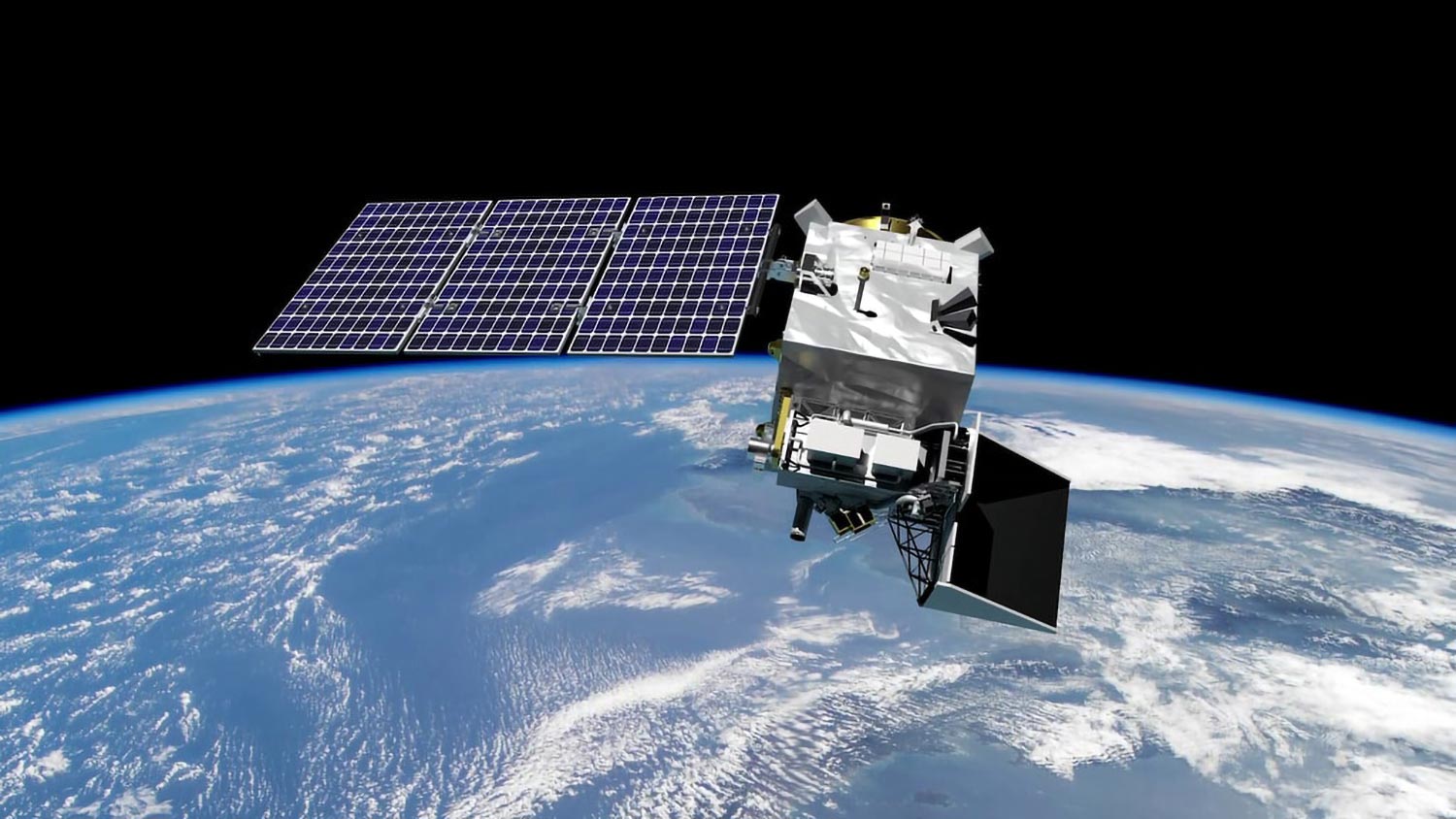
    PACE Spacecraft In Orbit Over Earth
    NASA’s PACE (Plankton, Aerosol, Cloud, ocean Ecosystem) spacecraft in orbit over Earth. Credit: NASA GSFC

    The Plankton, Aerosol, Cloud, ocean Ecosystem (PACE) mission is a NASA initiative designed to advance our understanding of Earth’s ocean and atmosphere interactions. The mission’s primary objective is to monitor global ocean color, aerosols, clouds, and the marine ecosystem from space. By employing a highly advanced set of instruments, including a wide-spectral range ocean color sensor, PACE will enable scientists to study the diversity of phytoplankton in the ocean. These tiny plant-like organisms are foundational to the ocean food web and play a crucial role in carbon cycling and the Earth’s climate.

    PACE aims to provide unprecedented insights into ocean ecological dynamics, air quality, and cloud interactions with aerosols, all of which are critical to improving our understanding of Earth’s climate system and environmental health. The data collected will support a variety of applications, including climate research, air quality forecasting, and the management of coastal and ocean resources. By enhancing our knowledge of the Earth’s oceans and atmosphere, the PACE mission seeks to contribute significantly to environmental preservation and the sustainability of our planet.

    Never miss a breakthrough: Join the SciTechDaily newsletter.
    Follow us on Google and Google News.

    NASA NASA PACE SpaceX
    Share. Facebook Twitter Pinterest LinkedIn Email Reddit

    Related Articles

    Liftoff! NASA’s Pace Soars Into Space Coast Sky – The Long and Winding Road To Launch

    Weather Finally Clears for NASA’s PACE Launch

    Adverse Weather Delays Launch of NASA’s Ocean, Atmosphere, Climate Mission

    Preparing for Launch: NASA’s PACE Spacecraft Mated to Payload Adapter

    NASA Astronauts Train to Fly the SpaceX Crew Dragon Spacecraft

    SpaceX Awarded Contract to Deliver Cargo to Lunar Gateway Orbital Outpost

    SpaceX Dragon Heads to Space Station With Upgraded Science Hardware – Here’s What It’s For

    “Robot Hotel” Launching to the International Space Station on SpaceX Falcon 9 Rocket

    SpaceX Falcon 9 Launches, Dragon Capsule Headed Towards Space Station

    Leave A Reply Cancel Reply

    • Facebook
    • Twitter
    • Pinterest
    • YouTube

    Don't Miss a Discovery

    Subscribe for the Latest in Science & Tech!

    Trending News

    Researchers Warn Widely Prescribed Blood Pressure Drugs Could Be Harming Diabetic Kidneys

    James Webb Spots Something Strange Between Day and Night on an Alien Planet

    How Ancient People Moved a 6-Ton Stone 700 Kilometers to Stonehenge

    The Unexpected Gut Health Risk of Cutting Out Sugar

    Popular Weight-Loss Drugs Like Ozempic Linked to Lower Breast Cancer Risk

    AI Learned the Rules of the Universe and That Became a Problem

    Scientists Found a Hidden Brain Signal That Predicts Social Behavior

    Even GPT-5 Failed This Human Attention Test

    Follow SciTechDaily
    • Facebook
    • Twitter
    • YouTube
    • Pinterest
    • Newsletter
    • RSS
    SciTech News
    • Biology News
    • Chemistry News
    • Earth News
    • Health News
    • Physics News
    • Science News
    • Space News
    • Technology News
    Recent Posts
    • Women’s Brains May Be More Vulnerable to Dementia Risk Factors Than Scientists Realized
    • Scientists Say We’ve Been Wrong About the Aging Brain
    • More Weight Loss, Fewer Fractures? New Study Points to Semaglutide
    • These Tiny Birds Became Giants on Remote Scottish Islands
    • A Fatal Deer Disease May Be Spreading in Ways No One Expected
    Copyright © 1998 - 2026 SciTechDaily. All Rights Reserved.
    • Science News
    • About
    • Contact
    • Editorial Board
    • Privacy Policy
    • Terms of Use

    Type above and press Enter to search. Press Esc to cancel.