
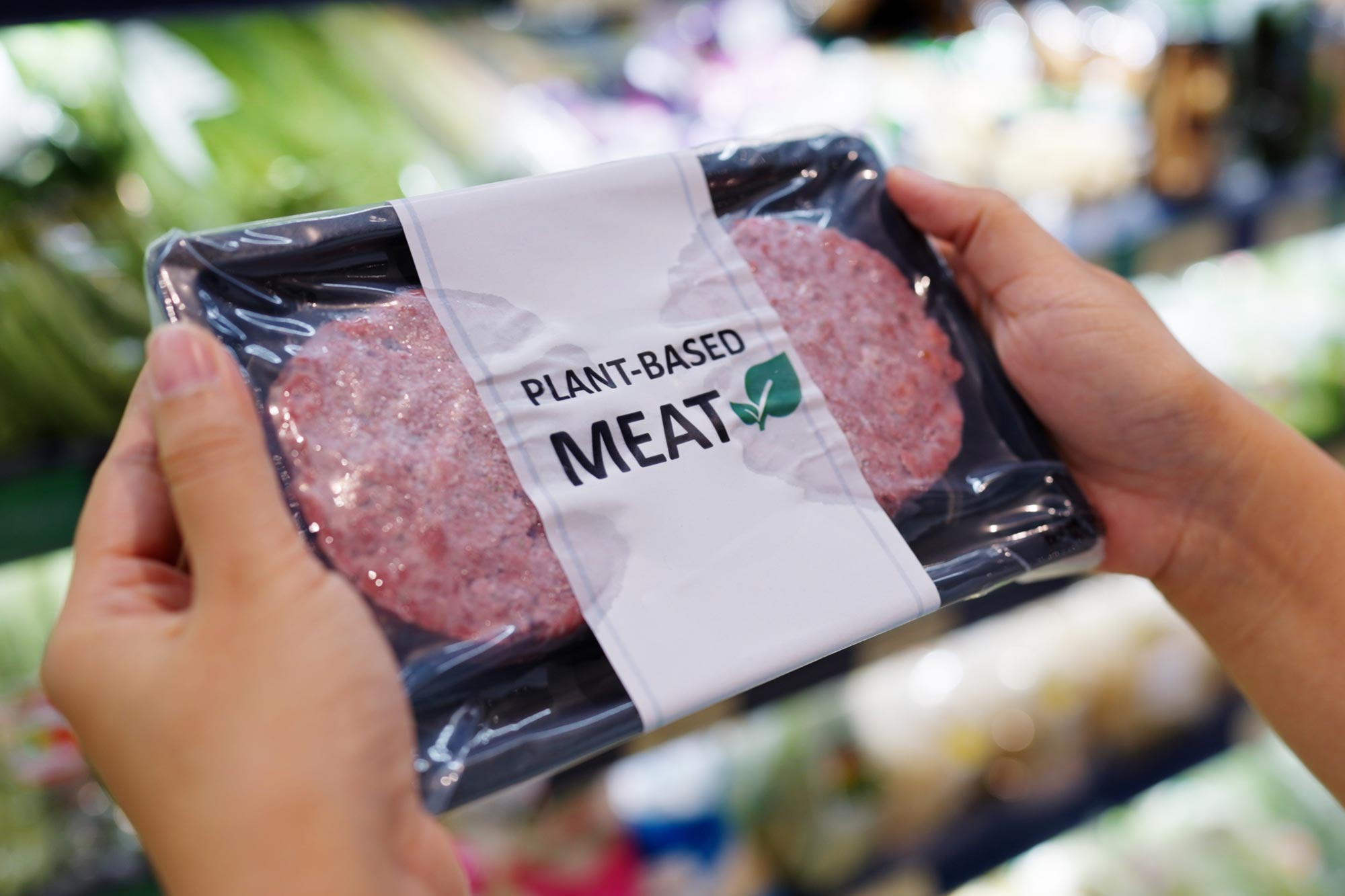
New research on plant-based foods and drinks found that hundreds of vegetarian and vegan products contained mycotoxins, naturally occurring poisonous compounds produced by fungi.
Plant-based meats and drinks are often marketed as modern alternatives to traditional animal products, but many still rely on ingredients that face an age-old food safety problem: mold. A new study found naturally occurring fungal toxins known as mycotoxins in every one of 212 plant-based products tested in the UK.
Researchers detected 19 different mycotoxins across plant-based meat alternatives and beverages, with some products containing several at once. The study, led by the University of Parma in Italy and coauthored by Cranfield University, examined everything from vegan burgers, sausages, and chicken-style pieces to oat, almond, and soy drinks.
Mycotoxin exposure can lead to health concerns
Mycotoxins are especially common in foods made from plants because their raw ingredients, including grains, legumes, and seeds, can be exposed to mold during growing, harvesting, or storage.
The research team found that mycotoxin levels in the UK products they tested were below recommended EU guideline levels, a sign of the strong quality standards used by the UK food industry.
However, previous studies have shown that frequent consumption of even low levels of mycotoxins can increase overall exposure over time and may raise health concerns. Eating these products individually is unlikely to cause problems, but a diet based entirely on foods made from plants could lead to cumulative mycotoxin exposure if not properly managed. In very serious cases, exposure to mycotoxins can contribute to health problems such as liver and kidney damage, immune system suppression, and cancer.
The data from this study offers a foundation for assessing dietary exposure and developing more accurate risk assessments in the UK.
Raw material monitoring should be extended, say experts
Andrea Patriarca, Senior Lecturer in Mycology at Cranfield University, said:
“Mycotoxins occur naturally in foods and cannot be completely avoided. As consumers, we should not be frightened or deterred from enjoying a variety of products.
However, a significant concern arises when new foods enter the market, as there are currently no established regulations to monitor mycotoxins. We collaborate closely with various sectors in the food industry, from farmers to food companies, to help implement effective mycotoxin management integrated within food safety standards. The data from our research helps food safety organizations in assessing risks, particularly in complex multi-ingredient products.
We are currently collaborating with the University of Parma to evaluate the risks faced by the population based on different dietary habits. Our aim is to advise policymakers and raise awareness among vulnerable consumers.”
Reference: “Mycotoxin contamination in plant-based beverages and meat alternatives: A survey of the UK market” by Raquel Torrijos, Octavian Augustin Mihalache, Andrea Patriarca, Angel Medina and Chiara Dall’Asta, 9 December 2025, Food Control.
DOI: 10.1016/j.foodcont.2025.111910
This work was carried out under the Horizon Europe FunShield4Med project (HORIZON-WIDERA-2021-ACCESS-03) Grant Agreement No 101079173 funded by the European Union.
Never miss a breakthrough: Join the SciTechDaily newsletter.
Follow us on Google and Google News.
12 Comments
Nothing like a bit of fear mongering to thwart the rise of plant based eating eh?
Wow, what a lobby article.
0.458% of the products contained amounts WITHIN the EU regulations.
Now go check the meat products for antibiotics amounts etc etc.
Non-vegans are pro-slavery.
You made the least inelligent comment I have ever seen on this site. Congrats!
Food contains toxins caused from poor storage? Wow..Who knew?
You want to know what also has mycotoxins in it? Nuts, dairy, cereal grains, coffee, cocoa, dried fruits, fermented alcohols and oh yeah, actual meat. Especially organ meats. Guess we better all stop eating everything.
Thank you!!
I wish I had the time back that I spent reading this pointless ass fear mongering headline.
Need to rename your website to junktechdaily. Reports of toxins without context is seriously unprofessional. There is plenty of epidemiology on plant based meats showing health benefits relative to animal based meats. So they could have a zillion things with long scary names and it would be irrelevant.
If you think that’s bad, you should see the pathogen levels in CONVENTIONAL meat.
So bread then.
It’s called Fart Food, people stink enough, now the vegan based food are disgusting, anyone who eats this gassy fake meat is farting 24hrs a day. bloated, and sick, can’t function normally due to the squirts.
vegan foods are a real gas with the runs down you legs.
be careful