
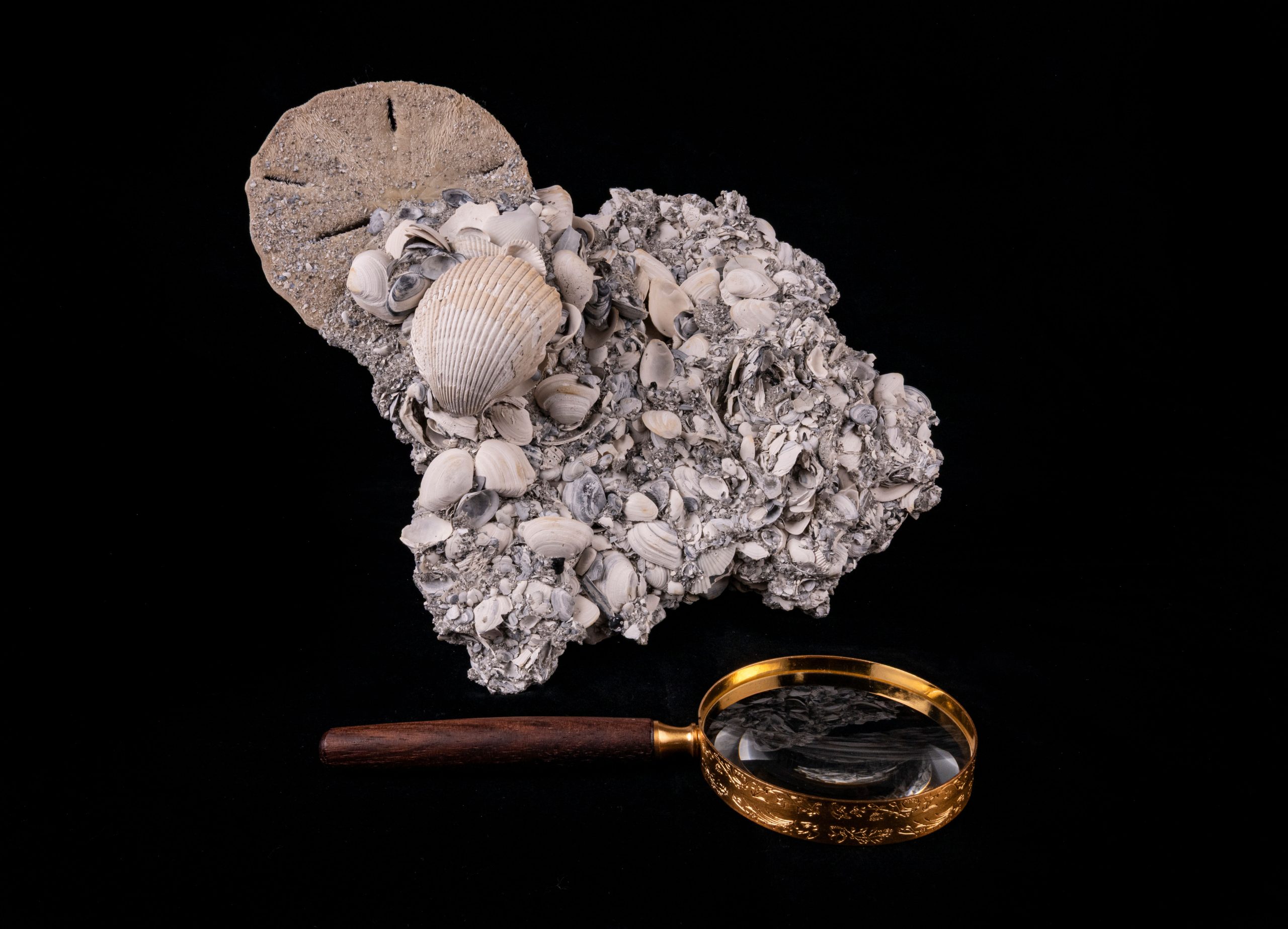
How quickly sediment accumulates on the seafloor appears to be the key factor determining whether fossils from different time periods become mixed together.
A single layer of marine fossils can look like a snapshot of one ancient community even when the organisms preserved side by side actually lived hundreds or thousands of years apart. For paleontologists trying to reconstruct past ecosystems, knowing how much time is compressed into that layer is essential.
“What continually amazes me is just how much time a bunch of fossils collected from a single sediment layer can represent. In some cases, well-preserved fossil organisms that are found next to each other might have lived hundreds or thousands of years apart,” wrote Rafal Nawrot, a paleontologist at the University of Vienna.
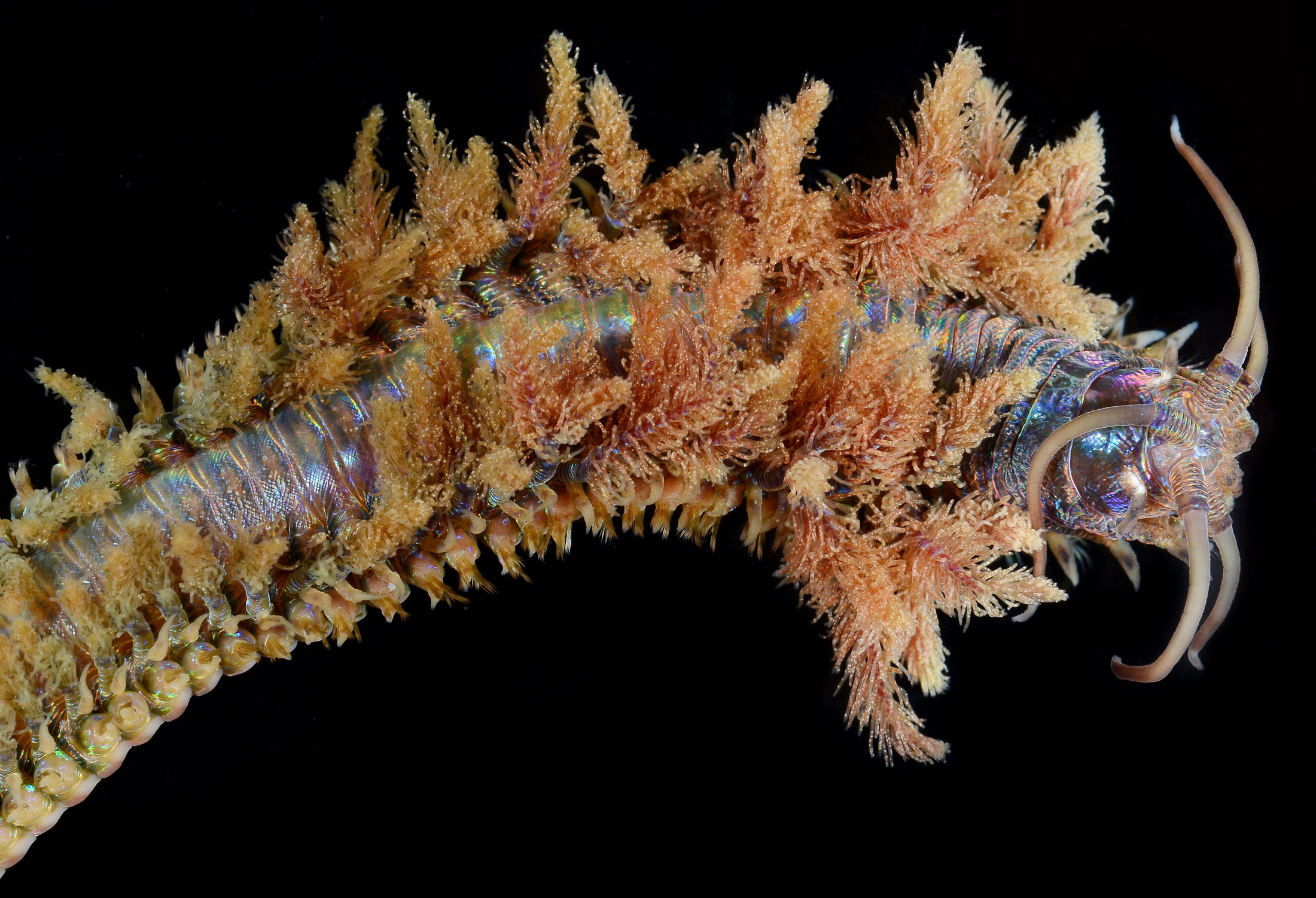
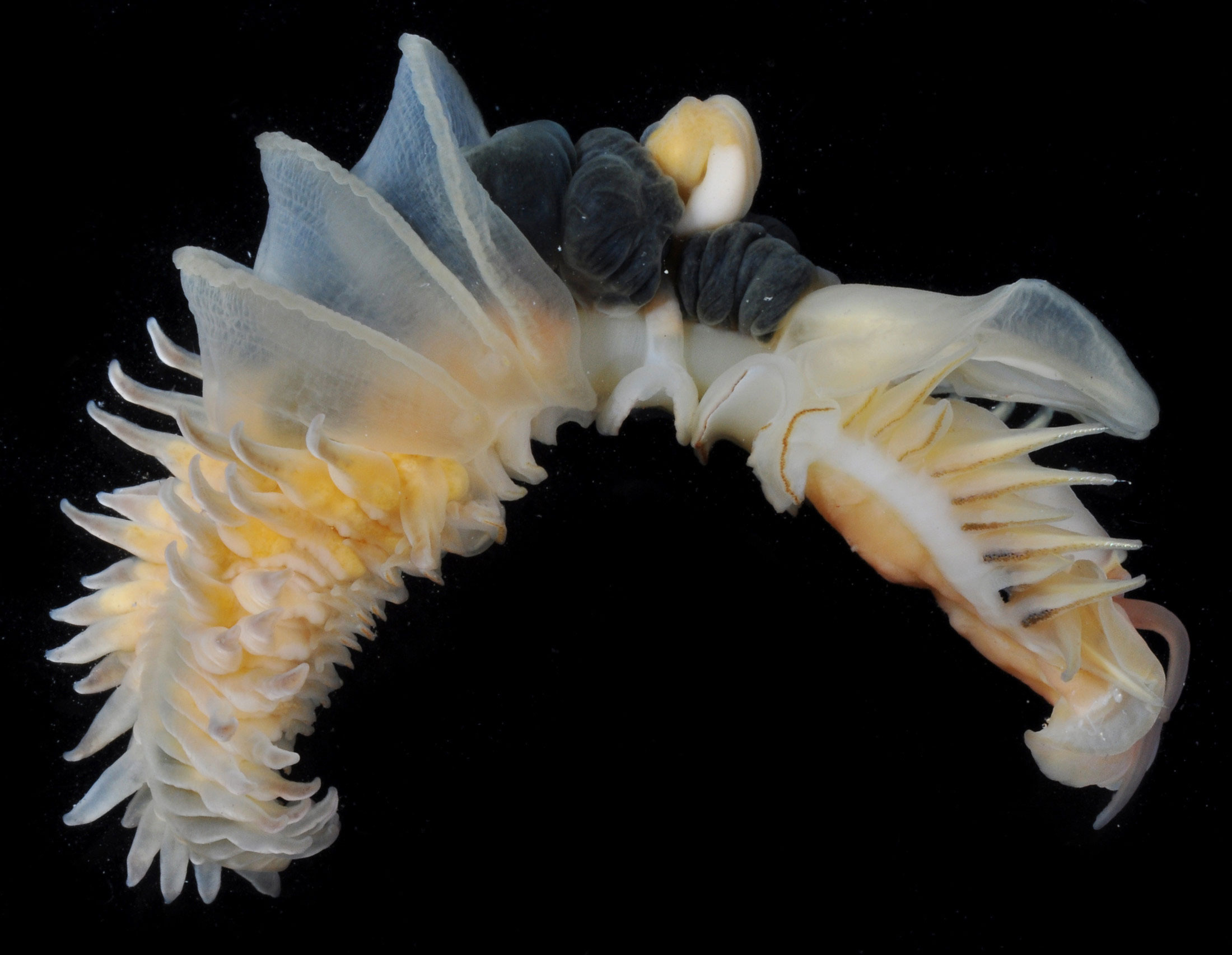
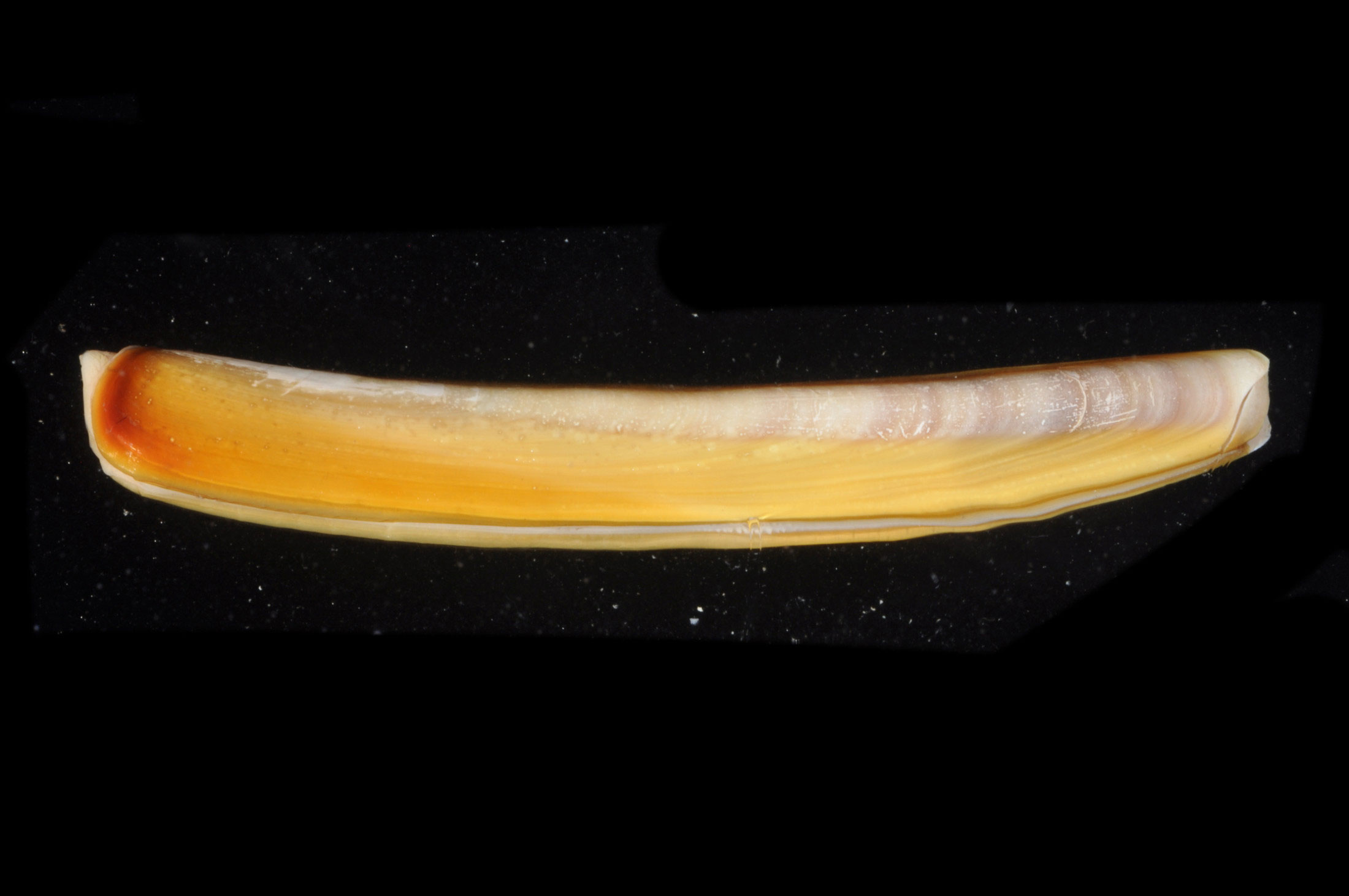
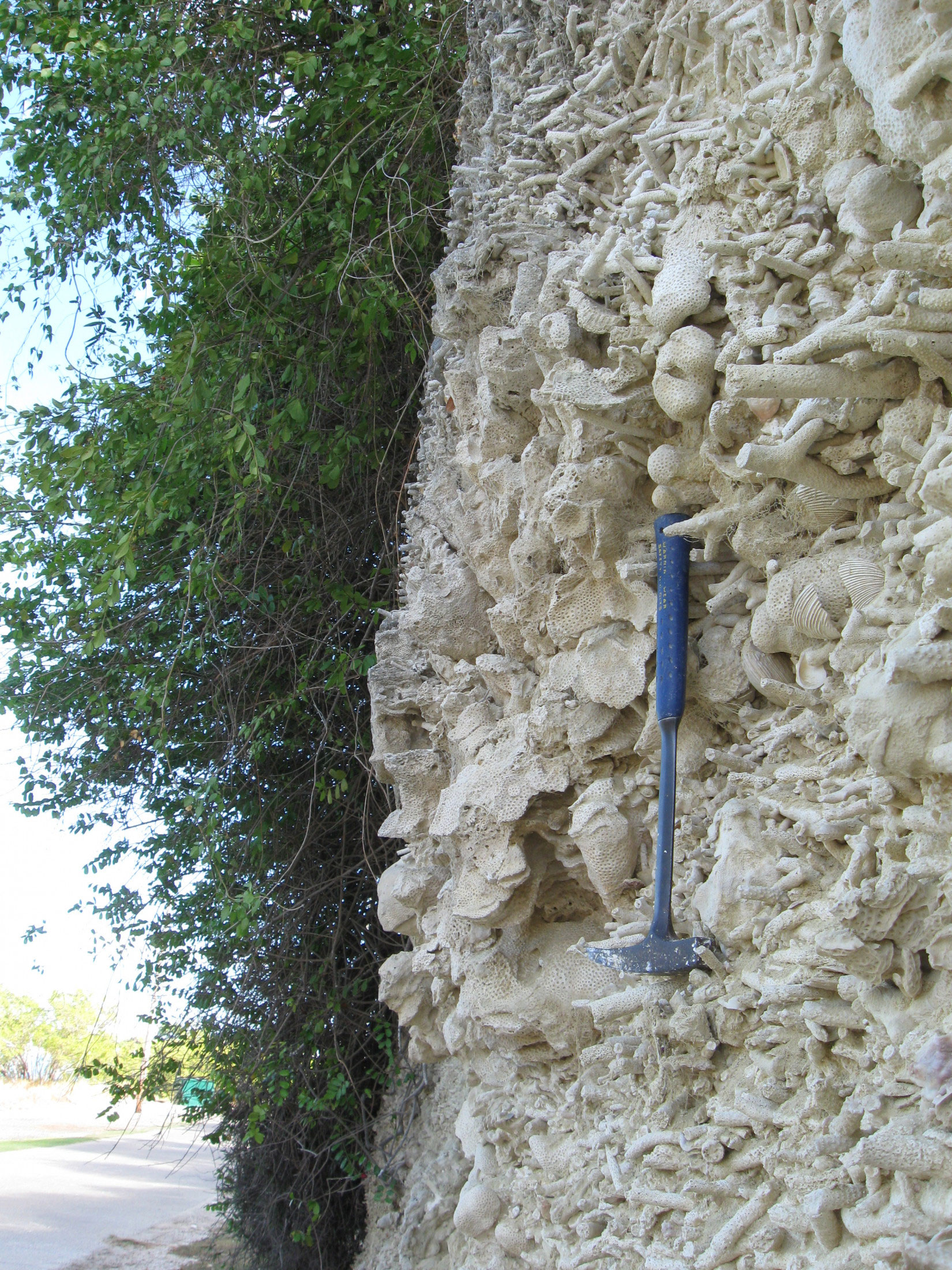
This mixing of organisms from different periods into the same fossil deposit is known as time averaging. It can develop naturally on productive seafloors, where a single square meter may contain hundreds or thousands of separate and connected tunnels occupied by clams, shrimp, sea stars, sand dollars, snails, worms, and other animals. As those creatures burrow through the bottom, they repeatedly disturb sediment and redistribute shells and other skeletal remains.
Once that seafloor is buried and enters the fossil record, determining the extent of this mixing can be difficult and costly. Yet the answer determines what scientists can reliably infer from the fossils, according to Daniele Scarponi, a colleague of Nawrot’s and an associate professor at the University of Bologna.
“Before interpreting a fossil assemblage, we need to know the interval it represents. Some fossil assemblages are like the ruins of Pompeii — buried rapidly and thus providing a snapshot of past communities frozen in time. Others are more akin to a prehistoric graveyard used continuously over centuries, in which human remains from different generations are slowly accumulating over time. Both types can provide valuable insights into the past, but the kinds of data we can extract from them will be different in each case,” Scarponi wrote.
Several forces can mix fossil ages
In addition to burrowing animals, several other factors can affect how much time becomes mixed within a fossil assemblage:
- How well remains survive matters. Most organisms decompose or are consumed by scavengers before they can fossilize, which is why marine and terrestrial fossil records are dominated by durable structures such as shells and bones. Even these materials can eventually break down if they are not buried quickly enough.
- The rate of sediment accumulation is also important. Sedimentation varies across the ocean and over time. Deltas can accumulate sediment rapidly, while other environments receive only small amounts over long periods. When sediment builds up slowly, skeletal remains from different periods can accumulate together, while faster burial reduces this mixing.
- Biological productivity affects how many fossils are available. The number of fossils paleontologists are likely to find in a particular location is closely related to how many organisms once lived there and had the opportunity to become fossilized.

Sedimentation emerges as the strongest control
After a project spanning 20 years, an international consortium of researchers says it has determined which of these competing influences matters most. Their results indicate that sedimentation rate is the primary control on time averaging and therefore on the temporal resolution of paleontological data.
“Our results demonstrate that if we know how quickly sediment accumulates — which can be deduced from the environmental context — we can determine how much time is captured by a given fossil assemblage: The faster individual shells or bones are buried below the sediment surface, the less likely it is that remains from multiple generations of organisms will accumulate and be preserved together,” Nawrot wrote.
Researchers had long suspected that sedimentation played an important role. The challenge was obtaining enough fossil ages from enough environments to test that idea rigorously, a task that requires substantial amounts of time, data, and money.
Thousands of fossils put the idea to the test
The scale of the analysis became possible by combining multiple research projects. Altogether, the authors examined more than 7,500 fossils collected from marine environments around the world, ranging from shallow coastal waters to the edges of continental shelves. The specimens were dated using radiocarbon and other techniques.
The participating research groups, based in Australia, Austria, the Bahamas, Brazil, Germany, Italy, Slovakia, and the United States, had independently collected and analyzed fossils and published their findings over roughly two decades. After becoming aware of the overlap in their work, they combined their datasets.
“Nothing of this scale has ever been attempted before because it’s simply not feasible to do so, but thanks to the fact that we had a whole bunch of teams that worked on similar topics and used similar methods, we were able to compile it,” said the study’s co-lead author, Michal Kowalewski, the Thompson chair of invertebrate paleontology at the Florida Museum of Natural History.
One of their main tools was radiometric dating, which uses the predictable rate at which radioactive atoms decay into more stable, non-radioactive atoms to estimate the ages of minerals and fossils.
Many animals have skeletons containing carbon-14, a radioactive isotope that moves through food webs. Plants absorb carbon-14 during photosynthesis and incorporate it into their tissues. Herbivores acquire it by eating plants, carnivores get it from prey, and decomposers obtain it from organic matter. Humans are part of the same cycle, meaning every carbon-containing part of the human body is radioactive. Carbon-14 releases radiation in the form of electrons, producing exposure comparable to a constant but imperceptibly weak electric shock rather than the destructive gamma radiation emitted by uranium.
Carbon-14 has a half-life – the amount of time it takes for half of any given number of radioactive atoms to decay — of around 5,730 years. Because the isotope eventually becomes too scarce to measure reliably, the researchers could use it only for the relatively recent fossil record, extending back about 55,000 years.
They also employed amino-acid racemization, a dating method based on changing ratios between different forms of amino acids. Like carbon isotopes, those ratios change predictably with time and can therefore provide information about age.
The expense of radiocarbon and amino-acid dating is a major reason a dataset of this size had not previously been assembled. Individual research groups can typically afford to date only a few dozen specimens, while evaluating the extent and causes of time averaging requires thousands. By spreading those expenses among multiple laboratories over two decades, the consortium overcame much of that barrier. Technological improvements in radiometric dating also reduced costs and allowed researchers to work with considerably smaller samples.
The collaboration ultimately produced what Kowalewski and his colleagues say may be the largest collection of fossil carbon dates ever assembled. Beyond the initial question about time averaging, the dataset can now support research that previously would have been difficult to pursue.
“The dataset is incredibly powerful. We’re now working on multiple follow-up projects that explore various aspects of time averaging and related processes. You can use it to answer a lot of questions, but of course, we started with the big one,” he said.
Simulations reveal one dominant factor
With the fossil ages compiled, the researchers created simulated age distributions while changing rates of bioturbation (mixing caused by burrowing animals), sedimentation, and fossil destruction. They then compared those simulated patterns with the actual age distribution of the carbon-dated fossils to determine which models most closely reproduced what they observed.
The comparison produced a clear result: sedimentation rate was the dominant influence on how extensively fossils from different periods became mixed.
“Sometimes life turns out to be more exciting than you thought,” Kowalewski said. “In this case, the outcome is beyond any dreams we may have had when we started.”
Knowing that sedimentation exerts the strongest control over time averaging could allow paleontologists to determine more confidently how much time is represented by a fossil assemblage and pursue questions that were previously difficult to address. If the same relationship applies to oceans deeper in the geological past, researchers may also be able to extend the finding to fossils far older than the roughly 55,000-year limit imposed by measurable carbon-14.
Reference: “Sediment accumulation rate predicts the temporal resolution of marine fossil assemblages” by Michał Kowalewski, Adam Tomašových, Rafał Nawrot, Daniele Scarponi, Martin Zuschin, Paolo G. Albano, Quan Hua, Darrell S. Kaufman, Susan M. Kidwell, Matias Ritter, Marcello G. Simões, Luis Torres, Bettina Bachmann, Michaela Berensmeier, Troy A. Dexter, Alexandra Haselmair, Ivo Gallmetzer, Claudio Pellegrini, Lukas Schweigl, Jan Steger and Matthew A. Kosnik, 29 July 2026, Proceedings of the National Academy of Sciences.
DOI: 10.1073/pnas.2615368123
Never miss a breakthrough: Join the SciTechDaily newsletter.
Follow us on Google and Google News.
2 Comments
“How quickly sediment accumulates on the seafloor appears to be the key factor determining whether fossils from different time periods become mixed together.”
That’s an obvious conclusion.
“This mixing of organisms from different periods into the same fossil deposit is known as time averaging.”
The rate of sedimentation and perturbation are two processes that contribute to what I have previously remarked about. Namely, that time acts like a low-pass filter, suppressing the height and broadening the width of things like estimated proxy temperatures. With radiocarbon dating, a fixed rate of uncertainty leads to an increase in the absolute uncertainty proportional to the age. Therefore, when one is tempted to make the claim that measured modern rates for anything are unprecedented, one has to remember that ancient rates can only be provided by “time averaged” proxies.