
The discovery of 300,000 to 400,000-year-old elephant fossils and stone tools in India provides evidence of early human butchery, highlighting significant early human activities and the presence of extinct elephants.
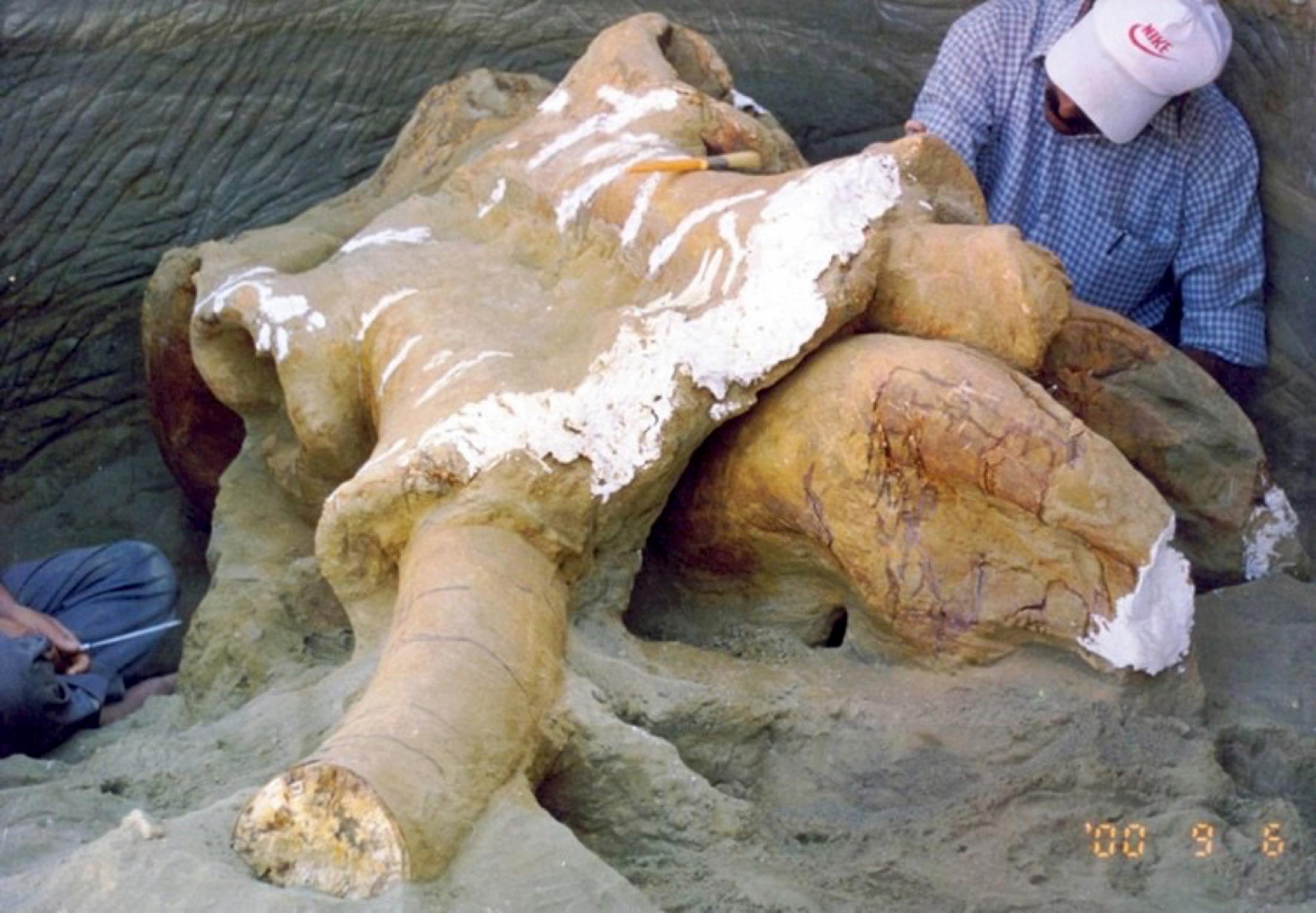
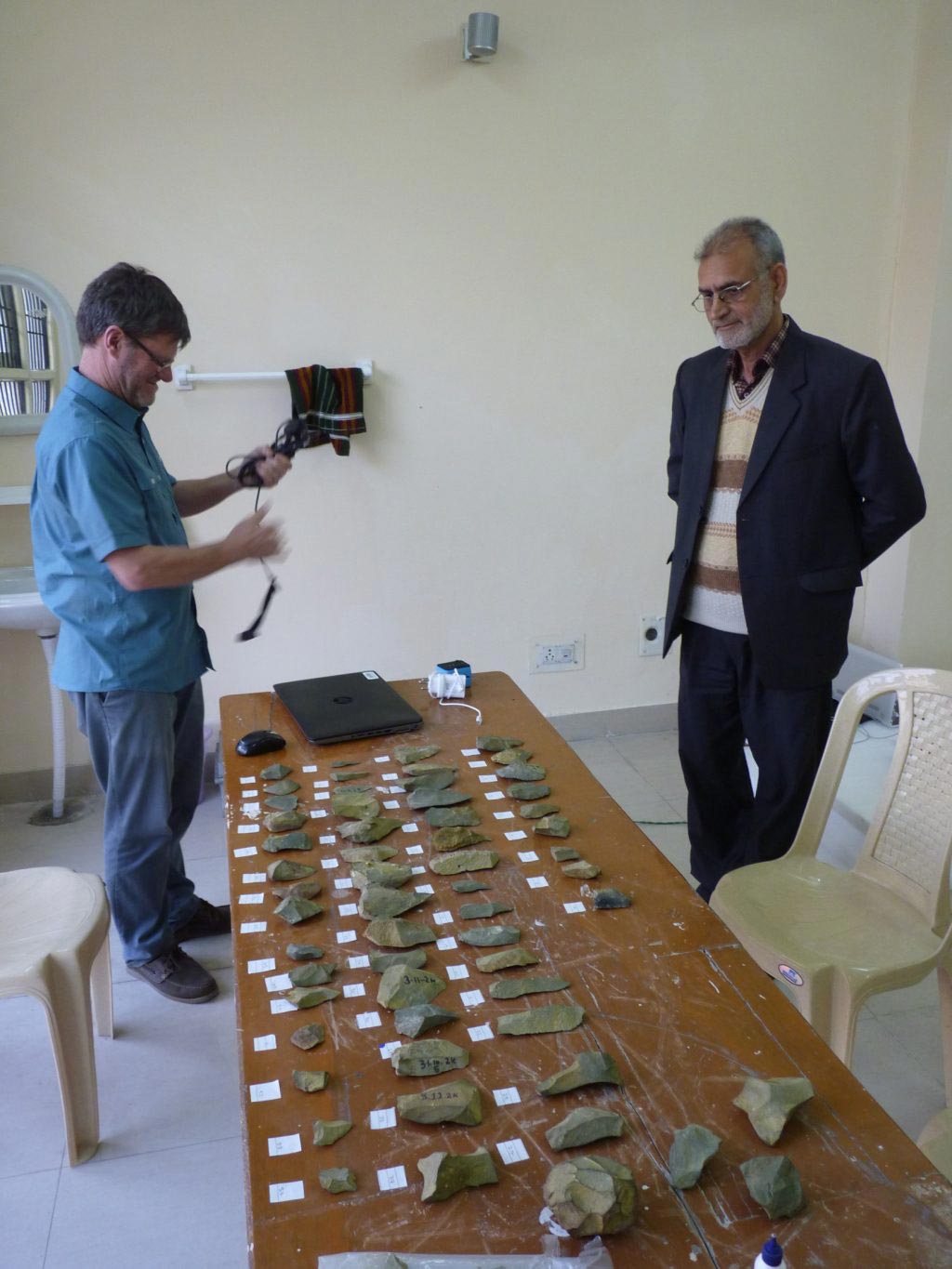
In the late middle Pleistocene, approximately 300 to 400 thousand years ago, at least three ancient elephant relatives died near a river in the Kashmir Valley of South Asia. Shortly after, their remains were covered in sediment and preserved alongside 87 stone tools made by early humans.
These remains were first discovered in 2000 near the town of Pampore. However, the identity of the fossils, cause of death, and evidence of human intervention remained unknown.

New Insights into Early Human Activities
Now, a research team including Advait Jukar, a curator of vertebrate paleontology at the Florida Museum of Natural History, published two new papers on fossils from the Pampore site. In one, researchers describe their discovery of elephant bone flakes which suggests that early humans struck the bones to extract marrow, an energy-dense fatty tissue. The findings are the earliest evidence of animal butchery in India.
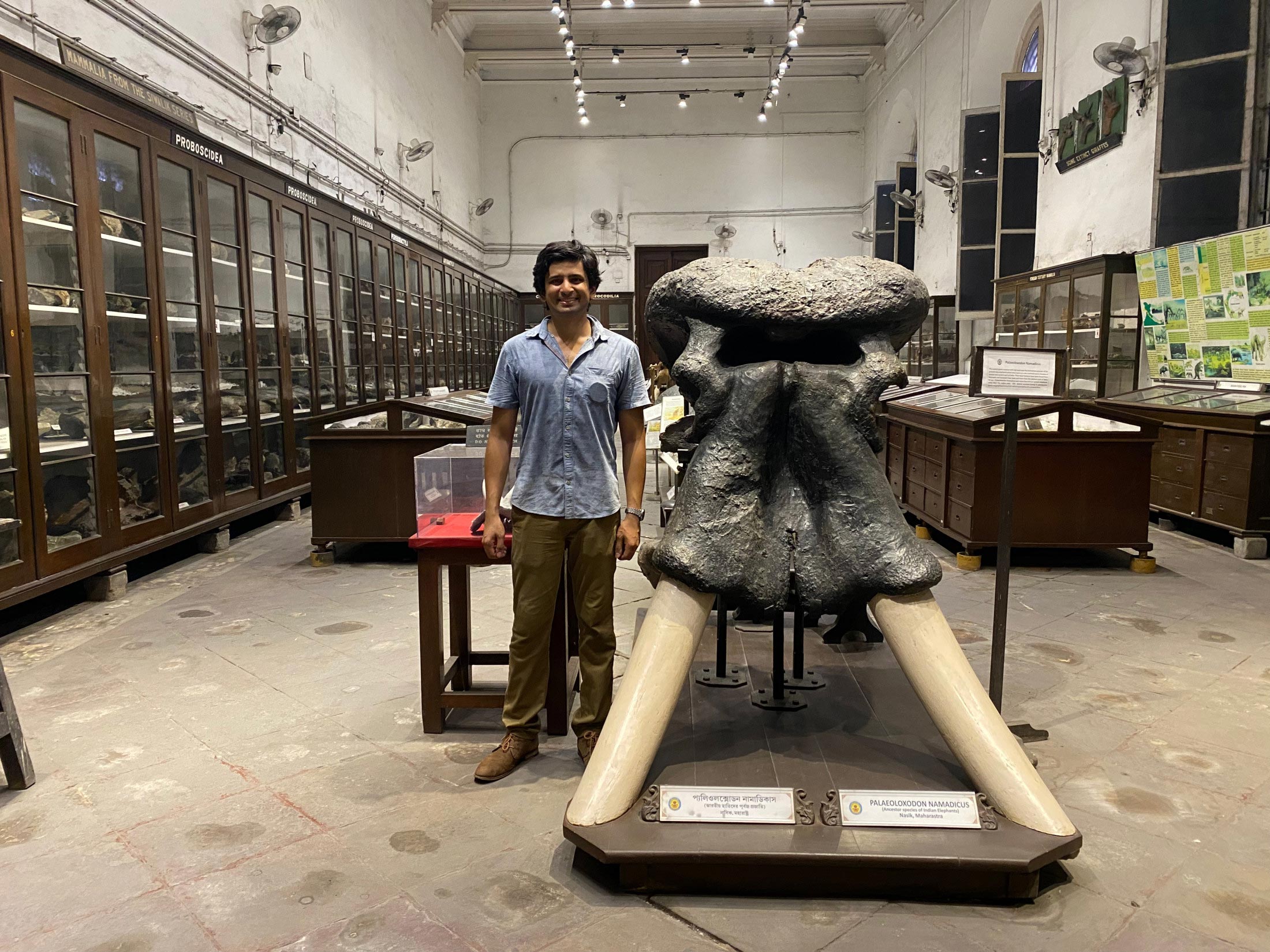
The fossils themselves are also rare. In a second study, the researchers described the bones, which belong to an extinct genus of elephants called Palaeoloxodon, whose members were more than twice the weight of today’s African elephants. Only one set of Palaeoloxodon bones for this species had been discovered previously, and the fossils from this study are by far the most complete.
The Significance of the Narmada Human Fossil
To date, only one fossil hominin — the Narmada human — has ever been found on the Indian subcontinent. Its mix of features from older and more recent hominin species indicates the Indian subcontinent must have played an important role in early human dispersal. Before the fossil’s discovery in 1982, paleontologists only had stone tool artifacts to give a rough sketch of our ancestors’ presence on the subcontinent.
“So, the question is, who are these hominins? What are they doing on the landscape and are they going after big game or not?” Jukar asked. “Now we know for sure, at least in the Kashmir Valley, these hominins are eating elephants.”
Analysis of Stone Tool Techniques and Palaeoloxodon Features
The stone tools likely used for marrow extraction at the Pampore site were made with basalt, a type of rock not found in the local area. Paleontologists believe the raw materials were brought from elsewhere before being fully knapped, or shaped, at the site. Based on the method of construction, they concluded that the site and the tools were 300,000 to 400,000 years old.
Previously, the earliest evidence of butchery in India dated back less than ten thousand years.
“It might just be that people haven’t looked closely enough or are sampling in the wrong place,” Jukar said. “But up until now, there hasn’t been any direct evidence of humans feeding on large animals in India.”
Most of the Pampore site’s elephant remains came from one mature male Palaeoloxodon. The inside of its skull showed abnormal bone growth that likely resulted from a chronic sinus infection.
While it was clear that early humans exploited the carcass, there was no direct evidence of hunting, such as spear points lodged in the bones. The hominins could have killed the elephant or simply found the carcass after it died of natural causes — weakened by its chronic sinus infection, the elephant could have gotten stuck in the soft sediments near the Jhelum River, where paleontologists eventually found it.
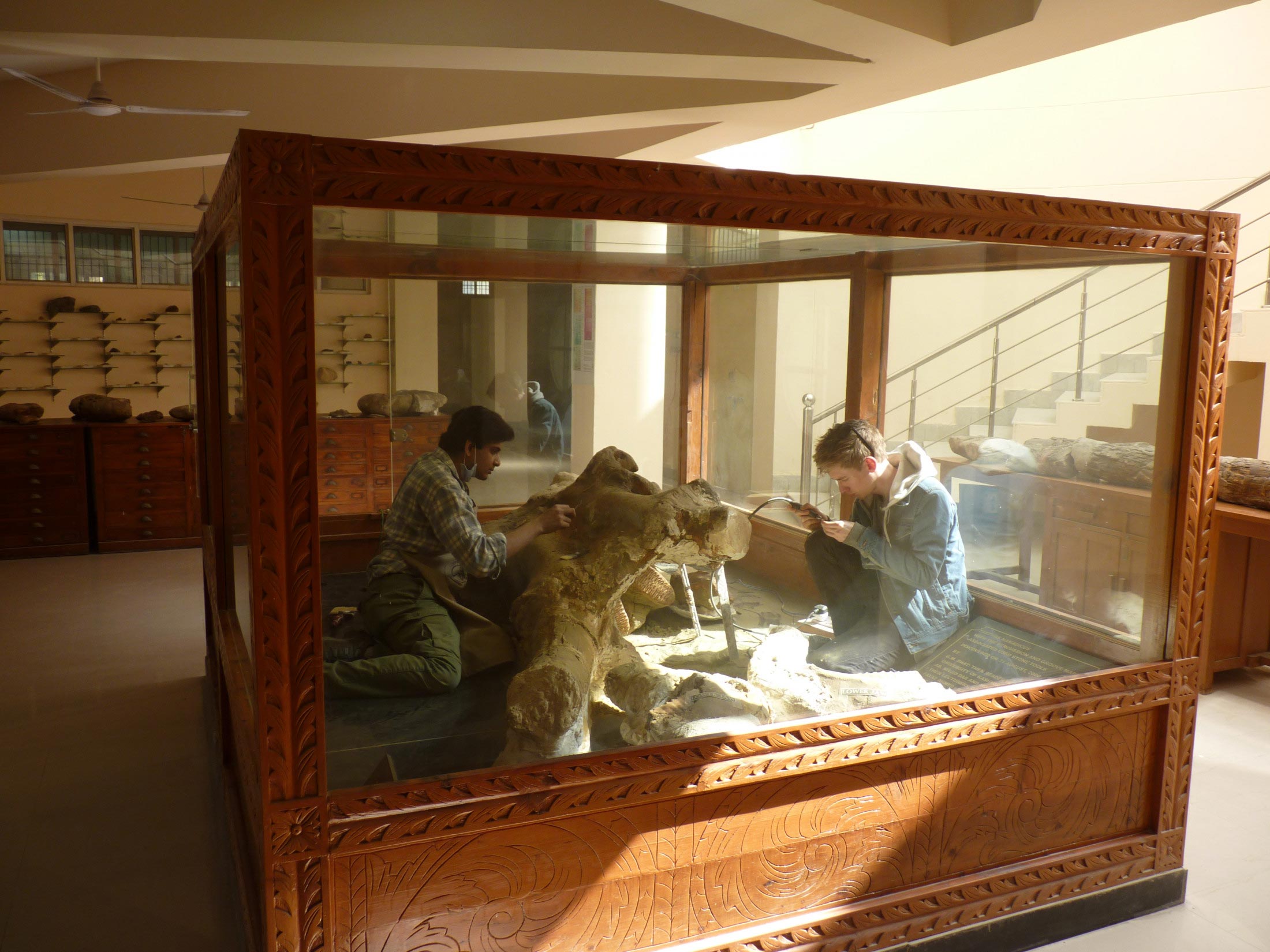
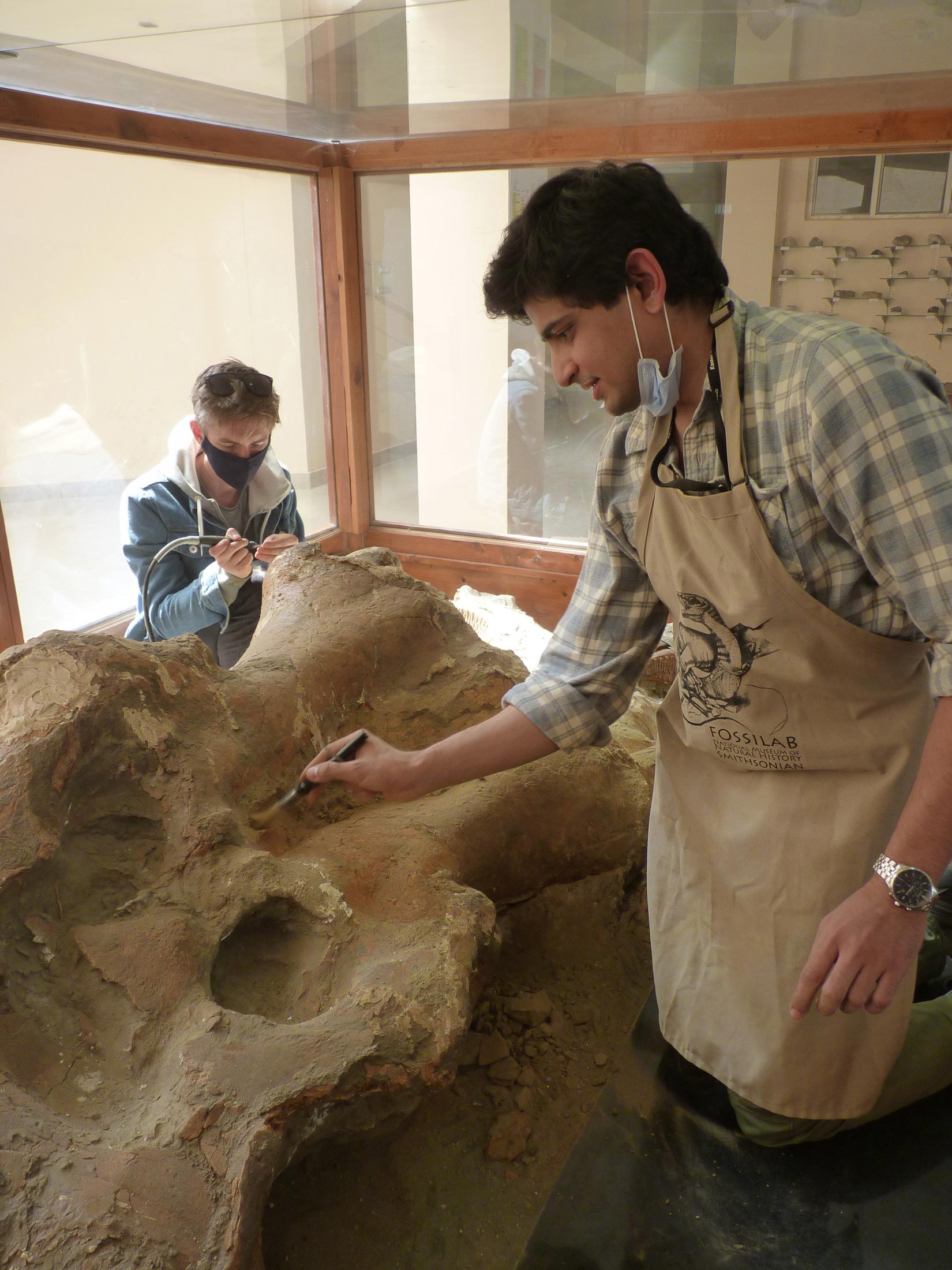
The Palaeoloxodon skull is the most complete specimen of its genus found on the Indian subcontinent. Researchers identified it as belonging to the extinct elephant Palaeoloxodon turkmenicus, fossils of which have only been found on one other occasion, in 1955. This earliest fossil was of a partial skull fragment from Turkmenistan. While it looked different from other members of the genus Palaeoloxodon, there wasn’t enough material to determine with certainty whether it was, in fact, a separate species.
“The problem with Palaeoloxodon is that their teeth are largely indistinguishable between species. So, if you find an isolated tooth, you really can’t tell what species of Palaeoloxodon it belongs to,” Jukar said. “You have to look at their skulls.”
Fortunately, the Pampore specimen’s hyoids — bones at the back of the throat that attach to the tongue — were still intact. Hyoids are fragile but distinctive between species, providing a special tool for taxonomizing.
Evolution and Migration of Palaeoloxodon
Palaeoloxodon originated in Africa about a million years ago before dispersing into Eurasia. Many species in the genus are known for having an unusually large forehead unlike that of any living elephant species, with a crest that that bulges out over their nostrils. Earlier species of Palaeoloxodon from Africa, however, do not have the bulge. Meanwhile, P. turkmenicus is somewhere in between, with an expanded forehead with no crest.
“It shows this kind of intermediate stage in Palaeoloxodon evolution,” Jukar said. “The specimen could help paleontologists fill in the story of how the genus migrated and evolved.”
Given that hominins have been eating meat for millions of years, Jukar suspects that a lot more evidence of butchery is simply waiting to be found.
“The thing I’ve come to realize after many years is that you just need a lot more effort to go and find the sites, and you need to essentially survey and collect everything,” he said. “Back in the day when people collected fossils, they only collected the good skulls or limb bones. They didn’t collect all the shattered bone, which might be more indicative of flakes or breakage made by people.”
The stone tool and elephant butchery study was published in Quaternary Science Reviews.
The taxonomy study was published in the Journal of Vertebrate Paleontology.
References:
“A remarkable Palaeoloxodon (Mammalia, Proboscidea) skull from the intermontane Kashmir Valley, India” by Advait M. Jukar, Ghulam Bhat, Simon Parfitt, Nick Ashton, Marc Dickinson, Hanwen Zhang, A. M. Dar, M. S. Lone, Bindra Thusu and Jonathan Craig, 11 October 2024, Journal of Vertebrate Paleontology.
DOI: 10.1080/02724634.2024.2396821
“Human exploitation of a straight-tusked elephant (Palaeoloxodon) in Middle Pleistocene deposits at Pampore, Kashmir, India” by Ghulam M. Bhat, Nick Ashton, Simon Parfitt, Advait Jukar, Marc R. Dickinson, Bindra Thusu and Jonathan Craig, 24 August 2024, Quaternary Science Reviews.
DOI: 10.1016/j.quascirev.2024.108894
Never miss a breakthrough: Join the SciTechDaily newsletter.
Follow us on Google and Google News.
1 Comment
Presumably H erectus was kicking around in India aound 400 000 years ago; it was in Indonesia 100 000 years ago. H aspiens seems to have been in Morocco 300 000 years ago, but that isn’t india. I’d gues H erectus probably got hungry from time to time