
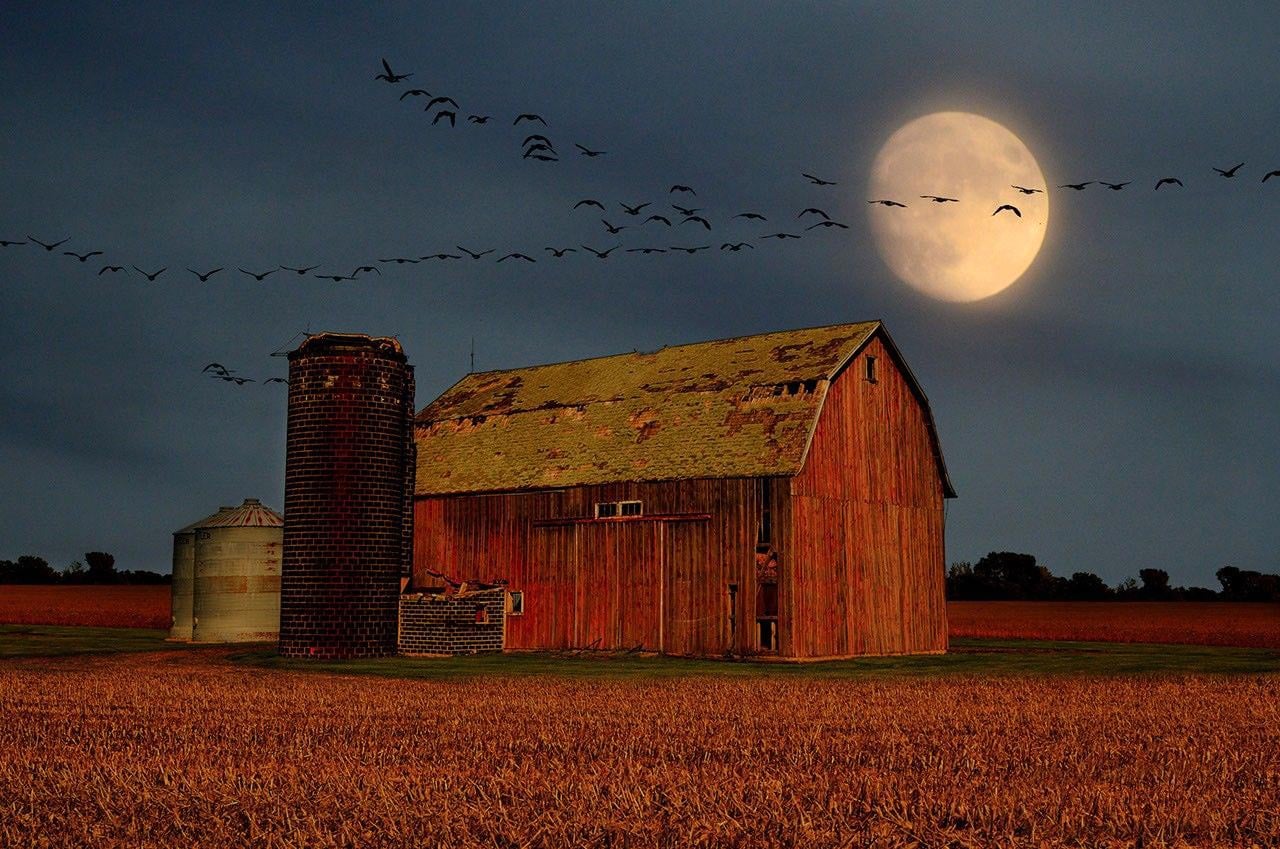
September offers several eye-catching skywatching opportunities, including a brilliant Venus, the September equinox, and a Harvest Moon rising near Saturn and Neptune. The Moon can also help observers locate Antares, the Teapot star pattern, and, under dark enough skies, the direction of the Milky Way’s center.
September Skywatching Highlights
- September 14-20: Follow the Moon to Antares and the Teapot; very dark skies may reveal the Milky Way center
- September 18: Venus reaches maximum brightness for its current evening appearance
- September 22: The September equinox marks the beginning of fall in the Northern Hemisphere and spring in the Southern Hemisphere
- September 26: The Harvest Moon rises near Saturn and Neptune
September brings a varied lineup to the evening sky. The Moon passes through a celestial tea party, Venus reaches dazzling brightness, the seasons officially change, and the Harvest Moon appears alongside two distant planets.
Follow the Moon to Antares and Sagittarius
From September 14 through 20, the Moon can serve as a convenient guide to several recognizable features of the night sky. About an hour after sunset, face south and look for the Moon.
As the nights pass, the Moon will move against the background of stars and travel near Antares.
Antares is a prominent reddish star that represents the heart of the constellation Scorpius.
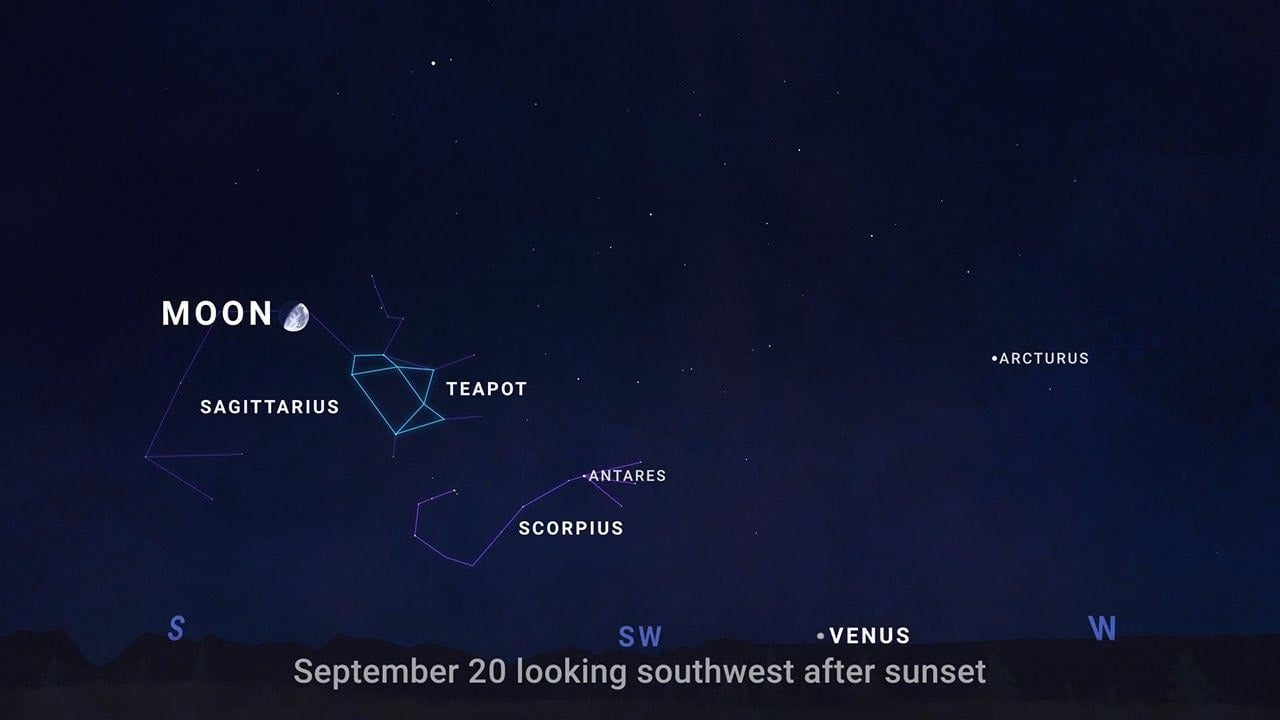
Nearby in Sagittarius is another easy-to-recognize group of stars known as the Teapot. Its arrangement resembles a traditional teapot, with stars outlining a handle, lid, and spout.
Under especially dark skies, a hazy band may appear to rise like steam from the Teapot’s spout.
Trace that glowing band toward its densest region, and you will be looking in the direction of the center of the Milky Way galaxy.
Venus Reaches Peak Brilliance
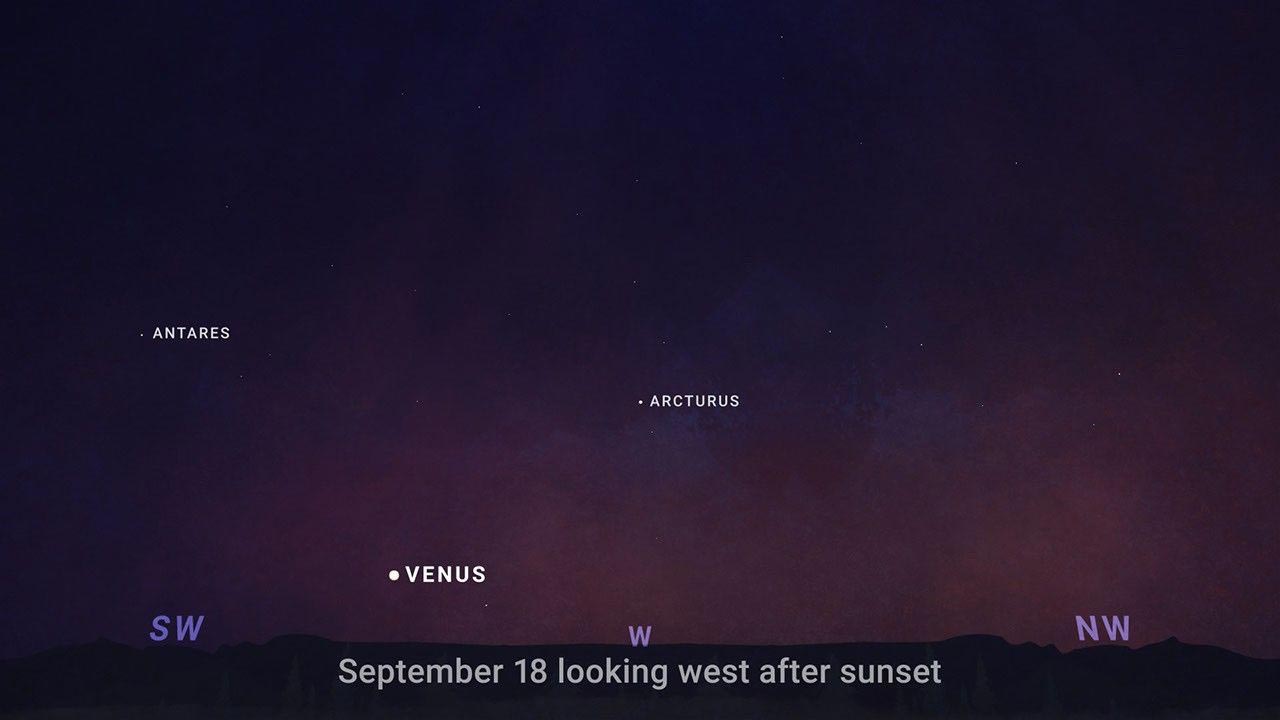
On September 18, look toward the west as Venus reaches peak brilliance for this evening appearance.
The planet should be easy to identify. Soon after sunset, Venus will appear as an intensely bright point low above the western horizon, shining more brightly than any star nearby. An unobstructed view toward the horizon will provide the best opportunity to see it before it drops out of sight.
International Observe the Moon Night
September 19 is International Observe the Moon Night!
Observers around the world are encouraged to spend time with Earth’s nearest celestial neighbor while learning about lunar science, exploration, and the Moon’s influence on cultures throughout history. Find an event near you or learn how to take part from wherever you are at go.nasa.gov/ObserveTheMoon.
September Equinox Changes the Seasons
On September 22, fall officially begins in the Northern Hemisphere, while spring starts in the Southern Hemisphere.
The seasonal change is marked by the September equinox. At this time, the Sun is positioned directly above Earth’s equator, and daytime and nighttime are nearly equal in length across much of the world.
After the equinox, daylight continues to decrease in the Northern Hemisphere while increasing in the Southern Hemisphere.
Harvest Moon Rises Near Saturn and Neptune
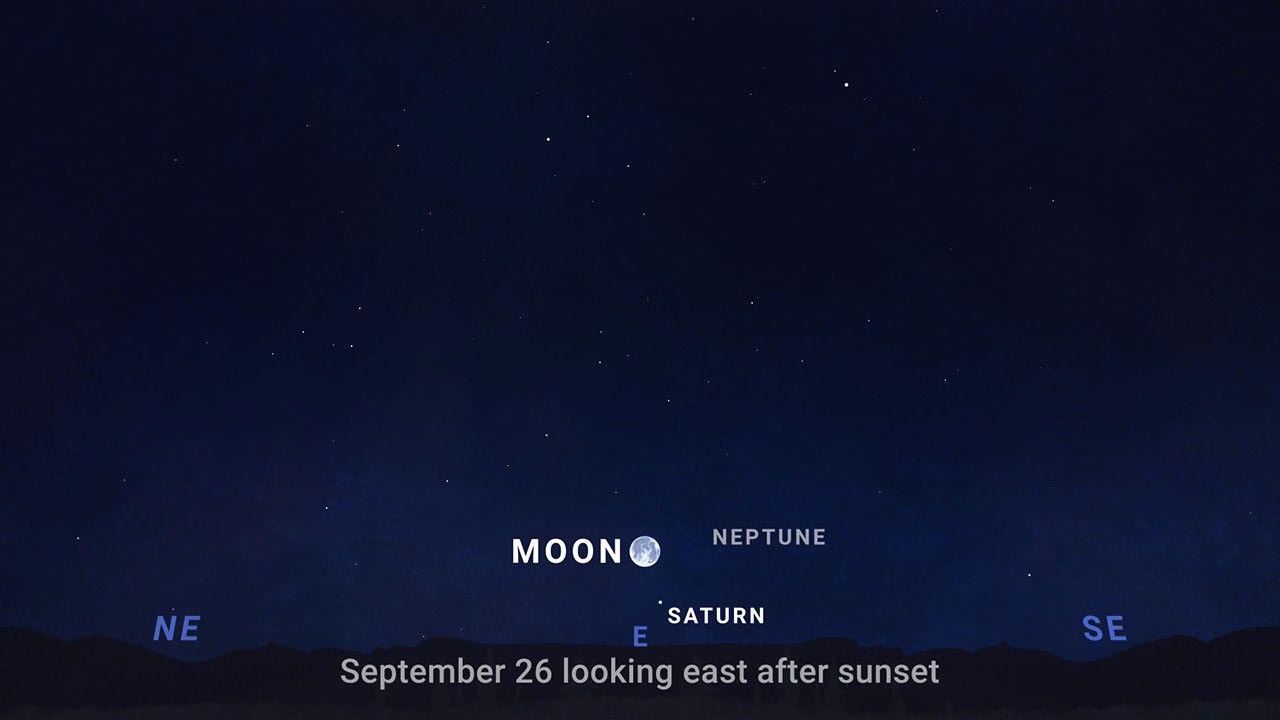
The Harvest Moon becomes the main attraction on September 26, rising in the eastern sky shortly after sunset.
Two planets will share the scene. Saturn will appear nearby, while much fainter Neptune will form a broad triangle with Saturn and the Moon.
Saturn can be seen without optical equipment, making it the easier planet to spot. Neptune is much more difficult. At around magnitude 8, it is too dim for the unaided eye, so binoculars or a telescope will be needed. Dark skies and favorable viewing conditions can make Neptune easier to find.
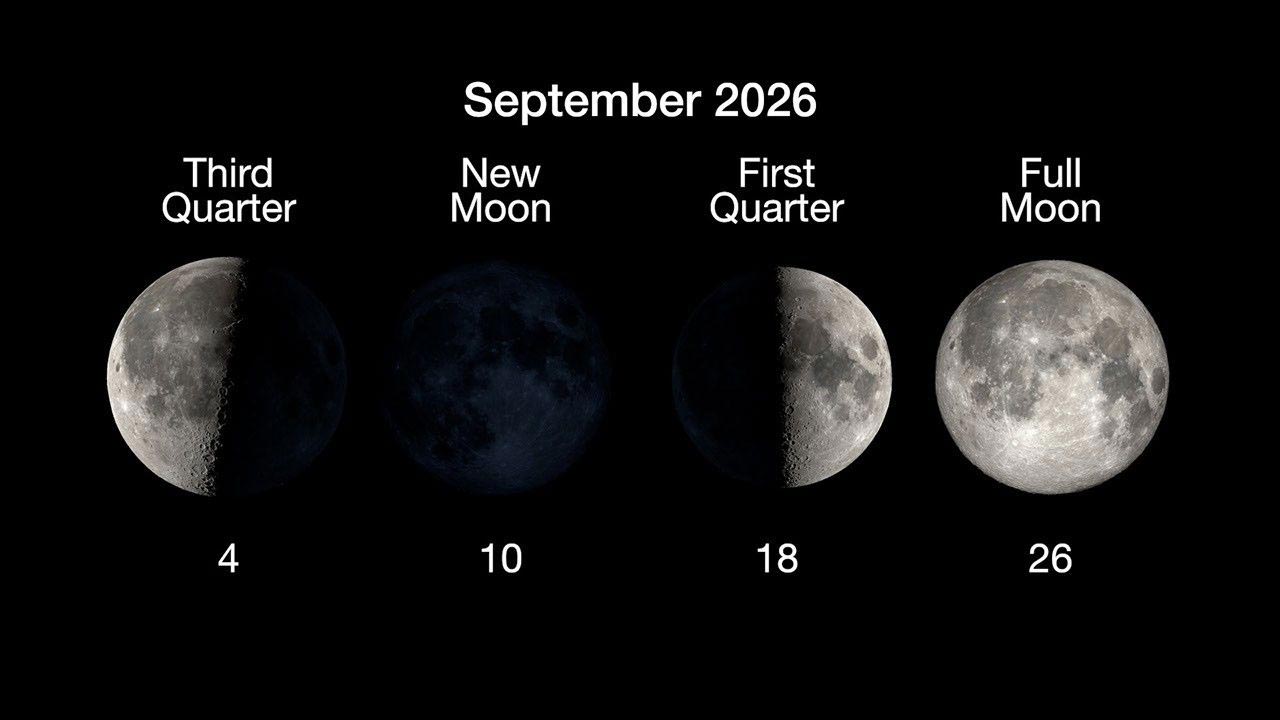
Here are the phases of the Moon for September.
Never miss a breakthrough: Join the SciTechDaily newsletter.
Follow us on Google and Google News.