
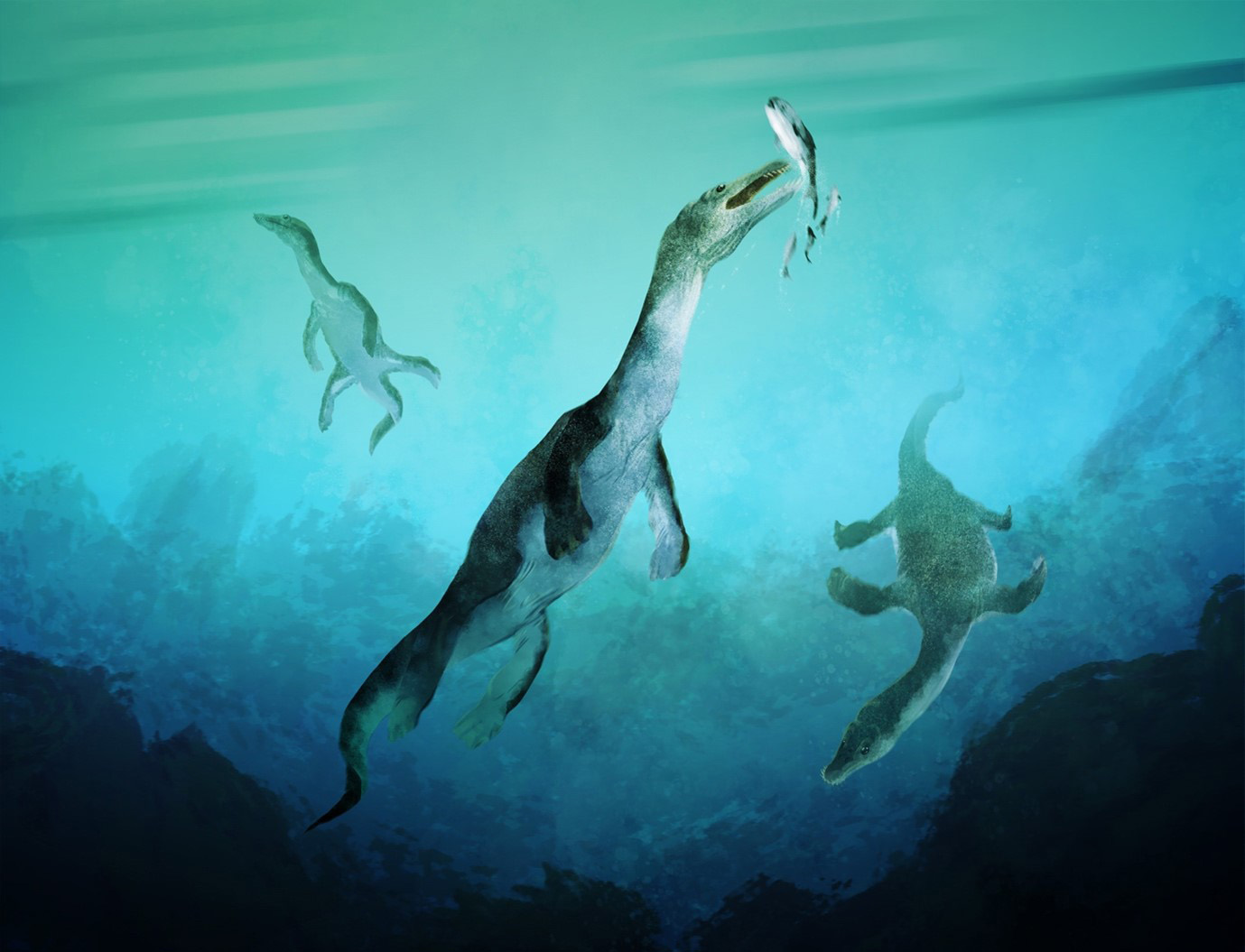
Researchers have found the oldest Southern Hemisphere fossil of a nothosaur in New Zealand, dating back 246 million years, providing new insights into the early marine adaptations and migrations of these ancient reptiles.
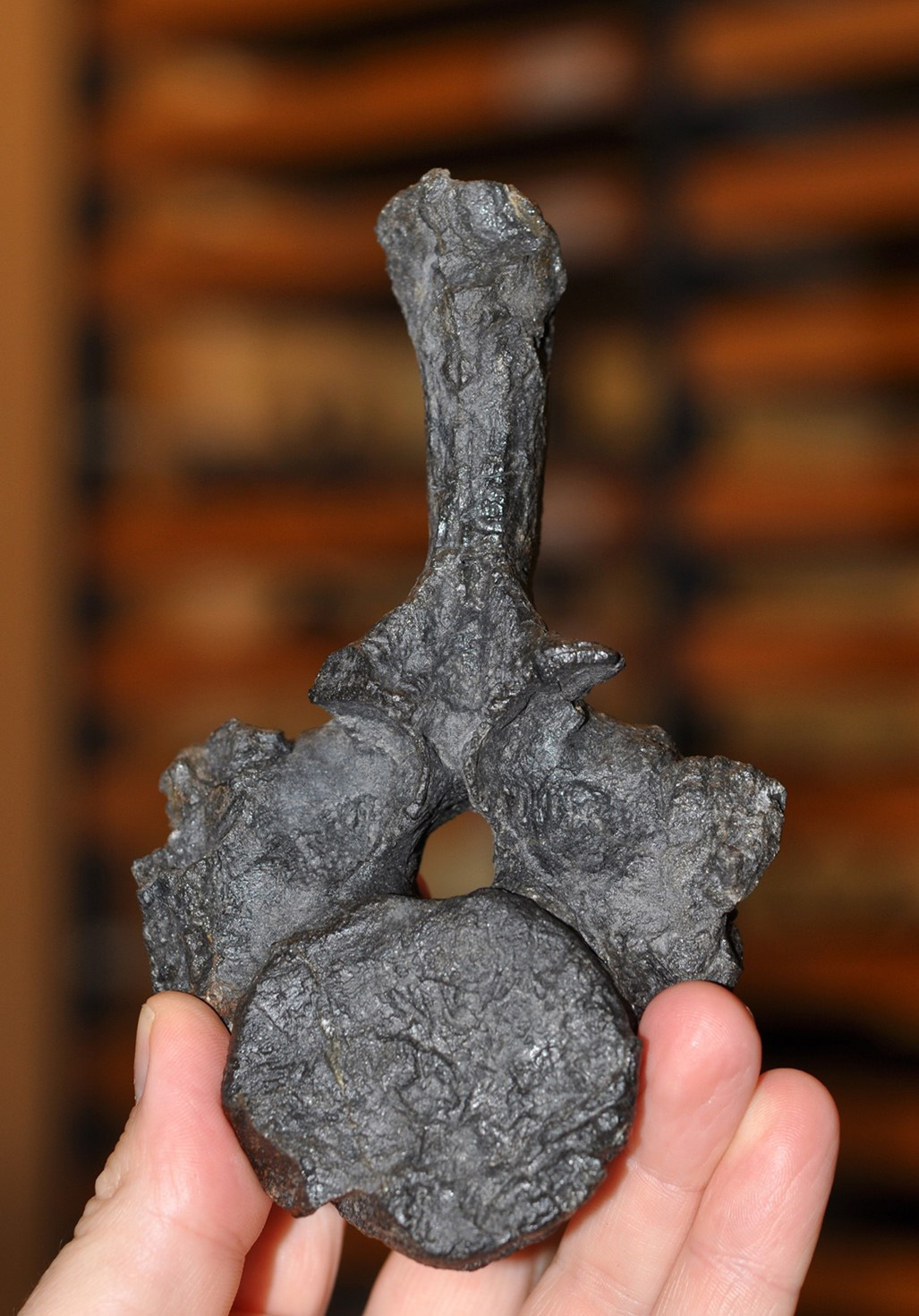
An international group of researchers has discovered the oldest fossil of a marine reptile from the Southern Hemisphere—a nothosaur vertebra on New Zealand’s South Island. Dating back 246 million years to the dawn of the Age of Dinosaurs, New Zealand was situated along the southern polar coastline of the immense super-ocean known as Panthalassa.
Reptiles first invaded the seas after a catastrophic mass extinction that devastated marine ecosystems and paved the way for the dawn of the Age of Dinosaurs almost 252 million years ago. Evidence for this evolutionary milestone has only been discovered in a few places around the world: on the Arctic island of Spitsbergen, northwestern North America, and southwestern China. Although represented by just a single vertebra that was excavated from a boulder in a stream bed at the foot of Mount Harper on the South Island of New Zealand – this discovery has shed new light on the previously unknown record of early sea reptiles from the Southern Hemisphere.
The Dominance of Sauropterygians
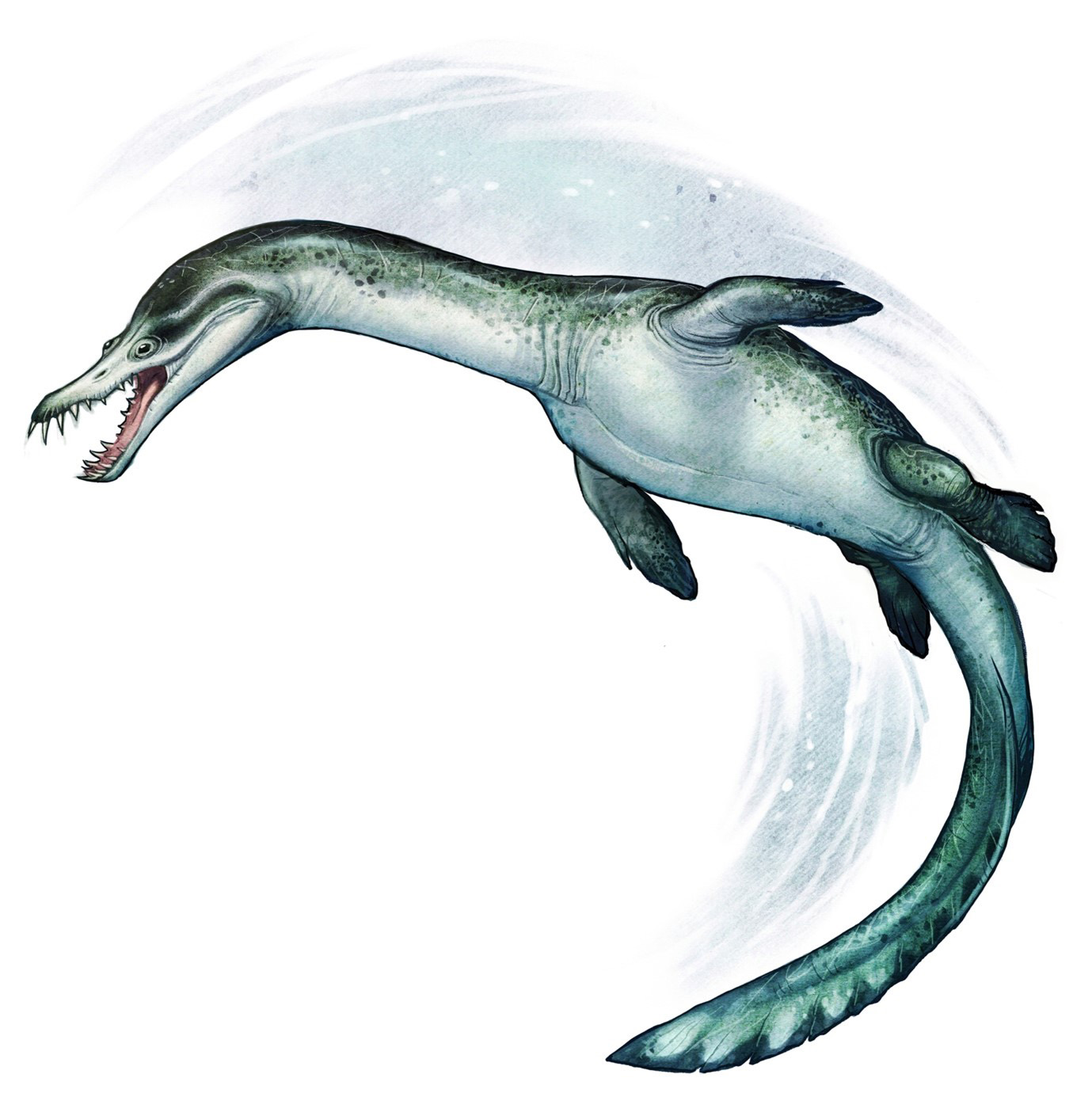
Reptiles ruled the seas for millions of years before dinosaurs dominated the land. The most diverse and geologically longest surviving group was the sauropterygians, with an evolutionary history spanning over 180 million years. The group included the long-necked plesiosaurs, which resembled the popular image of the Loch Ness Monster. Nothosaurs were distant predecessors of the Plesiosaurs. They could grow up to seven meters long and swam using four paddle-like limbs. Nothosaurs had flattened skulls with a meshwork of slender conical teeth that were used to catch fish and squid.
The New Zealand nothosaur was discovered during a geological survey in 1978, but its importance was not fully recognized until paleontologists from Sweden, Norway, New Zealand, Australia, and East Timor joined their expertise to examine and analyze the vertebra and other associated fossils.
“The nothosaur found in New Zealand is over 40 million years older than the previously oldest known sauropterygian fossils from the Southern Hemisphere. We show that these ancient sea reptiles lived in a shallow coastal environment teeming with marine creatures within what was then the southern polar circle,” explains Dr. Benjamin Kear from The Museum of Evolution at Uppsala University, lead author on the study.

The oldest nothosaur fossils are around 248 million years old and have been found along an ancient northern low-latitude belt that stretched from the remote northeastern to northwestern margins of the Panthalassa super-ocean. The origin, distribution, and timing of when nothosaurs reached these distant areas are still debated. Some theories suggest that they either migrated along northern polar coastlines, or swam through inland seaways, or used currents to cross the Panthalassa super-ocean.
The new nothosaur fossil from New Zealand has now upended these long-standing hypotheses.
“Using a time-calibrated evolutionary model of sauropterygian global distributions, we show that nothosaurs originated near the equator, then rapidly spread both northwards and southwards at the same time as complex marine ecosystems became re-established after the cataclysmic mass extinction that marked the beginning of the Age of Dinosaurs,” says Kear.
“The beginning of the Age of Dinosaurs was characterized by extreme global warming, which allowed these marine reptiles to thrive at the South Pole. This also suggests that the ancient polar regions were a likely route for their earliest global migrations, much like the epic trans-oceanic journeys undertaken by whales today. Undoubtedly, there are more fossil remains of long-extinct sea monsters waiting to be discovered in New Zealand and elsewhere in the Southern Hemisphere,” says Kear.
Reference: “Oldest southern sauropterygian reveals early marine reptile globalization” by Benjamin P. Kear, Aubrey J. Roberts, George Young, Marianna Terezow, Daniel J. Mantle, Isaias Santos Barros and Jørn H. Hurum, 17 June 2024, Current Biology.
DOI: 10.1016/j.cub.2024.03.035
The New Zealand nothosaur fossil is held in the National Palaeontological Collection at GNS Science in New Zealand.
Never miss a breakthrough: Join the SciTechDaily newsletter.
Follow us on Google and Google News.