
Close Menu
    Facebook X (Twitter) Instagram
    SciTechDaily
    • Biology
    • Chemistry
    • Earth
    • Health
    • Physics
    • Science
    • Space
    • Technology
    Facebook X (Twitter) Pinterest YouTube RSS
    SciTechDaily
    Home»Biology»Scientists Discover a “New” Frog That Was Hiding in Plain Sight for 100 Years
    Biology

    Scientists Discover a “New” Frog That Was Hiding in Plain Sight for 100 Years

    By Pensoft PublishersSeptember 1, 2026No Comments4 Mins Read
    Facebook Twitter Pinterest Telegram LinkedIn WhatsApp Email Reddit
    Share
    Facebook Twitter LinkedIn Pinterest Telegram Email Reddit
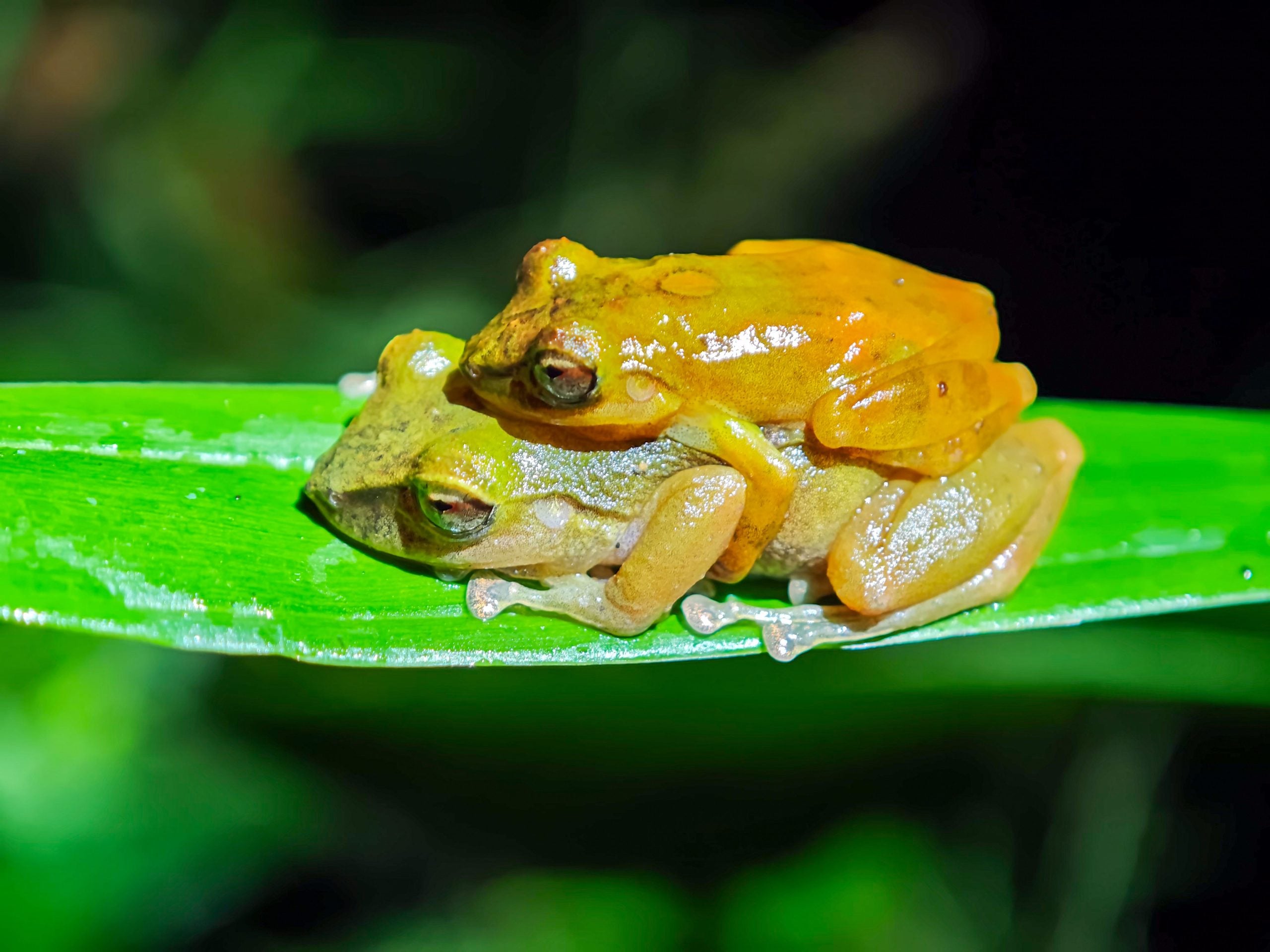
    Reproductive Pair of the Milpe Robber Frog
    Reproductive pair (amplexus) of the Milpe Robber Frog photographed at night on a leaf in the tropical forest of the Ecuadorian Chocó. Credit: Santiago R. Ron

    Pristimantis milpe is a common and widespread species that was mistaken for another species for more than a century.

    For more than a century, a common frog living across the forests of western Ecuador and southern Colombia was hiding in plain sight under the wrong scientific name. Researchers at the Pontificia Universidad Católica del Ecuador have now formally described Pristimantis milpe as a distinct species after revisiting specimens collected in Ecuador during the 19th century and stored at the Natural History Museum in London.

    What makes the discovery unusual is how familiar the frog already was. Newly described species are often rare or confined to small areas, but Pristimantis milpe is abundant, widespread, and readily detected by its nighttime call. Its known range covers more than 67,000 square kilometers of the Chocó forests in western Ecuador and southern Colombia, extending from sea level to elevations of 1,200 meters.

    The formal description appears in the international journal ZooKeys, which specializes in biodiversity and taxonomy research.
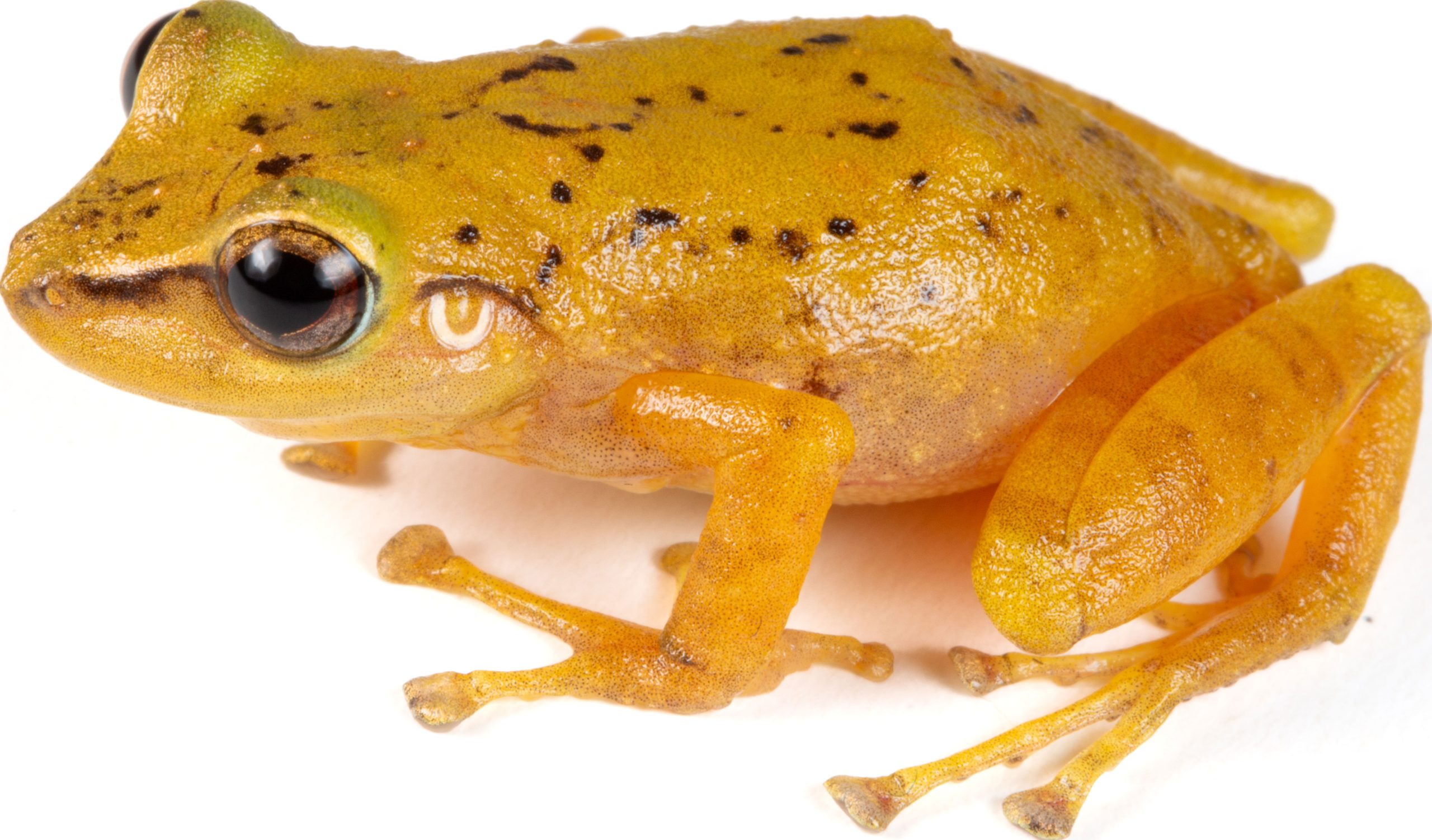
    Milpe Robber Frog
    The Milpe Robber Frog lives in a wide variety of habitats, from parks in urban areas to primary forests. The individual in the photo comes from the Río Ayampe Reserve in the Manabí province. Credit: Diego Paucar

    Museum specimens resolved a century-old error

    The key to identifying Pristimantis milpe came from historical amphibian specimens held in the collections of the Natural History Museum in London (NHM).

    Santiago Ron, a researcher at PUCE and lead author of the study, traveled to England to investigate the taxonomic confusion that had persisted for more than 100 years. He examined the original specimens, known as “types,” that were collected in Ecuador during the 19th century and preserved in the museum ever since.

    Santiago Ron
    Amphibiologist Santiago Ron, the leading author of the study. Credit: Santiago R. Ron

    By comparing those historical specimens with frogs living today in the Ecuadorian Chocó, the researchers found that the old material had been incorrectly assigned to another species. As a result, a common frog that scientists had encountered for decades remained without its own scientific name.

    “That such a common species has gone unnoticed under the wrong name for decades highlights the importance of correctly connecting scientific names with living populations in nature,” notes Jhael Ortega, a PhD student at Virginia Tech and one of the study authors.

    Calls and color distinguish the species

    The Milpe Robber Frog (Cutín de Milpe) is active at night. Males typically call from leaves on shrubs and bromeliads several meters above the forest floor, producing a loud, distinctive vocalization resembling a “click.”
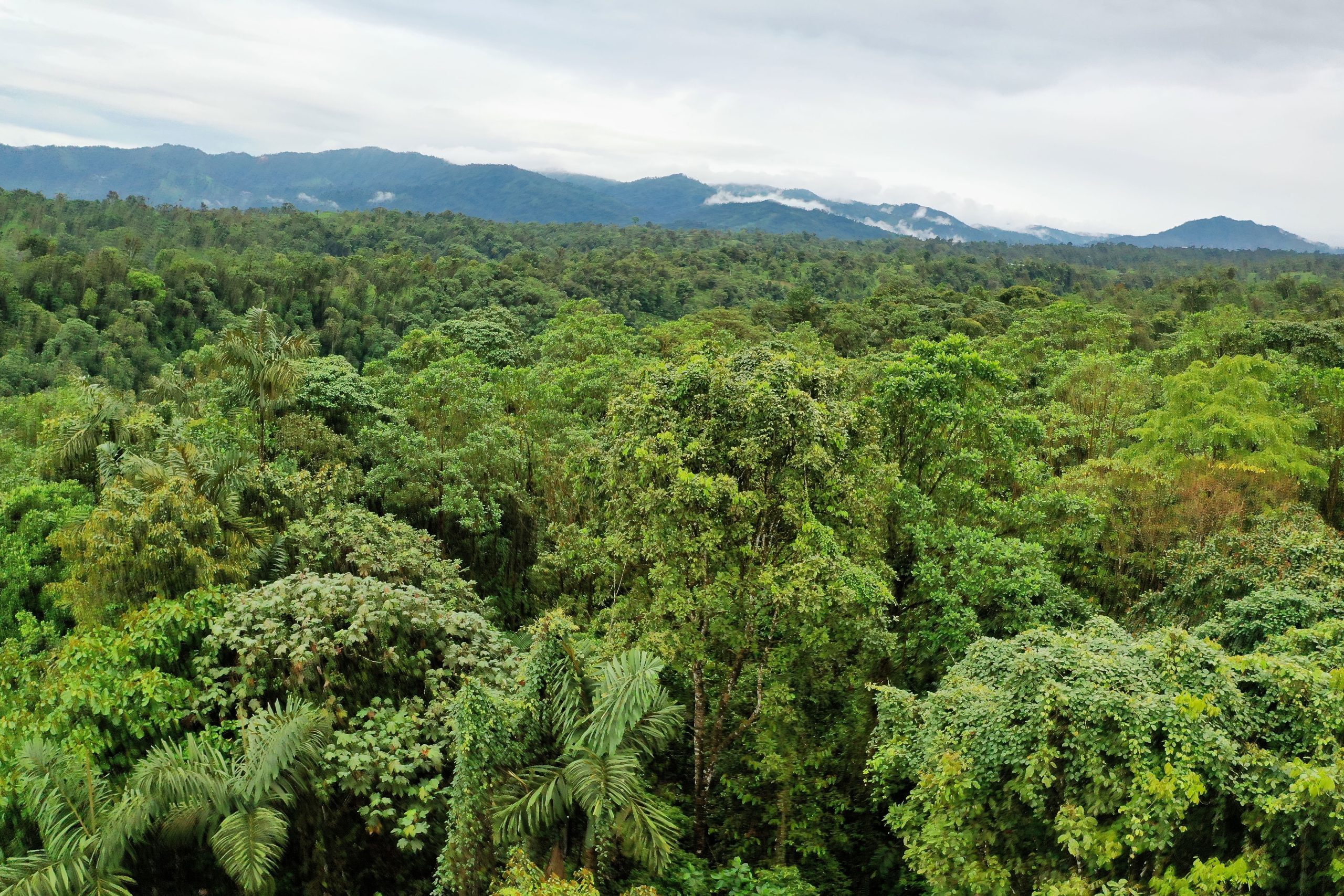
    The Ecuadorian Chocó Forest
    The Ecuadorian Chocó forest is home to more than 250 species of amphibians, including the Milpe Robber Frog, Pristimantis milpe. Credit: Santiago R. Ron

    Females and males also differ noticeably in appearance. Females have distinctive coloring on the groin and thighs, with orange or light blue tones marked by black spots, while males tend to display more uniform coloration.

    The frog occurs in the forests of the Ecuadorian Chocó and southern Colombia, a region considered especially important for biodiversity conservation.

    Historical collections still reshape biodiversity

    The discovery underscores the continuing scientific importance of natural history collections. Specimens preserved for generations can allow researchers to revisit classifications, compare physical characteristics, and resolve questions that could not be answered when the material was first collected.

    Santiago Ron Reviewing Jars With Historical Specimens
    Santiago Ron reviewing jars with historical specimens preserved in the collections of the Natural History Museum in London. Specimens were collected in the 19th century in Ecuador and preserved in London. Credit: Santiago R. Ron

    In this case, combining 19th-century museum specimens with observations of living populations allowed researchers to formally recognize Pristimantis milpe as a separate species.

    The finding also shows that biological surprises are not limited to rare or obscure animals. Even an abundant and familiar frog can remain misidentified for decades, and correcting such errors often requires linking historical collections with modern observations and research tools.

    Reference: “Long overdue: a new, widespread, species of Pristimantis (Anura, Strabomantidae) from the Chocó region and the synonymy of Pristimantis subsigillatus” by Santiago R. Ron, Poulette Paredes-Aguirre, Diego A. Paucar, Yaara López, Katherine Apunte and Jhael A. Ortega, 24 July 2026, ZooKeys.
    DOI: 10.3897/zookeys.1286.194383

    Field and laboratory work in Ecuador were funded by Secretaría Nacional de Educación Superior, Ciencia, Tecnología e Innovación del Ecuador SENESCYT (Arca de Noé initiative; SRR and Omar Torres principal investigators) and a grant from Pontificia Universidad Católica del Ecuador, Dirección General Académica.

    Never miss a breakthrough: Join the SciTechDaily newsletter.
    Follow us on Google and Google News.

    Amphibians Biodiversity Frogs New Species Pensoft Publishers Popular
    Share. Facebook Twitter Pinterest LinkedIn Email Reddit

    Related Articles

    These Strange Fanged Frogs Turn Out to Be Multiple Species

    Ghost Frog Found: Scientists Stumble Upon Species Missing Since 1902

    Scientists Discover Bizarre “Darth Vader” Sea Creature

    Not Science Fiction: Strange New Frog Species in Madagascar Sound Like They’re From Star Trek

    Fiery New Tarantula Species Discovered in Arizona’s Sky Islands – but It Could Soon Disappear Forever

    Web of Wonders: Expedition Discovers Four New Tarantula Species in Colombia’s Biodiversity Hotspot

    New Centipede Discovered on Top of Food Chain in Hellish Ecosystem of a Sulfur-Soaked Romanian Cave

    New Diamond Frog From Northern Madagascar – “As Soon as I Saw This Frog, I Knew It Was a New Species!”

    New Green Pit Viper From India Named After Salazar Slytherin From Harry Potter

    Leave A Reply Cancel Reply

    • Facebook
    • Twitter
    • Pinterest
    • YouTube

    Don't Miss a Discovery

    Subscribe for the Latest in Science & Tech!

    Trending News

    New AI Detects Hidden Warning Signs of Solar Eruptions Hours Before They Emerge

    Scientists Discover an Unexpected Mental Health Benefit of Ozempic

    Paleontologists Spent 20 Years Dating Thousands of Fossils – Here’s What They Found

    Scientists Discover a “New” Frog That Was Hiding in Plain Sight for 100 Years

    Earth’s Inner Core May Hide a Strange State of Matter

    The Brain Makes New Neurons Even in Adulthood. Depression May Stop It

    Scientists Discover a Hidden “Immune Organ” Inside the Skull

    Sugary Drinks Linked to 145% Higher Risk of Gastric Cancer

    Follow SciTechDaily
    • Facebook
    • Twitter
    • YouTube
    • Pinterest
    • Newsletter
    • RSS
    SciTech News
    • Biology News
    • Chemistry News
    • Earth News
    • Health News
    • Physics News
    • Science News
    • Space News
    • Technology News
    Recent Posts
    • Don’t Miss: A Brilliant Venus and Glowing Harvest Moon Light Up the Sky
    • New Twist on the Einstein Problem Reveals Unexpected Physics
    • Scientists Just Challenged a Century-Old Theory of How Crystals Form
    • Researchers Reveal the Hidden High Cost of “Free-To-Play” Video Games
    • Scientists Expose Unexpected Driver of the May 2024 Superstorm
    Copyright © 1998 - 2026 SciTechDaily. All Rights Reserved.
    • Science News
    • About
    • Contact
    • Editorial Board
    • Privacy Policy
    • Terms of Use

    Type above and press Enter to search. Press Esc to cancel.