
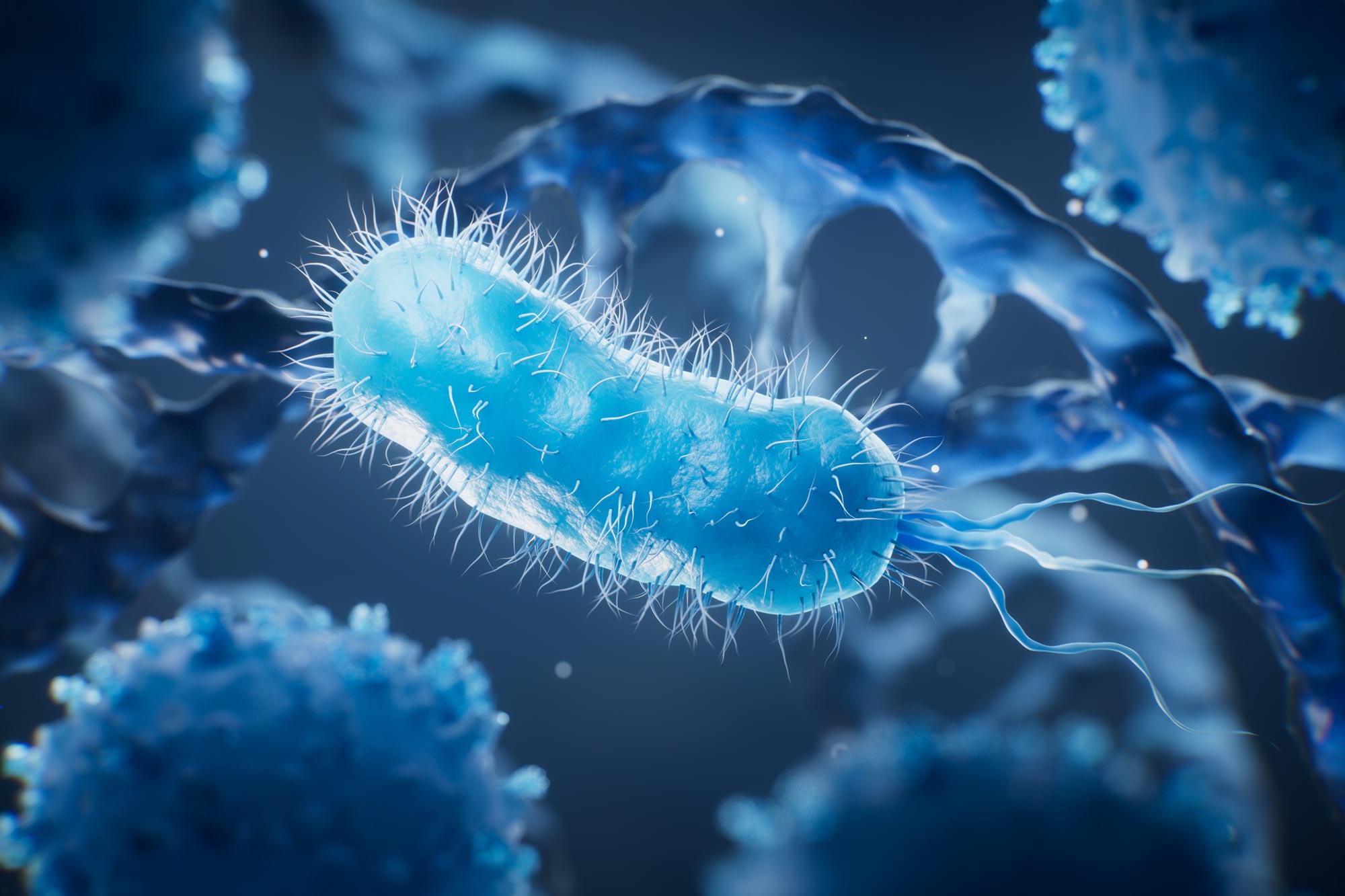
A magnetotactic bacterium extended lifespan in worms by 43.39% and appeared to do so by suppressing ferroptosis.
A bacterium best known for producing microscopic magnetic structures may have an unexpected effect on aging. In experiments with Caenorhabditis elegans, the magnetotactic bacterium Magnetospirillum magneticum AMB-1 extended average lifespan by 43.39% while helping preserve neurological function and intestinal integrity in older worms.
Researchers led by Prof. An Xu at the Hefei Institutes of Physical Science of the Chinese Academy of Sciences traced the effect to suppression of ferroptosis, an iron-dependent form of cell death driven by damaging lipid oxidation. The findings, published in Free Radical Biology and Medicine, point to an unusual connection between a microbe’s magnetic machinery and biological processes involved in aging.
Magnetotactic bacteria produce intracellular structures called magnetosomes, which contain magnetic minerals and help the microbes orient themselves along magnetic fields.
Their unusual properties and biocompatibility have already attracted interest for drug delivery, imaging, and cancer-related applications, but their potential influence on aging has received little attention. The new study suggests that these magnetic microbes could offer another way to investigate, and potentially influence, the cellular damage that accumulates with age.
A magnetic bacterium extended worm lifespan
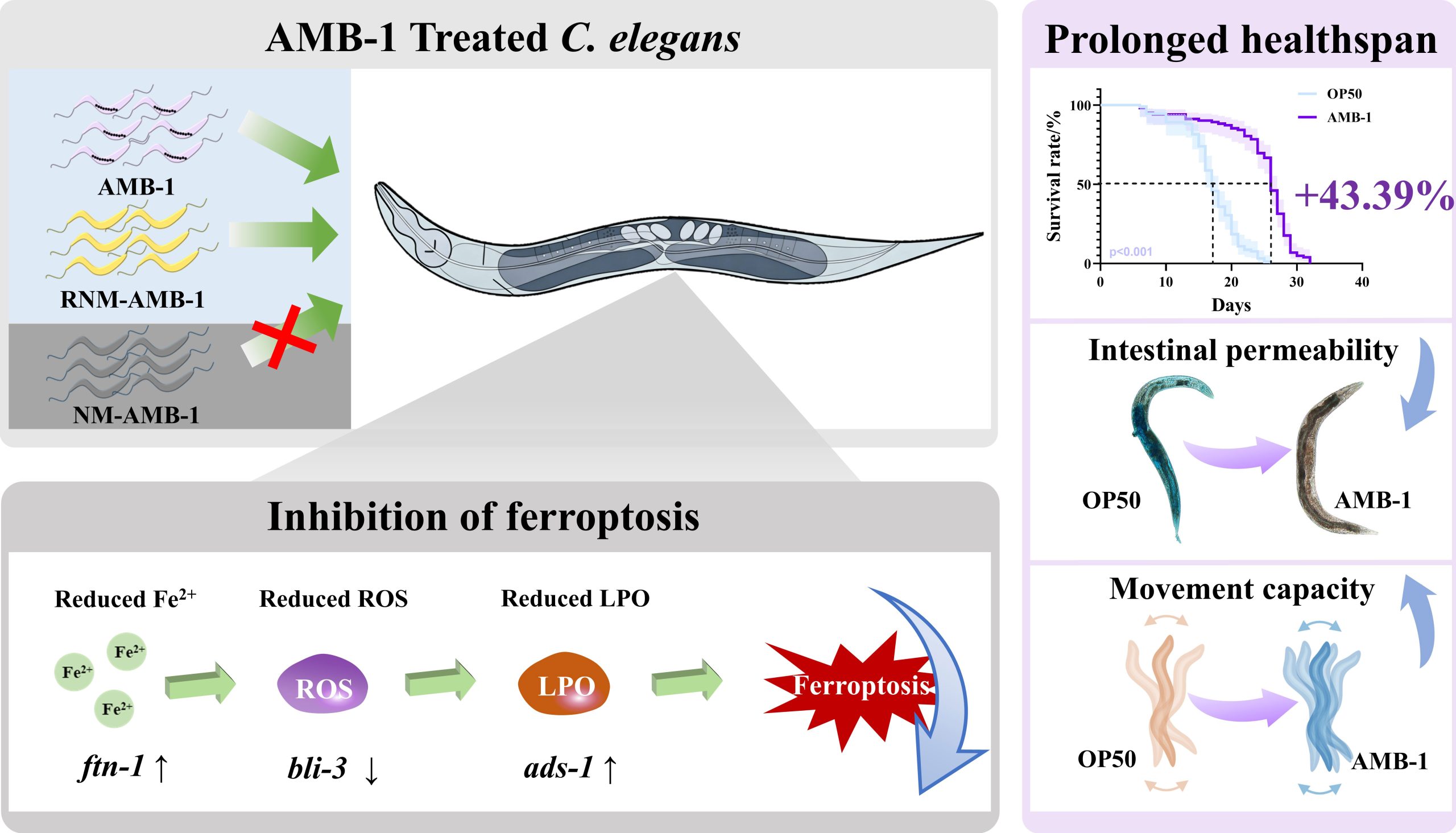
Using C. elegans as an aging model, the researchers tested how the MTB strain AMB-1 affected lifespan and age-related functions. Worms treated with AMB-1 lived an average of 43.39% longer, while aged animals also showed improved neurological function and better preservation of intestinal integrity.
Ferroptosis inhibition explained the longevity effect
The ability of AMB-1 to produce magnetosomes proved important to the lifespan effect. Wild-type AMB-1 produced stronger benefits than reversibly non-magnetotactic RNM-AMB-1, while the non-magnetotactic strain NM-AMB-1 did not extend lifespan.
The researchers then identified changes connected to ferroptosis. AMB-1 lowered iron accumulation and lipid peroxidation in the worms, suppressing aging-related ferroptosis. Genetic experiments further implicated ferroptosis-related pathways involving ftn-1, bli-3, and ads-1 in the lifespan effects associated with AMB-1.
According to the researchers, the results establish a new microbial strategy for intervening in aging and provide foundational evidence for extending the potential applications of magnetotactic bacteria into geriatric medicine.
Reference: “A novel role for magnetotactic bacterium: Magnetospirillum magneticum AMB-1 prolonged healthy lifespan of Caenorhabditis elegans via regulating ferroptosis” by Yuting Ding, Xinyao Huang, Yanan Zhao, Ruoyun Dong, Chenxi Zhou, Yuanyuan Wu, Hua Du, Juan Wan, Yun Liu and An Xu, 26 June 2026, Free Radical Biology and Medicine.
DOI: 10.1016/j.freeradbiomed.2026.06.050
Never miss a breakthrough: Join the SciTechDaily newsletter.
Follow us on Google and Google News.