
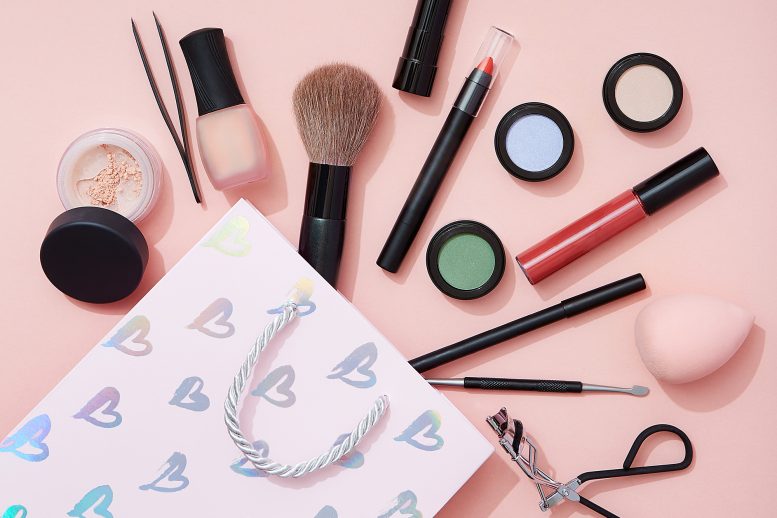
- Superbugs including E.coli and Staphylococci have been found in more than nine out of ten in-use beauty products
- Contaminated products used on the face and near eyes can cause skin infections and conjunctivitis
- New popular ‘beauty blender’ products were worst offenders
The vast majority of in-use make-up products such as beauty blenders, mascara, and lip gloss are contaminated with potentially life-threatening superbugs, new research from Aston University published in the Journal of Applied Microbiology has revealed.
Make-up products used every day by millions of people in the UK are contaminated with potentially deadly bugs, such as E.coli and Staphylococci, because most are not being cleaned and are used far beyond their expiry dates, new research led by Dr. Amreen Bashir and Professor Peter Lambert of Aston University’s School of Life and Health Sciences has shown.
Dr. Amreen Bashir explains what she found in your make-up bags and gives her top tips for cleaning your make-up products. Credit: Aston University
Bacteria that can cause illnesses ranging from skin infections to blood poisoning if used near eyes, mouth or cuts or grazes were found in nine out of ten of the products. This risk is amplified in immunocompromised people who are more likely to contract infections from opportunistic bacteria.
The relatively new beauty blenders — sponges used to apply skin foundation products — were found to have the highest levels of potentially harmful bacteria – with the vast majority (93 percent) not having ever been cleaned, despite more than two thirds (64 percent) being dropped on the floor at some point during use.
The research is the first to look at beauty blender products — hugely popular make-up sponges used to blend foundation and contouring on the face. Often endorsed by celebrities, these sponges are estimated to have sold over 6.5 million worldwide. The Aston researchers found these products are particularly susceptible to contamination as they are often left damp after use, which creates an ideal breeding ground for harmful bacteria.
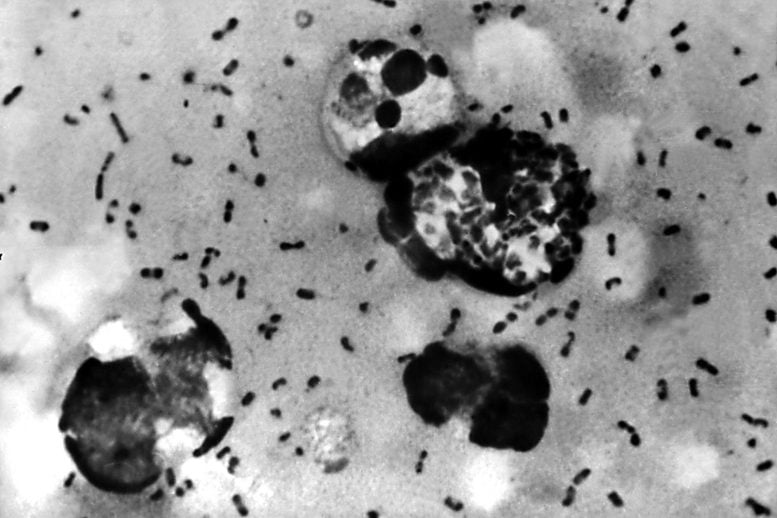
Researchers say the findings reveal that consumers are unwittingly putting themselves at risk, and that manufacturers and regulatory bodies should do more to protect their customers by making expiry dates and cleaning requirements more prominent on packaging. EU guidance holds make-up brands to strict hygiene standards of manufacture and states that E.coli, in particular, should not be found in any concentration in new cosmetic products. However, there is currently limited consumer protection around the risks of contaminating products while in use.
Post-Brexit, UK consumers could be at even greater risk as they will no longer be protected by EU regulations and could find themselves purchasing more beauty products from the US – for example – where there are no regulatory requirements to put expiry dates on make-up packaging at all.
Commenting on the new findings, Dr Bashir said: “Consumers’ poor hygiene practices when it comes to using make-up, especially beauty blenders, is very worrying when you consider that we found bacteria such as E.coli — which is linked with faecal contamination — breeding on the products we tested.
“More needs to be done to help educate consumers and the make-up industry as a whole about the need to wash beauty blenders regularly and dry them thoroughly, as well as the risks of using make-up beyond its expiry date.”
Reference: “Microbiological study of used cosmetic products: highlighting possible impact on consumer health” by A. Bashir and P. Lambert, 9 October 2019, Journal of Applied Microbiology.
DOI: 10.1111/jam.14479
Disclaimer: The beauty blenders referred to and tested in this research were from a range of shaped cosmetic sponge product manufacturers and the phrase beauty blenders used in the study does not specifically refer to the brand ‘Beautyblender.’
Never miss a breakthrough: Join the SciTechDaily newsletter.
Follow us on Google and Google News.
1 Comment
Excellent piece. I shared it with the admonition to wash hands as header. I really hope that our make-up aficionados read and heed.