
Close Menu
    Facebook X (Twitter) Instagram
    SciTechDaily
    • Biology
    • Chemistry
    • Earth
    • Health
    • Physics
    • Science
    • Space
    • Technology
    Facebook X (Twitter) Pinterest YouTube RSS
    SciTechDaily
    Home»Biology»The Ocean Is Becoming Too Loud for Oysters
    Biology

    The Ocean Is Becoming Too Loud for Oysters

    By University of AdelaideJuly 25, 2024No Comments3 Mins Read
    Facebook Twitter Pinterest Telegram LinkedIn WhatsApp Email Reddit
    Share
    Facebook Twitter LinkedIn Pinterest Telegram Email Reddit
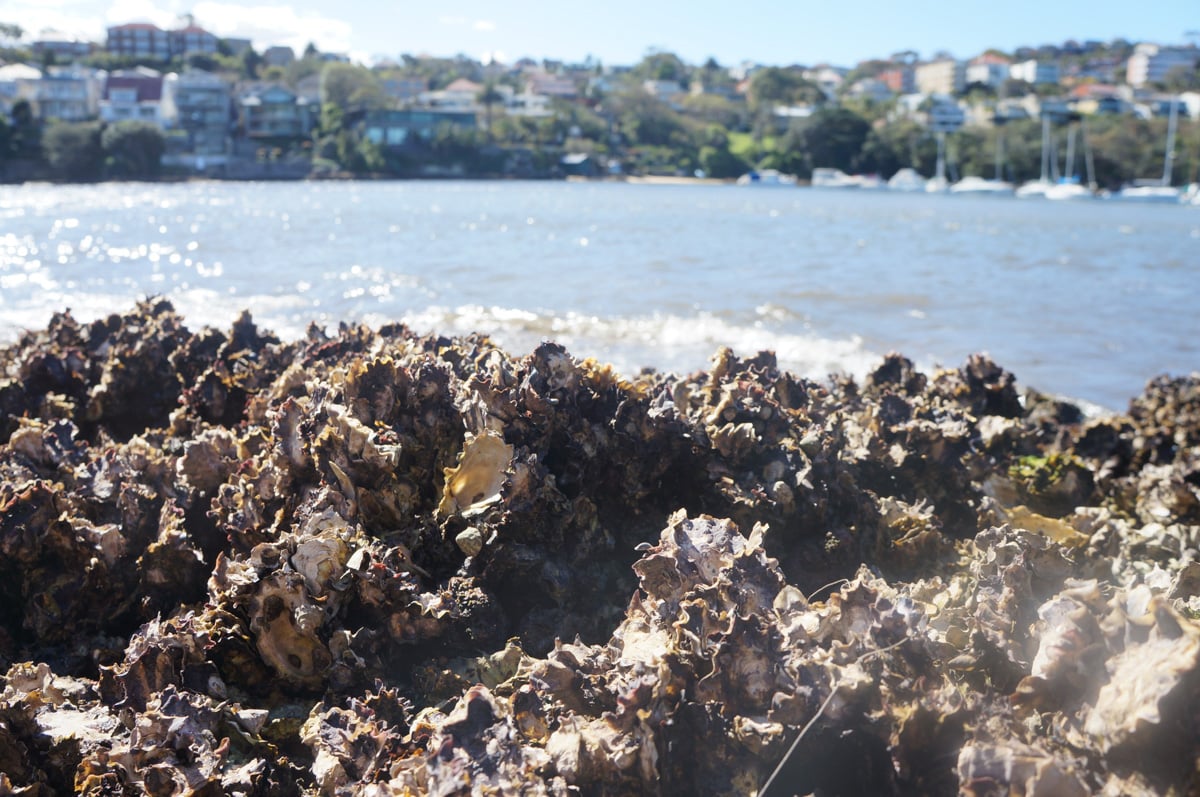
    Native Oyster Bed
    Human noise pollution interferes with baby oysters’ natural acoustic cues, hindering their settlement. While acoustic technology can aid oyster recruitment in quieter areas, it is less effective in noisy environments. Researchers are optimistic about its use in less trafficked areas. Credit: Dominic McAfee

    Research from the University of Adelaide reveals that human-generated noise is hindering baby oysters’ ability to use natural sounds to find habitats, affecting marine conservation efforts. Although acoustic technology helps in quieter areas, its effectiveness is reduced in noisy urban settings.

    New research from the University of Adelaide indicates that baby oysters, which depend on natural acoustic cues to find suitable environments for settling, are being disrupted by noise pollution from human activities.

    “The ocean’s natural sound is gradually hushing due to habitat loss, leading to a quieter natural environment increasingly drowned out by the crescendo of man-made noise pollution,” explained lead author Dr Brittany Williams, from the University’s Southern Seas Ecology Laboratories.

    “Numerous marine larvae rely on natural sounds to navigate and select their dwellings, so this interference poses a problem for conservationists aiming to attract oysters to restored reefs using natural sounds.

    “Noises from shipping, machinery, and construction, for example, are pervasive and pose serious environmental change that affects both terrestrial and marine animals.”

    According to the research, published in Proceedings of the Royal Society B, marine organisms appear particularly vulnerable to the intensification of anthropogenic noise because they use sound for a range of activities, including to sense their surroundings, navigate, communicate, avoid predators, and find mates and food.

    Challenges and Limitations of Acoustic Technology

    “Our previous work demonstrated that novel acoustic technology can bolster oyster recruitment in habitat restoration projects, but this new research indicates potential limitations of this speaker technology,” said the University of Adelaide’s Dr Dominic McAfee, who was part of the research team.

    In environments where there is a lot of human noise pollution, the speakers did not increase larval recruitment.

    “This suggests that noise pollution might cloak the intrinsic sounds of the ocean, potentially exerting profound ramifications on marine ecosystem vitality and resilience,” said co-author Professor Sean Connell, from the University of Adelaide and the Environment Institute.

    While acoustic enrichment may be less effective along noisy metropolitan coastlines and urbanized waterways, the researchers are still optimistic about the application of the technique in less trafficked areas.

    “Where there is little anthropogenic noise, acoustic enrichment appears to enhance the process of recruitment which is key to restoration success,” said Dr Williams.

    Reference: “Anthropogenic noise disrupts acoustic cues for recruitment” by Brittany R. Williams, Dominic McAfee and Sean D. Connell, 1 July 2024, Proceedings B.
    DOI: 10.1098/rspb.2024.0741

    Never miss a breakthrough: Join the SciTechDaily newsletter.
    Follow us on Google and Google News.

    Adelaide University Conservation Environment Marine Biology Oceanography
    Share. Facebook Twitter Pinterest LinkedIn Email Reddit

    Related Articles

    Sea Urchins Are Dying Worldwide and No One Knows Why

    Much Shallower Than Previously Thought: New Study Redefines Marine Boundaries in the Southwest Atlantic

    Major Step Forward in Monitoring Ocean Health Through “DNA Soup”

    Tropical Fish Shoals Disrupted by Ocean Acidification and Warming

    Ocean’s Mammals at Crucial Crossroads – 25% of Species at Risk of Extinction

    Protecting a Nearly Endangered Species: Tracking Hammerhead Sharks Reveals Conservation Targets

    Ocean Acidification From Climate Change Is Damaging Shark Scales

    “Coughing” Scallops Are Early Warning System for Worsening Water Quality

    Jellyfish Bloom in Marine Ecologies As Ocean Health Declines

    Leave A Reply Cancel Reply

    • Facebook
    • Twitter
    • Pinterest
    • YouTube

    Don't Miss a Discovery

    Subscribe for the Latest in Science & Tech!

    Trending News

    Monster Storms on Jupiter Unleash Lightning Beyond Anything on Earth

    Scientists Create “Liquid Gears” That Spin Without Touching

    The Simple Habit That Could Help Prevent Cancer

    Millions Take These IBS Drugs, But a New Study Finds Serious Risks

    Scientists Unlock Hidden Secrets of 2,300-Year-Old Mummies Using Cutting-Edge CT Scanner

    Bread Might Be Making You Gain Weight Even Without Eating More Calories

    Scientists Discover Massive Magma Reservoir Beneath Tuscany

    Europe’s Most Active Volcano Just Got Stranger – Here’s Why Scientists Are Rethinking It

    Follow SciTechDaily
    • Facebook
    • Twitter
    • YouTube
    • Pinterest
    • Newsletter
    • RSS
    SciTech News
    • Biology News
    • Chemistry News
    • Earth News
    • Health News
    • Physics News
    • Science News
    • Space News
    • Technology News
    Recent Posts
    • Simple Blood Test May Predict Alzheimer’s Years Before Brain Scans Show Signs
    • Scientists Say Adding This Unusual Seafood to Your Diet Could Reverse Signs of Aging
    • U.S. Waste Holds $5.7 Billion Worth of Crop Nutrients
    • Scientists Say a Hidden Structure May Exist Inside Earth’s Core
    • Doctors Surprised by the Power of a Simple Drug Against Colon Cancer
    Copyright © 1998 - 2026 SciTechDaily. All Rights Reserved.
    • Science News
    • About
    • Contact
    • Editorial Board
    • Privacy Policy
    • Terms of Use

    Type above and press Enter to search. Press Esc to cancel.