

Scientists are uncovering surprising links between aging and the trillions of microbes living in the human gut.
Scientists are investigating whether the key to aging well may lie in the gut microbiome. Early findings suggest microbes could affect everything from inflammation to lifespan, opening new possibilities for future treatments.
People once searched for the Fountain of Youth, the mythical spring said to reverse aging. That quest has faded from legend, but some scientists are pursuing a modern version by studying whether the microbes in the gut can help explain healthy aging.
The gut microbiome is the vast community of microscopic organisms, including bacteria, fungi, and viruses, that live mostly in the colon. These microbes help digest food and produce molecules that can influence both the body and the brain. A person’s microbiome is shaped by many factors, including genetics, diet, environment, medications, and age.
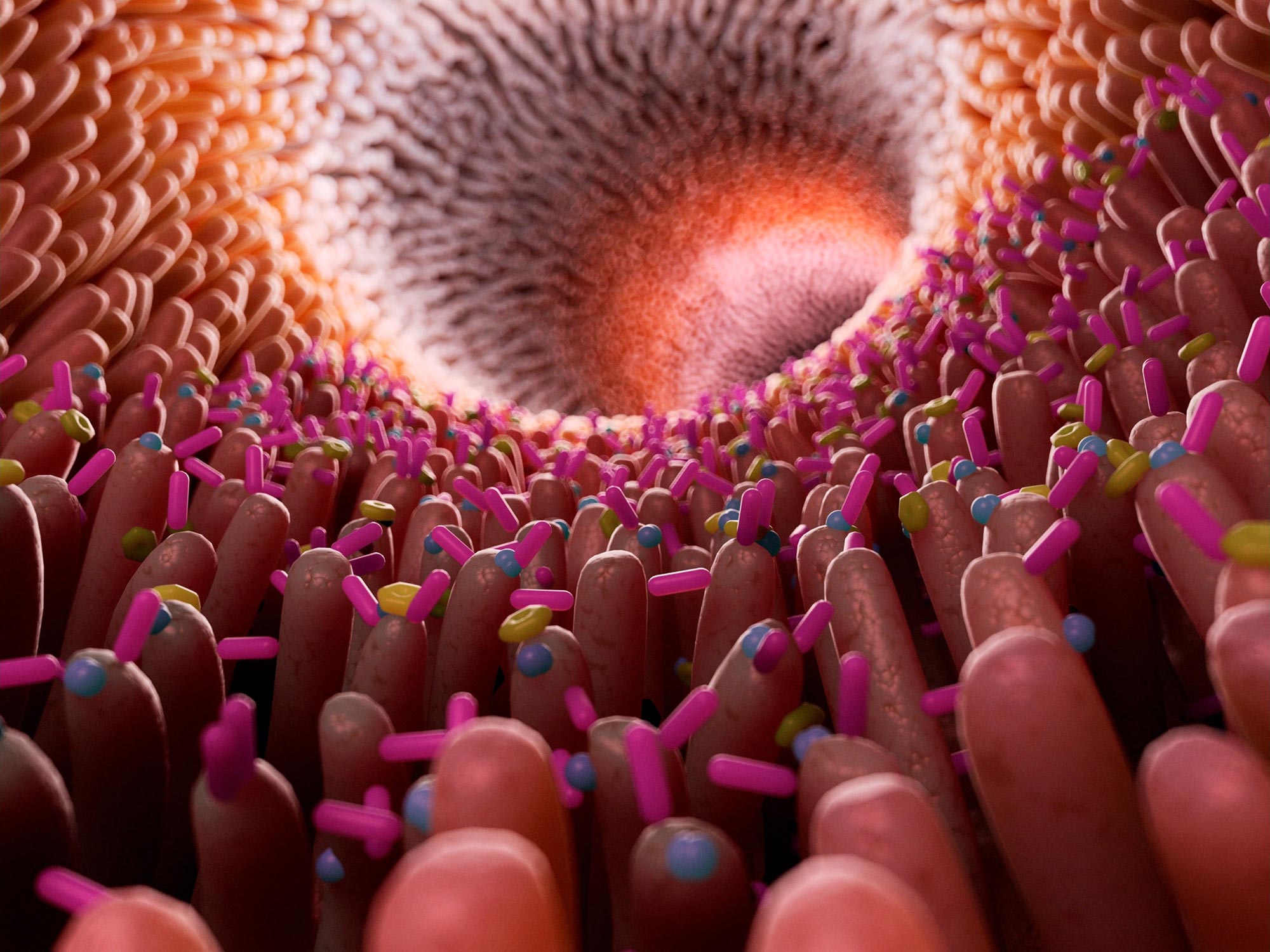
I’m a microbiology professor and author of “Pleased to Meet Me: Genes, Germs and the Curious Forces That Make Us Who We Are,” which describes how the gut microbiome contributes to physical and mental health. As scientists have learned that the gut microbiome shifts with age, they have begun exploring whether one key to healthier aging may be hiding not in a mythical spring, but inside the gut.
You’re only as old as your gut microbes
People are most familiar with outward signs of aging, such as wrinkles and graying hair, but there are also microscopic changes taking place deep inside. The gut microbes of older people tend to be less diverse, with more bacteria that promote inflammation and other hallmarks of aging. Changes to the microbiome across age are so consistent that algorithms can reliably predict a person’s age based on their microbiome composition.
There are exceptions to this rule. Older adults and supercentenarians who age well have a gut microbiome that looks more like those of younger people. These findings support the idea that maintaining a youthful microbiome fosters healthy aging and longevity.

To confirm that the microbes of youth influence aging, scientists use a technique called fecal microbiota transplantation. This procedure involves obliterating a person’s current gut microbiome and replacing it with microbes harvested from a donor’s feces. Transplanting microbiota from a young mouse into an elderly mouse reverses age-associated inflammation in the gut, brain, and eyes. Conversely, transplanting microbiota from an old mouse into a young one accelerates these aging parameters. Other studies suggest that microbiota from young mice alter metabolism in ways that reduce inflammation that accelerates aging.
The evidence that aging is linked with the microbiome is compelling. However, fecal transplantation is not without risk and is approved only as a last resort to treat severe C. difficile infections. These shortcomings have prompted researchers to search for safer and more refined ways to cultivate an age-friendly microbiome.
Diet and exercise may slow aging
Proper diet and exercise have long been tied to better aging and longevity. One way these lifestyle habits may be beneficial is through their influence on gut microbes.
What people eat – or fail to eat – has a demonstrable effect on their gut microbiomes. The standard American diet, enriched with ultraprocessed foods that are high in sugar, fat, and salt and low in nutrients and fiber, depletes microbiome diversity within days. Moving from a non-Western country to the U.S. is also associated with loss of gut microbiome diversity, partly due to dietary changes.
Lack of fiber is a major reason the microbiome adopts a configuration associated with poor aging. Studies in roundworms, mice, and rats found that fiber supplements improved overall health and extended lifespan by 20% to 35%. A 2025 study showed that increasing the amount of fiber in your diet is linked to as much as a 37% greater likelihood of healthy aging in women.
Fiber functions as a prebiotic, a nondigestible food component that nourishes the microbiome. Gut bacteria process fiber into compounds such as short-chain fatty acids that promote better aging by improving metabolic, brain, and immune function while reducing chronic inflammation. Good sources of prebiotics include most fruits and vegetables, whole grains, legumes, nuts, and seeds.
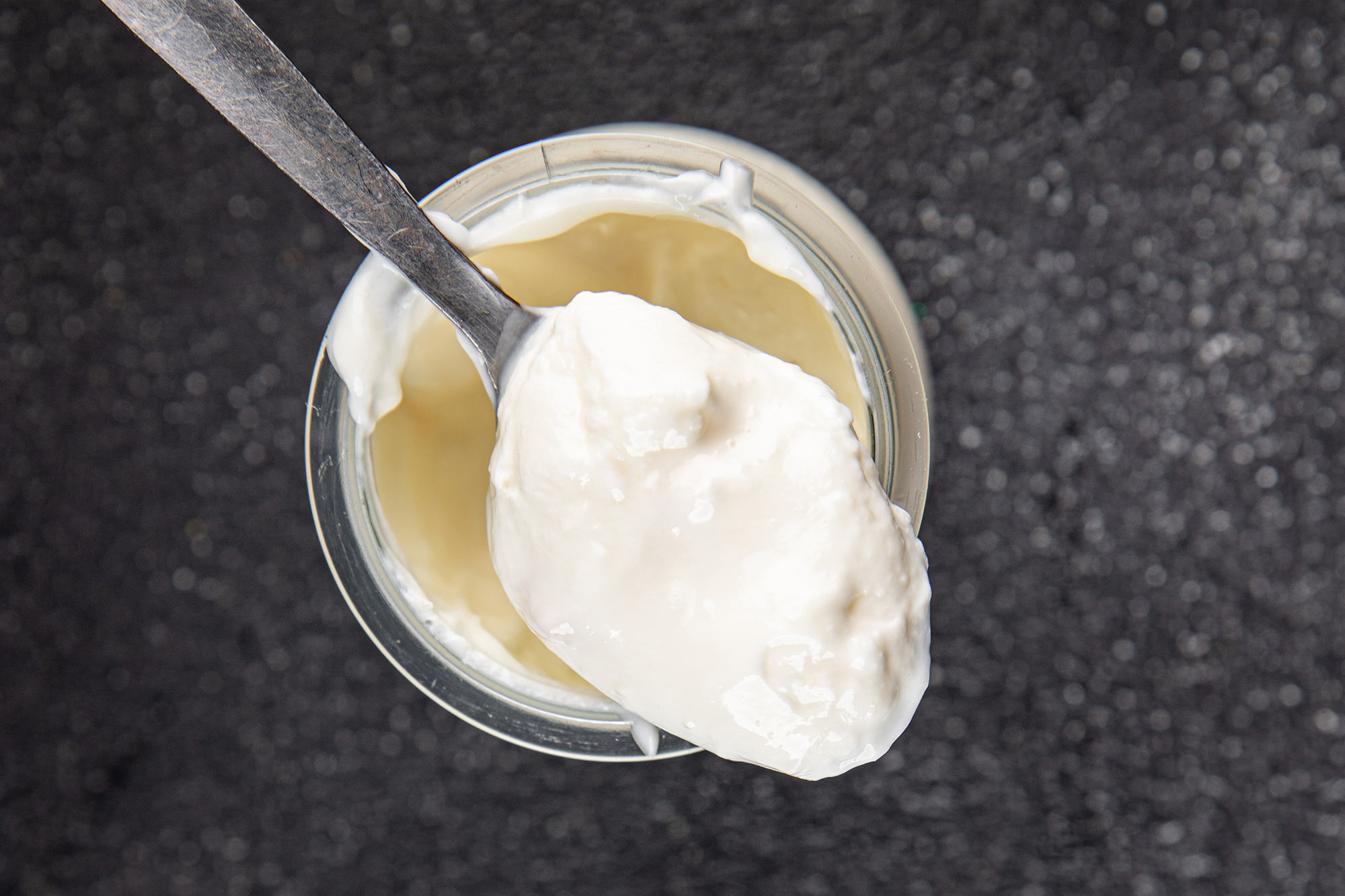
Certain foods, such as yogurt and kefir, or dietary supplements contain probiotics – living microbes that may benefit the gut microbiome. Research on probiotic foods and supplements is mixed, complicated by the variation in bacterial species and dosage in these products. The health benefits that different types of probiotics may confer is still under study.
Physical activity is also linked to a youthful microbiome. Regular exercise can reshape the microbiome of older adults to resemble those seen in younger adults. One study showed that when people ages 50 to 75 underwent 24 weeks of cardiovascular and resistance exercise, their microbiomes became populated by healthier bacteria and their blood had elevated levels of aging-friendly, short-chain fatty acids.
Treatments to manipulate the microbiome
Making healthy lifestyle changes is a noninvasive way to cultivate a youthful microbiome that may slow aging. Scientists are also exploring treatments to tailor the gut microbiome for better health outcomes.
One option may be postbiotics, nonliving but active compounds that probiotic microbes produce. For example, mouse studies have found that short-chain fatty acid supplements can improve age-related heart and lung problems. Similarly, elderly mice given heat-killed bacteria from a human infant saw reduced metabolic dysfunction and inflammation, as well as improved cognitive function.
The microbiome can also be modified with drugs, particularly antibiotics. A low-dose oral antibiotic can trigger gut bacteria to release factors that may promote good health and aging by, for example, strengthening the intestinal barrier or reducing inflammation. One such antibiotic, cephaloridine, extends the lifespan of roundworms and mice by triggering gut bacteria to make colanic acid, an anti-aging compound.
Bacteriophages, or phages, offer yet another potential way to manipulate the microbiome for health. Phages are highly selective viruses that infect and kill specific species of bacteria. Phages have been used to treat severe infections from bacteria resistant to antibiotics. Given that phages can alter the gut microbiome of mice, researchers are studying whether they could be used to eliminate gut bacteria associated with unhealthy aging.
Aging is a natural process that can bring many rewards. Cultivating a healthy microbiome could help people enjoy their golden years more fully.
Adapted from an article originally published in The Conversation.
Never miss a breakthrough: Join the SciTechDaily newsletter.
Follow us on Google and Google News.
1 Comment
Wow this is enough to drive the sanist person insane!
These people worry and worry worry and worry about dying when everybody’s going to die from something eventually. As Paul Simon said in a song “I never worry why should I it’s all going to fade…”