
Close Menu
    Facebook X (Twitter) Instagram
    SciTechDaily
    • Biology
    • Chemistry
    • Earth
    • Health
    • Physics
    • Science
    • Space
    • Technology
    Facebook X (Twitter) Pinterest YouTube RSS
    SciTechDaily
    Home»Chemistry»Scientists Discover Cheap Material That Kills Deadly Superbugs
    Chemistry

    Scientists Discover Cheap Material That Kills Deadly Superbugs

    By Flinders UniversityMay 12, 2026No Comments4 Mins Read
    Facebook Twitter Pinterest Telegram LinkedIn WhatsApp Email Reddit
    Share
    Facebook Twitter LinkedIn Pinterest Telegram Email Reddit
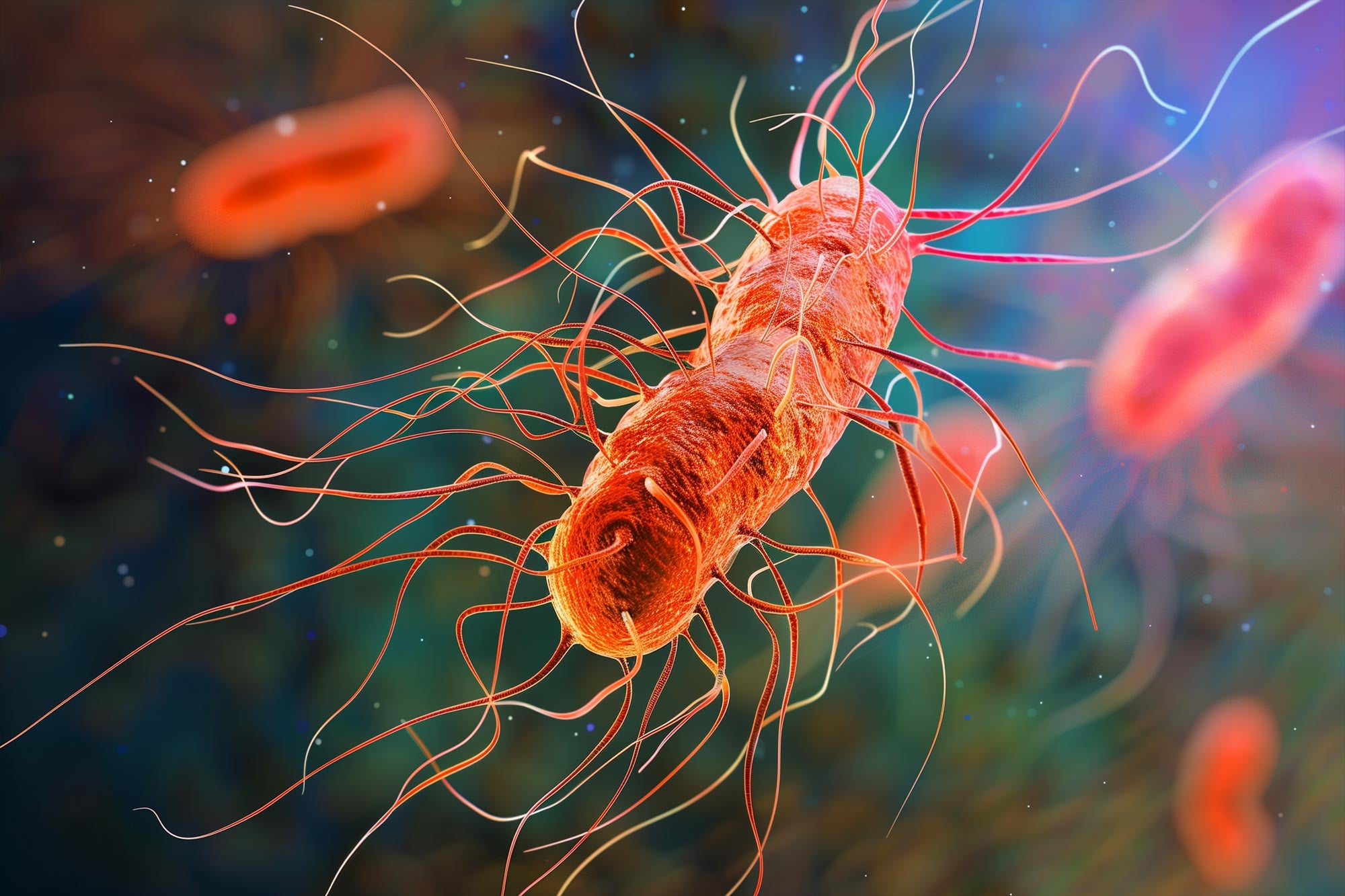
    E coli Superbug Bacteria Concept
    Scientists have developed an unusual sulfur-based polymer that shows strong activity against harmful microbes without damaging human or plant cells. Credit: SciTechDaily.com

    A new sulfur-rich antimicrobial polymer shows strong effectiveness against fungal and bacterial pathogens and may offer an affordable solution to antimicrobial resistance.

    Antimicrobial resistance is creating growing challenges for both healthcare and food production, increasing the need for affordable new materials that can fight dangerous pathogens.

    A multidisciplinary team led by Flinders University, working with researchers from the UK, has developed a new material designed for safe and effective antimicrobial and antifungal use.

    The World Health Organization has identified antimicrobial resistance as one of the century’s most serious global health threats. The problem involves dangerous pathogens, including Staphylococcus aureus, Klebsiella pneumoniae, non-typhoidal Salmonella, and Mycobacterium tuberculosis.
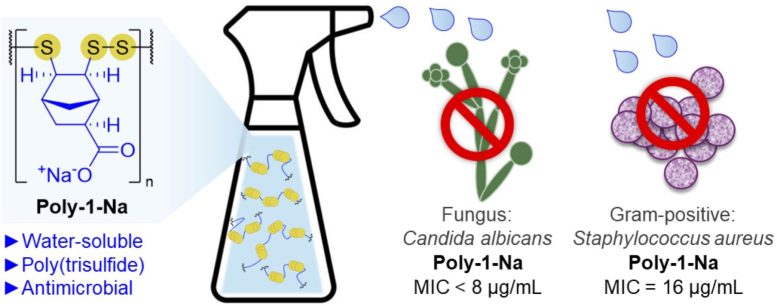
    Structure of the New Antimicrobial Poly 1 Na
    A depiction of the structure of the new antimicrobial (Poly-1-Na) and its use as an antifungal and antimicrobial agent. Credit: Chalker Lab (Flinders University)

    Novel Sulfur-Based Polymer Shows Promise

    “Importantly, the antimicrobial does not harm human or plant cells, so it has potential in medicine and agriculture,” says Professor Justin Chalker, whose research group recently created an innovative photochemical reaction used in the new study published in Chemical Science.
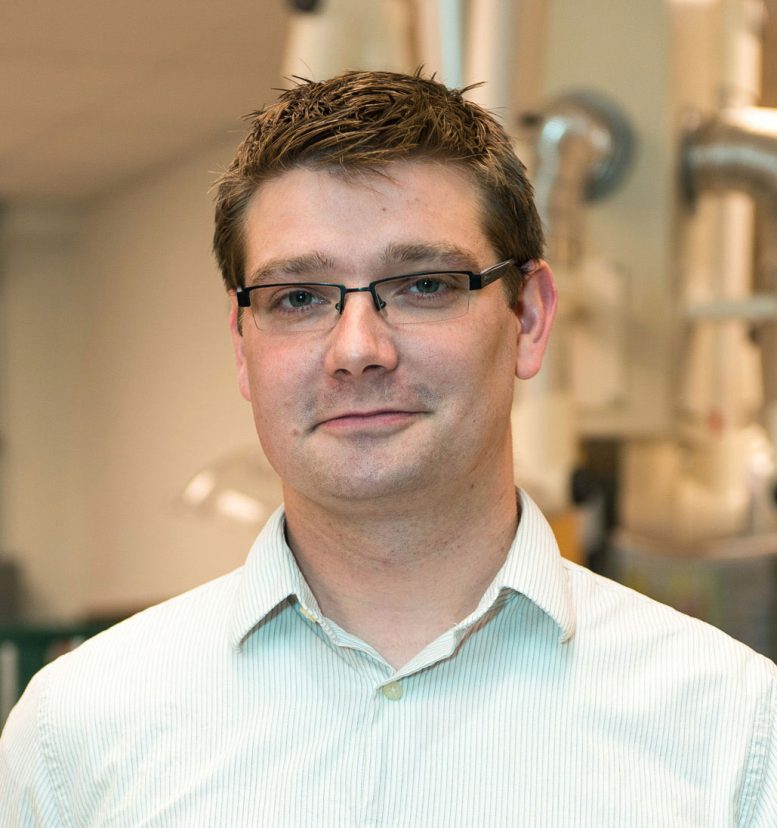
    Justin Chalker
    Professor Justin Chalker, Matthew Flinders Professor of Chemistry, Flinders University. Credit: Flinders University

    “The new antimicrobial is a sulfur-rich polymer material which overcome previous limitations in sulfur-based preparations and shows impressive potency against a variety of fungal and bacterial pathogens.”

    Sulfur and sulfur-based compounds have been used as antimicrobials for many years, but they are often malodorous (strong smelling) and difficult to formulate because of their limited solubility.

    Researchers Highlight Medical and Agricultural Potential

    Lead author Dr. Jasmine Pople says sulfur-based chemistry could play an important role in creating next-generation antimicrobial treatments.

    “Antimicrobial resistance, particularly in fungal pathogens, is an increasing clinical and agricultural threat,” she says.

    “It has the potential in the future to be part of effective, low-cost medicines and broad-scale agrichemical solutions,” says Dr. Pople, who first identified the antimicrobial activity during an Australian Research Council exchange at collaborator Dr. Tom Hasell’s lab at the University of Liverpool in 2024.
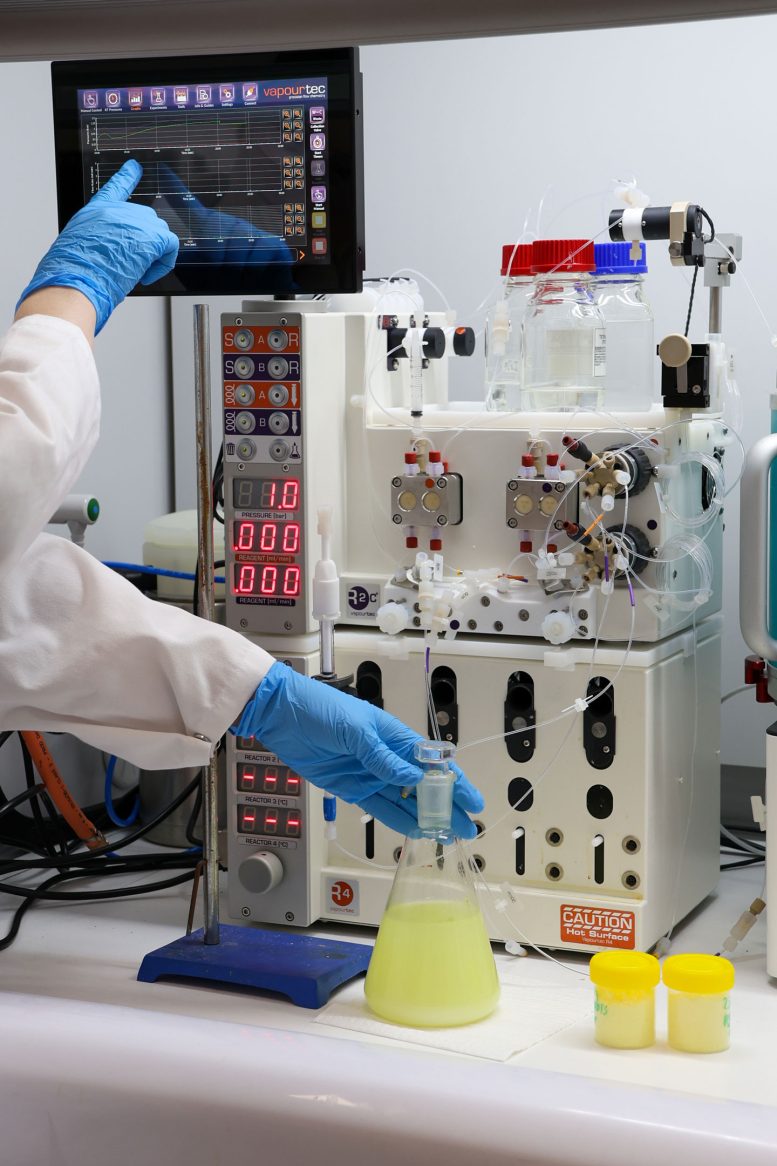
    Cutting Edge Photochemical Flow Reactor
    The antimicrobial is made using a cutting-edge photochemical flow reactor. The key photochemical polymerization was invented at Flinders University. Credit: Flinders University

    Researchers have since tested the material against multiple pathogenic strains with support from additional Flinders University experts, including virologist Professor Jillian Carr, as well as funding from a Flinders Foundation Health Seed Grant.

    Sustainable Sulfur Innovations Beyond Antimicrobials

    Coauthor and microbiologist Associate Professor Bart Eijkelkamp says combining advanced chemical synthesis with extensive biological testing across major pathogens strengthened the findings.

    Professor Chalker says the antimicrobial polymer project is part of broader efforts at Flinders University to transform surplus elemental sulfur into useful high-value materials.
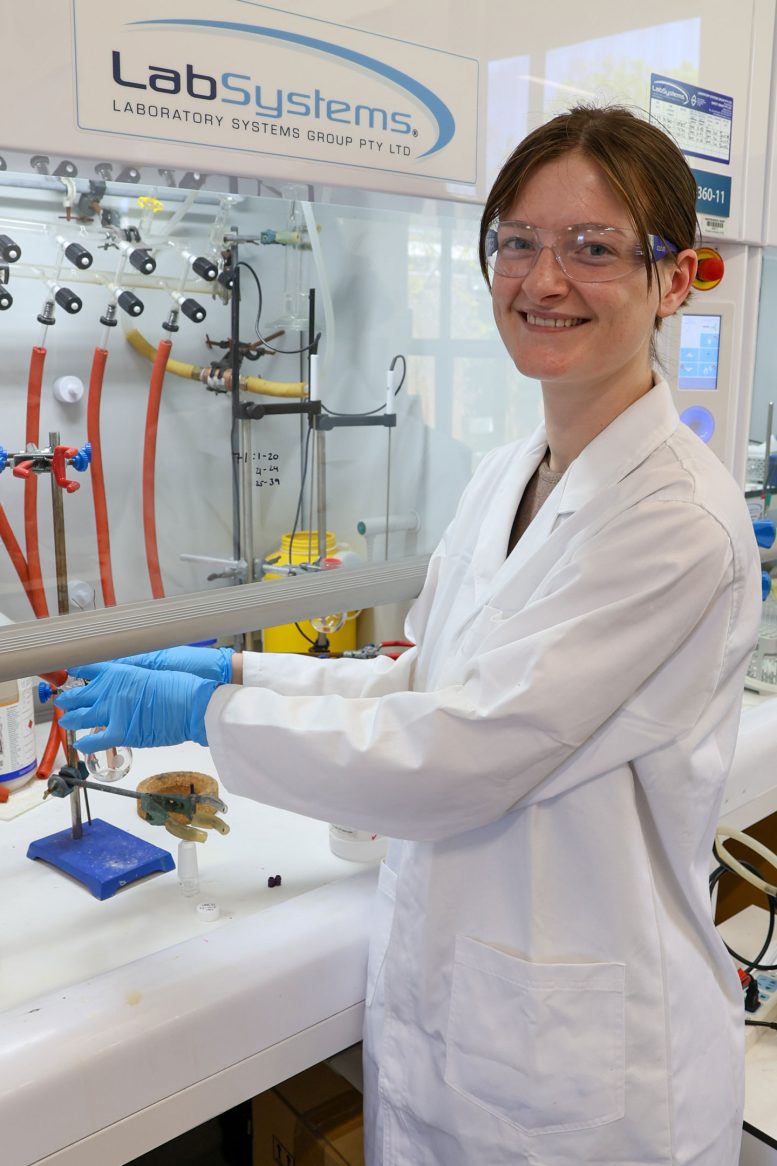
    Jasmine Pople
    Dr. Jasmine Pople, lead author of the study, preparing a key reagent used to make the antimicrobial agent. Credit: Flinders University

    Other developments include sulfur-rich polymers that recover gold from electronic waste, easy-to-recycle plastics, and low-cost lenses for thermal imaging cameras. These innovations have been published in Nature Sustainability, Nature Chemistry, and Nature Communications, respectively.

    Reference: “A poly(trisulfide) oligomer with antimicrobial activity” by Jasmine M. M. Pople, Ocean E. Clarke, Romy A. Dop, Thomas P. Nicholls, Harshal D. Patel, Witold M. Bloch, Zhongfan Jia, Sara J. Fraser-Miller, Evangeline C. Cowell, Jillian M. Carr, Daniel R. Neill, Joanne L. Fothergill, Bart A. Eijkelkamp, Tom Hasell and Justin M. Chalker, 16 April 2026, Chemical Science.
    DOI: 10.1039/D5SC09816E

    The project was funded by the Australian Research Council (DP230100587, FT220100054, FT240100330, DE250100525) and a Flinders Foundation Health Seed Grant.

    Never miss a breakthrough: Join the SciTechDaily newsletter.
    Follow us on Google and Google News.

    Agriculture Bacteria Flinders University Medicine Microbial
    Share. Facebook Twitter Pinterest LinkedIn Email Reddit

    Related Articles

    New Medicines & ‘Green’ Insecticides Possible With Efficient Synthesis of Ginkgo Compound

    Scientists Synthesize New Compound Effective Against Drug-Resistant Pathogens

    Biochemists Reveal New Insight on Bacterium That Protects Plants From Disease

    Beer’s Bitter Compounds May Result in New Treatments for Diabetes and Other Maladies

    Artificial System Models Light-Capturing Method Used by Deep-Sea Bacteria

    Stimulating Resolution Programs Limit Consequences of Infection

    Understanding Antibiotics and Their Role in Killing Bacteria

    Widespread Presence of Antibiotic Resistant Bacteria in Agricultural Soils

    Unlocking Chemical Pathways to Synthesize Chemicals Found in Nature

    Leave A Reply Cancel Reply

    • Facebook
    • Twitter
    • Pinterest
    • YouTube

    Don't Miss a Discovery

    Subscribe for the Latest in Science & Tech!

    Trending News

    New Pill Lowers Stubborn Blood Pressure and Protects the Kidneys

    Humans May Have Hidden Regenerative Powers, New Study Suggests

    Scientists Just Solved the Mystery of Why Crabs Walk Sideways

    Doctors Are Surprised by What This Vaccine Is Doing to the Heart

    This Popular Supplement May Boost Your Brain, Not Just Your Muscles

    Scientists Say This Simple Supplement May Actually Reverse Heart Disease

    Warming Oceans Could Trigger a Dangerous Methane Surge

    This Simple Movement Could Be Secretly Cleaning Your Brain

    Follow SciTechDaily
    • Facebook
    • Twitter
    • YouTube
    • Pinterest
    • Newsletter
    • RSS
    SciTech News
    • Biology News
    • Chemistry News
    • Earth News
    • Health News
    • Physics News
    • Science News
    • Space News
    • Technology News
    Recent Posts
    • Scientists Discover Cheap Material That Kills Deadly Superbugs
    • This Magnetic Field Trick Creates Entirely New Forms of Matter
    • Astronomers Stunned by Ancient Galaxy With No Spin
    • Physicists May Be on the Verge of Discovering “New Physics” at CERN
    • AI Learns To Work Backward and Reveal Hidden Forces in Nature
    Copyright © 1998 - 2026 SciTechDaily. All Rights Reserved.
    • Science News
    • About
    • Contact
    • Editorial Board
    • Privacy Policy
    • Terms of Use

    Type above and press Enter to search. Press Esc to cancel.