
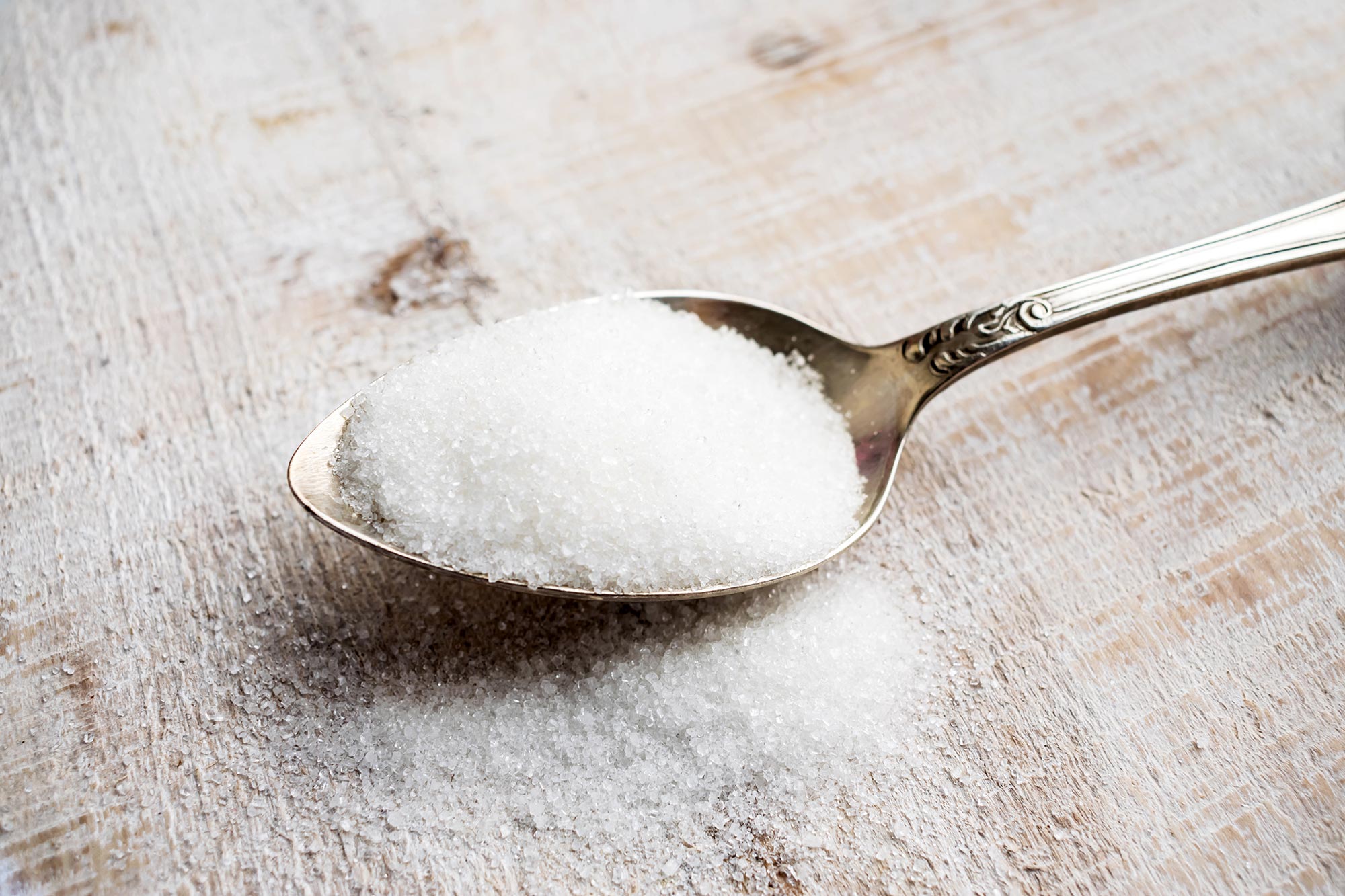
Researchers have uncovered evidence that a common “sugar-free” sweetener may mimic some of fructose’s harmful effects in the body.
That “sugar-free” snack in your kitchen may not be as harmless as it looks.
Scientists are raising new concerns about sorbitol, a common sweetener used in products marketed as low-calorie or diabetic friendly. New research suggests the sugar alcohol can trigger processes linked to fatty liver disease, especially when gut bacteria fail to break it down properly.
The study, published in Science Signaling, found that sorbitol can ultimately behave much like fructose inside the body.
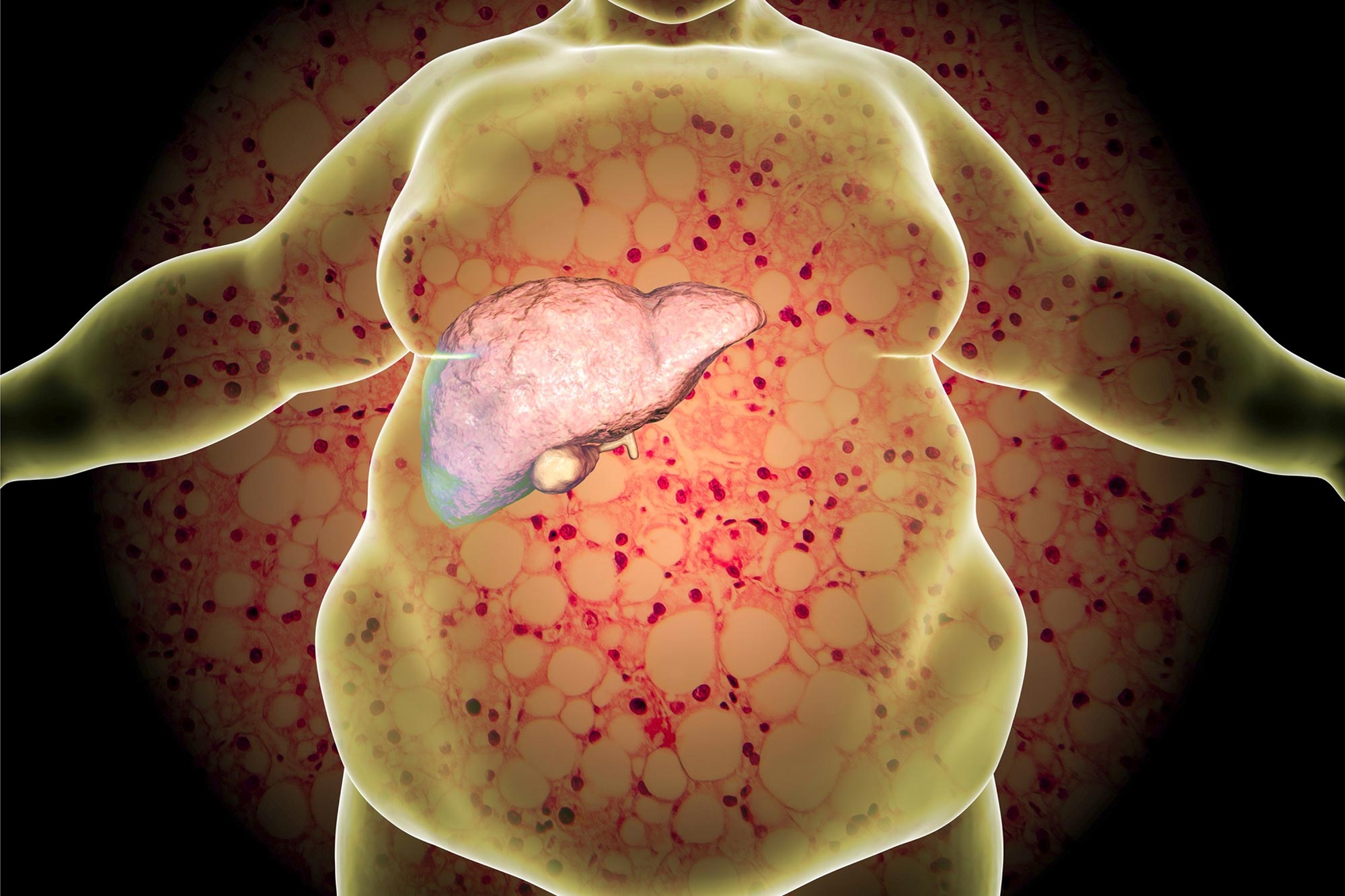
Fructose, which is heavily used in soft drinks and processed foods, has already been strongly linked to metabolic dysfunction–associated steatotic liver disease (MASLD), a condition formerly known as fatty liver disease. MASLD now affects an estimated 30% of adults worldwide and is increasingly being diagnosed in younger people.
How Gut Bacteria May Protect the Liver
Researchers at Washington University in St. Louis discovered that gut microbes may play a critical protective role. In experiments using zebrafish, animals with depleted gut bacteria developed fatty liver disease even while eating a normal diet. The reason traced back to sorbitol.

The team found that after glucose is consumed, intestinal cells can convert some of it into sorbitol. Under healthy conditions, gut bacteria normally destroy much of that sorbitol before it causes problems. But when those microbes are missing or overwhelmed, sorbitol travels to the liver, where it is transformed into fructose-related compounds that drive fat buildup.
In effect, the body may be quietly producing its own fructose pathway even without consuming fructose directly.
“The most surprising finding from the current work is that because sorbitol is essentially ‘one transformation away from fructose,’ it can induce similar effects,” said senior author Gary Patti, the Michael and Tana Powell Professor of Chemistry in Arts & Sciences and professor of genetics and medicine at WashU Medicine.
Signs of Fatty Liver Disease
The liver changes observed in the fish mirrored key features of MASLD. Researchers saw increases in glycogen storage, altered sugar metabolism, and fat accumulation in liver tissue. High doses of dietary sorbitol alone were enough to reproduce the same liver damage seen after gut microbiome depletion.
The findings may help explain why fatty liver disease has become so widespread, even among some people who try to avoid traditional sugar.
Sorbitol is commonly added to sugar-free gum, protein bars, diet desserts, cough syrups, toothpaste, and other processed foods because it contains fewer calories than table sugar and produces a smaller spike in blood glucose. It also naturally occurs in fruits such as peaches, apples, pears, and prunes. However, researchers stress that naturally occurring levels in whole fruit are typically much lower and come packaged with fiber and nutrients that slow digestion.
Problems appear to arise when intake becomes excessive.
The Role of Specific Microbes
The study identified certain strains of Aeromonas bacteria that can safely degrade sorbitol in the gut. When researchers reintroduced those bacteria into microbiome-depleted fish, the fatty liver condition improved. Blocking the body’s own sorbitol production also prevented disease development.
“But if you have the right bacteria, turns out, it doesn’t matter,” Patti said.
“However, if you don’t have the right bacteria, that’s when it becomes problematic. Because in those conditions, sorbitol doesn’t get degraded and as a result, it is passed on to the liver,” he explained.

The work adds to growing evidence that the microbiome strongly influences how the body handles food ingredients. Scientists increasingly suspect that two people can eat the same diet yet experience very different metabolic effects depending on the bacteria living in their intestines.
Growing Questions About Sugar Substitutes
Patti’s lab has spent years studying fructose metabolism and its effects on disease. Previous research from the group showed that fructose processing in the liver can be hijacked by cancer cells to fuel growth.
A separate study in lactating rats found that maternal sorbitol consumption caused metabolic abnormalities, liver damage markers, DNA damage, and impaired growth in offspring, while a different mouse study found that long-term sorbitol intake altered the gut microbiome and led to glucose intolerance. The new findings suggest some sugar substitutes may feed into the same biological systems researchers have been trying to avoid.
The results do not mean people should panic over occasional sugar-free foods. The experiments involved concentrated exposures, and the research was conducted in zebrafish rather than humans. Still, the study challenges a long-standing assumption that sugar alcohols simply pass through the body without major consequences.
“We do absolutely see that sorbitol given to animals ends up in tissues all over the body,” Patti said.
The researchers say more studies are needed to determine whether similar mechanisms occur in humans and whether probiotic or microbiome-based therapies could eventually help protect against liver disease.
References:
“Intestine-derived sorbitol drives steatotic liver disease in the absence of gut bacteria” by Madelyn M. Jackstadt, Ronald Fowle-Grider, Mun-Gu Song, Matthew H. Ward, Madison Barr, Kevin Cho, Hector H. Palacios, Samuel Klein, Leah P. Shriver and Gary J. Patti, 28 October 2025, Science Signaling.
DOI: 10.1126/scisignal.adt3549
“Dietary fructose enhances tumour growth indirectly via interorgan lipid transfer” by Ronald Fowle-Grider, Joe L. Rowles III, Isabel Shen, Yahui Wang, Michaela Schwaiger-Haber, Alden J. Dunham, Kay Jayachandran, Matthew Inkman, Michael Zahner, Fuad J. Naser, Madelyn M. Jackstadt, Jonathan L. Spalding, Sarah Chiang, Kyle S. McCommis, Roland E. Dolle, Eva T. Kramer, Sarah M. Zimmerman, George P. Souroullas, Brian N. Finck, Leah P. Shriver, Charles K. Kaufman, Julie K. Schwarz, Jin Zhang and Gary J. Patti, 4 December 2024, Nature.
DOI: 10.1038/s41586-024-08258-3
“Exposure to sorbitol during lactation causes metabolic alterations and genotoxic effects in rat offspring” by Felipe S. Cardoso, Carlos F. Araujo-Lima, Claudia A.F. Aiub and Israel Felzenszwalb, 21 August 2016, Toxicology Letters.
DOI: 10.1016/j.toxlet.2016.08.018
“Long-term consumption of the sugar substitute sorbitol alters gut microbiome and induces glucose intolerance in mice” by Chung-Hao Li, Chung-Teng Wang, Ying-Ju Lin, Hsin-Yu Kuo, Juei-Seng Wu, Tzu-Chun Hong, Chih-Jen Chang and Hung-Tsung Wu, 2 July 2022, Life Sciences.
DOI: 10.1016/j.lfs.2022.120770
Never miss a breakthrough: Join the SciTechDaily newsletter.
Follow us on Google and Google News.
3 Comments
thanks for this
ye
Aeromonas is a BAD gut bacteria. This article makes it seem like supplementing this could be helpful. It can produce toxins and cause horrible gastro issue.