
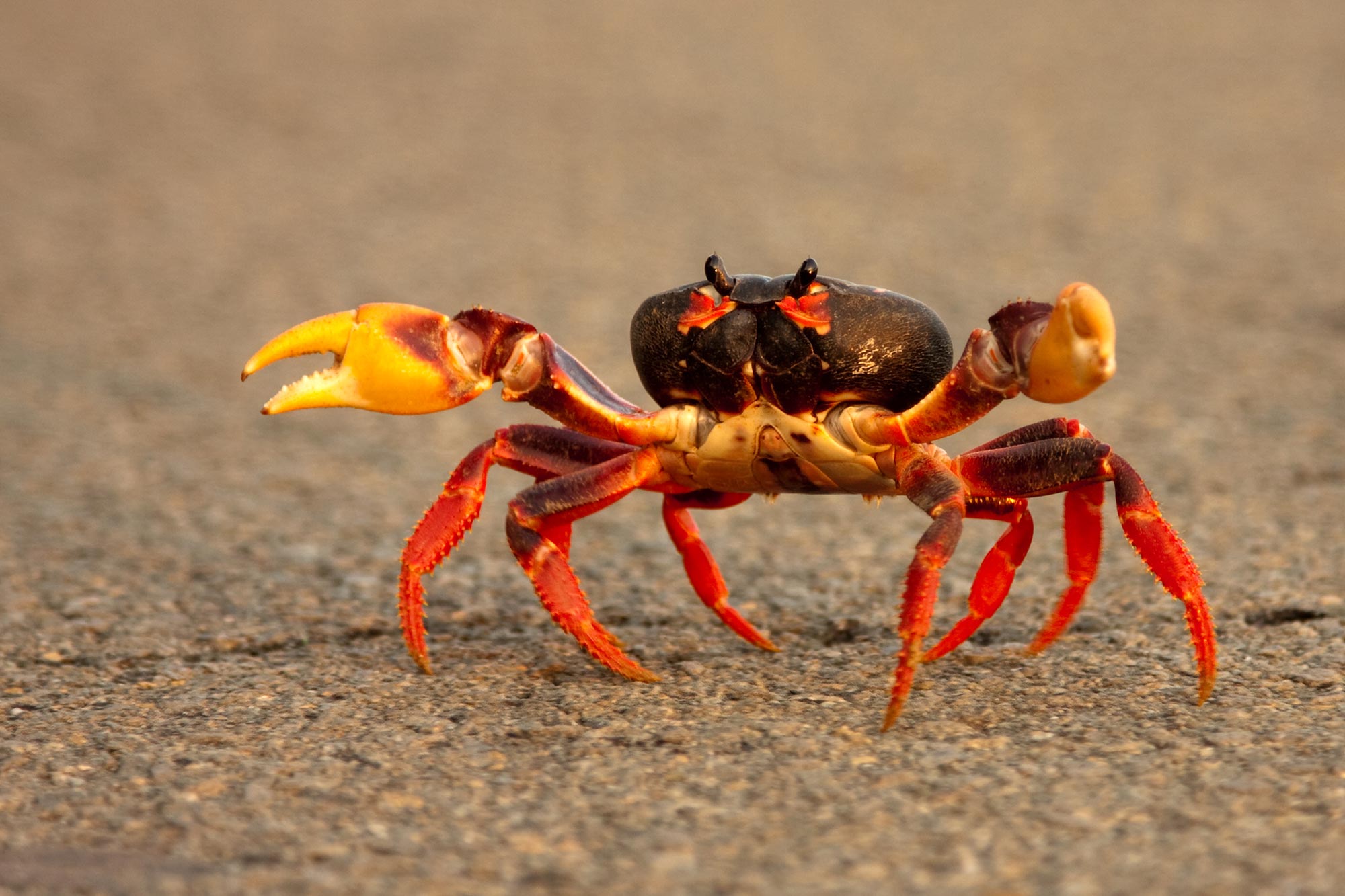
Crabs may owe their famous sideways walk to one evolutionary event that happened 200 million years ago.
Researchers have uncovered new evidence about how crabs evolved their famous sideways movement, suggesting the unusual walking style first appeared about 200 million years ago.
The findings, published as a Reviewed Preprint in eLife, are based on the largest comparative analysis yet of crab locomotion. By combining direct observations of living crabs with evolutionary data, the team traced sideways walking back to a shared ancestor from the Jurassic period. Editors at eLife say the study provides valuable insights supported by largely convincing evidence and could interest scientists studying how animals move.
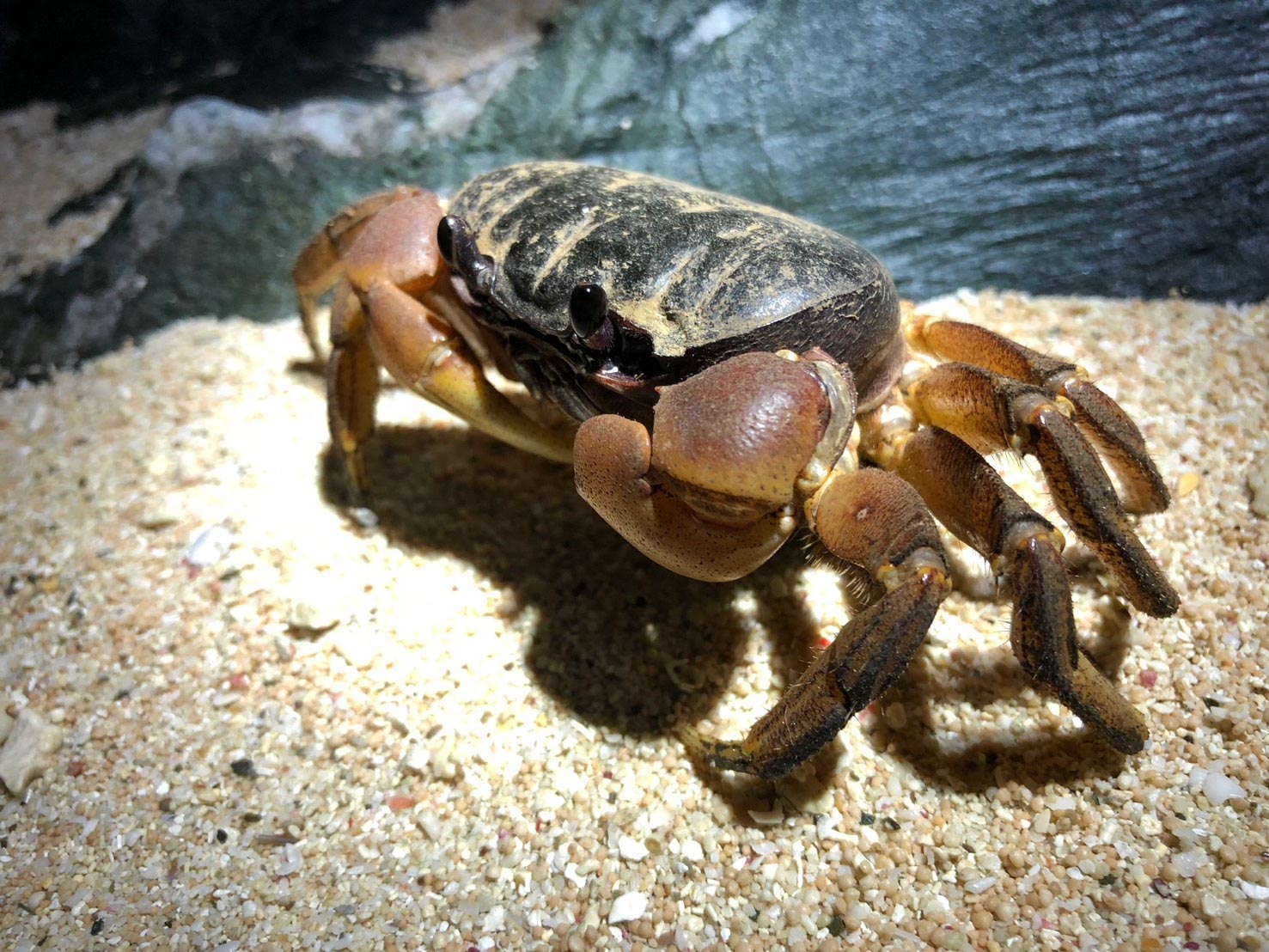
Why True Crabs Walk Sideways
Sideways movement is one of the defining characteristics of ‘true crabs’ (Brachyura), the largest group of crab decapods. Researchers say this style of movement may help crabs evade predators because it allows them to escape in less predictable directions.
“Sideways locomotion may have contributed significantly to the ecological success of true crabs,” says senior corresponding author Yuuki Kawabata, Associate Professor at the Graduate School of Integrated Science and Technology, Nagasaki University, Japan. “There are around 7,904 species of true crabs, far exceeding that of their sister group, Anomura, or their closest relatives, Astacidea; they have colonized diverse habitats around the world, including terrestrial, freshwater, and deep-sea environments; and their crab-like body shape has evolved repeatedly over time in a phenomenon known as carcinization.
“Despite the rich information available on true crabs, data concerning their locomotor behaviors are sparse. Although most true crab species use sideways locomotion, there are some groups that walk forward, which raises some interesting questions. When did their sideways locomotion originate, how many times over the years did it evolve, and how many times did it revert?”
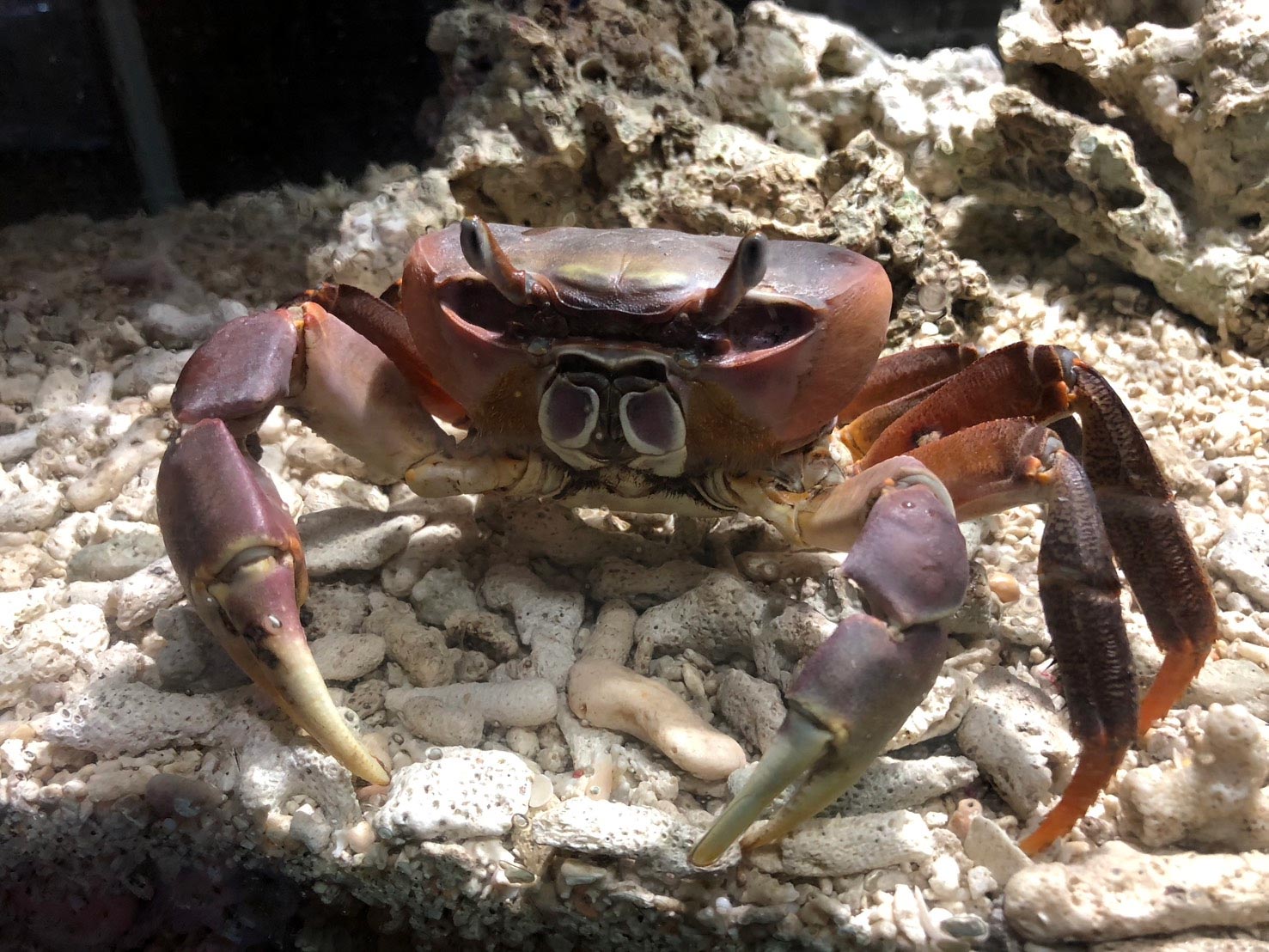
Researchers Analyzed 50 Crab Species
To explore those questions, Kawabata and colleagues studied the movement patterns of 50 species of true crabs. Using a standard video camera, the researchers filmed each species for 10 minutes inside circular plastic arenas designed to resemble their natural habitats. Because of practical limitations, one crab from each species was recorded.
The team then paired those observations with information from a previously published crab phylogeny* that reconstructed the evolutionary history of Brachyura using sequences from 10 genes across 344 species representing most major true crab lineages.
Since the behavioral data and phylogeny did not always include the exact same species, the researchers simplified the evolutionary tree to include 44 genera, along with five families and one superfamily. Closely related groups were used to stand in for missing species when necessary.
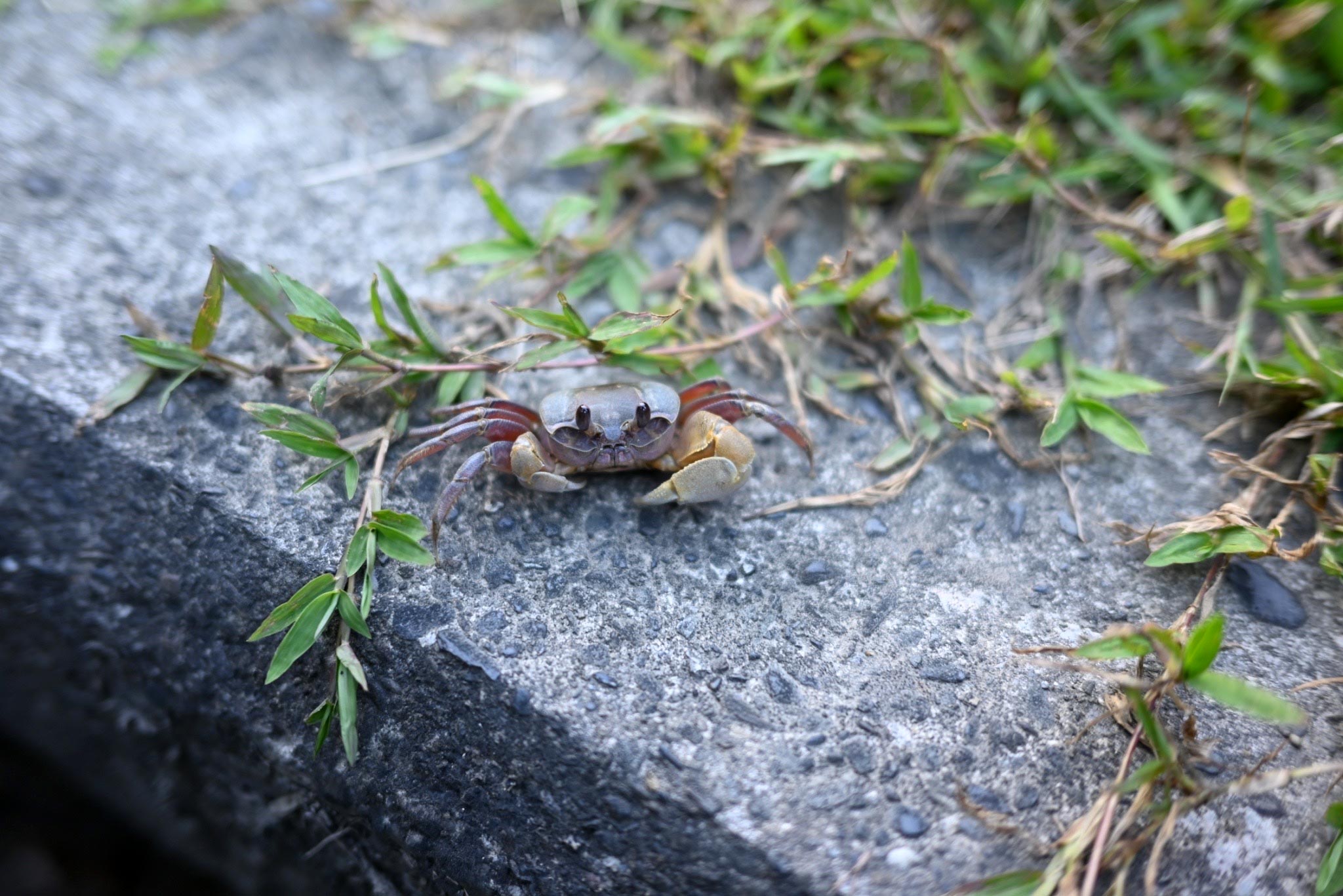
Sideways Walking Evolved Only Once
Among the 50 species studied, 35 mainly moved sideways while 15 primarily walked forward. After mapping those behaviors onto the evolutionary tree, the researchers concluded that sideways walking likely evolved only once.
According to the analysis, the behavior appeared in a single forward walking ancestor near the base of Eubrachyura (a group comprising more advanced crab species) and was then preserved throughout the evolution of true crabs.
“This single event contrasts starkly with carcinization, which has occurred repeatedly across decapod species,” Kawabata explains. “This highlights that while body shapes may converge multiple times, behavioral changes such as sideways walking can be rare.”
A Survival Advantage for Crabs
The researchers believe this evolutionary shift may have played an important role in the success of true crabs. Sideways movement allows crabs to move quickly in either lateral direction, which may improve their ability to avoid predators.
At the same time, the study suggests this type of locomotion is difficult to evolve because it could interfere with other important behaviors, including burrowing, feeding, and mating. The authors note that sideways walking appears to be unique to true crabs, with only a few possible parallels in animals such as crab spiders and leafhopper nymphs.
Evolution, Extinction, and Ecological Opportunity
The study also points to environmental conditions as another factor behind the evolutionary success of crabs. The researchers estimate that sideways walking originated around 200 million years ago (in the earliest Jurassic, immediately after the Triassic–Jurassic extinction).
That era included major environmental shifts, including the breakup of Pangaea, the expansion of shallow marine habitats, and the early Mesozoic Marine Revolution. Scientists say these changes likely created new ecological opportunities that helped true crabs diversify.
“To disentangle the relative roles of innovation and environmental change, we need further analyses of trait-dependent diversification, fossil-informed timelines, and performance tests that link true crabs’ sideways movement to adaptive advantages,” Kawabata adds.
New Insights Into Animal Movement
“These current results highlight that sideways locomotion in true crabs is a rare but innovative trait that may have contributed to their ecological success,” Kawabata concludes. “Such innovations can open new adaptive opportunities and yet remain constrained by phylogenetic history and ecological contexts. With direct behavioral observations and a phylogenetic framework, this work expands our understanding of how modes of travel in animals diversify and persist through evolutionary time.”
Reference: “Evolution of sideways locomotion in crabs” by Junya Taniguchi, Tsubasa Inoue, Kano Kohara, Jung-Fu Huang, Atsushi Hirai, Nobuaki Mizumoto, Fumio Takeshita and Yuuki Kawabata, 21 April 2026, eLife.
DOI: 10.7554/eLife.110015.1
Yuuki Kawabata conducted the research alongside co-first authors Junya Taniguchi, Tsubasa Inoue and Kano Kohara from the Kawabata Laboratory. Additional contributors included Jung-Fu Huang of National Kaohsiung University of Science and Technology in Taiwan; Atsushi Hirai of the Susami Crustacean Aquarium in Wakayama, Japan; Nobuaki Mizumoto of Auburn University in Alabama, US; and Fumio Takeshita of the Kitakyushu Museum of Natural History & Human History in Japan.
Never miss a breakthrough: Join the SciTechDaily newsletter.
Follow us on Google and Google News.