
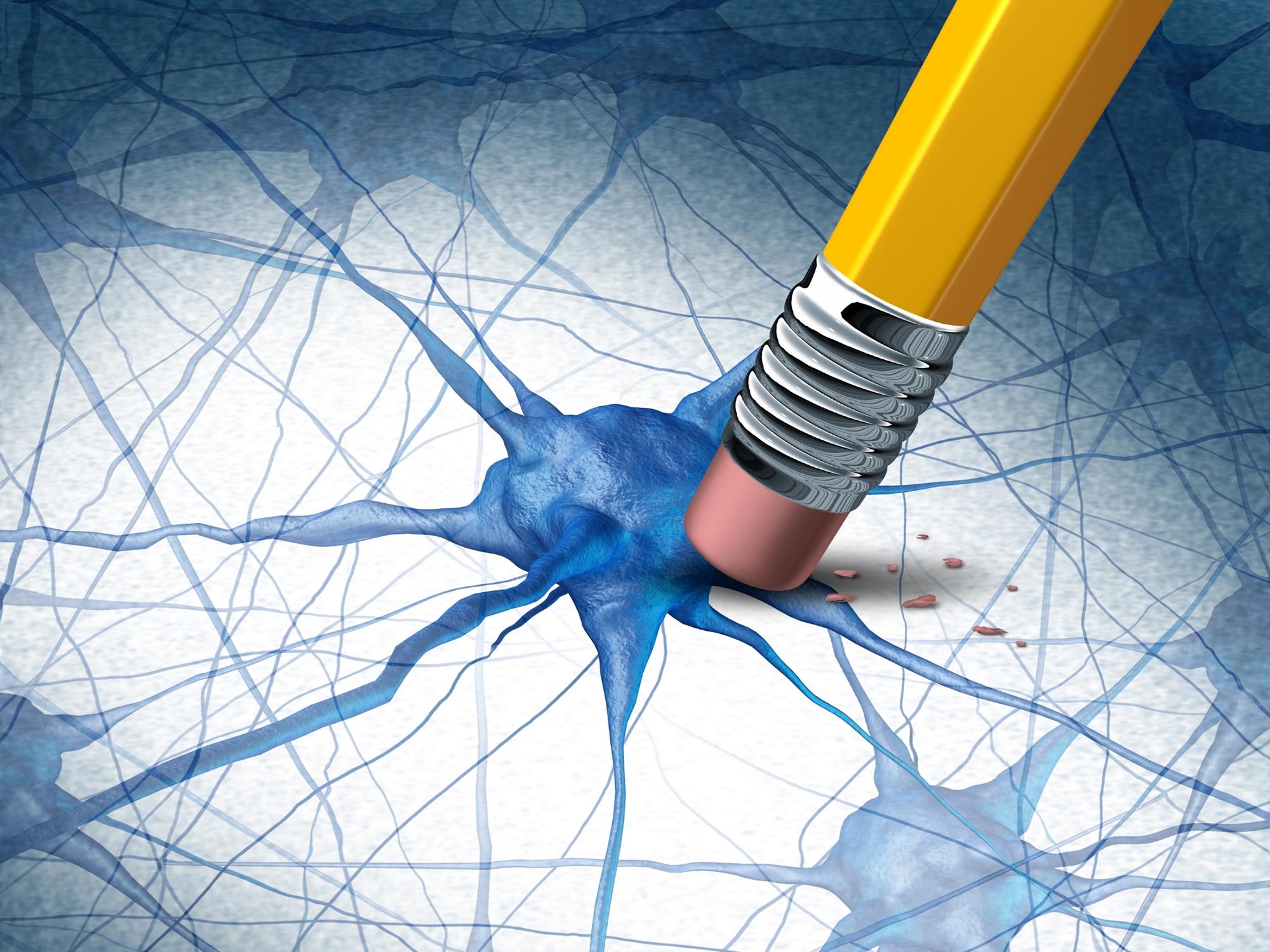
A widely available amino acid may offer a new way to target Alzheimer’s disease before major damage occurs.
Scientists in Japan say a common amino acid already sold as a dietary supplement may help slow key processes linked to Alzheimer’s disease.
In a study published in Neurochemistry International, researchers found that arginine reduced the buildup of toxic amyloid β (Aβ) proteins in both fruit fly and mouse models of Alzheimer’s disease (AD). The compound also appeared to ease brain inflammation and improve behavioral performance in mice.
Arginine is not a new experimental drug. It is a naturally occurring amino acid involved in functions such as blood flow, immune signaling, and wound healing, and it already has an established medical safety record in several conditions.
Alzheimer’s Disease and the Search for Safer Treatments
Alzheimer’s disease affects more than 50 million people worldwide, and that number is expected to rise sharply as populations age. One of the disease’s defining features is the accumulation of amyloid β proteins in the brain. Over time, these proteins misfold and clump together into sticky plaques that are believed to damage neurons and trigger inflammation.
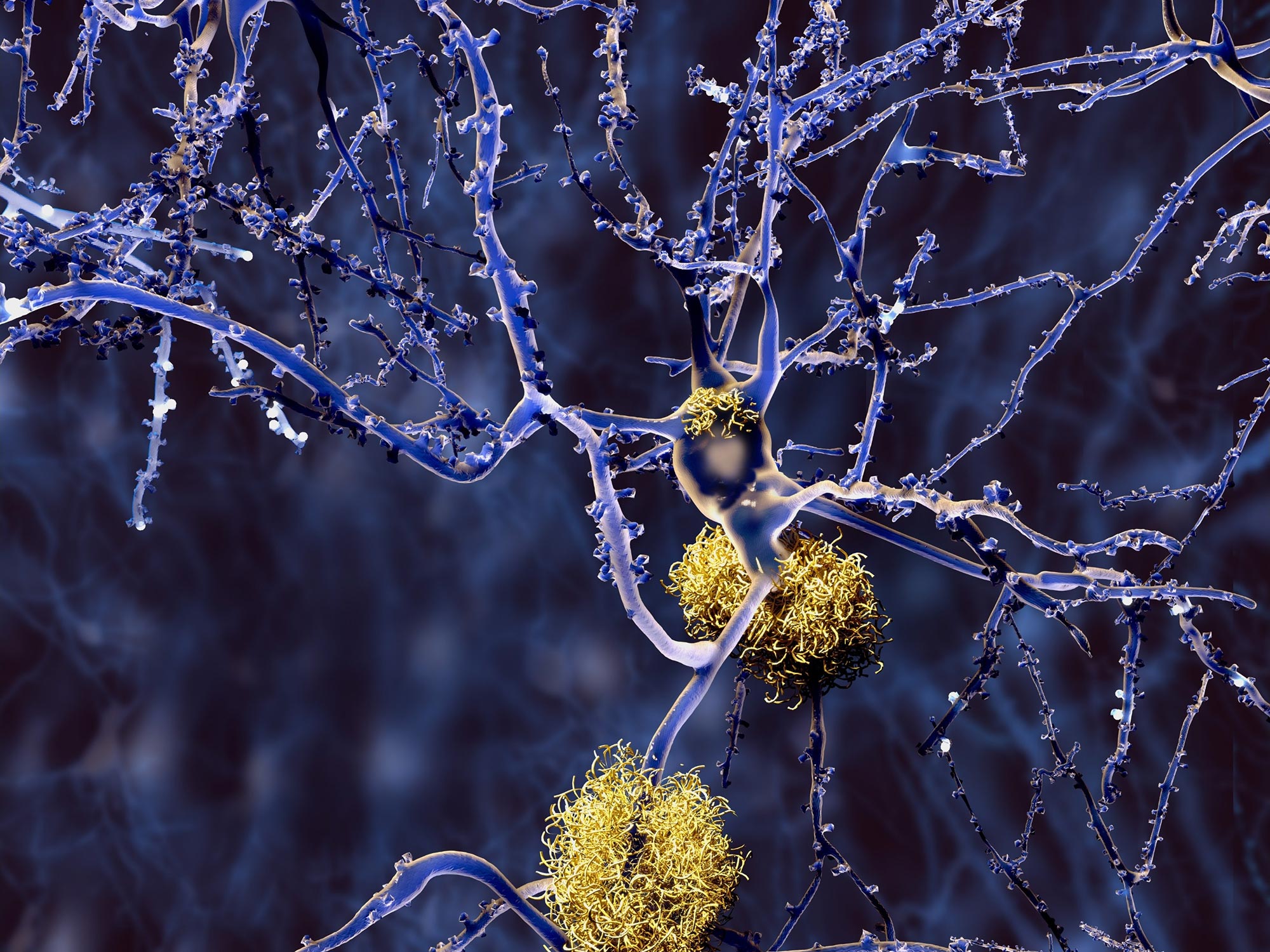
Although newer antibody drugs such as lecanemab and donanemab were designed to remove amyloid from the brain, their benefits have been modest for many patients. The treatments can also cost tens of thousands of dollars per year and may cause potentially serious side effects, including brain swelling and bleeding known as amyloid-related imaging abnormalities (ARIA).
The Japanese research team took a very different approach. Instead of trying to clear plaques after they form, they investigated whether arginine could stop amyloid proteins from clumping together in the first place.
How Arginine May Protect the Brain
Arginine belongs to a class of molecules known as chemical chaperones. These compounds help proteins maintain their proper shape and may prevent the kind of misfolding seen in neurodegenerative diseases. Previous research from the same group suggested arginine could reduce harmful protein aggregation in disorders such as spinocerebellar ataxia type 6 (SCA6), prompting researchers to test whether the same effect might apply to Alzheimer’s disease.
The study was led by graduate student Kanako Fujii and Professor Yoshitaka Nagai of Kindai University’s Faculty of Medicine in Osaka, together with Associate Professor Toshihide Takeuchi from the university’s Life Science Research Institute.
In laboratory experiments, the researchers found that arginine directly reduced the formation of Aβ42 fibrils, one of the most aggregation-prone forms of amyloid β. Higher arginine concentrations produced stronger anti-aggregation effects. Electron microscope images also showed that amyloid fibers exposed to arginine were shorter and less developed.
Results in Fruit Flies and Mice
The team then moved to animal models.
In genetically engineered fruit flies carrying the aggressive Arctic mutation linked to inherited Alzheimer’s disease, arginine reduced amyloid buildup and lessened damage in the flies’ eyes, a commonly used indicator of neurotoxicity in Drosophila studies. The protective effects increased with higher doses.
The researchers next tested arginine in AppNL-G-F knock-in mice, which carry three human familial Alzheimer’s mutations and gradually develop amyloid plaques in the brain. Mice that received arginine in their drinking water from an early age developed fewer plaques in regions critical for memory, including the hippocampus and cortex.
Importantly, the treatment did not simply lower amyloid production. Instead, evidence suggested arginine interfered with the aggregation process itself. Levels of insoluble Aβ42, the form associated with plaque formation, dropped significantly, while soluble amyloid levels remained largely unchanged.
Reduced Inflammation and Improved Behavior
The mice also showed signs of neurological improvement. In maze-based behavioral tests, arginine-treated animals displayed greater movement and exploratory activity compared with untreated Alzheimer’s model mice. Researchers additionally found reduced activity of inflammatory genes linked to cytokines such as IL-1β, IL-6, and TNF, molecules heavily associated with chronic brain inflammation in Alzheimer’s disease.
“Our study demonstrates that arginine can suppress Aβ aggregation both in vitro and in vivo,” said Professor Nagai. “What makes this finding exciting is that arginine is already known to be clinically safe and inexpensive, making it a highly promising candidate for repositioning as a therapeutic option for AD.”

The idea of “drug repositioning” has become increasingly attractive in neuroscience because developing brand-new Alzheimer’s drugs often takes more than a decade and costs billions of dollars. Repurposed compounds with known safety profiles can potentially move into clinical testing much faster.
Potential Beyond Alzheimer’s Disease
Researchers also note that amyloid buildup may begin 15 to 20 years before memory symptoms appear. Because arginine can be taken orally and has already been used clinically for other disorders, scientists believe it could eventually be explored as a long-term preventive strategy, particularly for people at elevated genetic risk.
Still, the authors caution that the work remains at the preclinical stage. Animal models cannot fully reproduce human Alzheimer’s disease, and the mice used in the study do not develop every hallmark of the condition, such as extensive neuron loss or tau tangles. The researchers also emphasized that the experimental dosing used in the study does not match commercially available supplements.
“Our findings open up new possibilities for developing arginine-based strategies for neurodegenerative diseases caused by protein misfolding and aggregation,” Nagai said. “Given its excellent safety profile and low cost, arginine could be rapidly translated to clinical trials for Alzheimer’s and potentially other related disorders.”
For now, scientists say larger preclinical and human studies will be needed to determine whether arginine can meaningfully slow Alzheimer’s progression in patients.
Reference: “Oral administration of arginine suppresses Aβ pathology in animal models of Alzheimer’s disease” by Kanako Fujii, Toshihide Takeuchi, Yuzo Fujino, Noriko Tanaka, Nao Fujino, Akiko Takeda, Eiko N. Minakawa and Yoshitaka Nagai, 30 October 2025, Neurochemistry International.
DOI: 10.1016/j.neuint.2025.106082
Funding: Ministry of Education, Culture, Sports, Science, and Technology, Japan Society for the Promotion of Science, Japan Science and Technology Agency, National Center of Neurology and Psychiatry
Never miss a breakthrough: Join the SciTechDaily newsletter.
Follow us on Google and Google News.
15 Comments
Are the amyloid Beta build-ups only preventable or they can be destroyed (in Alzheimer’s patients)too?
Are you saying arginine in capsule form is good
Argni generates or encourages the formation of tumors cancer cells herpes shingles as already mentioned
Another japn study years ago mentioned..a full spectrum amino acid w LSERINE DHA
And full spectrum probiotic as such being merely one component…add to this the longevity meals and clean eating as from cultures around the planet…finally exercise and smart fluids are a proven way to flush out toxins in general
We welcome ARGININE as found to help Alzheimer disease suffering.
Arginine is also known to encourage Shingles. If you do try Arginine, is it wiser also to first get the Shingles vaccine?
Arginine activates dormant Herpes Simplex virus. Not viable for me.
Arginine and ornithine on an empty stomach forces growth hormone out of the pituitary gland. Helps reverse aging. Life extension knew this 45 yrs ago
Have you tried it? Did it reverse aging a bit? What is the dosage?
TIA
Misfolded proteins buildup is caused by overproduction of Nuclear factor in the presence of systemic low level inflammation. Cofactors are not synthesised at the same rate.
IT IS NOT COMMERCIALLY AVAILABLE L-ARGININE. It’s nothing simple at all. it’s a designer R18D Arginine… Which is only custom made by highly specialized company for research. even the monomer D-Arginine is not for mainstream consumption you need to buy it from scientific chemical supplier and have registered lab or university.
Do not take L-Arginine for your Alzheimer’s or other neurodegenerative diseases. it wont be stable enough to reach your brain let alone pass the blood brain barrier. Author please do more research before writing a misleading article.
when using L-arginine you might have to increase the dose to very high level which is not realistic.
Would over 30 years of otc l-arginine / ornithine use likely have any effect? … Have been taking a normal dose of 1200 / 750 mg twice a day to improve circulation and control blood pressure for since my early thirties … My mother died due to Alzheimer’s… Currently taking HMB as well based on mouse studies … Appreciate your input … These studies are extremely preliminary but I will try the ones that utilize safe over the counter supplements like vitamin D folate B13 B6 HMB or Arginine… Have not found a magic bullet yet, but I hope I am slowing it down … Currently working on my diet and level of exercise to lower my a1c and lose weight … Already have a MCI diagnosis, but plan to go down swinging by following latest research
I am sure many natural products or synthetic drugs have plenty of side effects, but which is the best, the devil you know or the one you don’t? If the research points to the safety of the naturally occurring substances, I am sure it would be a better option. By the way, even as a medical student, one would learn that the amyloid deposition was precipitated when the S-S bonds reversed, and we learned about cardiac, skin or brain amyloidosis, among other types of amyloidosis.
Scemtists have not. Yet Found the cause of Alzheimer,s disease. se because the did not look at the right cell
l Found IT on transgeniic Alzh.micev
@DR ALVIN WERE YOU PART OF THE STUDY?