

Omega-3 supplements are widely regarded as a simple way to support brain health, especially with age.
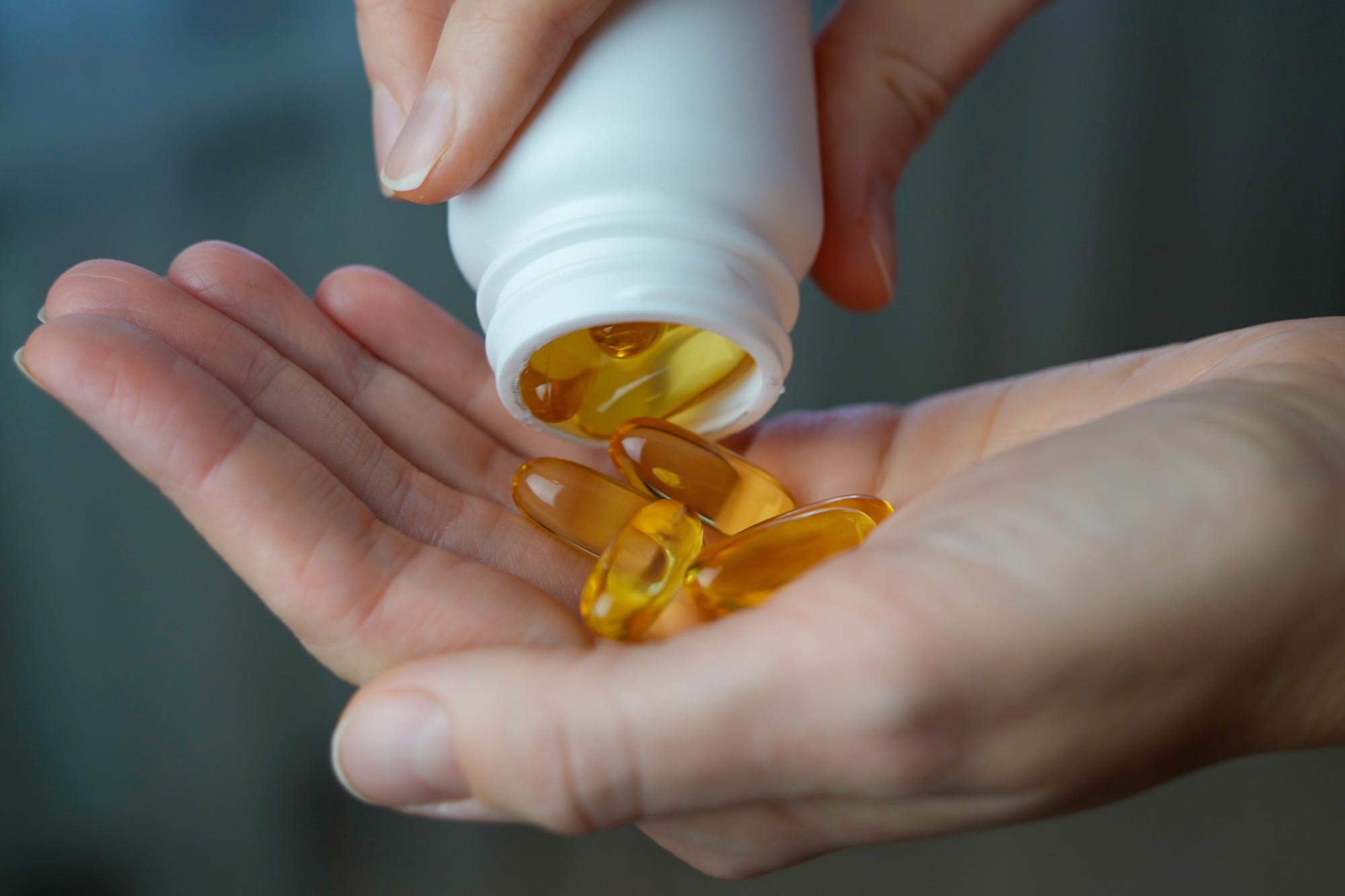
For millions of adults, omega-3 supplements are part of a daily routine built around heart, joint, eye, and brain health. Fish oil, krill oil, and flaxseed oil capsules are among the most widely used nonvitamin supplements in the United States, especially among older adults who take them in hopes of staying mentally sharp.
But a new study suggests that, for some people, the relationship between omega-3 supplements and brain aging may not be so simple.
Researchers in China analyzed data from the Alzheimer’s Disease Neuroimaging Initiative (ADNI), a long-running project that tracks aging, memory, brain scans, genetics, and Alzheimer’s disease. Their study focused on whether omega-3 supplementation was linked to changes in cognition and Alzheimer’s related brain biology over time.
The results were unexpected. Among matched participants, omega-3 users showed faster cognitive decline than nonusers across three standard measures: the Mini-Mental State Examination (MMSE), the Alzheimer’s Disease Assessment Scale Cognitive Subscale 13 (ADAS-Cog13), and the Clinical Dementia Rating Sum of Boxes (CDR-SB).
“Contrary to the prevailing hypothesis of a neuroprotective role, omega-3 supplementation was associated with accelerated cognitive decline,” the researchers write.
Study Design and Participant Details
The study began with 1,814 older adults from ADNI. After matching omega-3 users with similar nonusers based on age, sex, APOE ε4 status, and diagnosis, the final analysis included 273 supplement users and 546 nonusers. The median follow up was 5 years. Participants ranged from cognitively normal adults to people with mild cognitive impairment or Alzheimer’s disease.
Most reported omega-3 use involved fish oil. The supplement category also included flaxseed oil and krill oil.
The researchers found that omega-3 use was linked to a faster drop in MMSE scores and faster worsening on ADAS-Cog13 and CDR-SB. In practical terms, the extra decline was smaller than the typical yearly progression seen in Alzheimer’s disease, but it was still measurable across multiple tests.
Brain Imaging and Metabolic Clues
One of the study’s most interesting findings came from brain imaging. The faster decline was not explained by the usual Alzheimer’s markers, including amyloid plaques, tau buildup, or gray matter loss.
Instead, the strongest clue involved reduced glucose metabolism in brain regions vulnerable to Alzheimer’s disease. This was measured using FDG PET scans, which can reflect how well brain cells and their connections are functioning.
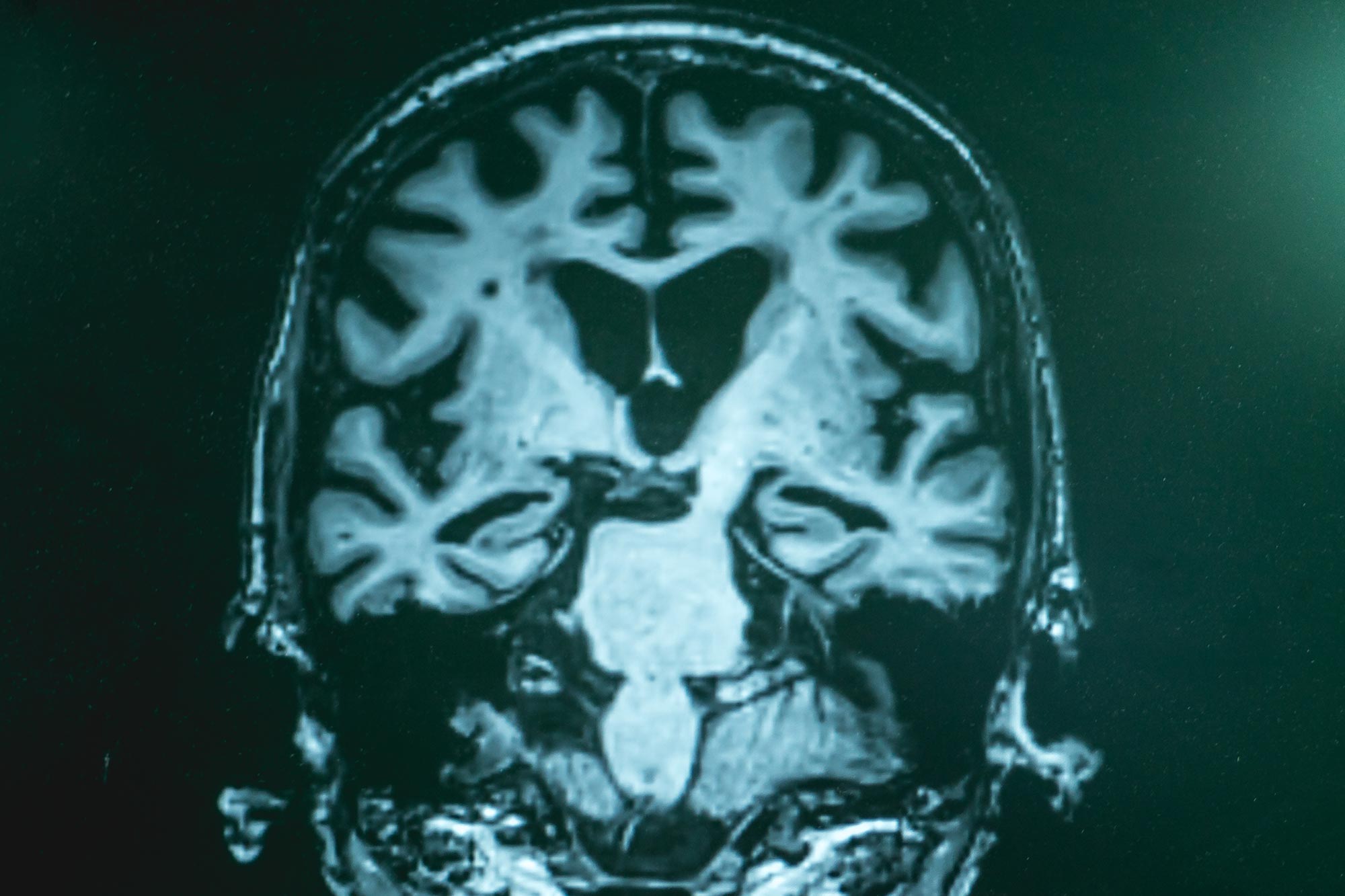
The researchers found that this reduced metabolism partly mediated the link between omega-3 use and cognitive decline, accounting for 30.8 percent of the effect on MMSE decline, 40.8 percent on ADAS-Cog13 worsening, and 19 percent on CDR-SB worsening.
“This insight calls for a more nuanced understanding of the role of omega-3 in the aging human brain,” the authors write.
Implications for Future Research
The study does not prove that omega-3 supplements cause cognitive decline. Because it was observational, other factors could have influenced the results. The researchers could not fully track exact doses, long term adherence, supplement quality, or whether some fish oil products had oxidized. The cohort was also mostly White and highly educated, which may limit how broadly the findings apply.
Still, the work raises an important caution. Omega-3 supplements should not be treated as a guaranteed brain health strategy, especially for older adults already concerned about memory loss.
The authors say more research is needed to understand who might benefit, who might not, and whether risk depends on dose, supplement type, APOE ε4 status, baseline omega-3 levels, or existing brain changes. Until then, people taking omega-3 for cognitive protection may want to discuss the choice with a medical professional rather than assuming more is always better.
Reference: “The association between omega-3 supplementation and cognitive decline in older adults” by Zheng-Bin Liao, Zi-Cheng Hu, Gui-Hua Zeng, Jia Chen, Xin-Peng Li, Yu-Hui Liu, Xiu-Qing Yao and Ye-Ran Wang, 17 April 2026, The Journal of Prevention of Alzheimer’s Disease.
DOI: 10.1016/j.tjpad.2026.100569
Never miss a breakthrough: Join the SciTechDaily newsletter.
Follow us on Google and Google News.
7 Comments
I’m not sure why the results were unexpected, one *would* expect those who are beginning to experience cognitive decline to be more like to try Omega-3 supplements (in hopes of slowing the decline) compared to those not experiencing cognitive decline.
Those results are severely skewed. These people who took omega 3 supplements doesn’t show lifestyle and eating habits. I gave omega 3s along with turmeric , mct oil, collagen and a brain multivitamin, as well as a potent antioxidant. My mom improved and it shows she’s pain free and is doing well. Not a complete 180 but it’s as if the progression of dementia is stalled.
Oh, so Omega-3 users had a greater cognitive decline than non-users? Could it be that the Omega-3 users, generally, started taking Omega-3’s BECAUSE they started to feel cognitive decline or BECAUSE they have a family history/generic risk for Alzheimer’s?
BREAKING NEWS: People who use wheelchairs, generally, have a harder becoming healed and then being able to walk on their own.
The “study,” at least how it was explained in this article, is either really sucky science, or was presented in a way to make it seem like some huge bombshell that people are more likely to share it, and then the website gets infinitely more, un-honestly earned clicks. Now blocking this website from popping up in my Google articles…
LA Tray: Good for you for caring for your mom. However, maybe it was the other stuff that improved your mom in spite of the synthetic (?) omega-3. Loriann. The Truth Detective
The science may be dodgy but maybe China consumer demand for Krill oil will drop and they’ll stop send monster factory ships to strip the Antarctica of krill
God I hope so
Those are not new researches and facts, just the mainstream health system and media won’t promote it. Check Ray Peat – https://raypeat.com/articles/articles/unsaturated-oils.shtml. The risk of usage of any seed and vegetable oils is great. Just no one is talking about it . I have stopped any Omegas supplements plus I cook only with ghee, tallow, coconut butter or proper butter because they do not oxidise during cooking.