
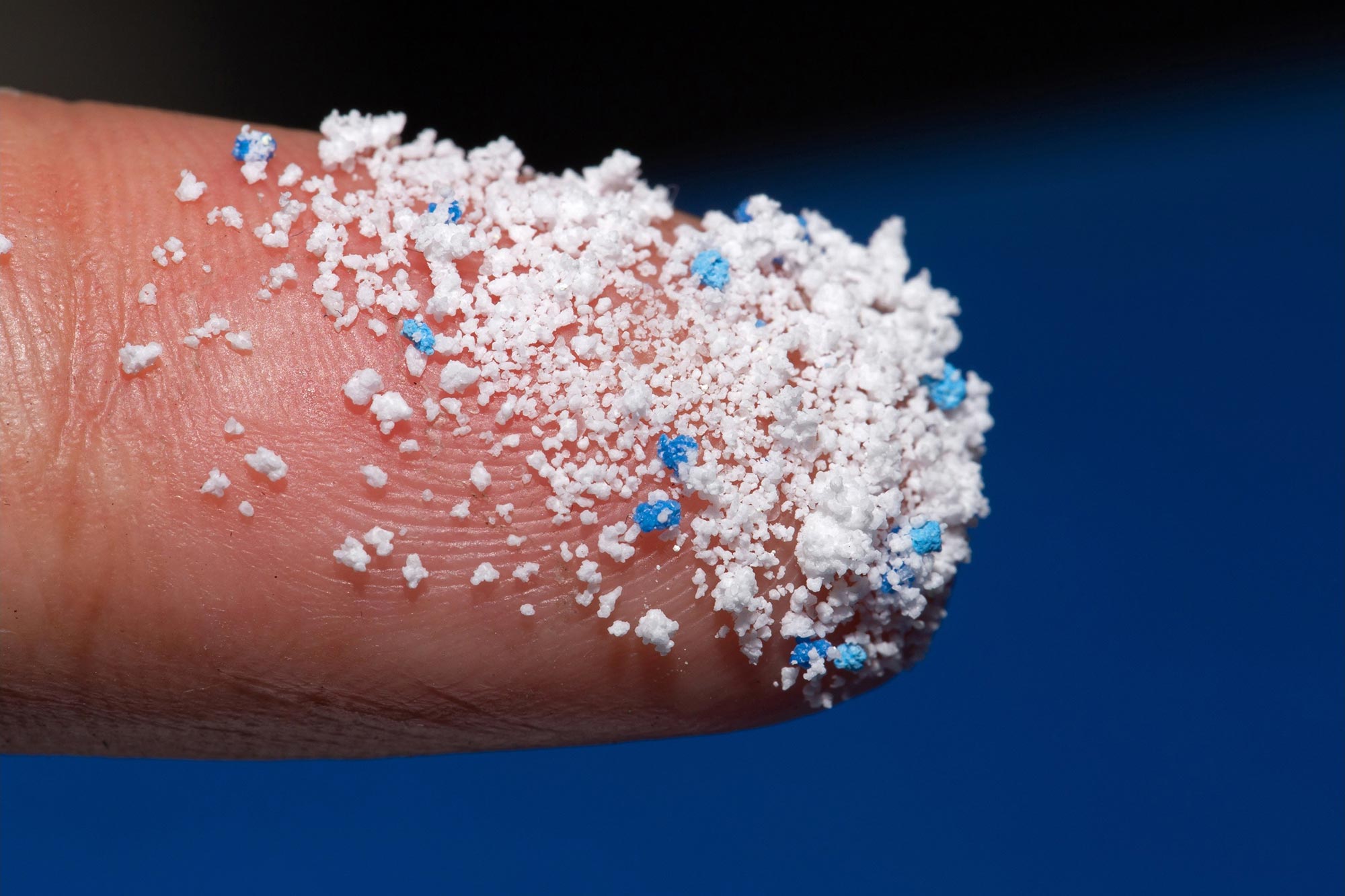
A new study reveals five mechanisms by which microplastics can trigger inflammation and cause damage in the brain.
Microplastics may play a role in worsening neurodegenerative disorders such as Alzheimer’s and Parkinson’s, according to new research that outlines five biological processes through which these particles can trigger inflammation and harm brain cells.
More than 57 million people worldwide are currently affected by dementia, and the number of Alzheimer’s and Parkinson’s cases is expected to grow significantly. Researchers warn that if microplastics can intensify or speed up these conditions, the impact on public health could be substantial.
Pharmaceutical scientist Associate Professor Kamal Dua from the University of Technology Sydney explained that adults are thought to ingest about 250 grams of microplastics (about 0.5 pounds) each year, which he notes is enough to cover a dinner plate.
“We ingest microplastics from a wide range of sources including contaminated seafood, salt, processed foods, tea bags, plastic chopping boards, drinks in plastic bottles, and food grown in contaminated soil, as well as plastic fibers from carpets, dust, and synthetic clothing.”
“Common plastics include polyethylene, polypropylene, polystyrene, and polyethylene terephthalate or PET. The majority of these microplastics are cleared from our bodies, however, studies show they do accumulate in our organs, including our brains.”
The Study and Its Scientific Focus
The new systematic review, published in Molecular and Cellular Biochemistry, brings together work from an international team of scientists based at the University of Technology Sydney and Auburn University in the United States.
Their analysis outlines five key biological routes through which microplastics may negatively affect the brain. These include activating immune cells, increasing oxidative stress, weakening the blood–brain barrier, interfering with mitochondrial function, and causing direct injury to neurons.

“Microplastics actually weaken the blood–brain barrier, making it leaky. Once that happens, immune cells and inflammatory molecules are activated, which then causes even more damage to the barrier’s cells,” said Associate Professor Dua.
“The body treats microplastics as foreign intruders, which prompts the brain’s immune cells to attack them. When the brain is stressed by factors like toxins or environmental pollutants, this also causes oxidative stress,” he said.
Microplastics cause oxidative stress in two main ways: they increase the amount of “reactive oxygen species” or unstable molecules that can damage cells, and they weaken the body’s antioxidant systems, which normally help keep those molecules in check.
Disrupted Energy Production and Neuronal Damage
“Microplastics also interfere with the way mitochondria produce energy, reducing the supply of ATP, or adenosine triphosphate, which is the fuel cells need to function. This energy shortfall weakens neuron activity and can ultimately damage brain cells,” said Associate Professor Dua.
“All these pathways interact with each other to increase damage in the brain.”
The paper also explores specific ways in which microplastics could contribute to Alzheimer’s, including triggering increased buildup of beta-amyloid and tau; and in Parkinson’s through aggregation of α-Synuclein and damage to dopaminergic neurons.
First author UTS Master of Pharmacy student Alexander Chi Wang Siu is a currently working in the lab of Professor Murali Dhanasekaran at Auburn University, in collaboration with co-authors Associate Professor Dua, Dr. Keshav Raj Paudel, and Distinguished Professor Brian Oliver from UTS, to better understand how microplastics affect brain cell function.
Previous UTS research has examined how microplastics are inhaled and where they are deposited in the lungs. Dr. Paudel, a visiting scholar in the UTS Faculty of Engineering, is also currently investigating the impact of microplastic inhalation on lung health.
Mitigating Exposure and Informing Policy
While evidence suggests microplastics could worsen diseases like Alzheimer’s and Parkinson’s, the authors emphasize that more research is needed to prove a direct link. However, they recommend taking steps to reduce microplastic exposure.
“We need to change our habits and use less plastic. Steer clear of plastic containers and plastic cutting boards, don’t use the dryer, choose natural fibers instead of synthetic ones and eat less processed and packaged foods,” said Dr. Paudel.
The researchers hope the current findings will help shape environmental policies to cut plastic production, improve waste management, and reduce long-term public health risks posed by this ubiquitous environmental pollutant.
Reference: “Do microplastics play a role in the pathogenesis of neurodegenerative diseases? Shared pathophysiological pathways for Alzheimer’s and Parkinson’s disease” by Alexander Chi Wang Siu, Keshav Raj Paudel, Gurjeet Singh, Gaurav Gupta, Sachin Kumar Singh, Dinesh Kumar Chellappan, Gabriele De Rubis, Suhrud Pathak, Brian Gregory George Oliver, Kamal Dua and Muralikrishnan Dhanasekaran, 18 November 2025, Molecular and Cellular Biochemistry.
DOI: 10.1007/s11010-025-05428-3
Never miss a breakthrough: Join the SciTechDaily newsletter.
Follow us on Google and Google News.