
Close Menu
    Facebook X (Twitter) Instagram
    SciTechDaily
    • Biology
    • Chemistry
    • Earth
    • Health
    • Physics
    • Science
    • Space
    • Technology
    Facebook X (Twitter) Pinterest YouTube RSS
    SciTechDaily
    Home»Health»Simple yet Effective: Scientists Identify Powerful Weapon in the Fight Against Alzheimer’s
    Health

    Simple yet Effective: Scientists Identify Powerful Weapon in the Fight Against Alzheimer’s

    By University of BristolJanuary 23, 20253 Comments3 Mins Read
    Facebook Twitter Pinterest Telegram LinkedIn WhatsApp Email Reddit
    Share
    Facebook Twitter LinkedIn Pinterest Telegram Email Reddit
    Alzheimers Dementia Brain Disease Concept
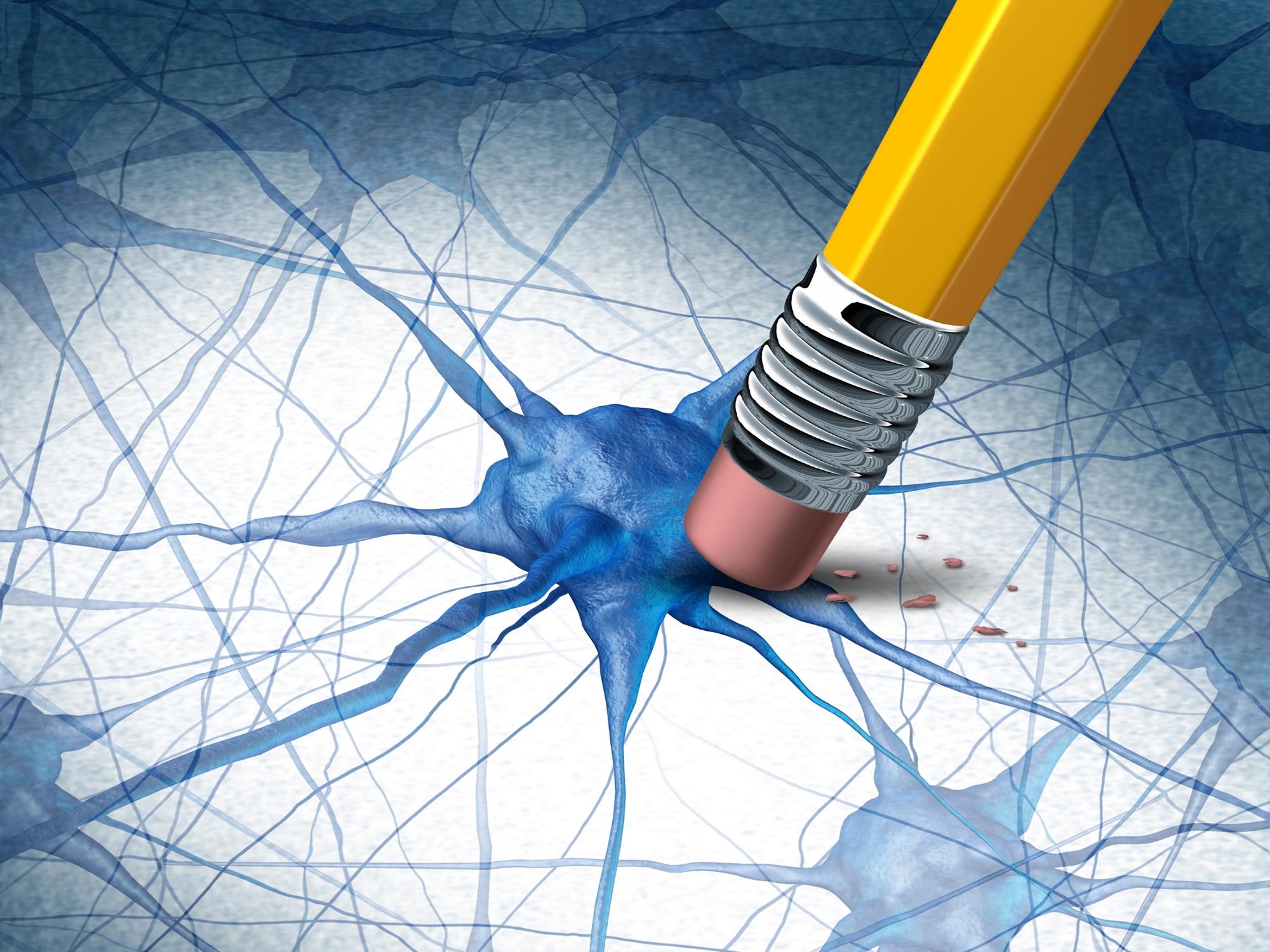
    Aerobic exercise may protect against Alzheimer’s by reducing disease markers and improving brain health, offering a promising preventive strategy.

    Aerobic exercise significantly lowers Alzheimer’s disease markers and improves brain health, offering a promising preventive strategy. Researchers plan human trials to validate these findings and explore new treatments.

    New research led by scientists at the University of Bristol (UK) and the Federal University of São Paulo (Brazil) has found that regular aerobic exercise can significantly lower disease markers linked to Alzheimer’s disease. These findings offer promising new insights in the fight against this devastating condition.

    Published in the journal Brain Research, the study reveals that physical activity not only safeguards healthy brain cells but also helps restore balance in the aging brain.

    Focus on the Hippocampus and Alzheimer’s Markers

    The research focused on the hippocampus, the brain region responsible for memory and learning, and measured the impact of aerobic exercise on key Alzheimer’s markers: amyloid plaques, tau tangles, and iron accumulation in myelin-producing cells known as oligodendrocytes. These markers are central to Alzheimer’s pathology.

    Findings revealed that rodents who completed a structured aerobic exercise program experienced:

    • Significant reductions in tau tangles (around 63% with exercise), amyloid plaques (about 76% in the exercise group), and iron accumulation (reduced by about 58% in the brains of exercising rodents).
    • Enhanced brain cell health, including increased numbers of protective oligodendrocytes.
    • Reduced brain inflammation in the exercise group (between 55% and 68% depending on the inflammatory biomarker considered), and cell death.
    • Improved communication between brain cells, restoring critical balance in the brain’s function as it ages.

    Dr. Augusto Coppi, Senior Lecturer in Veterinary Anatomy at the University of Bristol and one of the study’s senior authors, explained: “Alzheimer’s is a progressive neurodegenerative disorder with no known cure, impacting millions worldwide. While physical exercise is known to reduce cognitive decline, the cellular mechanisms behind its neuroprotective effects have remained elusive—until now. This research highlights the potential for aerobic exercise to serve as a cornerstone in preventive strategies for Alzheimer’s.”

    Public Health Implications and Next Steps

    Key findings from the study include:

    • Integrating regular aerobic exercise into daily life could play a crucial role in slowing or preventing Alzheimer’s progression.
    • Public health initiatives should prioritize exercise programs tailored to aging populations.

    The researchers are now planning human clinical trials to confirm the protective effects observed in rodent models. They will also investigate drugs targeting iron metabolism and cell death as potential therapeutic approaches for Alzheimer’s.

    Reference: “Tau, amyloid, iron, oligodendrocytes ferroptosis, and inflammaging in the hippocampal formation of aged rats submitted to an aerobic exercise program” by R.C. Gutierre, P.R. Rocha, A.L. Graciani, A.A. Coppi and R.M. Arida, 25 December 2024, Brain Research.
    DOI: 10.1016/j.brainres.2024.149419

    The research was supported by CAPES-PRINT (Brazil), CNPq (Brazil), and FAPESP (Brazil), and demonstrates how collaborating internationally could address global health challenges.

    Never miss a breakthrough: Join the SciTechDaily newsletter.
    Follow us on Google and Google News.

    Alzheimer's Disease Dementia Exercise Neurology Popular Public Health University of Bristol
    Share. Facebook Twitter Pinterest LinkedIn Email Reddit

    Related Articles

    This Simple Habit Could Cut Your Risk of Dementia by 30%

    Eating the Wrong Carbs May Raise Your Dementia Risk

    Scientists Discover Simple Supplement That Could Help Slow Alzheimer’s

    Are We Evolving? New Research Reveals That Human Brains Are Getting Larger

    Scientists Discover Fascinating Link Between Regular Exercise and Better Brain Health

    New Study Reveals 3 Activities That Can Lower Your Risk of Dementia

    5 Lifestyle Factors Linked to Dementia

    7 Habits That Can Lower Your Risk of Dementia

    Exercise Alters Brain Chemistry To Protect Aging Synapses From Alzheimer’s and Dementia

    3 Comments

    1. Wawwswaaa. A wwe B h w on January 27, 2025 8:22 am

      Wawjajaa

      Reply
      • Captain Trips on January 28, 2025 10:30 am

        You didn’t do your aerobic exercises!

        Reply
        • Jd on January 29, 2025 8:09 am

          I’ll get right on it rose

          Reply
    Leave A Reply Cancel Reply

    • Facebook
    • Twitter
    • Pinterest
    • YouTube

    Don't Miss a Discovery

    Subscribe for the Latest in Science & Tech!

    Trending News

    New “Nanozyme Hypothesis” Could Rewrite the Story of Life’s Origins

    Anatomy Isn’t Finished: The Human Body Still Holds Secrets

    “Pretty Close to Home”: The Hidden Earthquake Threat Beneath Seattle

    The Surprising Reason You Might Want To Sleep Without a Pillow

    Scientists Say This Natural Hormone Reverses Obesity by Targeting the Brain

    35-Million-Year-Old Mystery: Strange Arachnid Discovered Preserved in Amber

    Is AI Really Just a Tool? It Could Be Altering How You See Reality

    JWST Reveals a “Forbidden” Planet With a Baffling Composition

    Follow SciTechDaily
    • Facebook
    • Twitter
    • YouTube
    • Pinterest
    • Newsletter
    • RSS
    SciTech News
    • Biology News
    • Chemistry News
    • Earth News
    • Health News
    • Physics News
    • Science News
    • Space News
    • Technology News
    Recent Posts
    • Scientists Unveil Microscopy Breakthrough That Reveals “Invisible” Molecular States
    • Scientists Finally Crack the Mystery of Water’s Strangest Behavior After Decades of Research
    • What If Consciousness Exists Beyond Your Brain
    • Scientists Finally Crack the 100-Million-Year Evolutionary Mystery of Squid and Cuttlefish
    • This Algae Could One Day Pull Microplastics out of Your Drinking Water
    Copyright © 1998 - 2026 SciTechDaily. All Rights Reserved.
    • Science News
    • About
    • Contact
    • Editorial Board
    • Privacy Policy
    • Terms of Use

    Type above and press Enter to search. Press Esc to cancel.