
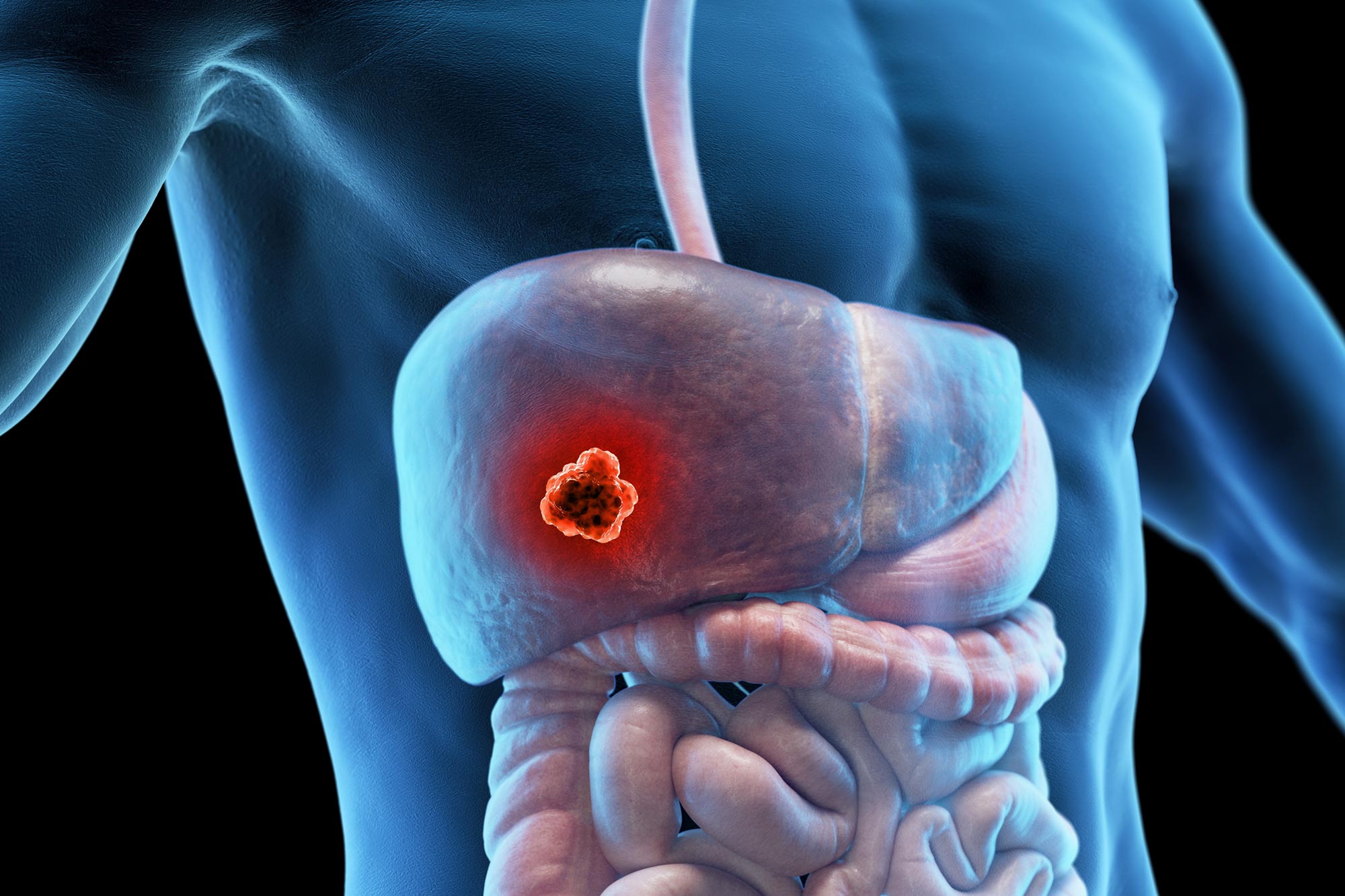
A new study suggests that Resmetirom may do more than treat fatty liver disease — it could also help stop liver cancer from developing.
Resmetirom, a drug approved by the U.S. Food and Drug Administration (FDA) to treat metabolic dysfunction associated fatty liver disease (MAFLD), may offer benefits beyond reducing liver fat and fibrosis, according to a new study published in the journal Hepatology. Researchers found the drug may also help prevent and suppress liver cancer linked to fatty liver disease.
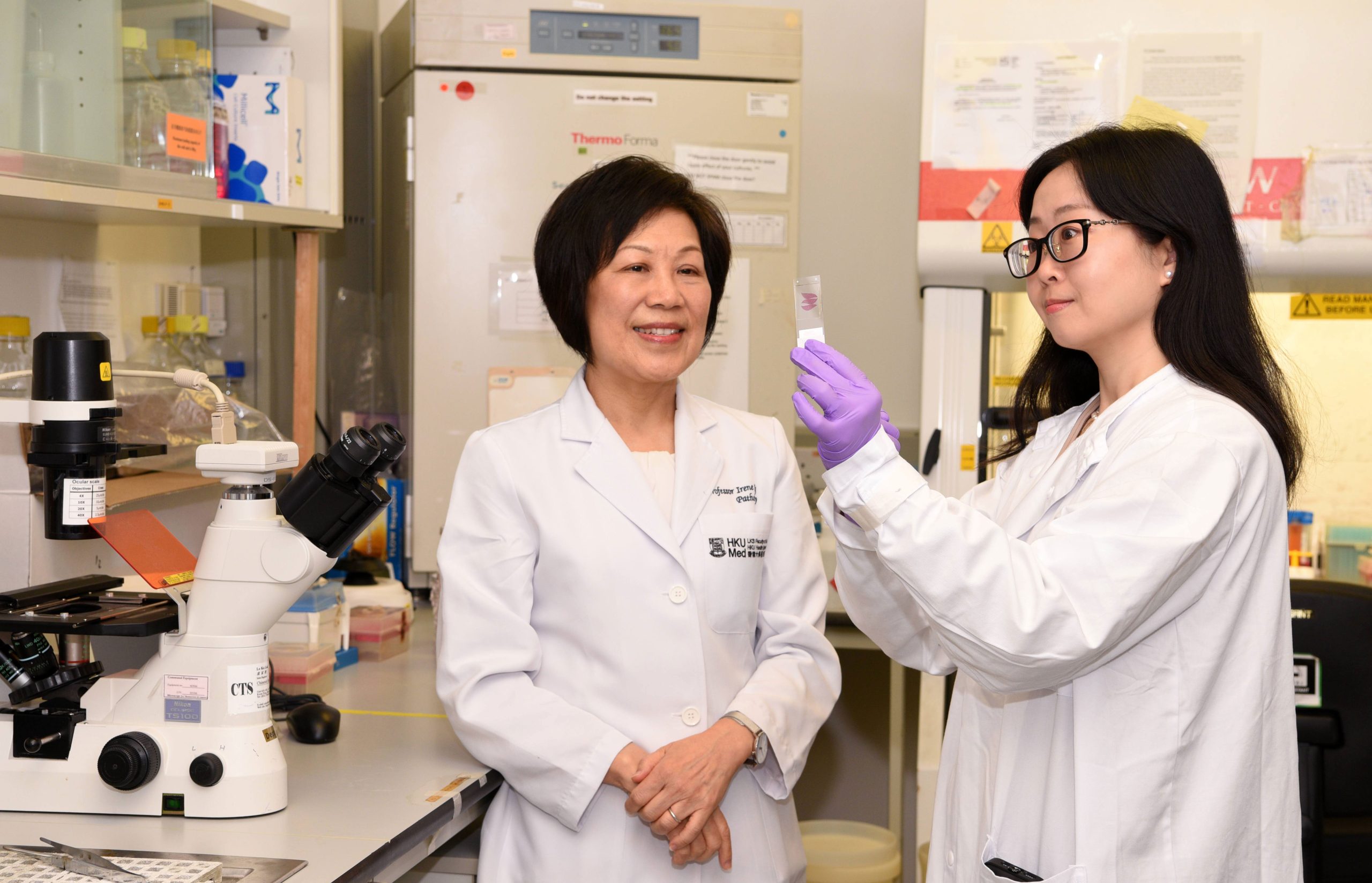
The study was conducted by a team from the Department of Pathology, School of Clinical Medicine, LKS Faculty of Medicine of the University of Hong Kong (HKUMed), in collaboration with the HKU State Key Laboratory of Liver Research.
Link between fatty liver and liver cancer
Hepatocellular carcinoma (HCC) ranks as the sixth most common cancer worldwide and the third leading cause of cancer-related death. As obesity, diabetes, and metabolic syndrome become more common, fatty liver disease and liver cancer driven by metabolic disorders are playing an increasingly important role in liver cancer development.
Published data show that about 3% of people with fatty liver disease develop liver cancer each year. The burden is especially high in Asia, where an estimated one-quarter of the population is affected.

Although immune checkpoint inhibitors are available for advanced liver cancer, they tend to work less well in patients with fatty liver-related liver cancer, and the reasons are still not fully understood. This study was designed to examine the mechanisms involved and identify possible new treatment strategies for patients at high risk.
Midkine weakens the immune system
The HKUMed team created a mouse model that closely mirrors human fatty liver disease and MAFLD. By using single-cell RNA sequencing, the team studied hundreds of thousands of liver and tumor cells across different disease stages, following shifts in gene activity and cell signaling among hepatocytes, hepatic stellate cells, and immune cells. The study identified the Midkine (MDK) gene and its receptor as a major cancer-promoting pathway. MDK is a protein secreted by cells.
Once it binds to its receptor, it supports tumor formation by intensifying damaging signals between hepatic stellate cells and hepatocytes that are transforming into cancer cells. In people with non-viral, non alcoholic liver cancer, higher MDK levels are linked with a greater risk of cancer returning and shorter relapse-free survival.
Professor Irene Ng Oi-lin, Chair Professor at in the Department of Pathology, School of Clinical Medicine, HKUMed, who co-led the research, explained, “Our findings show that MDK alters the normal functions of immune system through its receptor, impairing the body’s ability to fight tumors. It affects macrophage activity, shifting its role from tumor-suppressive to tumor-promoting. Additionally, it causes T cells, which are normally responsible for destroying cancer cells, to progressively lose their function, leading to T-cell exhaustion and self-attack. This creates an environment that favors tumor growth and enables cancer cells to evade immune surveillance.”
Multiple benefits: Resmetirom reduces liver fat, improves metabolic health and modulates the tumor microenvironment
The team found in preclinical experiments that Resmetirom, an FDA-approved therapy for fatty liver disease, substantially reduced liver fat and slowed tumor growth.
The drug also lowered MDK levels. When used together with MDK inhibitors, Resmetirom produced a stronger combined anticancer effect, further improving liver metabolism, reducing liver fat, suppressing tumors, and reshaping the immune microenvironment. The findings point to possible clinical value in future treatment strategies.
Establishing a ‘prevention-first’ treatment model for high-risk patients
Professor Irene Ng emphasized that fatty liver-related liver cancer is not caused only by excess fat. It also involves a cancer-promoting signaling pathway driven by MDK and its receptor. Acting on this pathway while adjusting immune responses could help improve outcomes for patients who do not respond well to current immunotherapies.
She stated: “By improving metabolic health and reducing the activity of this cancer-promoting pathway, Resmetirom provides a solid experimental basis for using a single drug to treat fatty liver and prevent liver cancer. Our next step is to validate relevant biomarkers in larger patient cohorts and collaborate with clinicians to design clinical trials that combine Resmetirom with immunotherapy and targeted therapy, ultimately establishing a prevention-oriented treatment approach for high-risk patients.”
Reference: “Repurposing Resmetirom suppresses MASH-associated hepatocellular carcinoma, with mechanistic implications of MDK/LRP1-mediated metabolic reprogramming and immunosuppression” by Vanilla Xin Zhang, Tina Suoangbaji, Yu‑Man Tsui, Karen Man-Fong Sze, Eva Lee, Lu Tian, Jingyi Lu, Huan Deng, Abdullah Husain, Charry Shuk-Ching Hui, Joyce Man-Fong Lee, Daniel Wai-Hung Ho and Irene Oi-Lin Ng, 12 January 2026, Hepatology.
DOI: 10.1097/HEP.0000000000001675
Never miss a breakthrough: Join the SciTechDaily newsletter.
Follow us on Google and Google News.
4 Comments
Interested in new treatment therapies and would like the ability to share.
Would like to share.Interested in new treatments.
Sympton similar ….
I need help