
Close Menu
    Facebook X (Twitter) Instagram
    SciTechDaily
    • Biology
    • Chemistry
    • Earth
    • Health
    • Physics
    • Science
    • Space
    • Technology
    Facebook X (Twitter) Pinterest YouTube RSS
    SciTechDaily
    Home»Health»The Rare Vision Side Effect of Ozempic and Wegovy You Should Know About
    Health

    The Rare Vision Side Effect of Ozempic and Wegovy You Should Know About

    By Rutgers UniversityAugust 29, 20261 Comment3 Mins Read
    Facebook Twitter Pinterest Telegram LinkedIn WhatsApp Email Reddit
    Share
    Facebook Twitter LinkedIn Pinterest Telegram Email Reddit
    Ozempic Wegovy Rybelsus Weight Loss Diabetes Newspaper Headlines Search
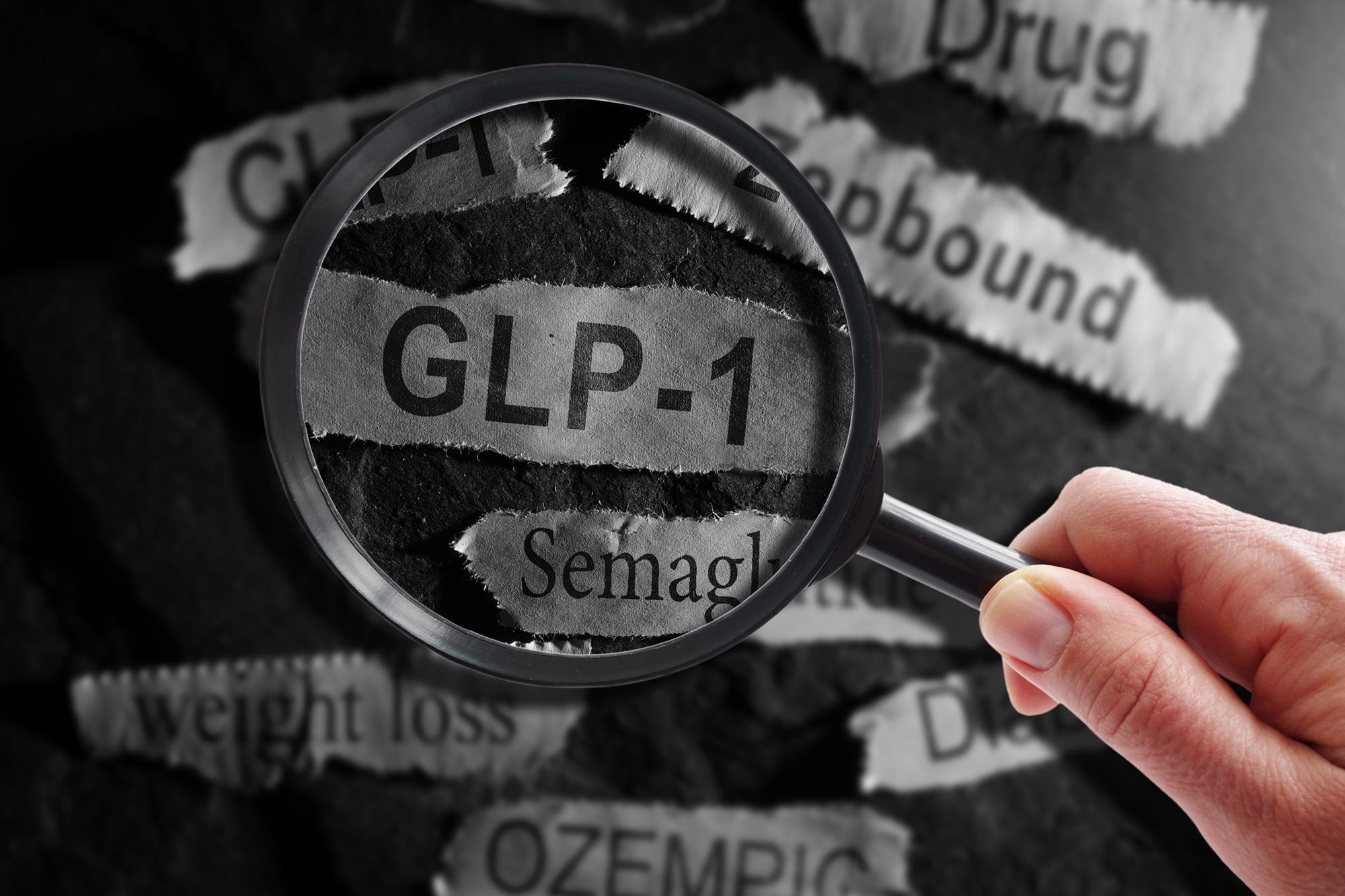
    GLP-1 drugs mimic hormones involved in blood sugar control, appetite, and digestion, and are widely used for Type 2 diabetes and weight management. Examples include semaglutide (Ozempic, Wegovy), tirzepatide (Mounjaro, Zepbound), liraglutide (Victoza, Saxenda), dulaglutide (Trulicity), and exenatide (Byetta, Bydureon). Credit: Shutterstock

    Rutgers researchers say the risk is low, but patients should still be aware of the possible association.

    GLP-1 medications have become widely used for Type 2 diabetes and obesity, with drugs such as semaglutide, sold as Ozempic and Wegovy, and tirzepatide, sold as Mounjaro and Zepbound, among the best-known examples. The drugs can also reduce cardiovascular and kidney disease risks, but their growing use has increased interest in identifying uncommon side effects.

    In a study published in Annals of Internal Medicine, Rutgers researchers analyzed a large database of U.S. adults ages 18 to 65 with Type 2 diabetes who had started medications for the disease. They found that patients taking GLP-1 drugs had a slightly higher risk of ischemic optic neuropathy, a rare condition caused by reduced blood flow to the optic nerve that can lead to sudden vision loss.

    The overall risk remained low

    The increase was small, amounting to approximately three to four additional cases per 10,000 patients treated with GLP-1s over 18 months.

    “Although ischemic optic neuropathy was rare, it is clinically important because it can involve sudden vision loss,” said Chintan Dave, a core faculty member of the Center for Pharmacoepidemiology and Treatment Science at Rutgers Institute for Health, Health Care Policy and Aging Research. “The increase in risk was small – approximately three to four additional cases per 10,000 patients treated with GLP-1s over 18 months, but clinicians and patients should be aware of this potential association.”

    Because GLP-1 medications are increasingly used by people both with and without Type 2 diabetes, the researchers said continued attention to their safety is important even when potential risks are uncommon.

    Sudden vision changes warrant prompt attention

    “Most patients in our study who had ischemic optic neuropathy were either men or men and women aged 50 to 65,” said Dave, an associate professor at the Ernest Mario School of Pharmacy and the lead author of the study. “Because ischemic optic neuropathy can present with sudden vision loss, which may be permanent, early recognition of symptoms and prompt ophthalmologic evaluation may be especially important for patients at higher baseline risk.”

    More than four out of five cases of ischemic optic neuropathy are estimated to involve the non-arteritic anterior form. Dave said the resulting vision loss is usually permanent, although about one third of patients may regain some vision, generally during the first six months. Some impairment often remains even after improvement. Rather than causing total blindness or complete darkness, the condition typically produces blurring, dimming, or loss of part of the visual field in one eye.

    The researchers cautioned that the association may be influenced by underlying health differences among patients rather than a direct effect of GLP-1 medications. Additional research will be needed to determine whether the drugs actually cause the increased risk.

    Reference: “Glucagon-Like Peptide-1 Receptor Agonists and Risk for Ischemic Optic Neuropathy” by Kamika R. Reynolds, Kimberly M. O’Malley, Jason A. Roy and Chintan V. Dave, 13 July 2026, Annals of Internal Medicine.
    DOI: 10.7326/ANNALS-25-00860

    Funding: National Institutes of Health

    Never miss a breakthrough: Join the SciTechDaily newsletter.
    Follow us on Google and Google News.

    Diabetes Obesity Ophthalmology Popular Rutgers University Semaglutide
    Share. Facebook Twitter Pinterest LinkedIn Email Reddit

    Related Articles

    New Study Reveals Why Ozempic Works Better for Some People Than Others

    Popular Weight-Loss Drug Wegovy Linked to Sudden Vision Loss

    Do Ozempic and Similar Weight Loss Drugs Work for Everyone? New Study Has Answers

    Better Than Ozempic? New Oxytocin Combination Could Eliminate Side Effects

    Challenging Long-Held Beliefs: Researchers Flip the Script on How Obesity Causes Diabetes

    Revolutionary Weight Loss: Largest Ever Obesity Study Showcases Semaglutide’s Promise

    Revolutionary Obesity Treatment: Tirzepatide Shows Groundbreaking 21.1% Weight Loss

    Cutting Alcohol Consumption in Half – Scientists Discover Surprising Side Effect of Obesity Drug Semaglutide

    New Game-Changing Obesity Drug Dramatically Reduces Risk of Type 2 Diabetes

    1 Comment

    1. maher on August 29, 2026 5:40 pm

      Same with Viagra. Maybe they took both

      Reply
    Leave A Reply Cancel Reply

    • Facebook
    • Twitter
    • Pinterest
    • YouTube

    Don't Miss a Discovery

    Subscribe for the Latest in Science & Tech!

    Trending News

    “Crawzilla” – Scientists Just Found North America’s Biggest Known Crayfish

    Scientist Reveals 7 of the Strangest Things Coffee Does to Your Body

    Great News From Enceladus: Saturn’s Icy Moon Just Became Even More Promising for Life

    Scientists Just Built the World’s Most Accurate Clock

    Scientists Find a “Pain Switch” That Could Shut Down Arthritis Pain

    Scientists Reveal What Could Happen if Yellowstone Erupted Now

    Scientists Discover a Molecular “Memory” That Could Make Lost Weight Come Back

    This Strange Planet Is Going Backwards – and Scientists Don’t Know Why

    Follow SciTechDaily
    • Facebook
    • Twitter
    • YouTube
    • Pinterest
    • Newsletter
    • RSS
    SciTech News
    • Biology News
    • Chemistry News
    • Earth News
    • Health News
    • Physics News
    • Science News
    • Space News
    • Technology News
    Recent Posts
    • NASA’s SpaceX Crew-13 Could Reach the ISS in Record Time – Watch Live
    • Researchers Uncover a Hidden Molecular Machine Parasites Need To Survive
    • When Your Eyes Mislead You, the Brain Finds Common Ground
    • Could Earth’s Magnetic Field Be Secretly Influencing How We Age?
    • Memory Decline May Start Much Earlier Than Scientists Once Thought
    Copyright © 1998 - 2026 SciTechDaily. All Rights Reserved.
    • Science News
    • About
    • Contact
    • Editorial Board
    • Privacy Policy
    • Terms of Use

    Type above and press Enter to search. Press Esc to cancel.