
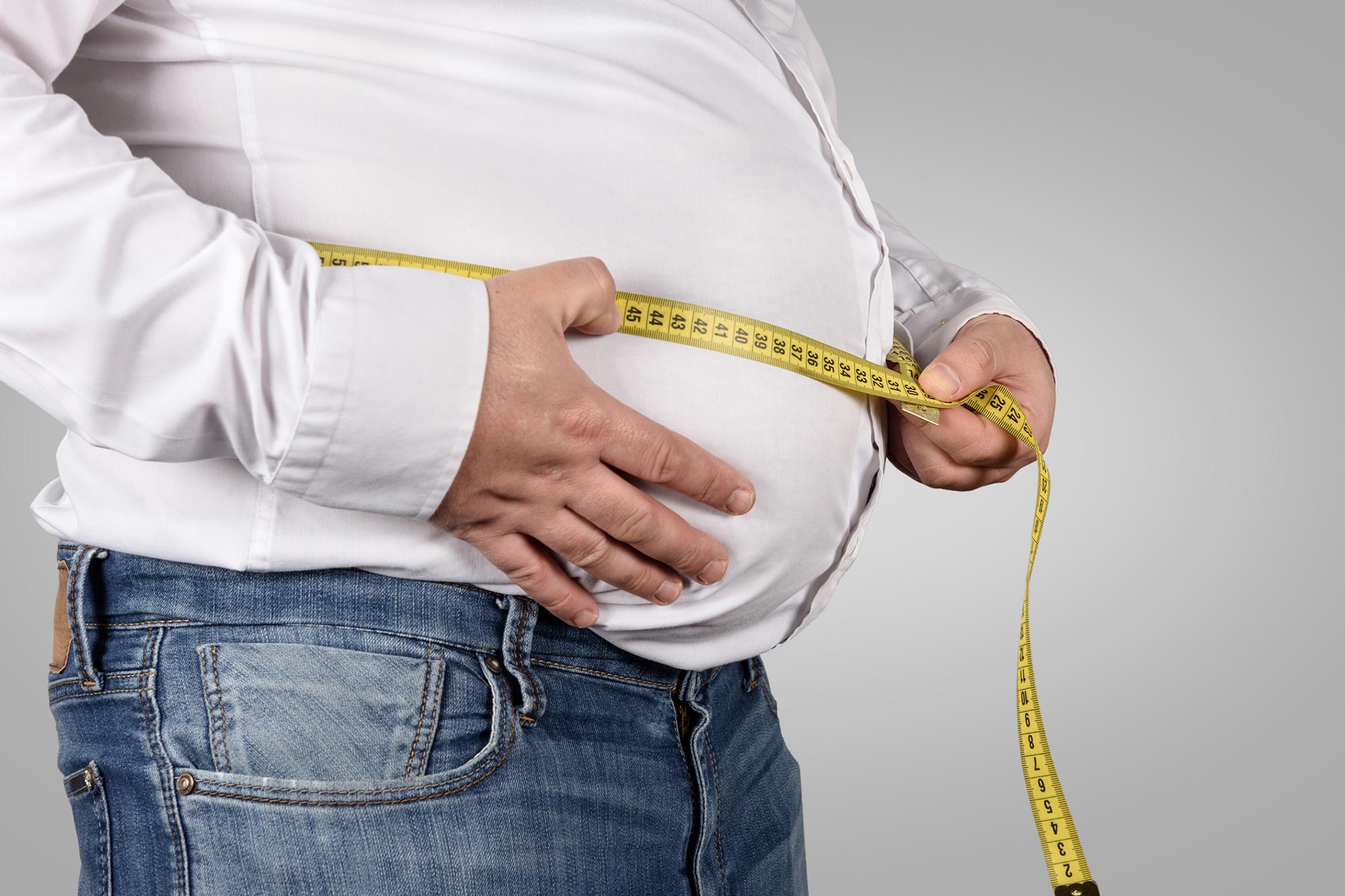
Stress hormones, not impaired insulin signaling, may underlie obesity-related diabetes, according to Rutgers research. Elevated stress hormones counteract insulin’s effects, even with intact signaling. This insight could lead to treatments targeting stress hormones rather than insulin.
A study conducted by Rutgers Health, in collaboration with other institutions, suggests that stress hormones, rather than impaired cellular insulin signaling, may play the leading role in driving obesity-related diabetes.
The paper in Cell Metabolism may transform our understanding of how obesity-induced insulin resistance develops and how to treat it.
“We have been interested in the basic mechanisms of how obesity induces diabetes. Given that the cost of the diabetes epidemic in the U.S. alone exceeds $300 billion per year, this is a critically important question,” said Christoph Buettner, chief of endocrinology, metabolism, and nutrition at Rutgers Robert Wood Johnson Medical School and the study’s senior author.
Scientists have long thought obesity causes diabetes by impairing the way insulin signals within liver and fat cells. However, the new research shows that overeating and obesity increase the body’s sympathetic nervous system – the “fight or flight” response – and that the increased level of the stress hormones norepinephrine and epinephrine counteract insulin’s effects even though cellular insulin signaling still works.
The authors observed that overeating in normal mice increases the stress hormone norepinephrine within days, indicating how quickly surplus food stimulates the sympathetic nervous system.
To see what effect this excess hormone production has in spurring disease development, the authors then deployed a new type of genetically engineered mice that are normal in every way but one: They cannot produce stress hormones catecholamines outside of their brains and central nervous systems.
The researchers fed these mice the obesity-inducing high-fat and high-sugar diet, but although they ate as many calories and got just as obese as normal mice, they did not develop metabolic disease.
“We were delighted to see that our mice ate as much because it indicates that the differences in insulin sensitivity and their lack of metabolic disease are not due to reduced food intake or reduced obesity but due to the greatly reduced stress hormones. These mice cannot increase stress hormones that counteract insulin; hence, insulin resistance does not develop during obesity development.”
Key Findings and Implications
The new findings may help explain why some obese individuals develop diabetes while others don’t and why stress can worsen diabetes even with little weight gain.
“Many types of stress – financial stress, marital stress, the stress associated with living in dangerous areas or suffering discrimination or even the physical stress that comes from excessive alcohol consumption — all increase diabetes and synergize with the metabolic stress of obesity,” Buettner said.
“Our finding that even obesity principally induces metabolic disease via increased stress hormones provides new insight into the common basis for all these factors that increase the risk of diabetes. Stress and obesity, in essence, work through the same basic mechanism in causing diabetes, through the actions of stress hormones.”
While it is well known that catecholamines can impair insulin action, the new study suggests that this may be the fundamental mechanism underlying insulin resistance in obesity. The dynamic interplay between stress hormones, which work in opposition to insulin, has long been known. Stress hormones increase glucose and lipids in the bloodstream, while insulin lowers these.
However, an unexpected finding of the new study is that insulin signaling can remain intact even in insulin-resistant states like obesity. It’s just that the heightened activity of stress hormones effectively “push the gas pedal harder,” resulting in increased blood sugar and fat levels. Even though the level of insulin’s “braking” effect remains the same, the accelerated gas pedal effect of catecholamines overwhelms the brake effect of insulin and results in relatively diminished insulin action.
“Some colleagues are at first surprised that insulin resistance can exist even though cellular insulin signaling is intact. But let’s not forget that the gas pedal effects of stress hormones are exerted through very different signaling pathways than insulin signaling. That explains why the ability of insulin to ‘brake’ and reduce the release of sugar and fat into the bloodstream is impaired even though insulin signaling is intact because stress signaling is predominant.”
Future Directions and Therapeutic Potential
The findings suggest that medications that reduce catecholamines, a term for all the stress-related hormones and neurotransmitters produced by the SNS and the adrenal gland, might help prevent or treat diabetes. However, medicines that block catecholamines, as they are currently used to treat high blood pressure, haven’t shown major benefits for diabetes. This may be because current drugs don’t block the relevant receptors or because they affect the brain and body in complex ways, Buettner said.
Buettner and the study’s first author, Kenichi Sakamoto, an assistant professor of endocrinology at Robert Wood Johnson Medical School, are planning human studies to confirm their findings. They’re also examining the role of the sympathetic nervous system and other forms of diabetes, including Type 1 diabetes.
“We would like to study if short-term overfeeding, as some of us experience during the holidays by gaining five to 10 pounds, increases insulin resistance with heightened sympathetic nervous system activation,” Buettner said.
The findings may ultimately lead to new therapeutic approaches to tackle insulin resistance, diabetes and metabolic disease, focused on reducing stress hormones rather than targeting insulin signaling.
“We hope this paper provides a different take on insulin resistance,” Buettner said. “It may also explain why none of the drugs currently used to treat insulin resistance, except insulin itself, directly increases cellular insulin signaling.”
Reference: “Overnutrition causes insulin resistance and metabolic disorder through increased sympathetic nervous system activity” by Kenichi Sakamoto, Mary A. Butera, Chunxue Zhou, Giulia Maurizi, Bandy Chen, Li Ling, Adham Shawkat, Likhitha Patlolla, Kavira Thakker, Victor Calle, Donald A. Morgan, Kamal Rahmouni, Gary J. Schwartz, Azeddine Tahiri and Christoph Buettner, 21 October 2024, Cell Metabolism.
DOI: 10.1016/j.cmet.2024.09.012
Never miss a breakthrough: Join the SciTechDaily newsletter.
Follow us on Google and Google News.