
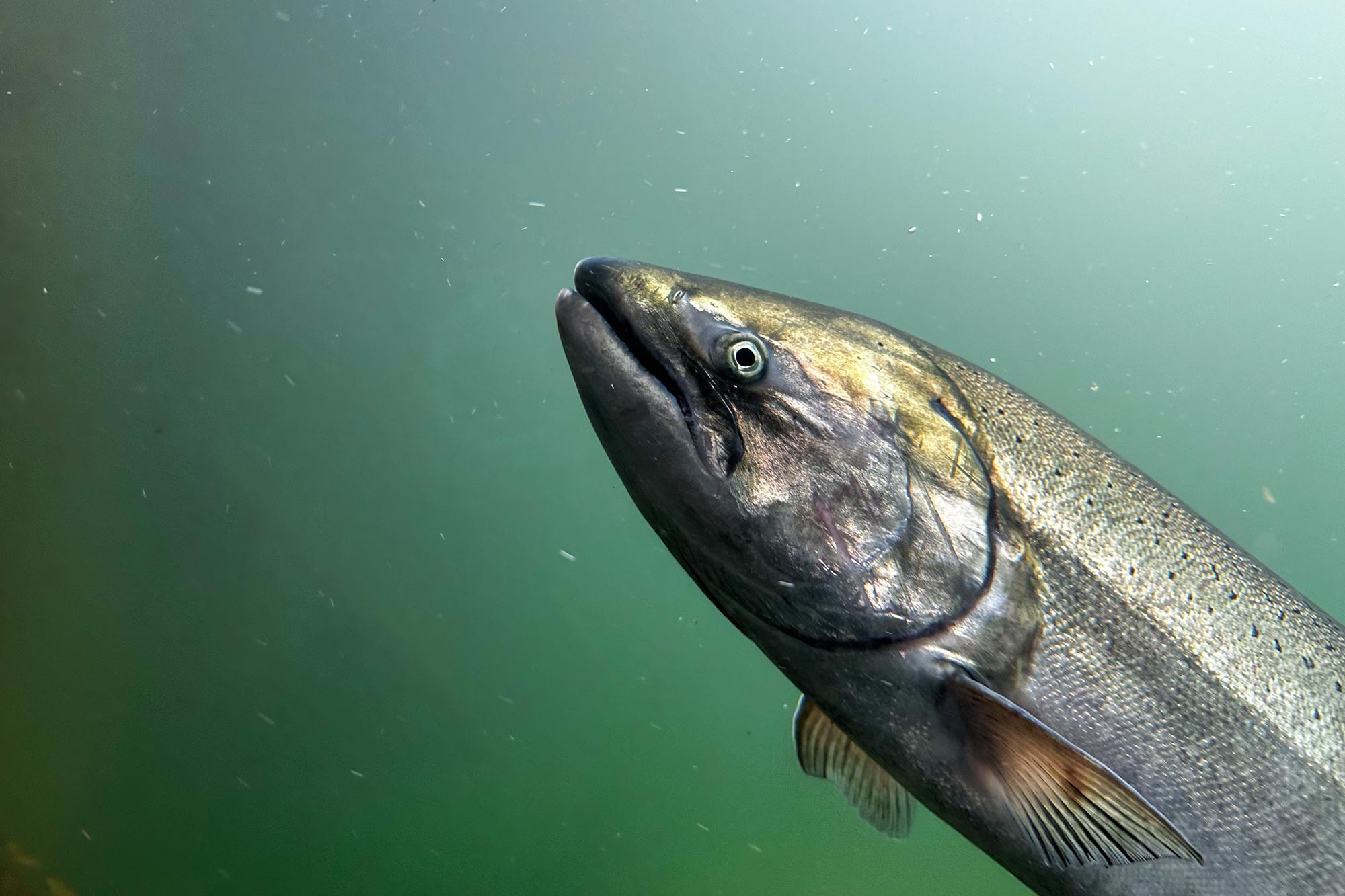
Chinook salmon need cold water during the first weeks of development for their eggs to survive.
California’s most endangered salmon now survive as a single population in the Sacramento River, far from much of the cold mountain habitat where they once spawned. Sacramento River winter-run Chinook salmon have averaged only a few thousand returning adults in recent decades, while Shasta Dam blocks access to their original spawning grounds in rivers draining Mount Shasta and leaves them reproducing in the warmer, low-lying Sacramento River.
Research published in Science Advances found that cold water during the first 15 days after fertilization was especially important for egg survival. During warm, low water years, available cold water barely lasted through this critical thermal window, sharply reducing survival in conditions that may become more common as the climate warms.
“Salmon may spawn throughout the summer season, but our results suggest that only a small fraction of those spawning events ultimately produced the juveniles that survived,” said Kohma Arai, who conducted the research as a postdoctoral scholar at UC Davis with scientists from the university, NOAA Fisheries, UC Santa Cruz, UCLA, and the Norwegian Institute for Nature Research.
“This helps us understand the connection between what individuals experience during development and how populations respond to environmental change, which is becoming increasingly important as climate change continues to reshape aquatic ecosystems,” he said.
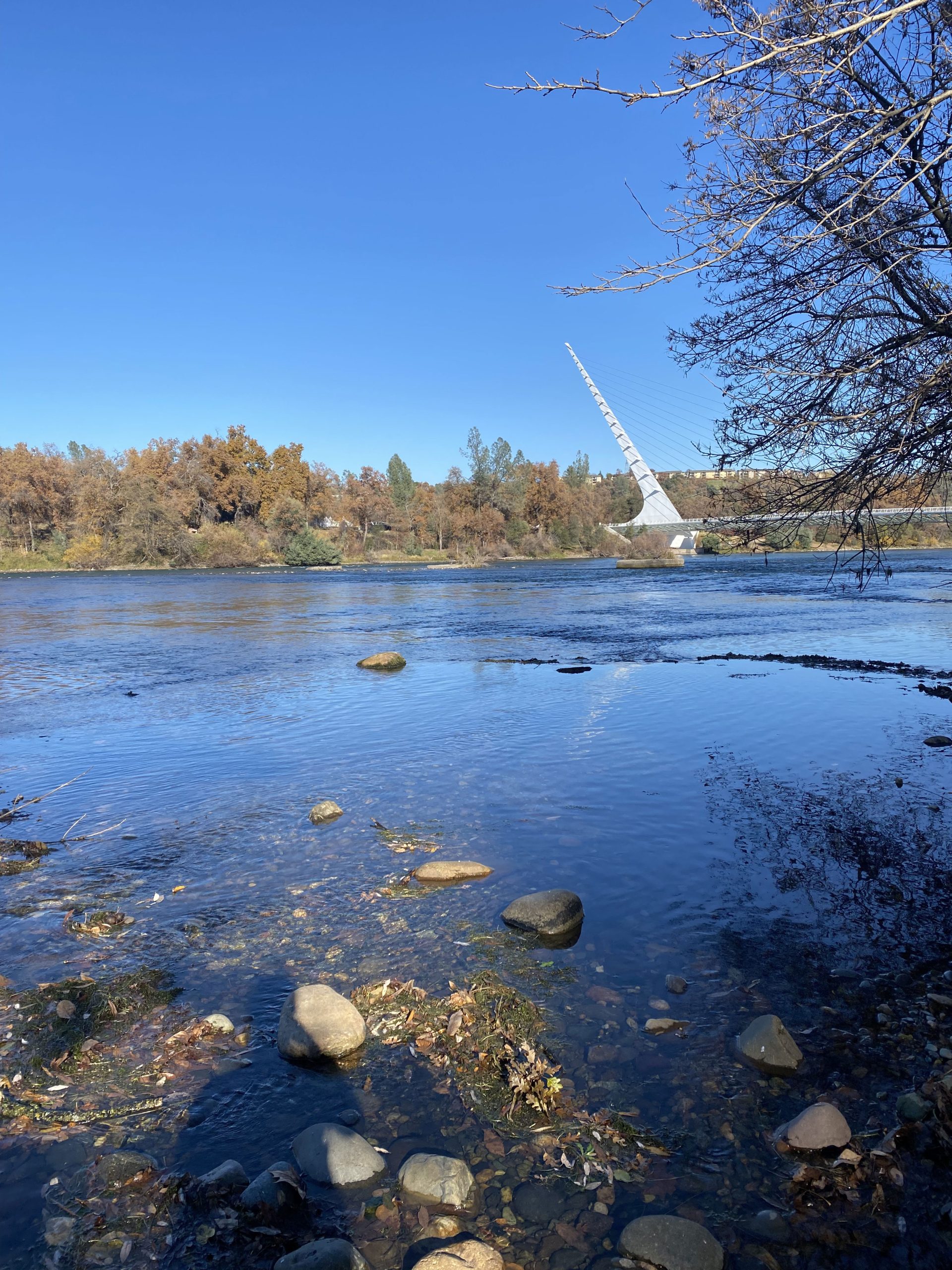
Cold water is hardest to protect in dry years
Water managers release cold water from Shasta Reservoir in an effort to keep the Sacramento River cool enough for salmon eggs developing in gravel, while also supplying water to farms and cities that are important to California’s economy.
Meeting both needs becomes especially difficult during low-water years. Water agencies, irrigators and other water users, and federal and state fish agencies prioritized the research to answer questions central to salmon survival as the climate changes. The U.S. Bureau of Reclamation and California State Water Board funded the work.
Many spawners may not produce survivors
For years, fisheries biologists often judged the annual success of winter-run Chinook salmon by counting adults returning upstream to spawn, with the assumption that many of those spawning attempts succeeded. But laboratory studies suggested that eggs could be highly sensitive to river temperature. The new findings indicate that in some years, the number of spawning events that actually produce surviving juveniles may be far smaller than adult counts suggest.
“We learned that even when surveys show many salmon spawning over an extended season, only those eggs that experience the right temperatures are likely to survive,” said Rachel Johnson, a research scientist at NOAA’s Southwest Fisheries Science Center and the University of California, Davis, who helped lead the research. “In some years, that number can be shockingly small. It’s this number of successful spawners that we need to track to assess the true risk of extinction and goals towards recovery.”
Johnson said this survival bottleneck can sharply shrink the population and reduce the diversity that may help salmon adjust to a changing climate. She cautioned against responding by concentrating scarce cold water on the key 15-day period for only part of the spawning season, which would favor a smaller number of redds, or nests.
“Selecting the winners at this life stage can have unintended consequences by narrowing the chance that salmon encounter favorable conditions at later life stages— it’s like putting all your eggs in one basket.” Instead, the results support approaches such as reintroduction to historical habitat, which could give salmon more opportunities to survive while providing long-term benefits for the environment, tribal communities, and the economy.
“For endangered species, we have removed so many options, we don’t have the luxury of further selecting certain survivors,” Johnson said.
Ear bones revealed which spawning sites succeeded
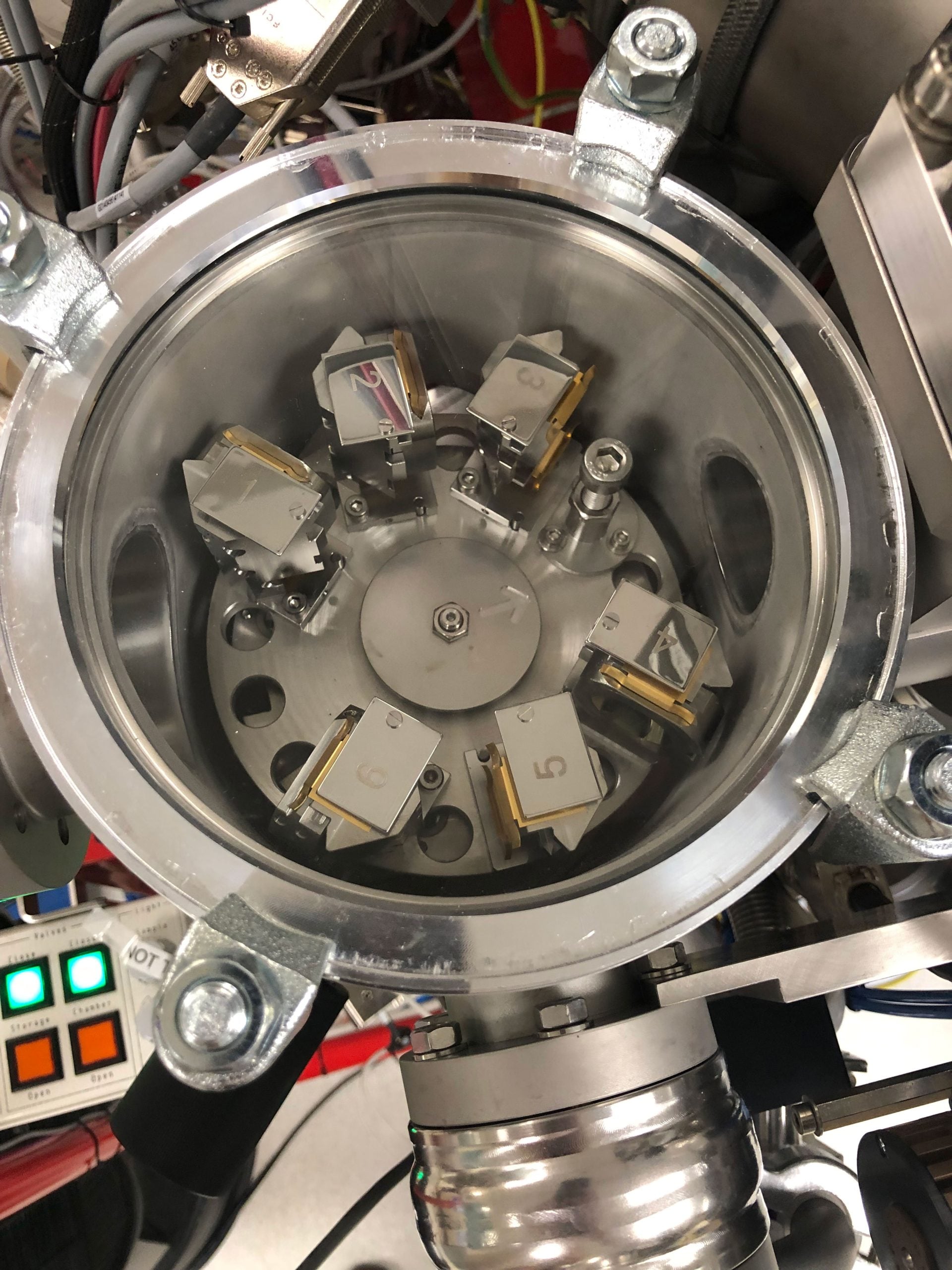
For the first time, researchers combined established spawning surveys, river temperature models, and measurements from salmon otoliths, or ear bones, to reconstruct the conditions juvenile salmon experienced while developing inside their eggs. They also worked with a UCLA laboratory that operates an ion microprobe, an instrument capable of measuring oxygen isotopes in otoliths that record the temperatures fish experienced.
The researchers combined those temperature records with hatch dates estimated from growth increments in the otoliths, river temperature models, and spawning survey records. That allowed them to identify which redds most likely produced the juveniles that survived.
When incubation temperatures experienced by surviving juveniles were compared with conditions at spawning sites that failed to produce survivors, “the pattern was remarkably clear,” Arai said. “The juveniles that survived had experienced cooler incubation temperatures during their earliest stages of development, whereas unsuccessful locations were consistently associated with warmer temperatures over the same developmental period.
“That was one of those rare moments in research where the biological story became immediately apparent from the data,” he said.
Small temperature increases sharply reduced survival
For every 1.8°F (1°C) rise in average river temperature during the critical 15-day period, the probability that juveniles from a redd survived fell by about 73 percent, the researchers found.
Salmon that made it through this narrow early window appeared able to tolerate warmer temperatures later in development. The findings also indicate that when cold water arrives may matter as much as how cold it is. Even brief mismatches between spawning and the availability of suitable cold water can substantially reduce juvenile survival.
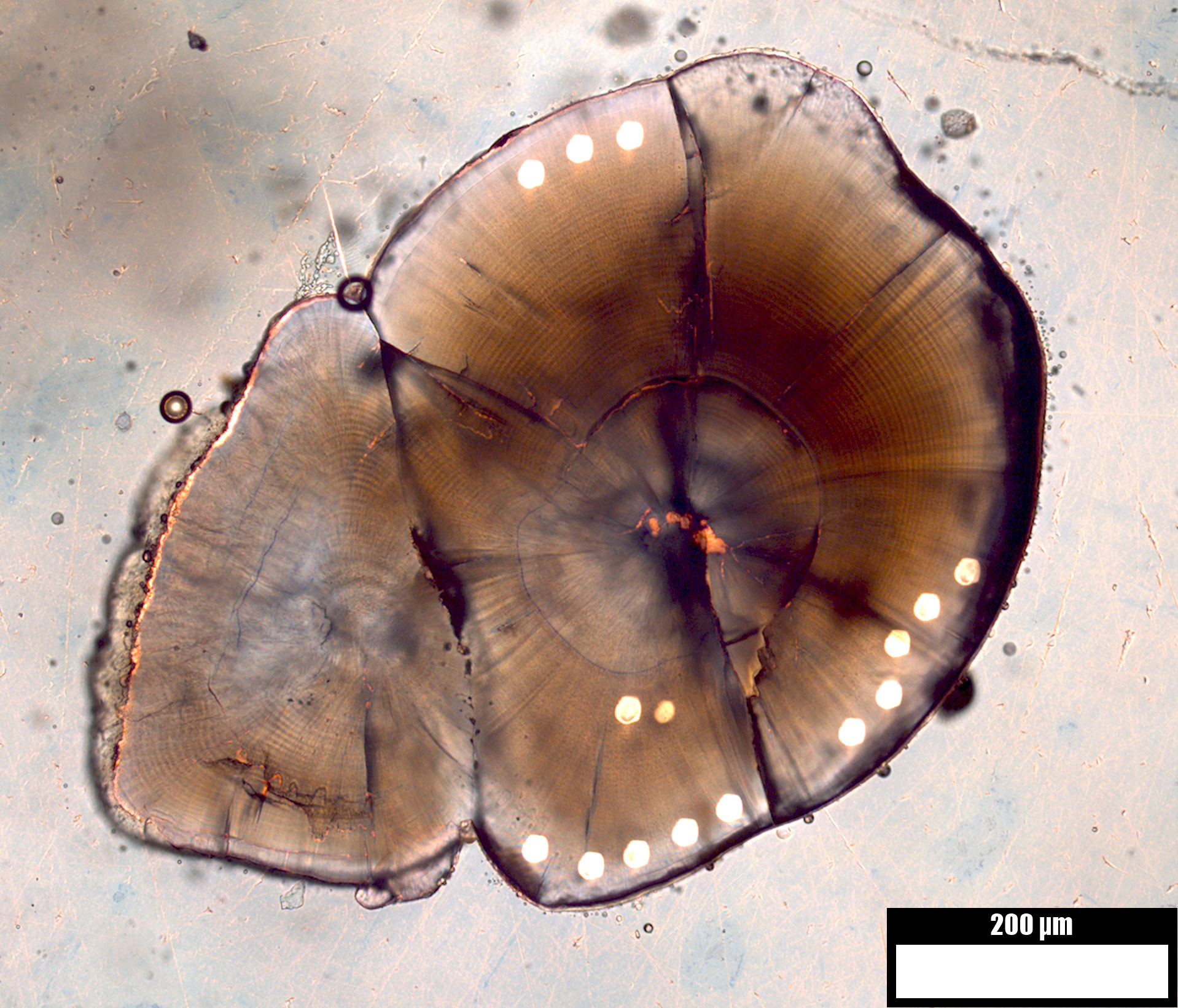
Combining the precision of the ion microprobe with other analyses could provide a new way to reconstruct early development in salmon and other species that are sensitive to temperature and changing environmental conditions, according to the researchers. The method may eventually reveal environmental experiences of individual animals across many species and long periods of time.
“I will never cease to admire the way our students and researchers see new technology and envision new ways to apply it to answer questions that may have seemed out of reach,” said Carson Jeffres, a senior researcher at UC Davis who leads a fisheries laboratory with Johnson and is a co-author of the new research. “Suddenly we have new insight into the very earliest and—now we know—key stages of salmon survival.”
The work also depended on collaboration with the U.S. Fish and Wildlife Service, which collected juvenile salmon; the California Department of Fish and Wildlife, which recorded spawning locations; NOAA Fisheries and the University of California, Santa Cruz, which tracked river temperatures connected with the otolith records; and the UCLA researchers who used the ion microprobe to analyze the ear bones at very fine scales.
“It is incredibly gratifying to see scientific innovation, collaborative research, and strong agency-academic partnerships come together to identify critical bottlenecks limiting recovery. Those insights allow us to focus conservation actions with our partners where they can make the greatest difference for the species,” Johnson said.
Reference: “Thermal bottlenecks constrain early-life survival of native fish in regulated rivers” by Kohma Arai, Rachael E. Ryan, Miles Daniels, Malte Willmes, George E. Whitman, Larisa M. Thacher, Nozomi Matsuda, Elizabeth A. Bell, Kevin D. McKeegan, Carson A. Jeffres and Rachel C. Johnson, 21 August 2026, Science Advances.
DOI: 10.1126/sciadv.aeg3586
Funding: US Bureau of Reclamation Grant No. R22AC00633–00 (C.A.J., and R.C.J.). California State Water Resources Control Board Agreement No. 20–036–300-2 (C.A.J., and R.C.J.). NSF EAR Instrumentation and Facilities Program Grant No. 2154590 (K.D.M.).
Never miss a breakthrough: Join the SciTechDaily newsletter.
Follow us on Google and Google News.