
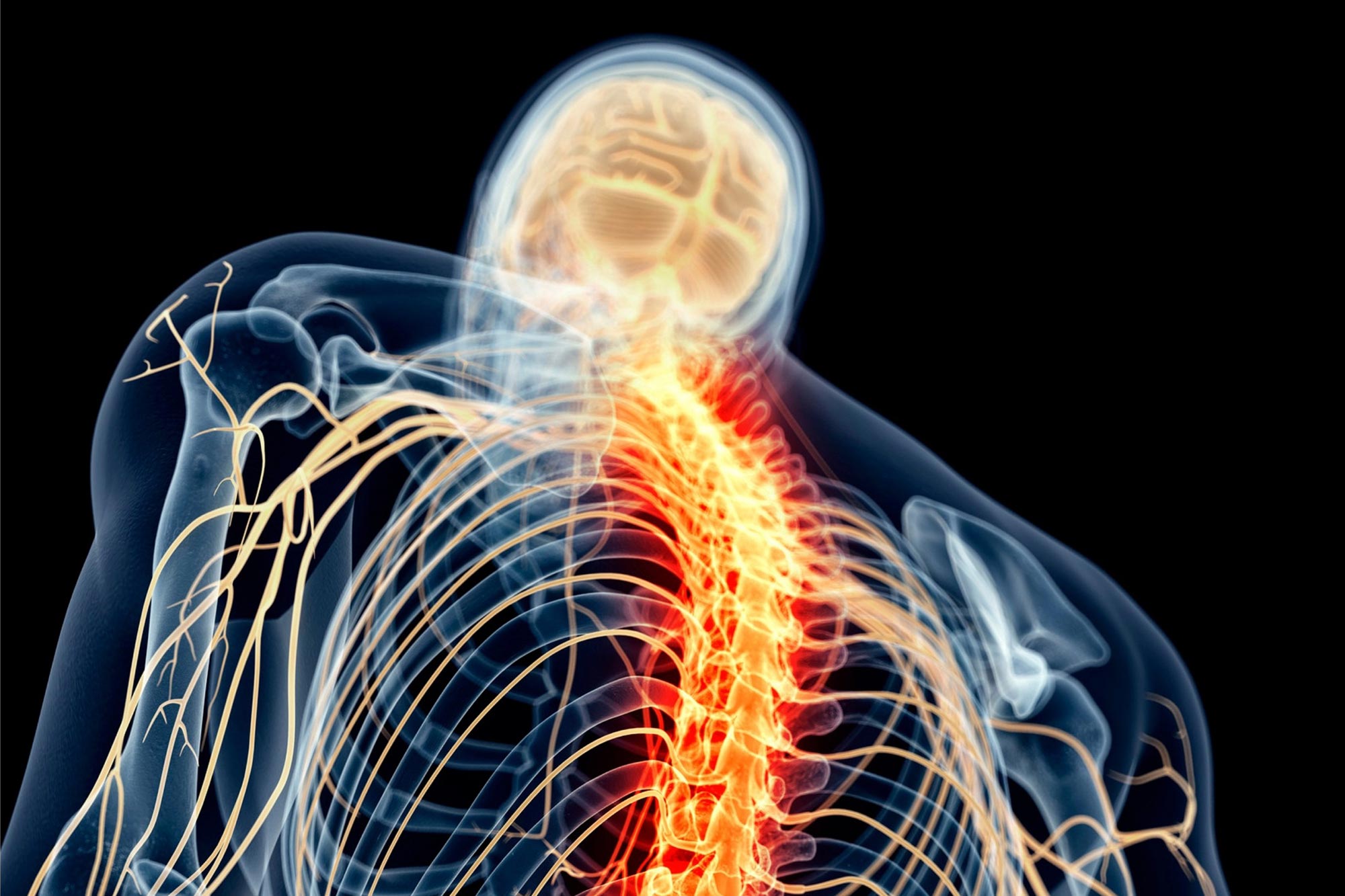
A seed-sized injectable device could make nerve stimulation therapies simpler, safer, and more accessible.
Researchers at NYU Abu Dhabi, working with Cleveland Clinic Abu Dhabi, have created a tiny injectable device that could offer a less invasive way to treat chronic pain and movement disorders.
The device is designed to control nerve activity without surgery, batteries, or wires, giving doctors a simpler route for delivering advanced neurological therapies.
A seed-sized device avoids surgery
Roughly the size of a small seed, the device can be delivered through a standard needle and positioned next to a specific nerve. After it is placed, it sends carefully controlled electrical signals that affect nerve behavior. Power is supplied wirelessly from outside the body, so doctors or patients can adjust the stimulation in real time.
Published in Science Advances, the research presents a treatment approach that aims to combine precision with minimal invasiveness. The technology is intended to complement current options, including medication or implanted medical devices, depending on a patient’s condition and treatment needs.
“This work represents a shift in how we think about treating nerve-related conditions,” said Khalil Ramadi, Assistant Professor of Bioengineering at NYU Abu Dhabi and NYU Tandon and the study’s senior author. “By creating a device that can be injected rather than surgically implanted, we are making these therapies simpler, safer, and more accessible, while still maintaining precise control over nerve activity.”
Standard medical imaging tools, including ultrasound and CT scans, can be used to locate and monitor the device after injection. Once it is in place, the device provides programmable electrical stimulation, allowing treatment to be adjusted for individual patient needs.
Imaging guides precise placement
“This collaboration with NYU Abu Dhabi reflects our commitment to advancing innovative, clinically relevant research that translates into meaningful improvements in patient care. By bringing together multidisciplinary expertise, this work highlights how academic partnerships can accelerate the development of safer, less invasive therapies and expand access to advanced treatments for patients,” said Dr. Sawsan Abdel-Razig, Chief Academic Officer at Cleveland Clinic Abu Dhabi.
In laboratory and preclinical tests, the device showed that it could stimulate nerves with precision and perform reliably under realistic conditions. It also activated nerves in vivo, supporting its potential for future real-world use.
Less invasive therapy moves closer
“This technology has the potential to bridge the gap between non-invasive therapies and traditional implants,” said Dr. Mohamed Elsherif, Research Associate at NYU Abu Dhabi and first author of the study. “It opens the door to treatments that are both effective and easy to deliver, which could significantly improve patient care.”
By reducing the need for major procedures and making advanced therapies easier to deliver, the device could expand access to treatment while lowering risks and shortening recovery times.
Reference: “An injectable, leadless bioelectronic interface for battery-free wireless peripheral neuromodulation” by Mohamed Elsherif, Salma Mansour, Zhansaya Makhambetova, Fotoon Aldhanhani, Batoul Khlaifat, Mahmoud Elbeh, Vega Pradana Rachim, Sohmyung Ha, Hicham Abada, Juan S. Barajas-Gamboa, Carlos M. Abril Vega and Khalil B. Ramadi, 12 June 2026, Science Advances.
DOI: 10.1126/sciadv.aeg1437
This work was supported by NYU Abu Dhabi (AD324) and Center for Translational Medical Devices (CG015) at NYU Abu Dhabi Research Institute.
Never miss a breakthrough: Join the SciTechDaily newsletter.
Follow us on Google and Google News.