
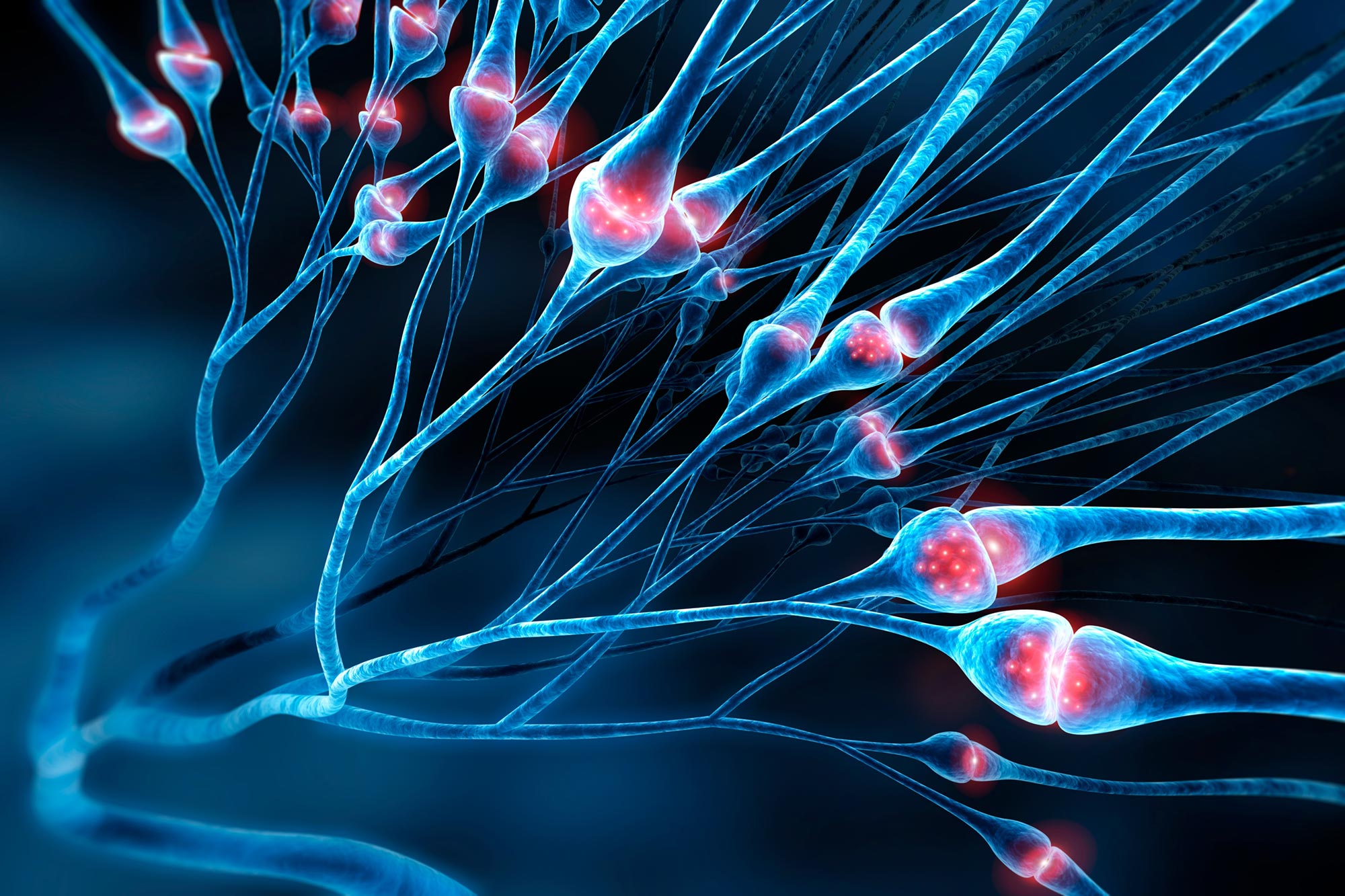
A cancer-linked protein called BRAF may help drive chronic nerve pain, and existing cancer drugs targeting it reduced pain sensitivity in preclinical models.
Chronic nerve pain can persist long after an injury and often responds poorly to standard pain medications. Researchers at The University of Texas MD Anderson Cancer Center now report evidence that BRAF, a protein best known for its role in cancer, may also help initiate, intensify, and sustain pain signaling after nerve damage.
In preclinical models, drugs that inhibit BRAF signaling reduced pain sensitivity, pointing to a possible new use for treatments already developed for cancer.
The research was published in Science Signaling. It was co-led by Shao-Rui Chen, M.D., professor of Anesthesiology and Perioperative Medicine, and Hui-Lin Pan, M.D., Ph.D., endowed chair of Anesthesiology and Perioperative Medicine.
“Our findings identify the cancer-promoting protein BRAF as a key driver of pathological pain signaling following nerve injury,” Pan said. “Because BRAF inhibitors are already approved for cancer treatment, this discovery raises the possibility of rapidly repurposing existing therapies to reduce the level of pain signals entering the spinal cord and improve patient quality of life.”

BRAF connects nerve injury to pain
Neuropathic pain, or chronic pain caused by damaged nerves, can result from injury, disease, or even life-saving cancer treatments. It can be severe and long lasting, and conventional pain medicines often provide limited relief.
The researchers focused on NMDA receptors, protein channels in the brain and spinal cord that help nerve cells communicate. Following nerve damage, these receptors can become overly active and strengthen pain signals. The researchers investigated whether BRAF helps drive that change.
In preclinical nerve injury models, BRAF traveled from peripheral sensory nerve cells to their endings in the spinal cord. Once there, it activated molecular signaling that increased NMDA receptor activity. The researchers also observed a correlation between proteins involved in BRAF signaling and NMDA receptors in samples of human spinal cord tissue.
Together, those observations suggested that blocking BRAF might reduce excessive NMDA receptor activity and, in turn, lessen pain signaling.
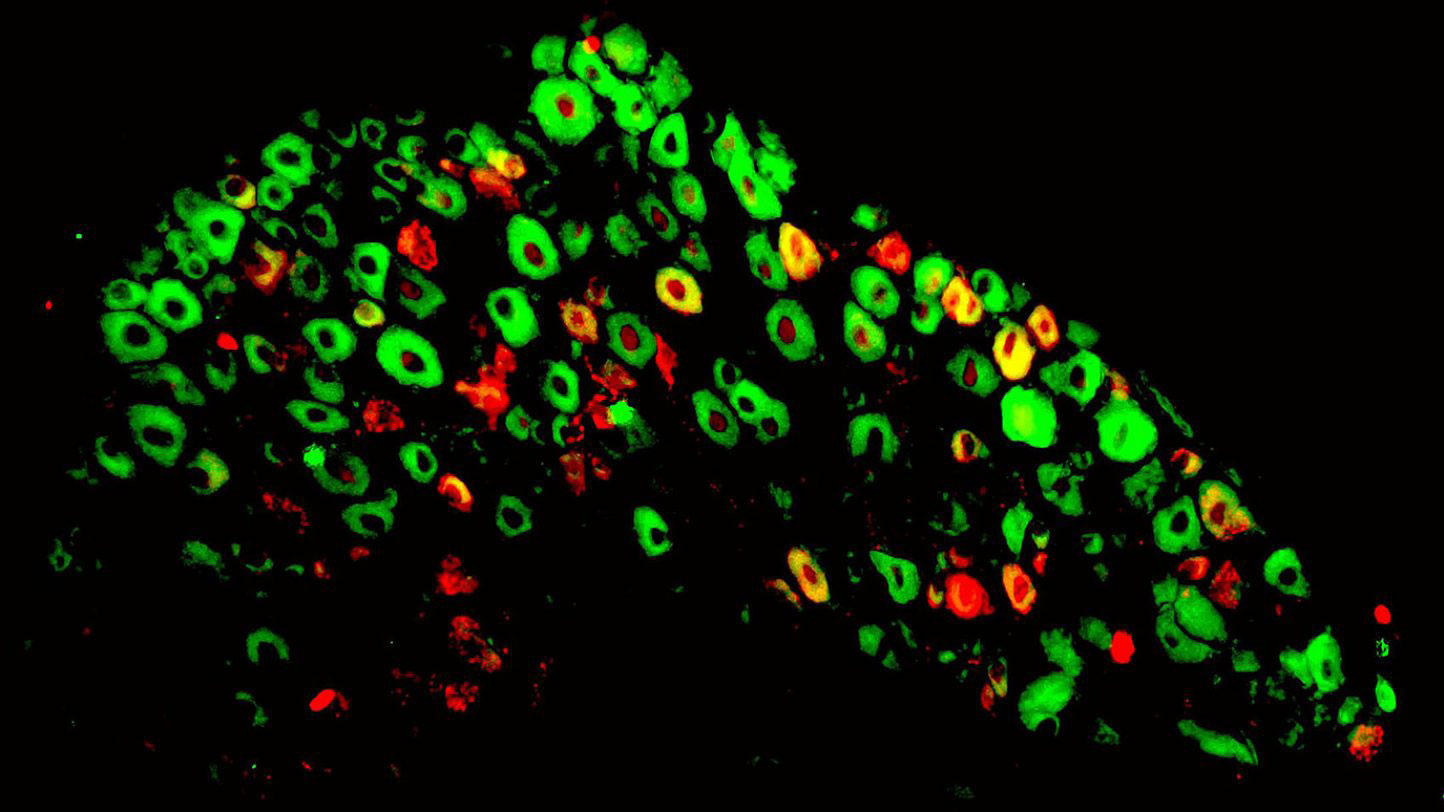
Existing cancer drugs reduced pain sensitivity
The researchers then tested drugs that interfere with this pathway. In preclinical models, the BRAF inhibitor vemurafenib and the MEK inhibitor selumetinib reduced sensitivity to touch, pressure, and heat. Neither drug altered normal responses in models without nerve injury.

Genetic experiments provided additional evidence for BRAF’s role. Removing the Braf gene produced less persistent pain sensitivity, while directly activating BRAF triggered pain sensitivity even in models without nerve damage. These opposing results further supported the idea that BRAF contributes to both the development and persistence of neuropathic pain.
The findings remain preclinical. Before BRAF inhibitors could move into human trials for neuropathic pain, researchers will need to determine appropriate doses, delivery methods, and potential side effects. They also want to learn what causes BRAF to move from peripheral nerves to the spinal cord after an injury.
Even with those questions unresolved, the results link BRAF signaling with NMDA receptor activation in the spinal cord and suggest that currently available BRAF inhibitors could have therapeutic potential for neuropathic pain.
Reference: “BRAF recruitment to spinal sensory synapses promotes neuropathic pain by potentiating transsynaptic NMDA receptor activity” by Daozhong Jin, Hong Chen, Yuying Huang, Shao-Rui Chen and Hui-Lin Pan, 25 August 2026, Science Signaling.
DOI: 10.1126/scisignal.aeh6852
This study was funded by the National Institutes of Health and the Pamela and Wayne Garrison Distinguished Chair Endowment.
Never miss a breakthrough: Join the SciTechDaily newsletter.
Follow us on Google and Google News.
4 Comments
MSM organic sulfur, anticancer , antipain, universal, wonderful drug !!!!!!!!! Use MSM to fighing cancer, pain !!!!!!!!! Body need sulfur, 4% sulfur in body !!!!!!! My drug MSM siarka organiczna!!!!!!!! Use MSM. !!!!!!
Thank-you for educating us
This cruel experiment was done on mice who were given a spinal cord injury by the researchers. It is a study of pain, which is difficult to assess on mice. This type of animal cruelty must stop. This is bad research that is both unethical and of unknown application to humans.
By all means Sydney, save all those rats and mice – why should we care about helping human beings with unbearable chronic pain? Let them kill themselves as is commonly known to occur with people who have reached the end of what they can tolerate, but why should you care?
Dropped on your head as a child Sydney?